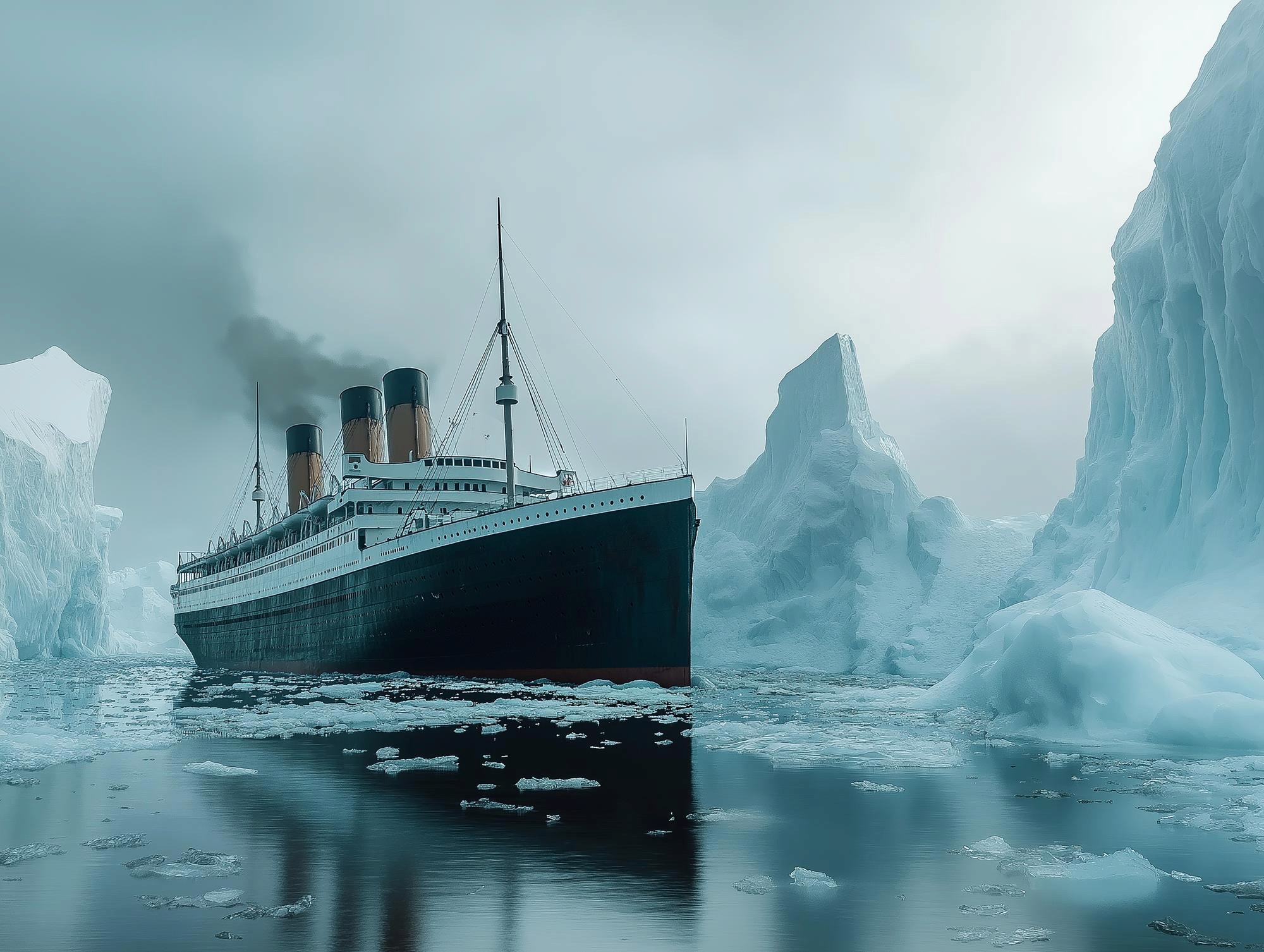
Titanic
On April 15, 1912, the RMS Titanic sank in the North Atlantic, taking 1,517 lives with it. The official story is simple: a ship moving too fast through dangerous waters struck an iceberg it could not avoid. A tragedy of hubris and human error. The kind of story that ends with better safety regulations and a lesson about overconfidence. Except the questions that surrounded the sinking did not stop when the wreckage hit the ocean floor. They are still being asked today.
What those questions point to is a collision not just between a ship and an iceberg, but between money, power, and the men who controlled both. A sister ship that may have been deliberately swapped and sent to the bottom of the Atlantic. The most powerful opponents of the Federal Reserve dead before it was ever signed into law. And J.P. Morgan, who cancelled his ticket at the last minute and watched from shore as the ship disappeared beneath the waves. The iceberg may have been real. Whether it was the whole story is another question entirely.
Stages
01
The Race Across the Atlantic
What was transatlantic travel like during the golden age of ocean liners?
What social and economic forces drove the competition between shipping lines?
What were the real dangers of crossing the Atlantic?
02
The Money Behind the Ship
Who owned and financed the great transatlantic liners?
Who were the wealthy passengers aboard Titanic, and why did their presence matter?
How did maritime insurance work in the shipping industry?
03
The Sinking
What happened on the night of April 14–15, 1912?
What decisions, before, during, and after the collision, turned an accident into a catastrophe?
What has been discovered since 1912 that contradicts or complicates the official record?
04
The Conspiracy ⭐
Was it really Titanic that sank?
What financial interested were connected with the sinking?
Was there a cover-up in the days/months/years to follow?
Stage 1
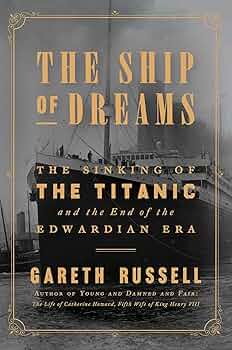
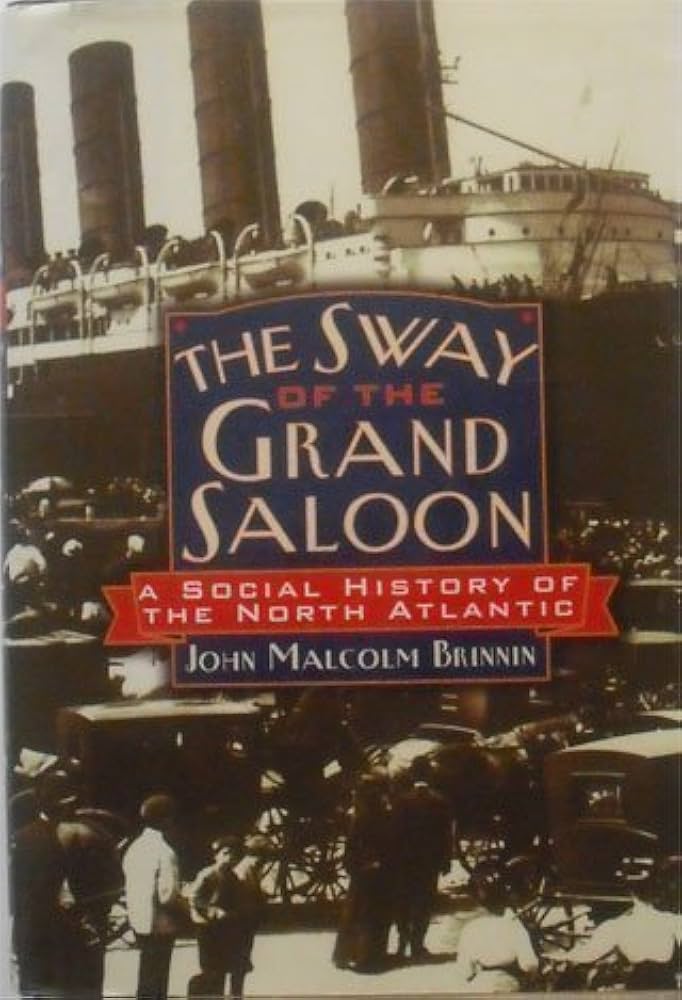
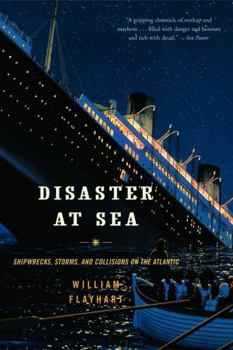
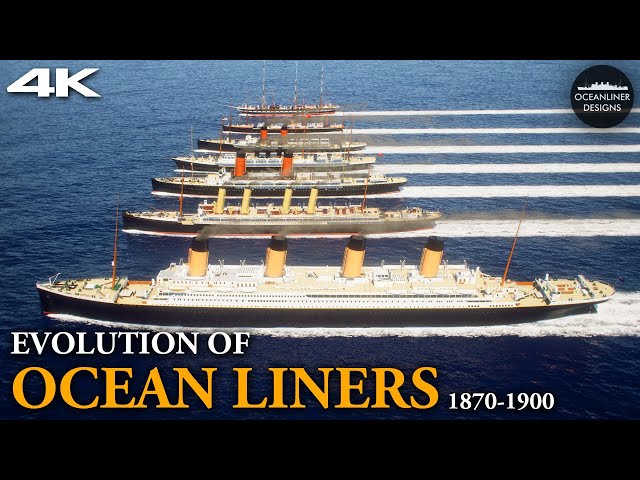
Before there was Titanic, there was a war for the Atlantic. In the early 20th century, the great shipping lines — Cunard, White Star, Hamburg-Amerika — competed to build the largest, fastest, and most luxurious vessels the world had ever seen. The Blue Riband, awarded for the fastest transatlantic crossing, was a symbol of national pride. Britain and Germany poured money into floating palaces that promised to conquer the most dangerous ocean on earth, a crossing plagued by icebergs, fog, storms, and collisions that had claimed ships for centuries. Speed records were shattered. Passenger capacity doubled. And marketing men declared these engineering marvels "unsinkable." This was the world that built the Titanic: an era of supreme confidence, relentless competition, and financial pressure that pushed companies to cut corners, rush timelines, and gamble with lives.
Books

YouTube
Documentaries/Movies
Stage 2
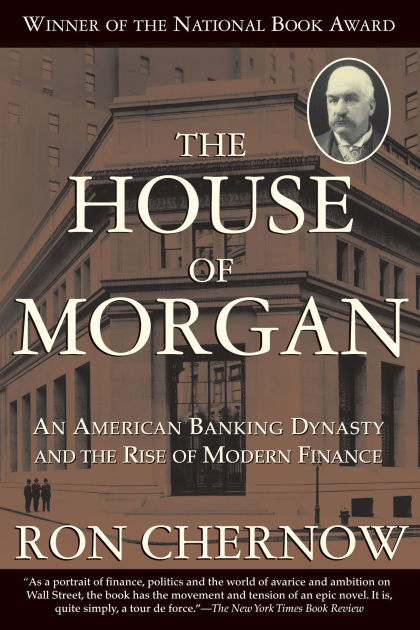
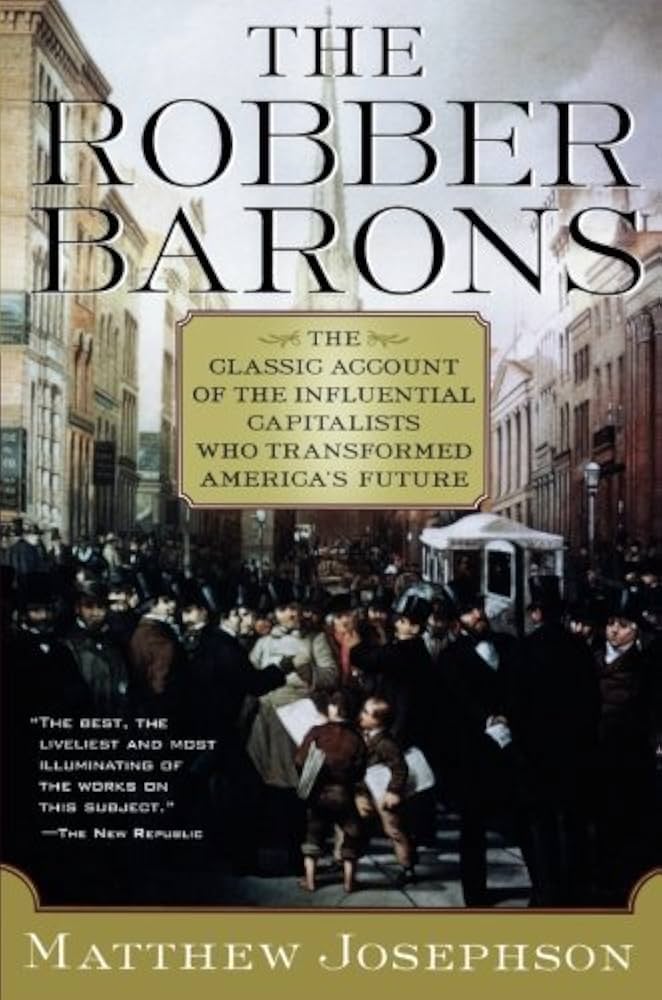
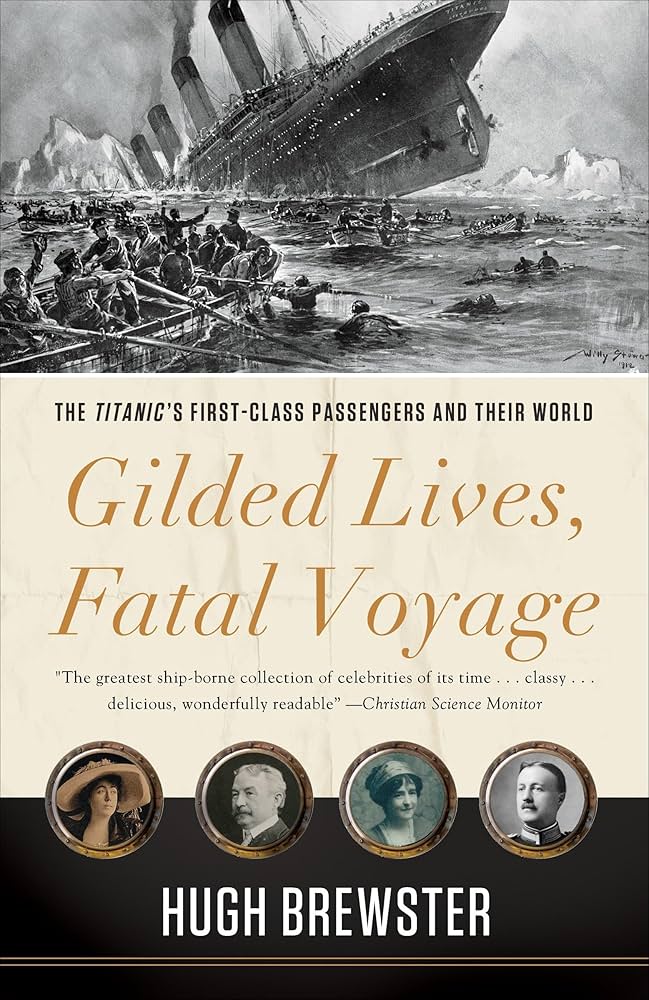
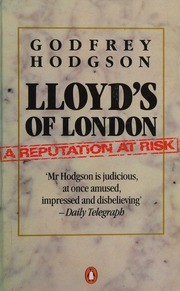
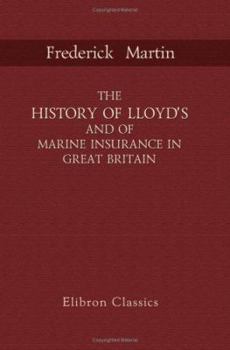
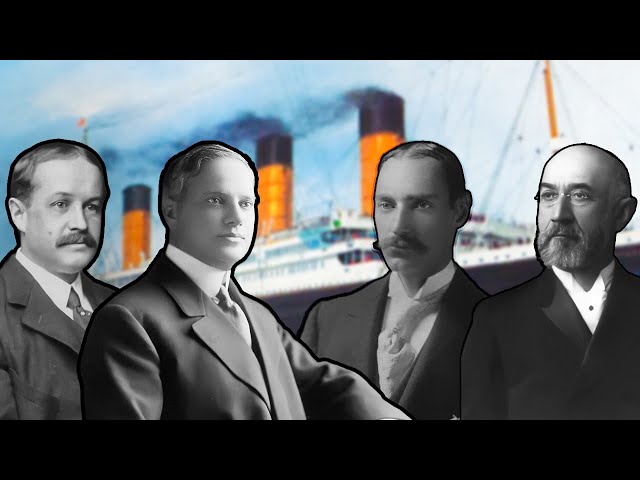
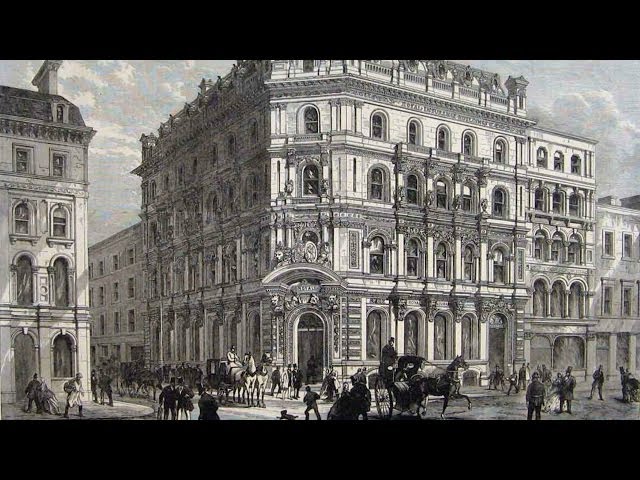
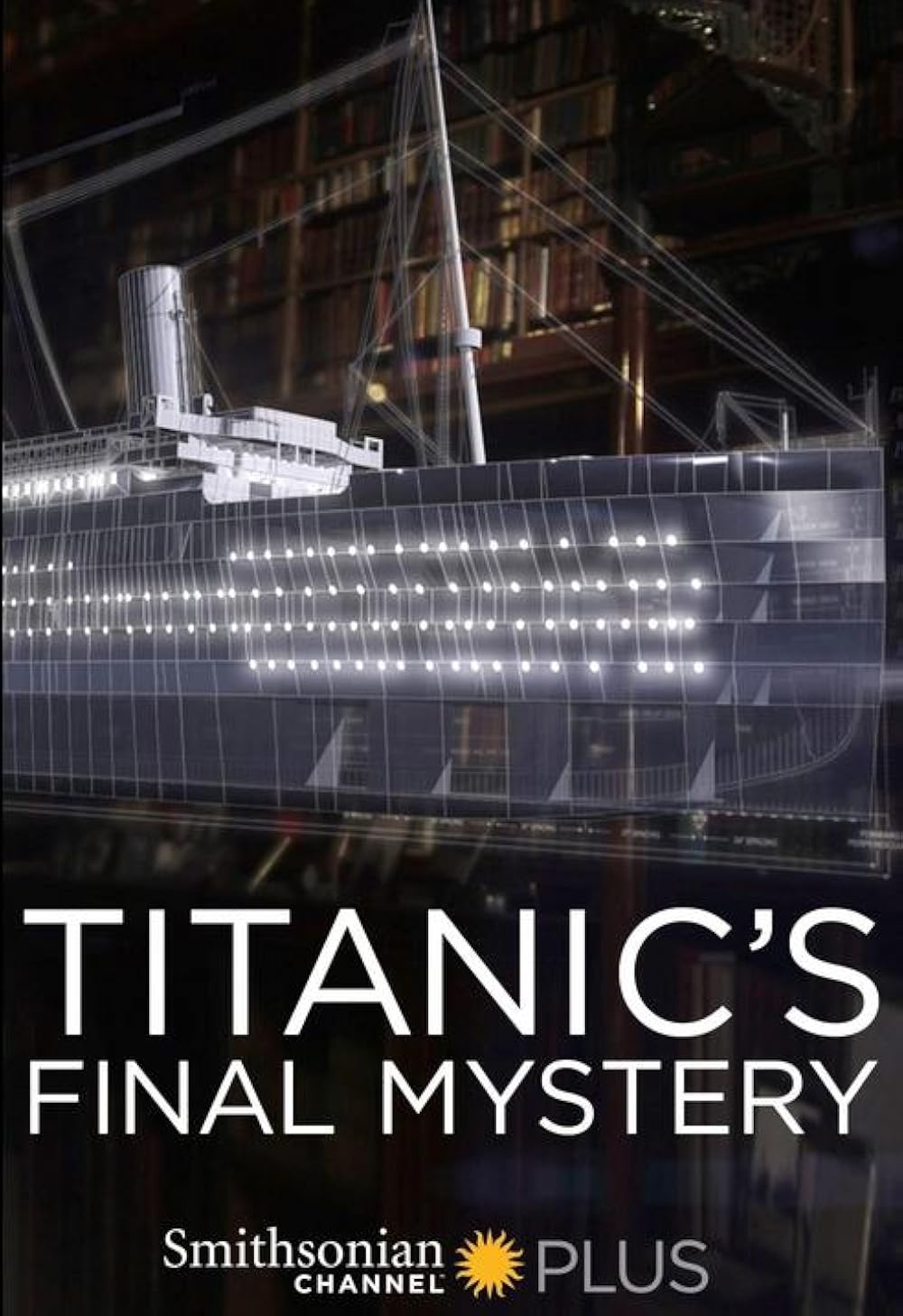
Before Titanic set sail, someone had to pay for it. This stage follows the money, from the boardrooms where shipping empires were financed to the Lloyd's of London coffeehouse where underwriters placed bets on which vessels would return. J.P. Morgan's International Mercantile Marine controlled White Star Line and bankrolled the Olympic-class ships. Lloyd's insured them for £1 million each, the largest marine risk ever written. And when Titanic's maiden voyage was announced, the wealthiest men in America rushed to book passage: Astor, Guggenheim, Straus, Widener. Titans of industry who had reshaped the Gilded Age economy, all gathered on a single ship owned by the most powerful banker in the world.
Understanding who owned Titanic, who insured it, and who sailed on it is essential to evaluating the darker theories that emerged after the sinking. Every conspiracy begins with motive and opportunity. Before asking whether the disaster was more than an accident, you first need to know who stood to gain, who stood to lose, and how much money was on the line. The financial architecture behind Titanic reveals a web of overlapping interests, bankers, insurers, industrialists, that would fuel speculation for over a century.
Books

YouTube
Documentaries/Movies
Stage 3
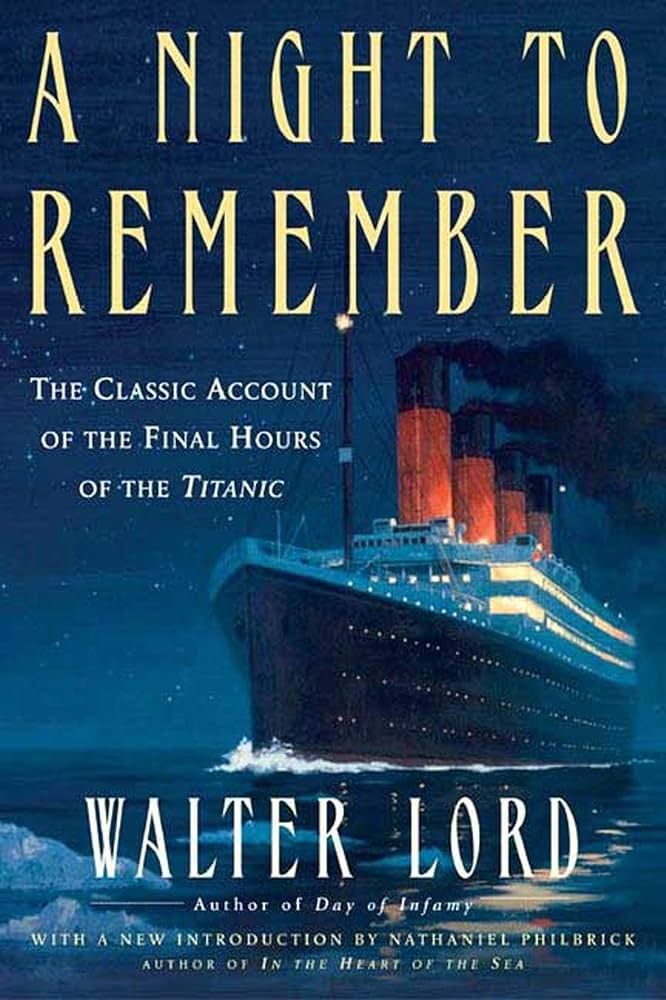
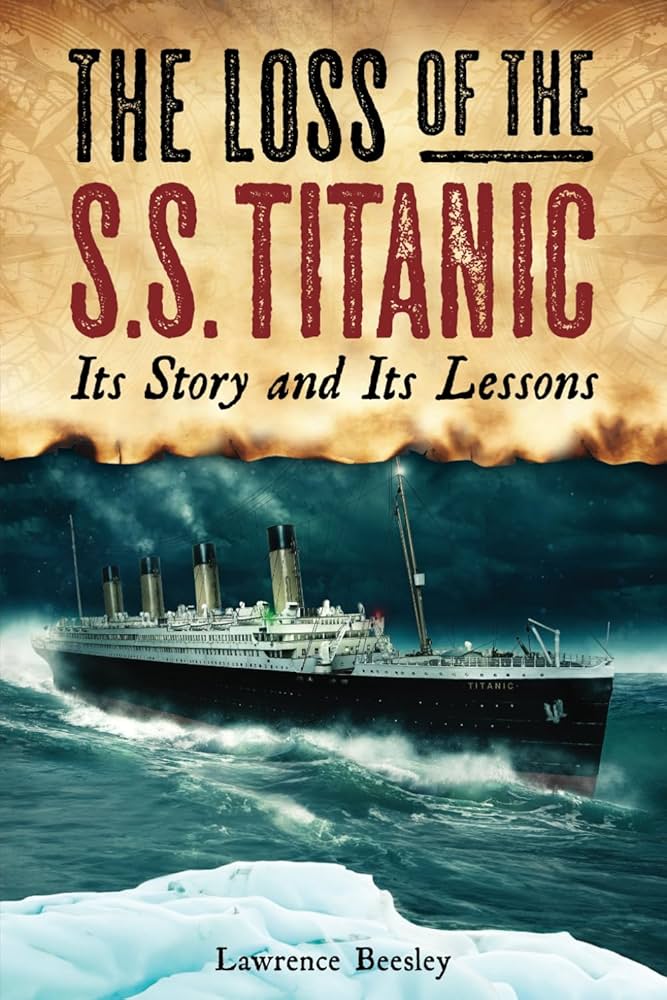
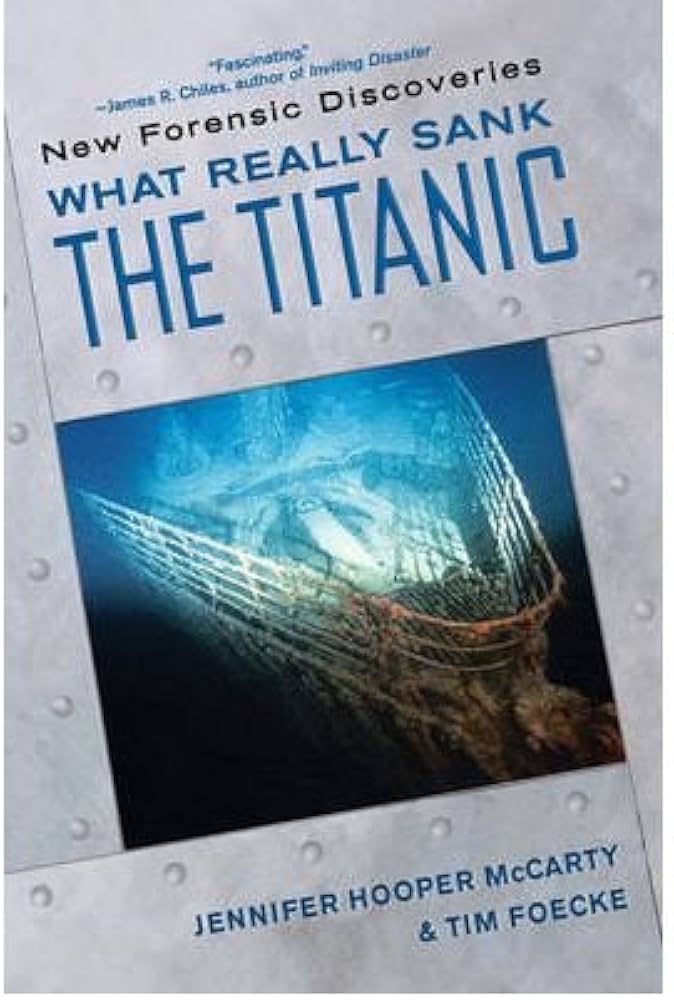
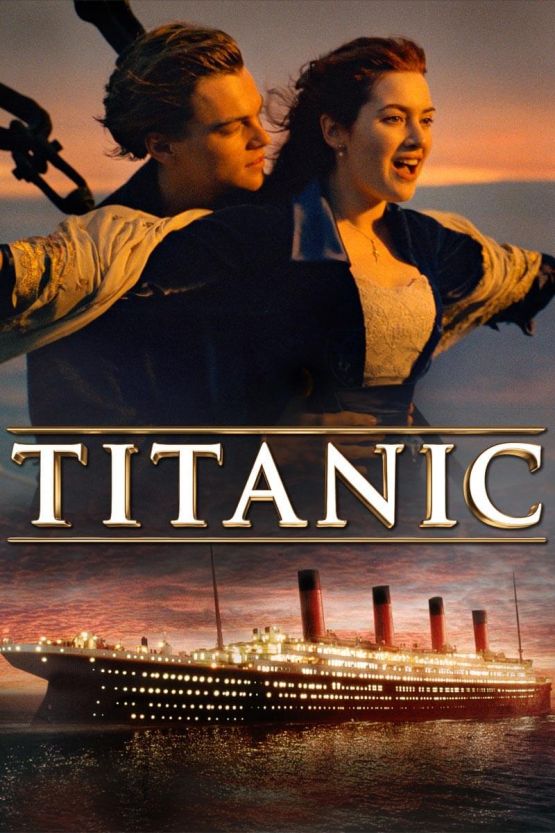
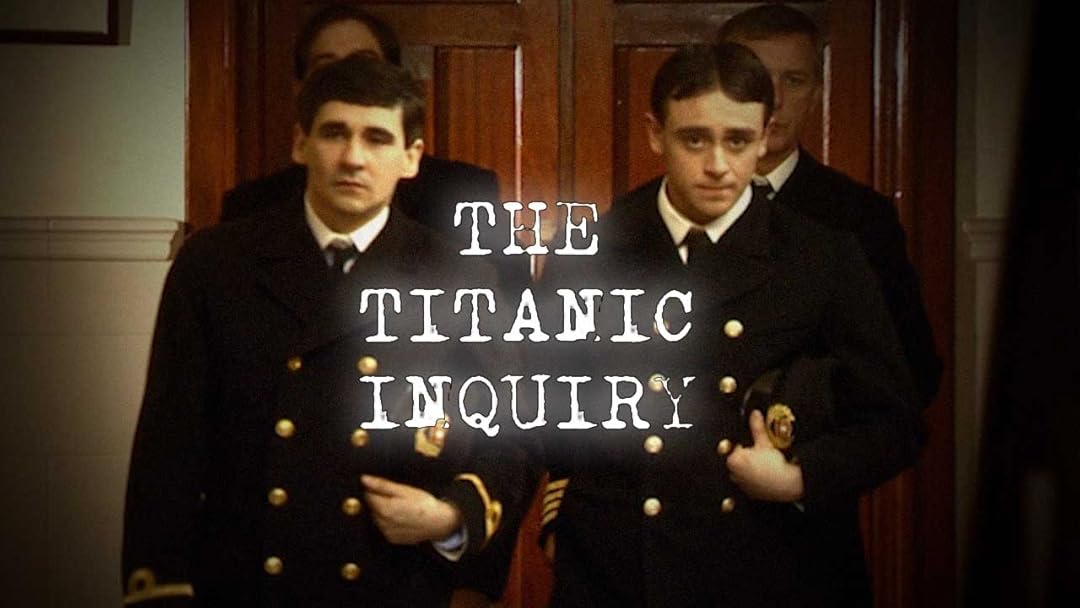
Six ice warnings came in that day. The ship never slowed. At 11:40 PM, the lookouts saw the berg, too late. The collision opened the hull below the waterline, and within minutes Thomas Andrews knew the mathematics were fatal: too much water, not enough time, not nearly enough lifeboats. What followed over the next two hours and forty minutes has been reconstructed from survivor testimony, crew accounts, and two exhaustive government inquiries. Some of it is settled fact. Much of it remains disputed: who gave which orders, which gates were locked, why so many boats left half-empty, and why the ship visible on the horizon never came to help.
The official investigations produced thousands of pages of testimony and assigned blame to the usual suspects: Captain Smith's speed, the Board of Trade's outdated lifeboat rules, Captain Lord's inaction aboard the Californian. But the hearings also revealed how much was unknown, how much was contradictory, and how many questions the commissioners chose not to press. The sinking became the most documented maritime disaster in history and still, the gaps in the record have never been filled. Those gaps are where the theories begin.
Books
YouTube
Documentaries/Movies
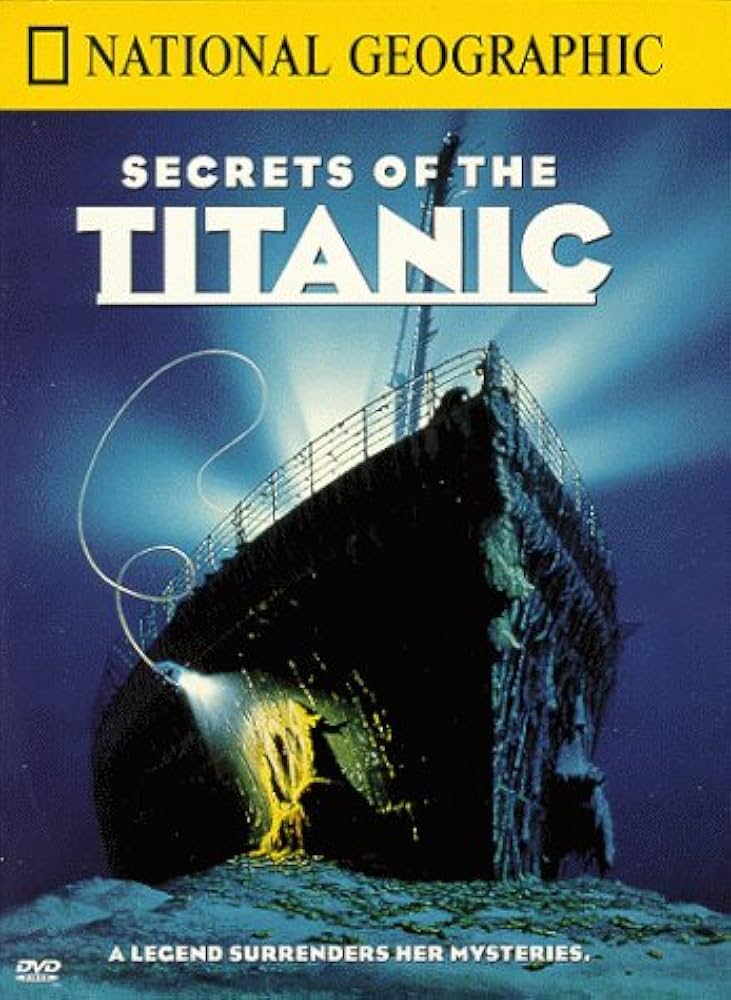
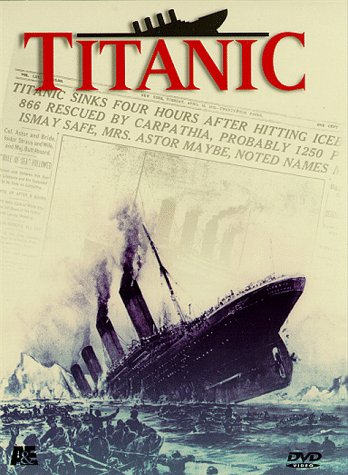
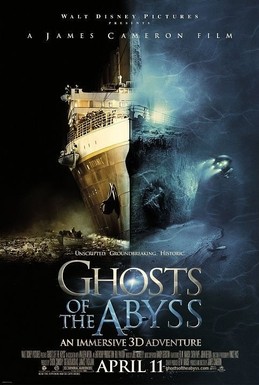
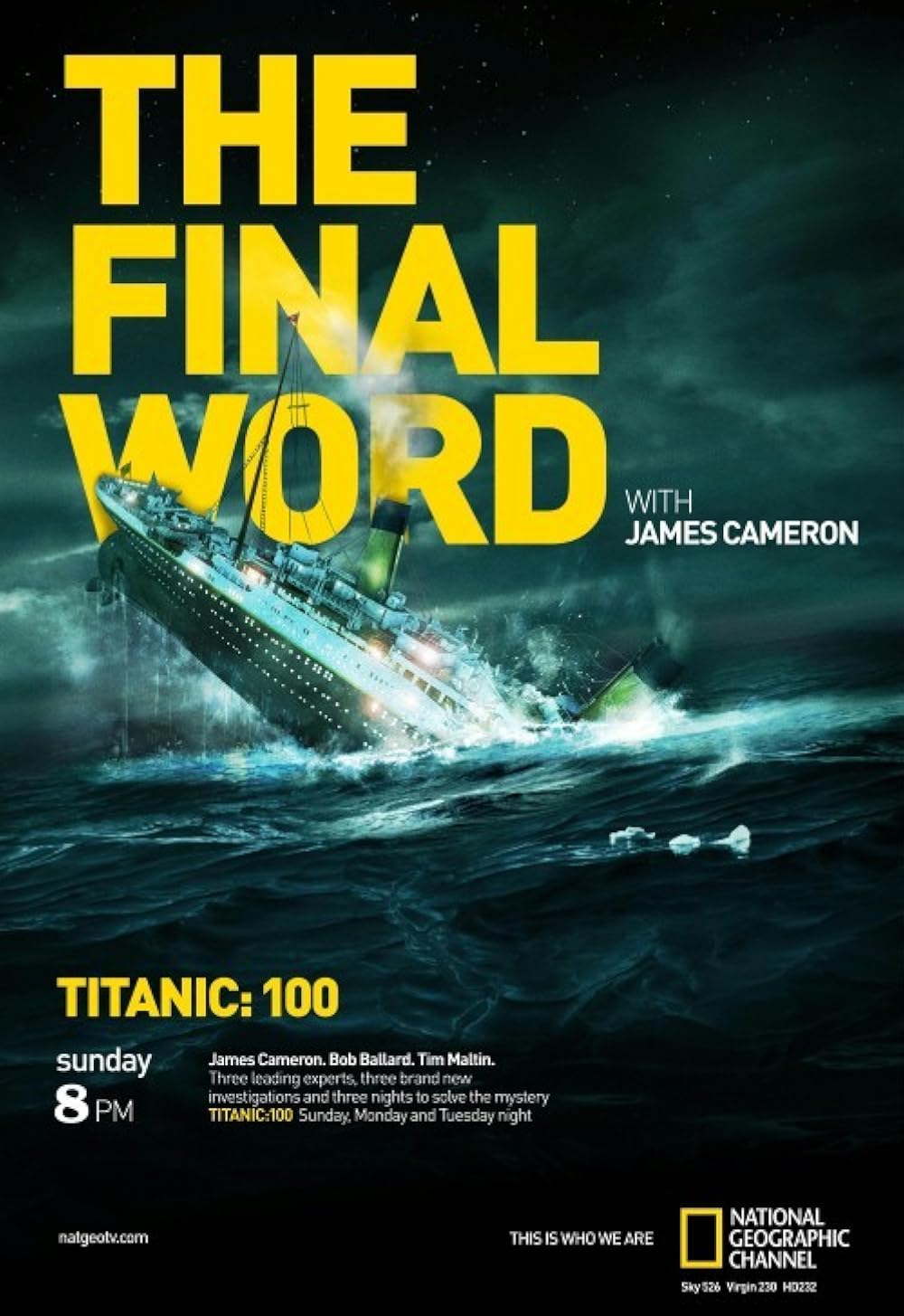
Stage 4
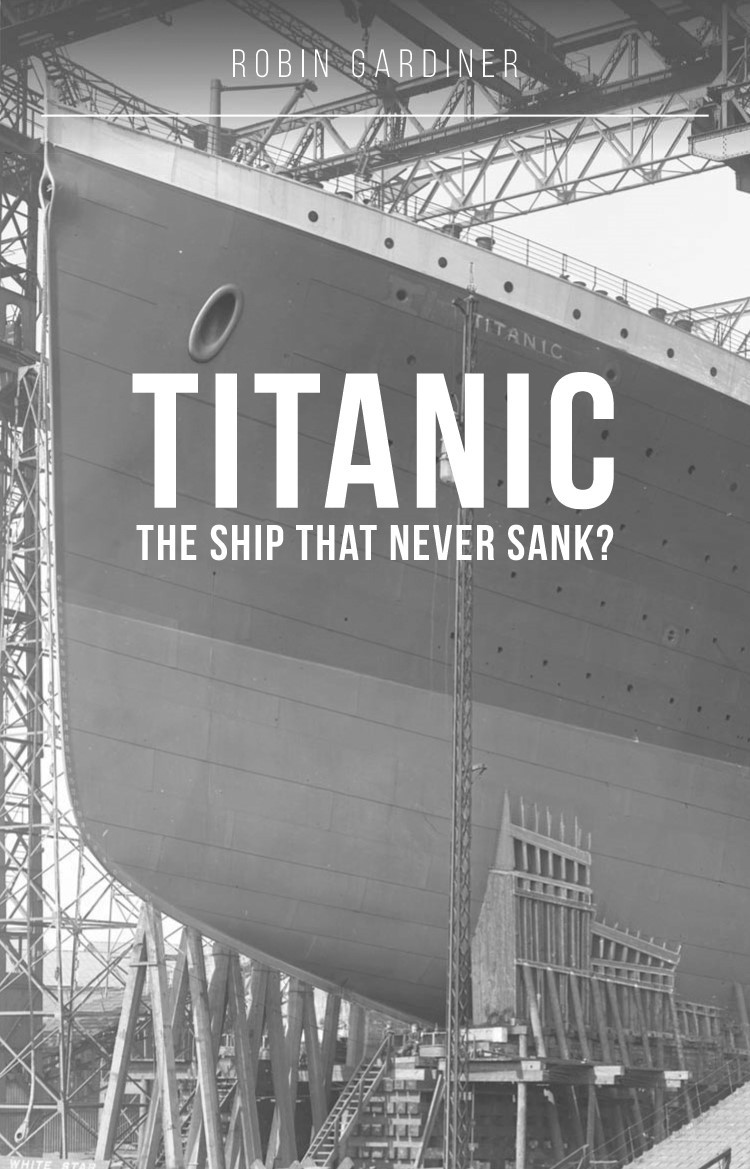
The official story is simple: an iceberg, a moonless night, not enough lifeboats. But pull at the threads and the fabric starts to unravel. Why did J.P. Morgan—the man who owned the ship—cancel his ticket at the last minute? Why were three of America's wealthiest Federal Reserve opponents all aboard the same "unsinkable" vessel? Why was there a fire burning in the coal bunkers before the ship ever left Southampton, and why did White Star send her to sea anyway? And perhaps most haunting of all: why did a ship just ten miles away watch the rockets arc across the sky and do nothing?
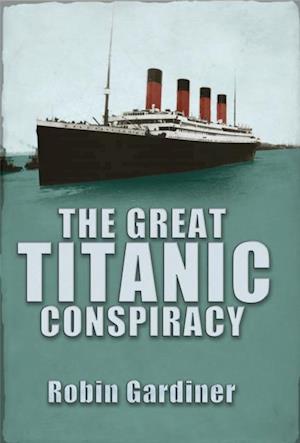
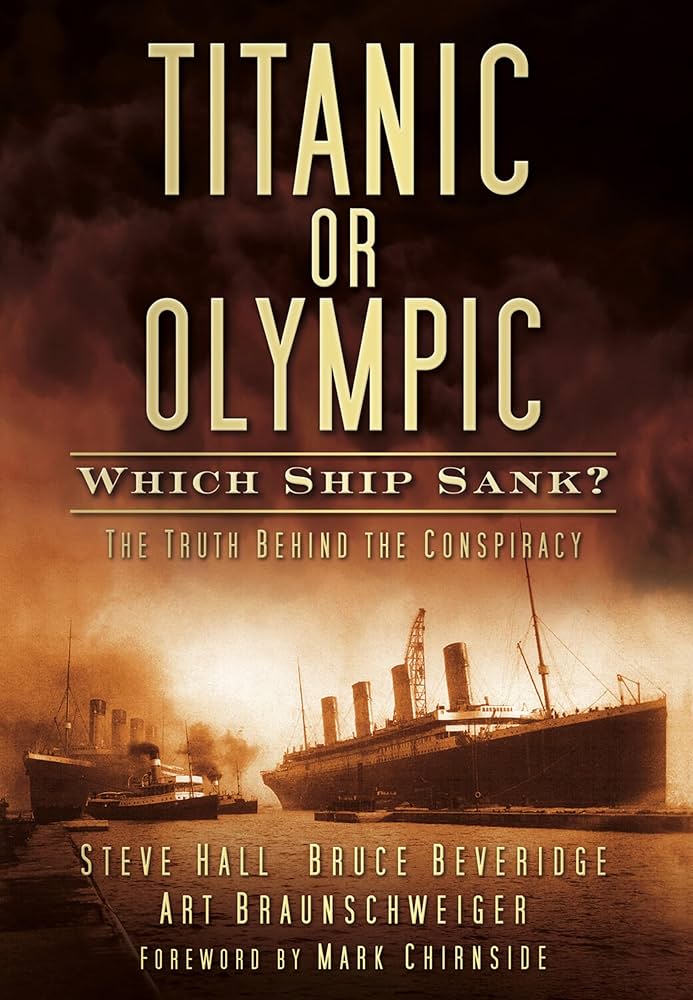
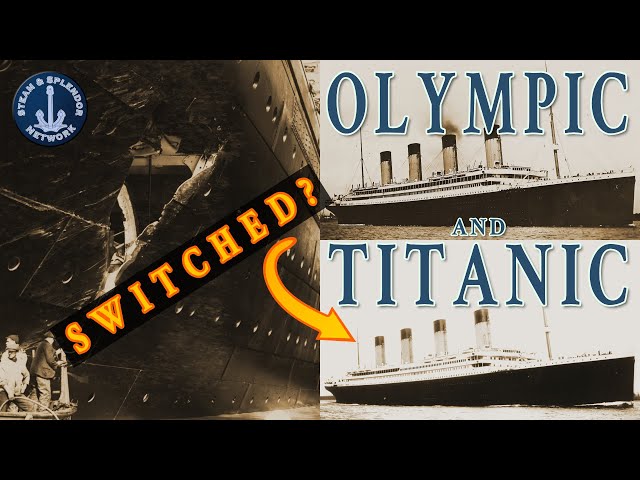
Some researchers see an insurance fraud gone wrong—a damaged Olympic sailing under her sister's name, scheduled for a carefully controlled sinking that turned catastrophic when the rescue ship failed to arrive. Others trace the disaster to the marble halls of American finance, where the creation of a central bank required the elimination of its most powerful opponents. Still others point to simpler sins: corporate negligence, covered up by two governments with too much to lose. The British inquiry buried the coal fire. The American inquiry blamed a dead captain. The Californian's log vanished somewhere between the Atlantic and Boston.
What emerges is not a single conspiracy but a web of them—intersecting, contradicting, each one raising questions the official record refuses to answer. Maybe the iceberg explains everything. Or maybe the iceberg was just the beginning.
Books
YouTube
Documentaries/Movies
What is a Conspiracy Theory?
A conspiracy theory is an explanation for an event or situation that proposes a secret plot by powerful groups, usually operating outside of public knowledge or official narratives. At its core, it's the belief that what we're told isn't the whole story.
The term gets thrown around as a way to dismiss ideas without engaging with them, and that's not an accident. The phrase "conspiracy theory" was popularized by the CIA in the 1960s as a tool to discredit critics of the Warren Commission's findings on the JFK assassination. In other words, the label used to shut down conspiratorial thinking? That's kind of a conspiracy.
That's not to say every theory is true. Most aren't. But the history of the world is also full of actual conspiracies that were once dismissed as paranoid fantasy before being confirmed as fact. Knowing the difference between useful skepticism and a rabbit hole that never ends is exactly what this site is built for.
Are all Conspiracy Theories True?
A conspiracy theory is an explanation for an event or situation that proposes a secret plot by powerful groups, usually operating outside of public knowledge or official narratives. At its core, it's the belief that what we're told isn't the whole story.
The term gets thrown around as a way to dismiss ideas without engaging with them, and that's not an accident. The phrase "conspiracy theory" was popularized by the CIA in the 1960s as a tool to discredit critics of the Warren Commission's findings on the JFK assassination. In other words, the label used to shut down conspiratorial thinking? That's kind of a conspiracy.
That's not to say every theory is true. Most aren't. But the history of the world is also full of actual conspiracies that were once dismissed as paranoid fantasy before being confirmed as fact. Knowing the difference between useful skepticism and a rabbit hole that never ends is exactly what this site is built for.
Do I need to read or watch all of the Suggested Content?
No. The guides are designed to be comprehensive, not mandatory. We cast a wide net on purpose, to cover as many angles, perspectives, and voices as possible so the full picture of each subject is available to you.
That said, if you want to go deeper on a specific corner of a topic, the resources are there for exactly that.
If you're looking for the most direct path through a guide, keep an eye out for resources highlighted in yellow. Those are the ones we consider essential for that stage: the pieces that will do the most work in building your understanding. Think of them as the must reads, and everything else as the deeper dive.
Is the existing content final for each Conspiracy?
Not at all. Each guide is a living document. We are constantly looking to improve, update, and expand the content. There may be a book or video we missed, a perspective we haven't covered, or new information that changes the conversation entirely. If it makes a guide better, we want it in there.
Will there be more Conspiracies added?
Of course. There will always be events where the official story and the available facts don't quite line up, and those gaps are worth exploring. Some conspiracies have decades of research and documentation behind them while others are still taking shape, so the depth of each guide will naturally vary.
If there is a conspiracy you feel passionate about and don't see covered here, get in touch. We will do our best to give it the attention it deserves.
Should I trust all of the sources?
That is entirely up to you. Conspiracy research is naturally confrontational territory. You will encounter conflicting facts, competing narratives, and personalities who do not agree on much. Part of the work is learning to distinguish what is documented fact from what is speculation, interpretation, or agenda.
With that said, it is worth keeping in mind that YouTube videos and documentaries tend to be where you will find the most exaggeration and creative fact interpretation. That does not make them without value, some of the most important voices in this space live there, but it does mean your critical eye needs to be sharper. Read, watch, compare, and decide for yourself.
Note: We do include movies that aren’t necessarily academic but are dramatic versions of the events, providing an artistic view of actual events. Doesn’t hurt to have some fun while we learn!
What order should I tackle the Conspiracies?
There is no wrong entry point. Start with whatever subject you find most interesting or compelling and go from there.
That said, you may notice as you work through the guides that many conspiracies share overlapping stories, characters, and timelines. This is by design, not coincidence. A book you read for one guide may end up being essential context for three others. For example, several conspiracies trace their roots to the same era surrounding the formation of the CIA, so the foundational material you pick up early will carry further than you might expect.
In that sense, the more guides you work through, the more connected everything starts to feel.