Pearl Harbor
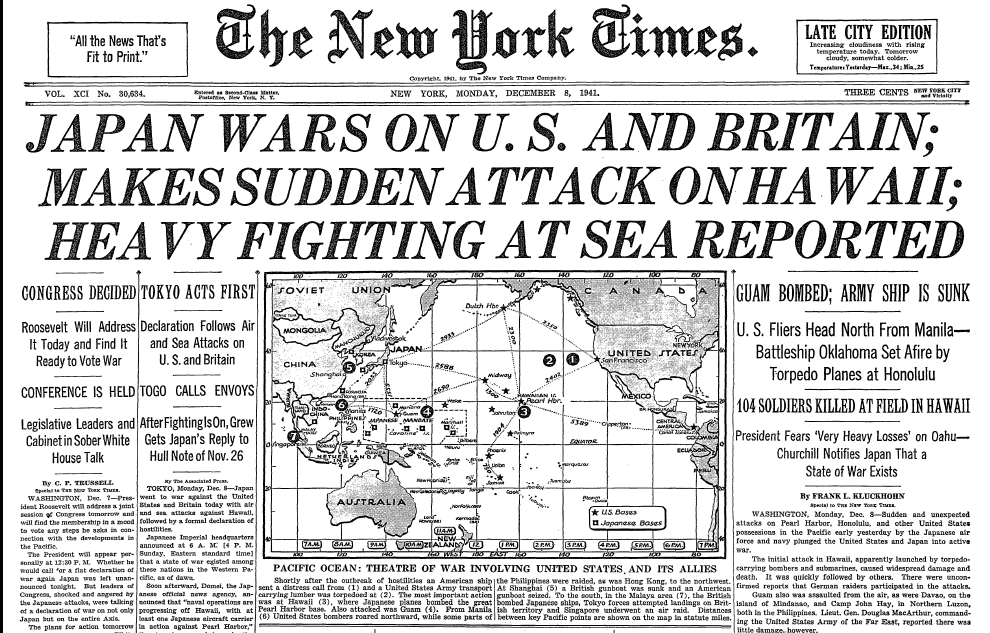
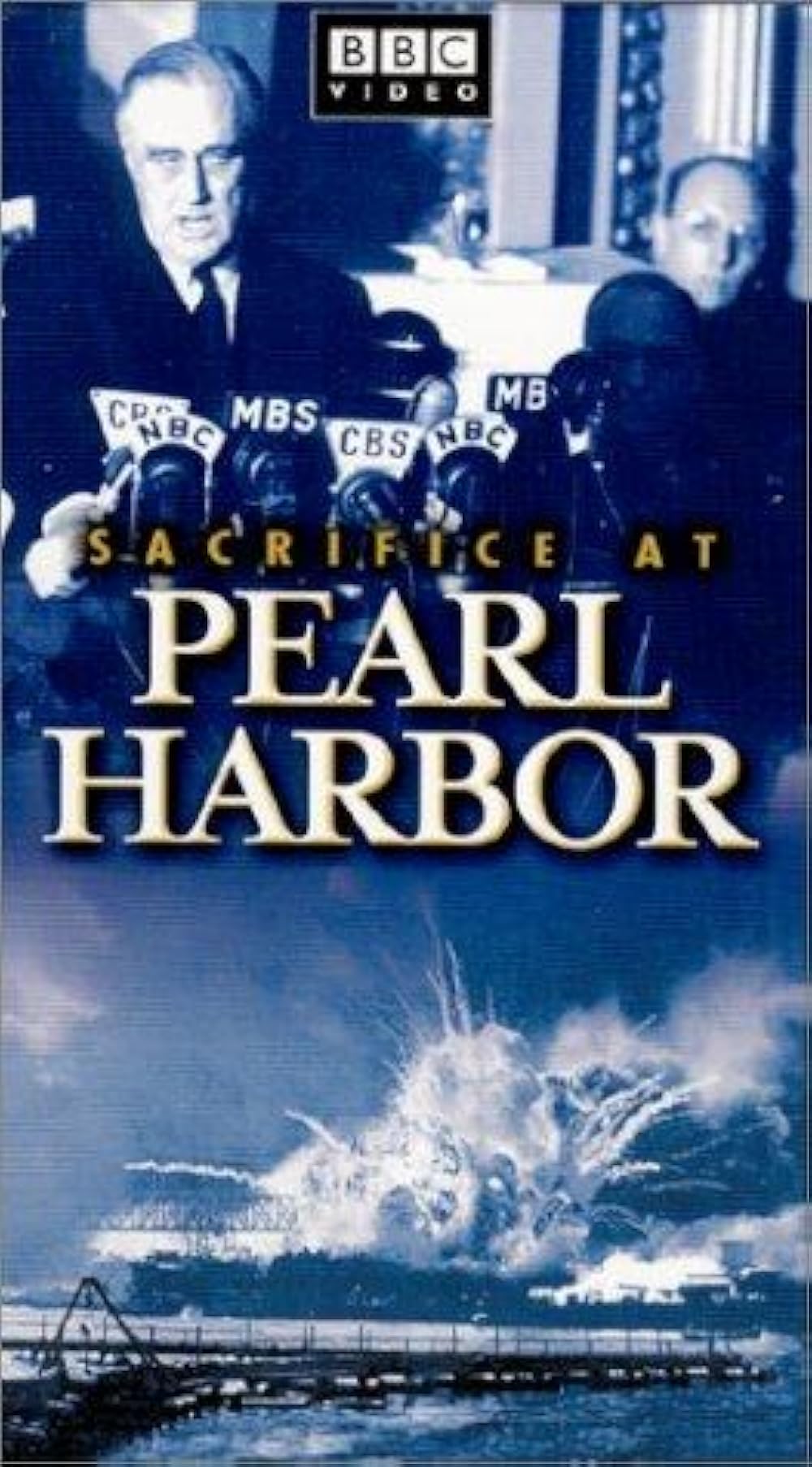
On the morning of December 7th, 1941, the Japanese Imperial Navy launched a surprise attack on the United States Naval base at Pearl Harbor, Hawaii. 2,403 Americans were killed. 1,178 were wounded. Eighteen ships were sunk or damaged and nearly 200 aircraft were destroyed. The next day, President Franklin D. Roosevelt addressed Congress and declared it a date which would live in infamy. The United States entered World War II. And the modern world, as we know it, began.
The official story is that it was a surprise. That despite months of escalating tension with Japan, despite broken diplomatic negotiations, despite a sophisticated signals intelligence apparatus that had cracked Japanese military codes, the most powerful military in the world was caught completely off guard on a quiet Sunday morning in Hawaii. That the warnings were missed. That the intelligence was misread. That no one in Washington knew what was coming. That 2,403 Americans died because of a failure of imagination rather than a failure of conscience.
Not everyone has ever believed that. The questions began almost immediately after the smoke cleared and have never fully been answered. Why were the aircraft carriers, the most valuable assets in the Pacific Fleet, all absent from Pearl Harbor that morning? Why had the fleet been moved there over the explicit objections of its own commander? Why did Winston Churchill, who had spent two years desperately trying to pull America into the war, seem so unsurprised when the attack came? And why did a government that claimed to be blindsided spend the next four years building the most powerful economic and military empire the world had ever seen, as if the plans had already been drawn before the first bomb fell?
Stages
01
The Road to War
What was the isolationist movement in America and how deeply did it shape public opinion before Pearl Harbor?
What economic and diplomatic pressures were pushing the United States and Japan toward conflict in the Pacific?
How was Roosevelt navigating the tension between American neutrality and the desperate reality of a collapsing Europe?
02
The British Intelligence Connection
What was the British Security Coordination and what methods did it use to push America toward entering the war?
What did British intelligence know about Japanese military intentions in the Pacific by late 1941?
Did the Roosevelt administration knowingly allow British intelligence to operate on American soil because it served their own path to war?
03
The Warning Signs
What intelligence did the U.S.have about Japanese intentions in the weeks leading up to December 7th?
Why was the Pacific Fleet relocated to Pearl Harbor over the explicit objections of its own commander?
Why were every aircraft carrier in the Pacific Fleet absent from Pearl Harbor on the morning of the attack?
04
The Conspiracy
Who were the financial and industrial interests that stood to benefit most from American entry into World War II?
What is the evidence that the intelligence failures leading up to Pearl Harbor were deliberate rather than accidental?
If Pearl Harbor was allowed to happen, who had the authority and the reach to make that decision?
05
The American Century
Stage 1
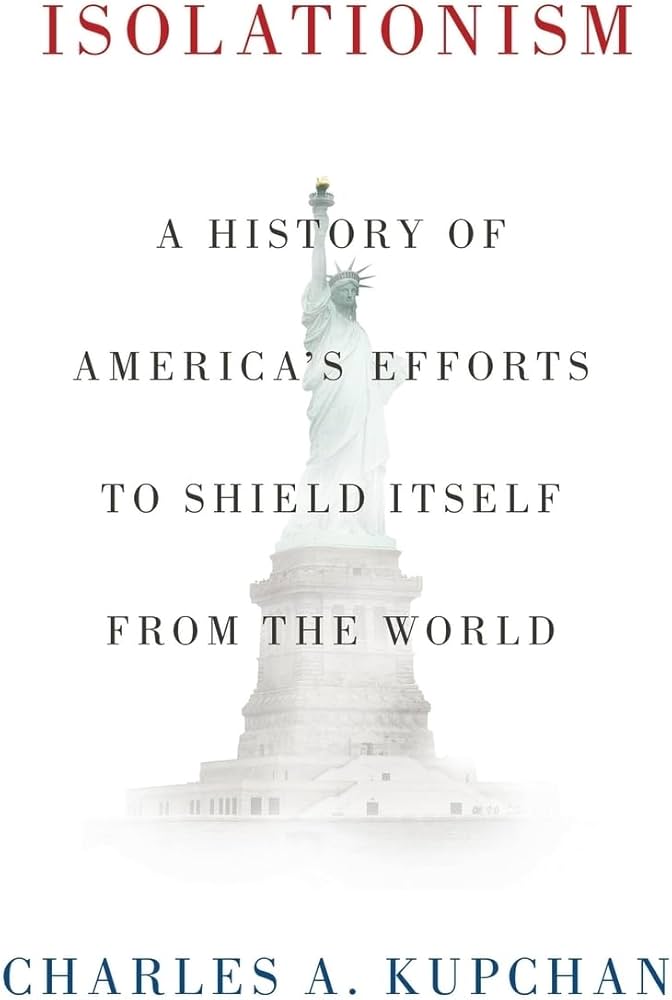
The United States of 1941 was not a nation looking for a war. The wounds of the First World War had never fully healed, and the American public had made its position clear. What happened in Europe and Asia was not America's concern. Isolationism was not just a political position. It was a deeply held national conviction, backed by powerful voices in government, business, and the press, that the oceans on either side of the continent were protection enough and that the blood of American sons should not be spent on foreign conflicts. Congress had passed a series of Neutrality Acts through the 1930s specifically designed to keep the country out of exactly the kind of war that was consuming the rest of the world.
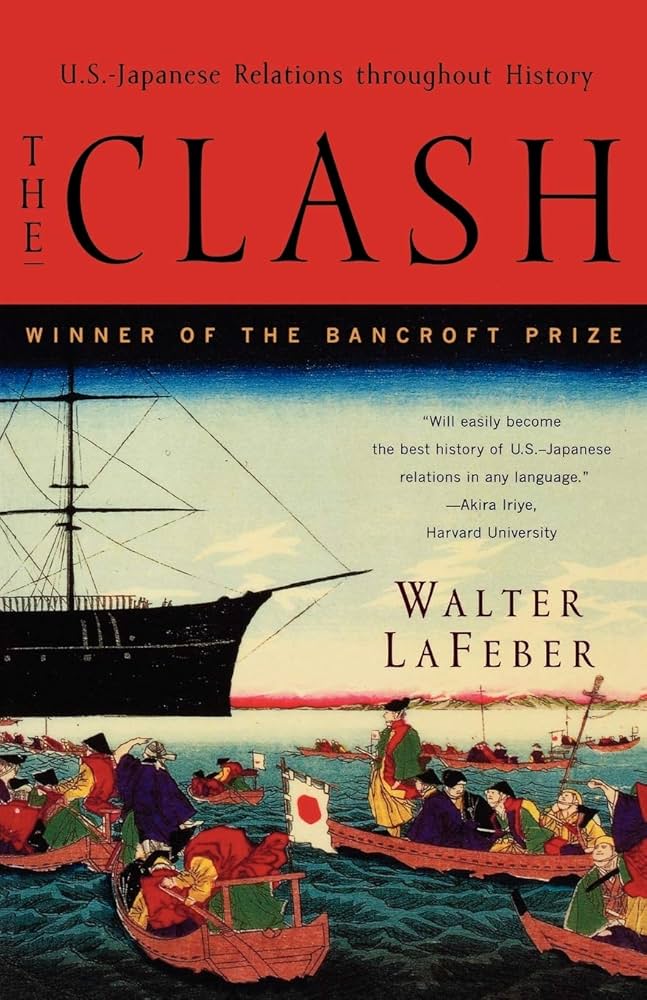
But beneath the surface of American neutrality, the pressures were building. Japan had been expanding aggressively across Asia and the Pacific for a decade, and the United States had responded with economic sanctions that were slowly strangling the Japanese war machine. Oil embargoes, steel restrictions, and the freezing of Japanese assets in America had pushed the relationship to the breaking point. Japan needed resources to sustain its empire and the United States was standing directly in the way of getting them. At the same time, Europe was burning. France had fallen, Germany controlled the continent, and Britain was fighting alone with resources it was rapidly exhausting. Roosevelt was quietly supplying Britain through the Lend Lease Act while publicly maintaining a position of neutrality that fewer and fewer people in Washington believed was sustainable. By the summer of 1941 the United States was not a neutral nation in any meaningful sense. It was a nation that had not yet found the reason it needed to stop pretending.
Books


YouTube

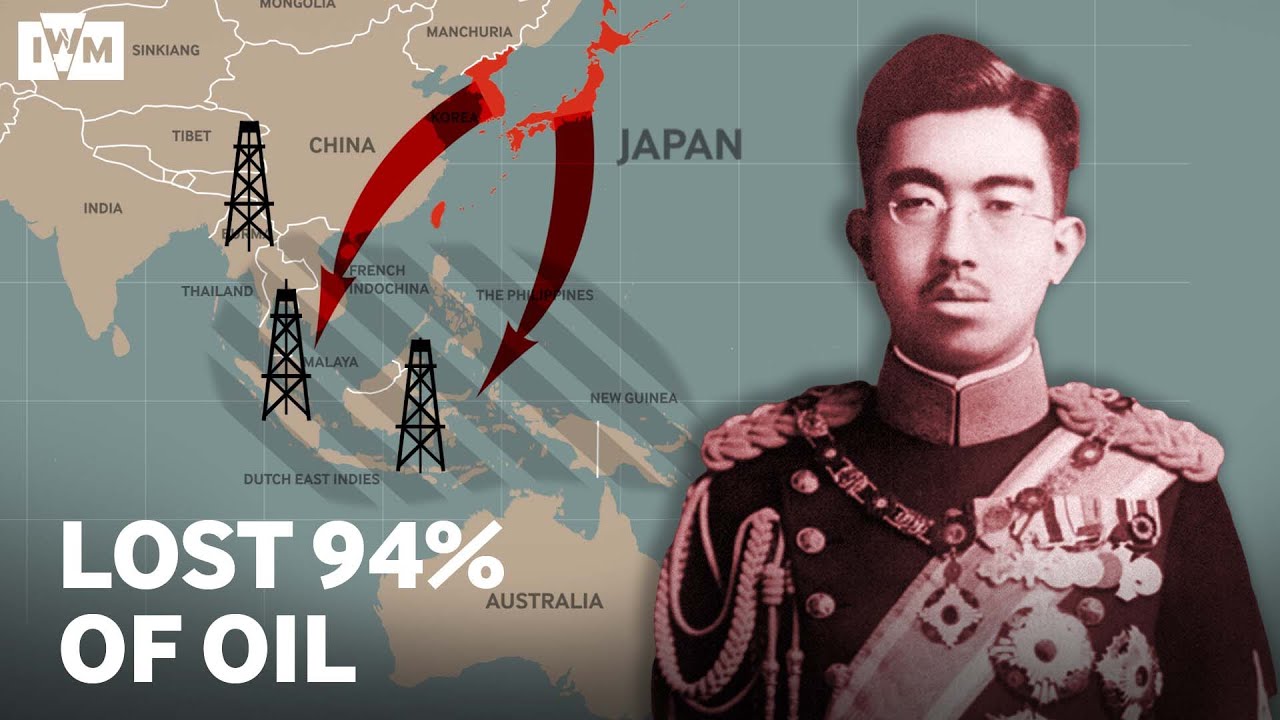
Documentaries/Movies
Stage 2
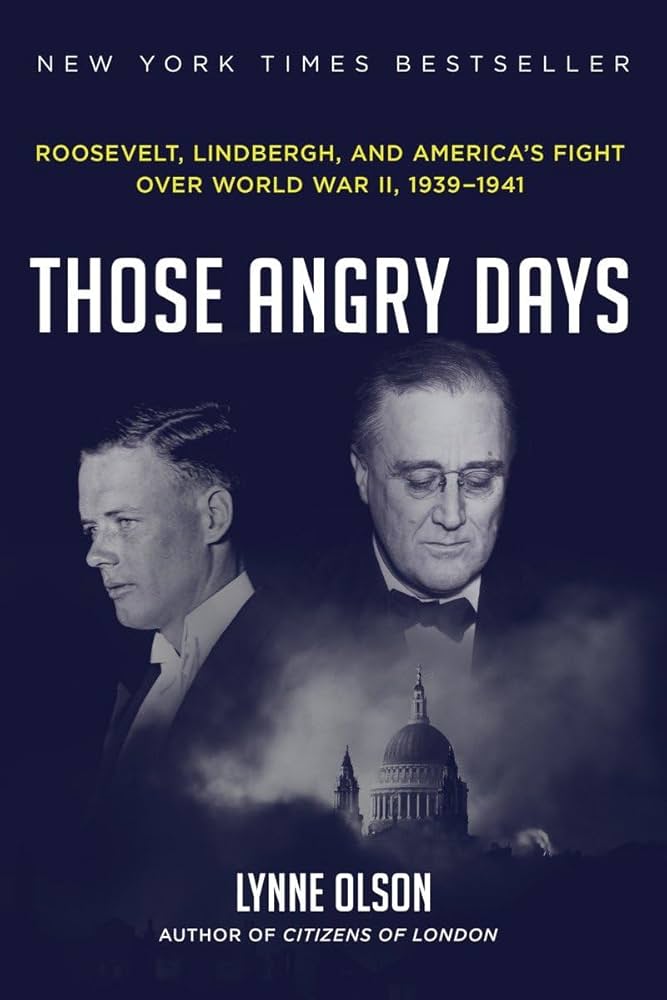
By 1941 Winston Churchill was a man running out of time. Britain had been at war for two years, the treasury was nearly empty, and Churchill knew with absolute clarity that Britain could not win alone. The only force capable of turning the tide was sitting on the other side of the Atlantic, protected by public opinion and a pacifist Congress. Getting America into the war was not a diplomatic priority for Churchill. It was a matter of national survival.
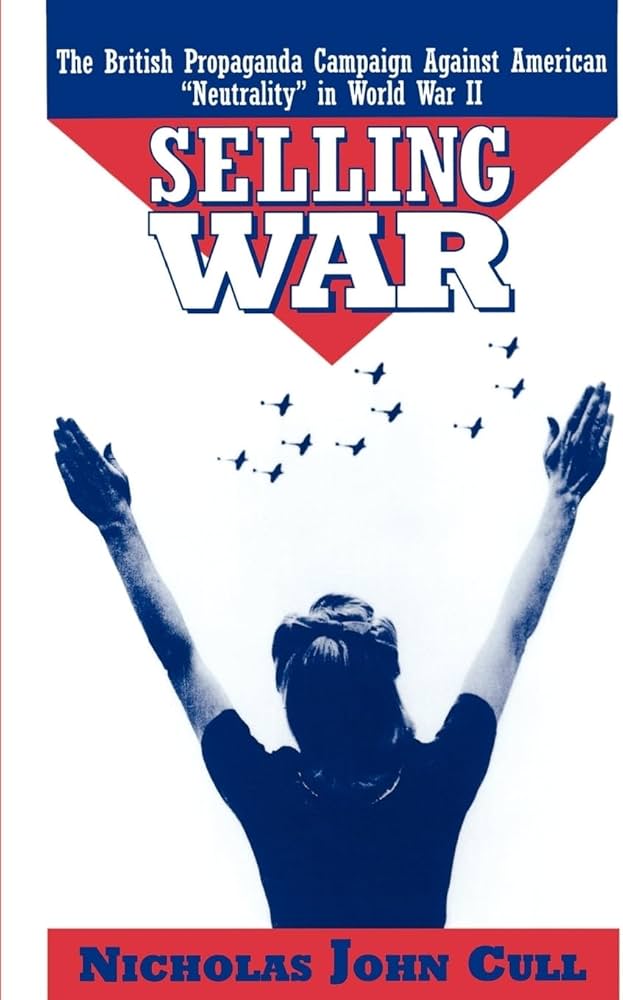
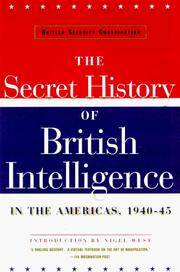
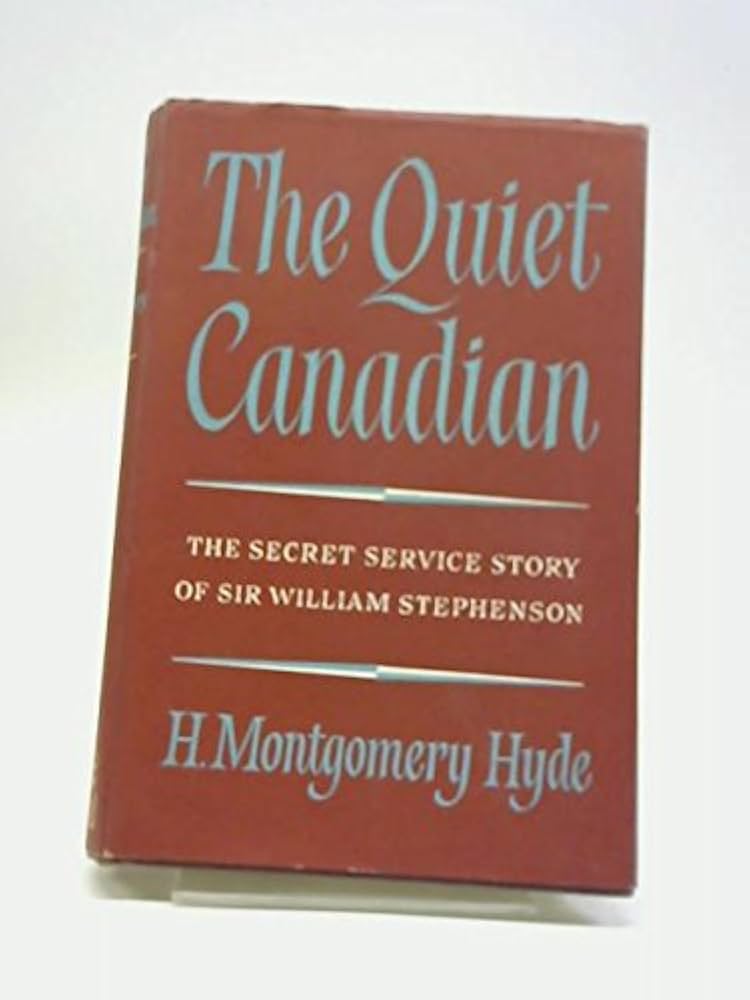
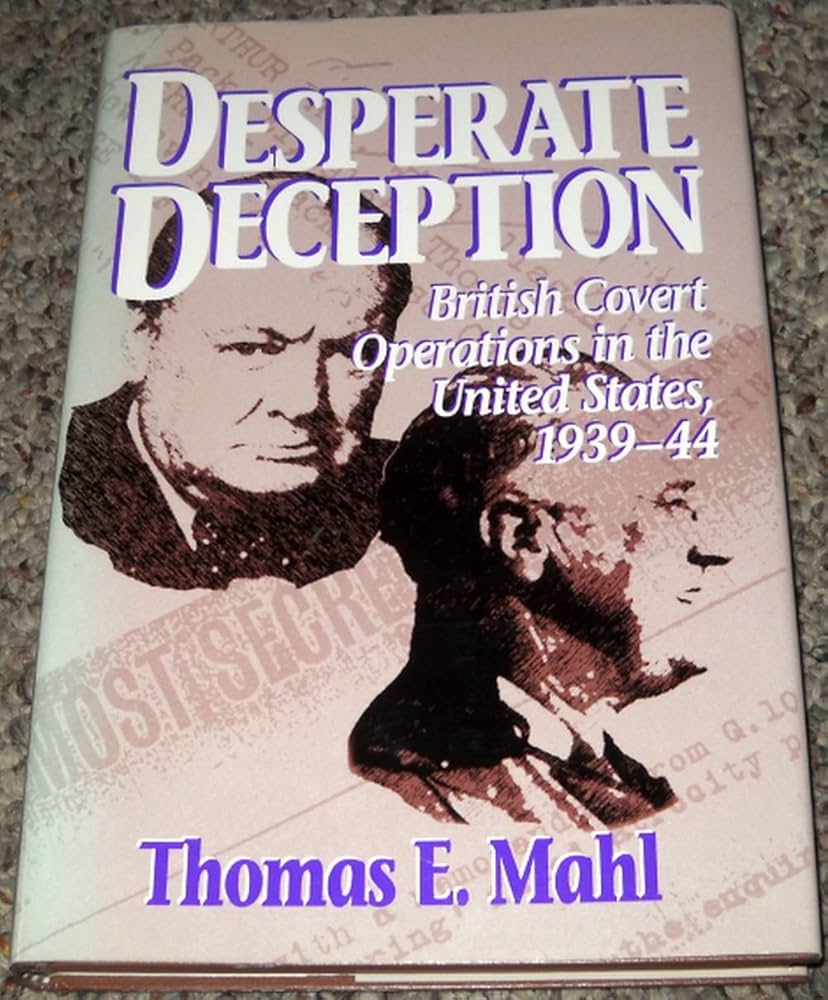
What most people do not know is that Britain was not waiting for American opinion to change on its own. Churchill had authorized the British Security Coordination, a covert intelligence operation run out of New York, whose mission was explicit: shift American public opinion toward intervention by any means necessary. It planted stories in newspapers, manipulated political figures, and ran influence operations on American soil that would have been considered espionage had they been conducted by any less friendly nation. The deeper question is what British intelligence knew about Japan. Britain was intercepting Japanese military communications across Asia by late 1941. Whether Churchill knew an attack on American assets was imminent, and whether that information was shared with Roosevelt or deliberately withheld, has never been fully resolved. What is known is that when the news of Pearl Harbor reached Churchill, he went to bed and slept the sleep of the saved and the thankful. It was not the reaction of a man who had been surprised.
Books
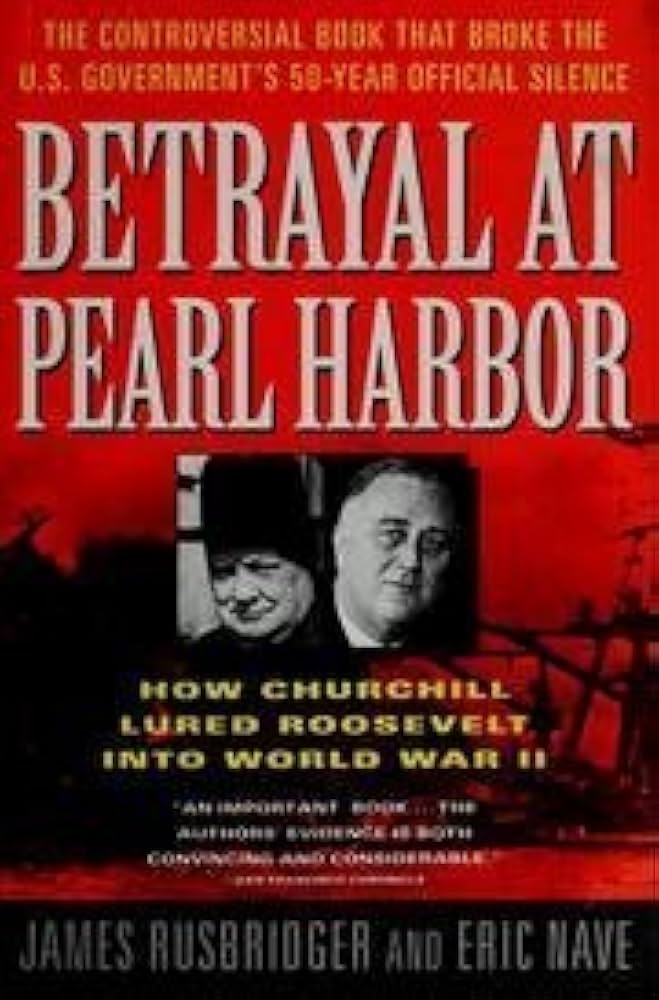
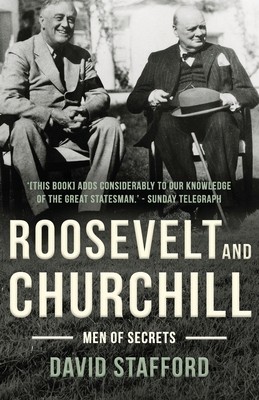
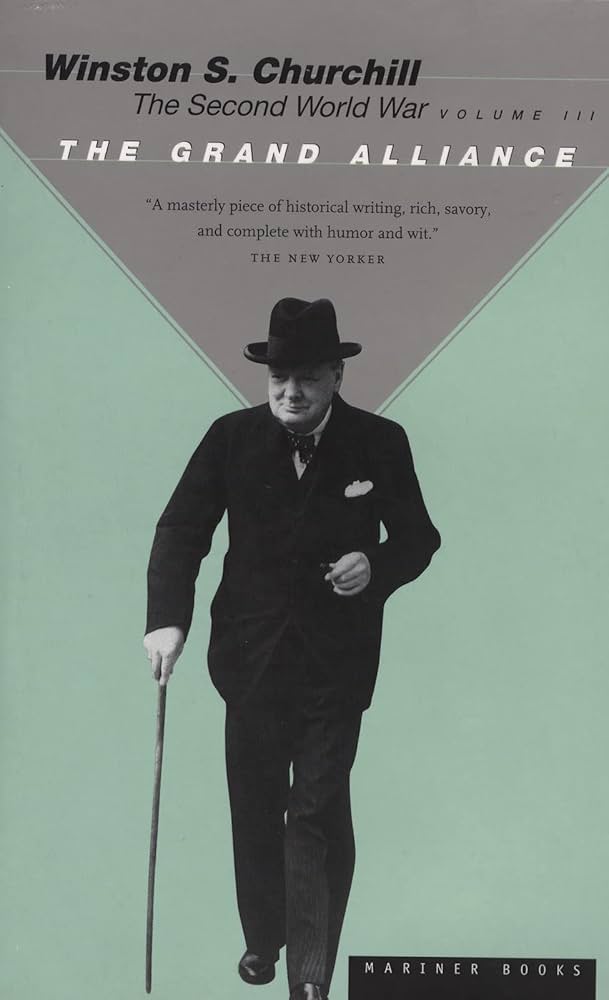
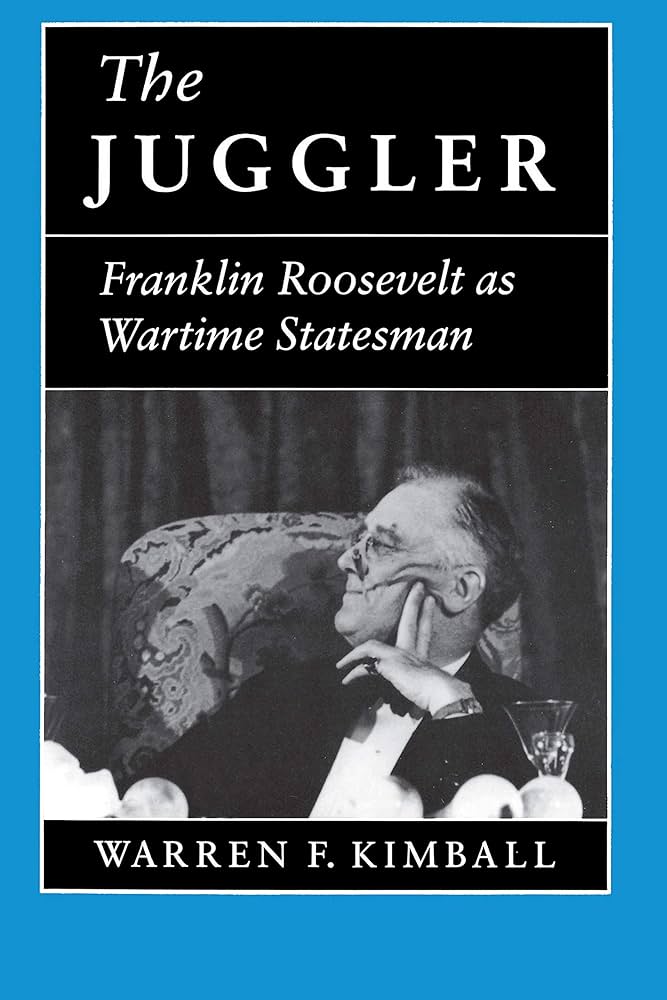
YouTube
Documentaries/Movies
Stage 3
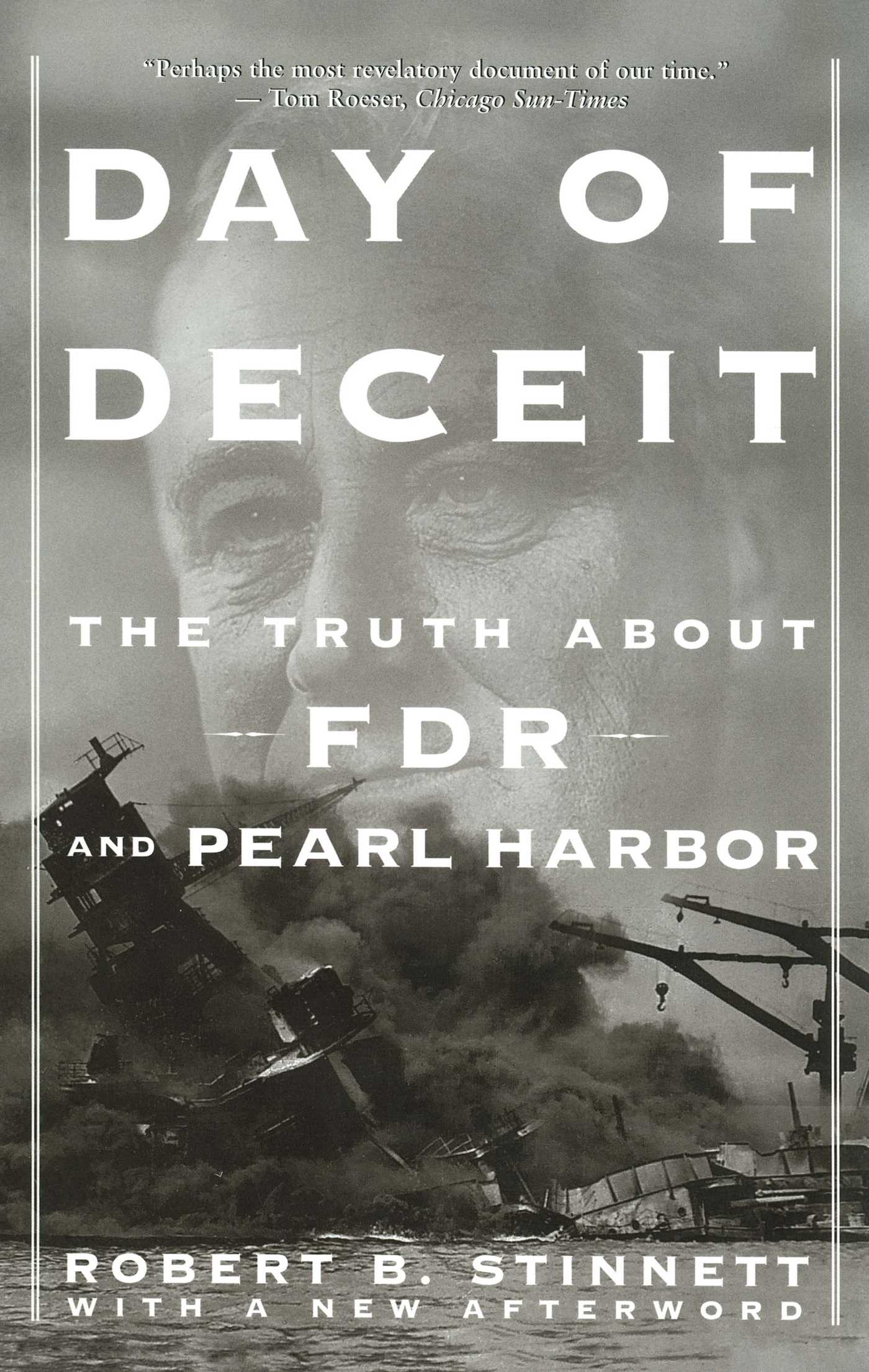
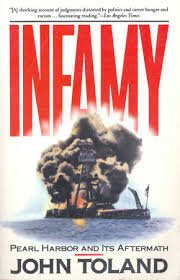
The attack on Pearl Harbor was not supposed to be a surprise. Not to everyone. By the fall of 1941 the United States had broken Japanese diplomatic and military codes and was intercepting communications that painted an increasingly clear picture of Japanese intentions. The signals were there. The warnings were there. What was missing, or what was deliberately absent, was the will to act on them. In the weeks leading up to December 7th a series of warnings arrived from multiple independent sources, a Dutch naval officer, Australian intelligence, a British agent in Tokyo, and a low level FBI informant in Hawaii, each pointing toward an imminent Japanese attack on American assets in the Pacific. Each was dismissed, ignored, or never forwarded to the people who needed to see it.
The movement of the fleet tells a different story than the one Washington offered. In 1940 Admiral James Richardson, commander of the Pacific Fleet, wrote directly to Roosevelt objecting to the relocation of his ships to Pearl Harbor. He argued the harbor was too shallow, too exposed, and too difficult to defend. He was relieved of command shortly after. His replacement moved the fleet to Pearl Harbor as ordered. And then, in the days before the attack, every aircraft carrier assigned to the Pacific Fleet was quietly moved out of the harbor on various pretexts. The ships left behind, the older battleships that bore the brunt of the Japanese attack, were by 1941 already considered strategically obsolete. The assets that survived were exactly the ones the United States would need to win the war that was about to begin.
Books
YouTube
Documentaries/Movies

Stage 4
The evidence assembled in the first three stages does not point to incompetence. It points to a decision. The decoded messages that never reached the right desks. The warnings from multiple independent sources that were dismissed without explanation. The admiral who objected to moving the fleet and was relieved of command. The aircraft carriers that were all, without exception, somewhere else on December 7th. Taken individually each has an official explanation. Taken together they describe a situation that was carefully managed rather than tragically mishandled.
The question is not whether Roosevelt knew. The evidence strongly suggests he did. The question is who else knew, who made the final call, and what they were promised in return. The financial interests that had been funding both sides of the European war had every reason to want America in the conflict. The industrial interests that would build the war machine had plants sitting idle and contracts waiting to be signed. The political figures who believed American isolationism was a dangerous fantasy had exhausted every legitimate avenue for changing public opinion. Pearl Harbor solved every one of those problems in a single morning.
What makes the Pearl Harbor conspiracy different from most is that the motive is not hidden. It is documented, institutional, and in retrospect almost embarrassingly obvious. The men who needed America in the war got America in the war. The mechanisms they used to get there, the intelligence failures that were not failures, the fleet movements that defied military logic, and the British operation running influence campaigns on American soil, all point in the same direction. History called it a surprise attack. The evidence suggests it was a solution.
Books
YouTube
Documentaries/Movies
Stage 5
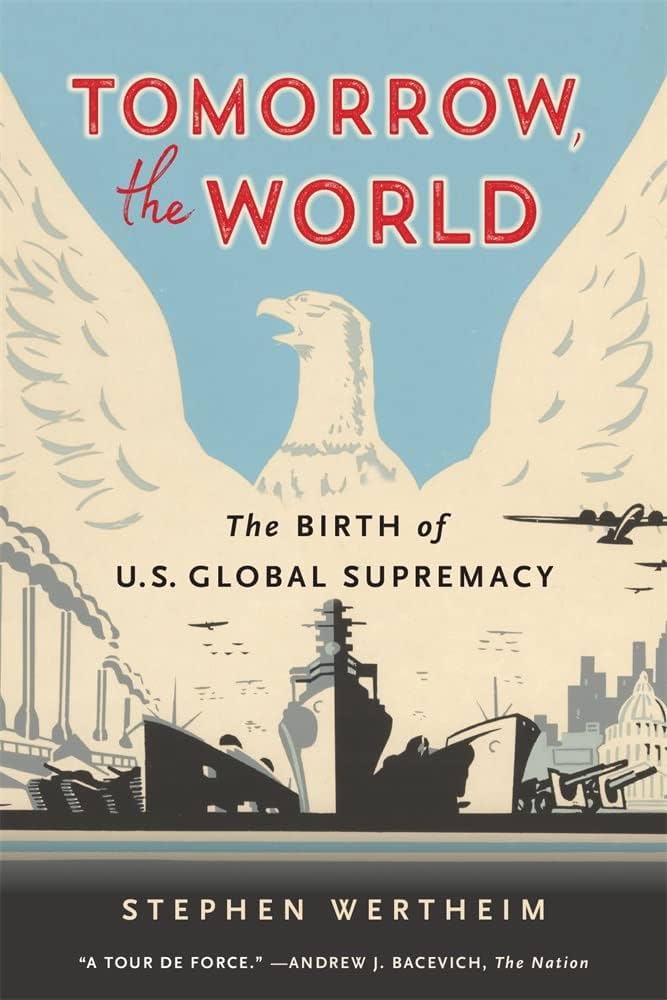
Whatever happened on the morning of December 7th 1941, the world that emerged from World War II bore no resemblance to the world that existed before it. The United States entered the war as a reluctant giant constrained by isolationism and a public that wanted no part of foreign conflicts. Four years later it emerged as something the world had never seen. The dominant military power on earth. The anchor of a new global economic system. The architect of institutions that would govern international relations, finance, and trade for the next century.
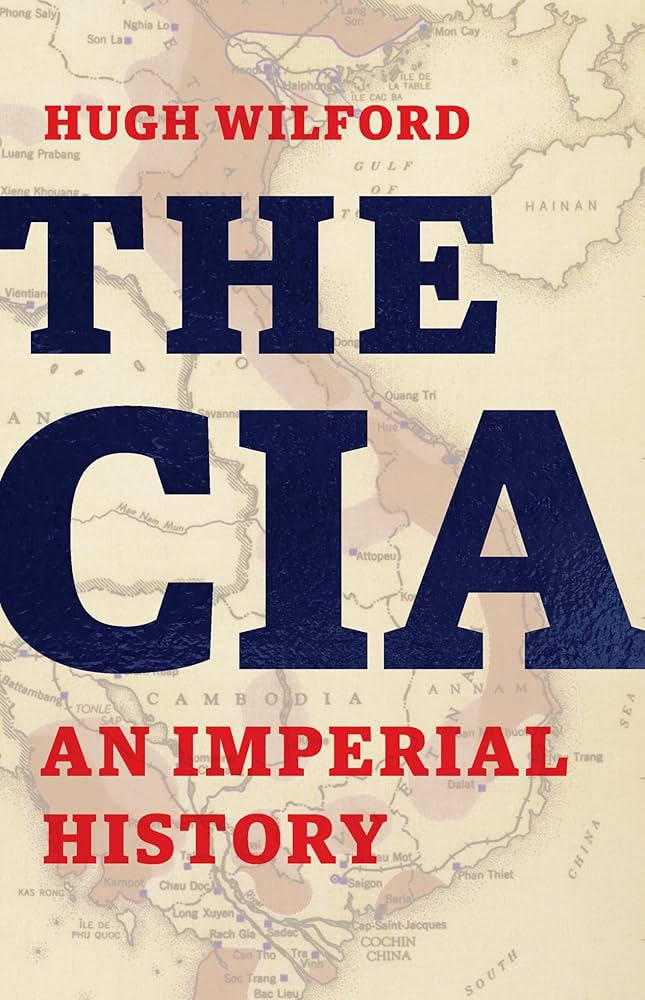
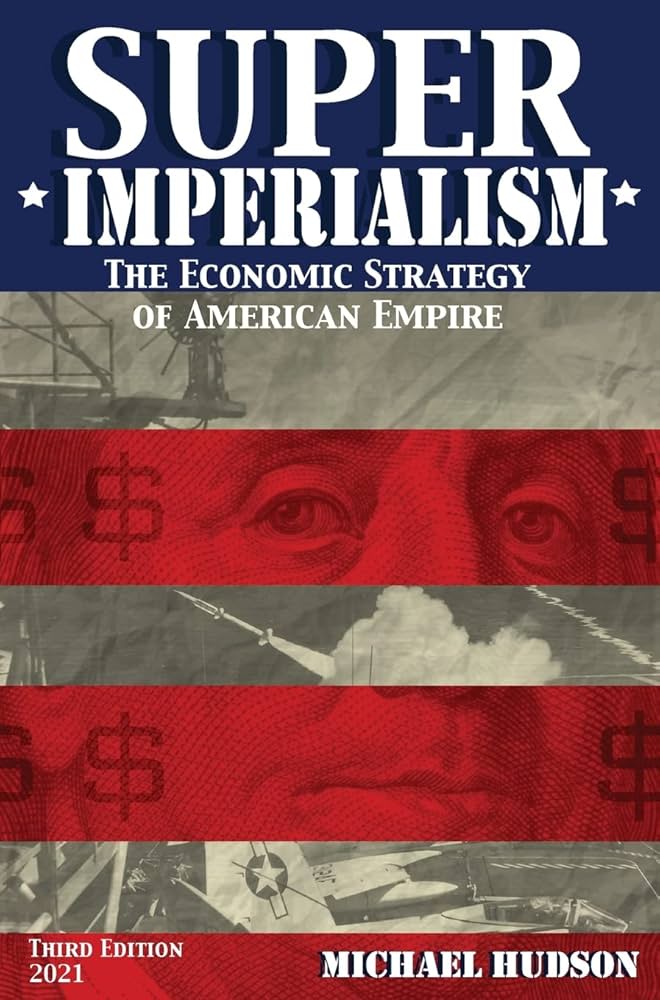
The post war architecture was not improvised. Bretton Woods made the American dollar the world reserve currency. The United Nations, the IMF, the World Bank, the CIA, and the state of Israel were all established within three years of the war ending, institutions and nations whose creation reshaped the entire global order. The Marshall Plan rebuilt Europe in America's image. And the war economy that had been constructed almost overnight was never dismantled. It became the military industrial complex that Eisenhower himself warned about in his farewell address. The institutions, the dollar dominance, and the permanent military apparatus that America accumulated in the decade after Pearl Harbor did not happen by accident. They were built by specific people with specific interests who understood exactly what American entry into the war would make possible. Whether Pearl Harbor was the spark that ignited all of it or the price that was paid for it is a question history has never been required to answer.
Books
YouTube
Documentaries/Movies
What is a Conspiracy Theory?
A conspiracy theory is an explanation for an event or situation that proposes a secret plot by powerful groups, usually operating outside of public knowledge or official narratives. At its core, it's the belief that what we're told isn't the whole story.
The term gets thrown around as a way to dismiss ideas without engaging with them, and that's not an accident. The phrase "conspiracy theory" was popularized by the CIA in the 1960s as a tool to discredit critics of the Warren Commission's findings on the JFK assassination. In other words, the label used to shut down conspiratorial thinking? That's kind of a conspiracy.
That's not to say every theory is true. Most aren't. But the history of the world is also full of actual conspiracies that were once dismissed as paranoid fantasy before being confirmed as fact. Knowing the difference between useful skepticism and a rabbit hole that never ends is exactly what this site is built for.
Are all Conspiracy Theories True?
A conspiracy theory is an explanation for an event or situation that proposes a secret plot by powerful groups, usually operating outside of public knowledge or official narratives. At its core, it's the belief that what we're told isn't the whole story.
The term gets thrown around as a way to dismiss ideas without engaging with them, and that's not an accident. The phrase "conspiracy theory" was popularized by the CIA in the 1960s as a tool to discredit critics of the Warren Commission's findings on the JFK assassination. In other words, the label used to shut down conspiratorial thinking? That's kind of a conspiracy.
That's not to say every theory is true. Most aren't. But the history of the world is also full of actual conspiracies that were once dismissed as paranoid fantasy before being confirmed as fact. Knowing the difference between useful skepticism and a rabbit hole that never ends is exactly what this site is built for.
Do I need to read or watch all of the Suggested Content?
No. The guides are designed to be comprehensive, not mandatory. We cast a wide net on purpose, to cover as many angles, perspectives, and voices as possible so the full picture of each subject is available to you.
That said, if you want to go deeper on a specific corner of a topic, the resources are there for exactly that.
If you're looking for the most direct path through a guide, keep an eye out for resources highlighted in yellow. Those are the ones we consider essential for that stage: the pieces that will do the most work in building your understanding. Think of them as the must reads, and everything else as the deeper dive.
Is the existing content final for each Conspiracy?
Not at all. Each guide is a living document. We are constantly looking to improve, update, and expand the content. There may be a book or video we missed, a perspective we haven't covered, or new information that changes the conversation entirely. If it makes a guide better, we want it in there.
Will there be more Conspiracies added?
Of course. There will always be events where the official story and the available facts don't quite line up, and those gaps are worth exploring. Some conspiracies have decades of research and documentation behind them while others are still taking shape, so the depth of each guide will naturally vary.
If there is a conspiracy you feel passionate about and don't see covered here, get in touch. We will do our best to give it the attention it deserves.
Should I trust all of the sources?
That is entirely up to you. Conspiracy research is naturally confrontational territory. You will encounter conflicting facts, competing narratives, and personalities who do not agree on much. Part of the work is learning to distinguish what is documented fact from what is speculation, interpretation, or agenda.
With that said, it is worth keeping in mind that YouTube videos and documentaries tend to be where you will find the most exaggeration and creative fact interpretation. That does not make them without value, some of the most important voices in this space live there, but it does mean your critical eye needs to be sharper. Read, watch, compare, and decide for yourself.
Note: We do include movies that aren’t necessarily academic but are dramatic versions of the events, providing an artistic view of actual events. Doesn’t hurt to have some fun while we learn!
What order should I tackle the Conspiracies?
There is no wrong entry point. Start with whatever subject you find most interesting or compelling and go from there.
That said, you may notice as you work through the guides that many conspiracies share overlapping stories, characters, and timelines. This is by design, not coincidence. A book you read for one guide may end up being essential context for three others. For example, several conspiracies trace their roots to the same era surrounding the formation of the CIA, so the foundational material you pick up early will carry further than you might expect.
In that sense, the more guides you work through, the more connected everything starts to feel.