Moon Landing
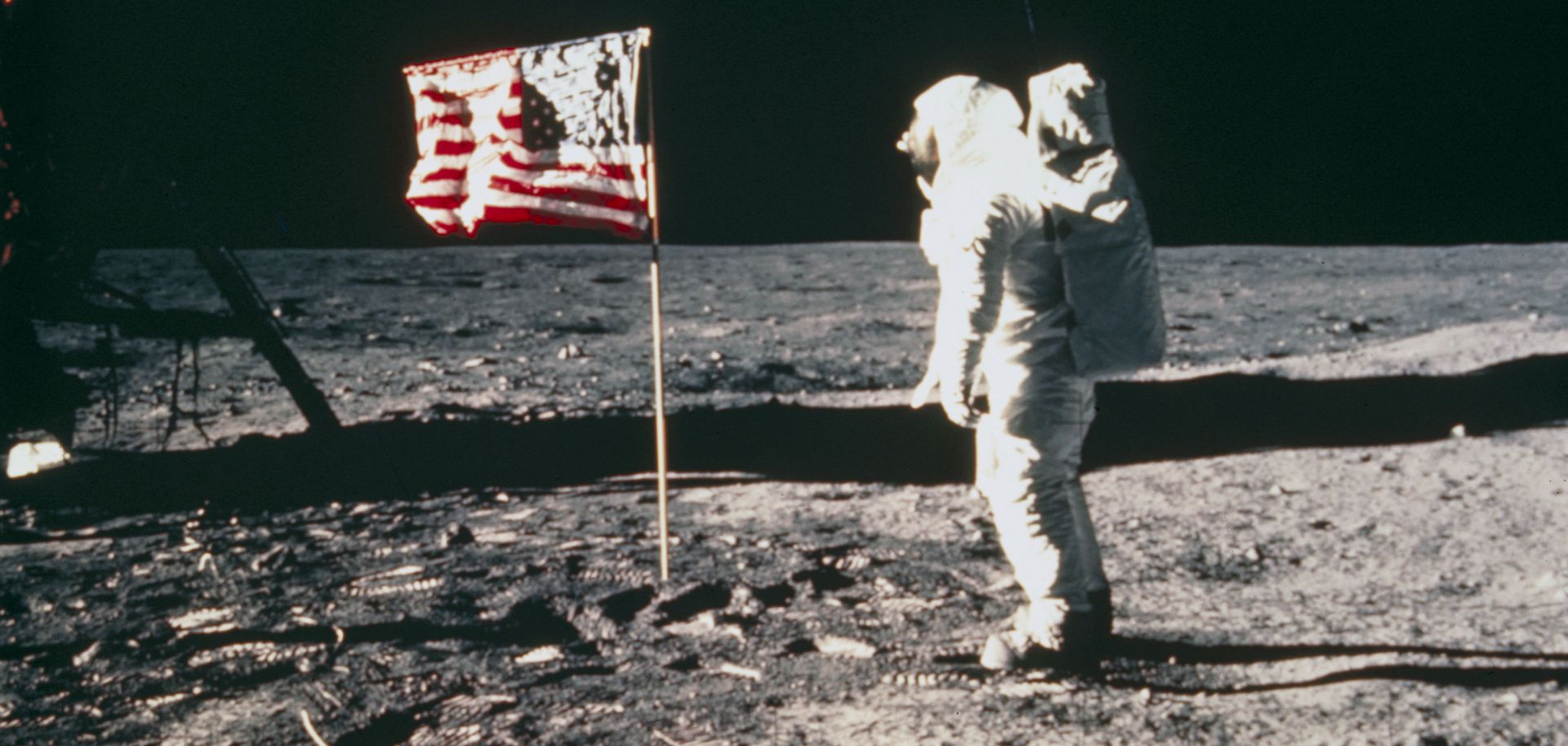
On July 20th 1969, an estimated 600 million people gathered around television sets across the world to watch Neil Armstrong step onto the surface of the moon. It was the single most watched broadcast in human history at that point. A moment so large, so impossible, and so perfectly timed that it seemed almost too good to be true. The United States had done it. Eight years after John F. Kennedy had made the promise, and in the same decade he had set as the deadline, America had beaten the Soviets to the moon and proven to the world that democracy, capitalism, and American ingenuity were the superior forces in the most consequential competition in human history. The footage was broadcast live. The astronauts came home. The flags were planted. And the world believed every second of it.
Not everyone did. Almost immediately after the broadcast, questions began to surface that NASA has never fully answered. How did the astronauts survive passing through the Van Allen radiation belts, a zone of intense radiation that should have delivered a lethal dose to anyone passing through without shielding that the Apollo spacecraft did not carry? Why does the flag appear to wave in an environment with no atmosphere? Why are there no stars visible in any of the photographs taken on the lunar surface? Why did NASA lose the original telemetry data from the most important mission in human history? And why, more than fifty years later, has no nation returned to the moon with the technology that was supposedly available in 1969?
What the moon landing conspiracy ultimately asks is a question about the nature of trust. We believed it because we were told to believe it, because the footage was there, because the astronauts were heroes, and because the alternative was too uncomfortable to consider. But the footage was produced by the same government that was simultaneously lying to the American public about Vietnam, conducting secret mind control experiments on its own citizens, and running covert operations across the globe that would not be revealed for decades. The question is not whether NASA put men on the moon. The question is whether we have ever been given a single verifiable reason to take their word for it.
Stages
01
The Space Race
What was the broader Cold War context that made the Space Race so much more than a scientific competition?
How did the Soviet Union's early dominance in space affect the political and military calculations in Washington?
What did Kennedy's declaration to reach the moon before the end of the decade reveal about how desperate America was to win?
02
The Technology
Was the technology available in 1969 actually capable of reaching the moon and returning safely?
What are the Van Allen radiation belts and why do they matter?
If the technology existed in 1969, why has no nation returned to the moon in over fifty years?
03
The Official Account
What exactly did NASA claim happened during the Apollo 11 mission from launch to splashdown?
How was the Apollo 11 mission documented and what happened to that documentation afterward?
How does an agency that documented every stage of the mission lose the original footage?
04
The Conspiracy
What specific anomalies in the photographic and video evidence suggest the moon landing may have been staged?
What was Stanley Kubrick's connection to NASA and what evidence links him to the production of the Apollo footage?
If the moon landing was staged, who had the means, the motive, and the technical capability to pull it off?
Stage 1
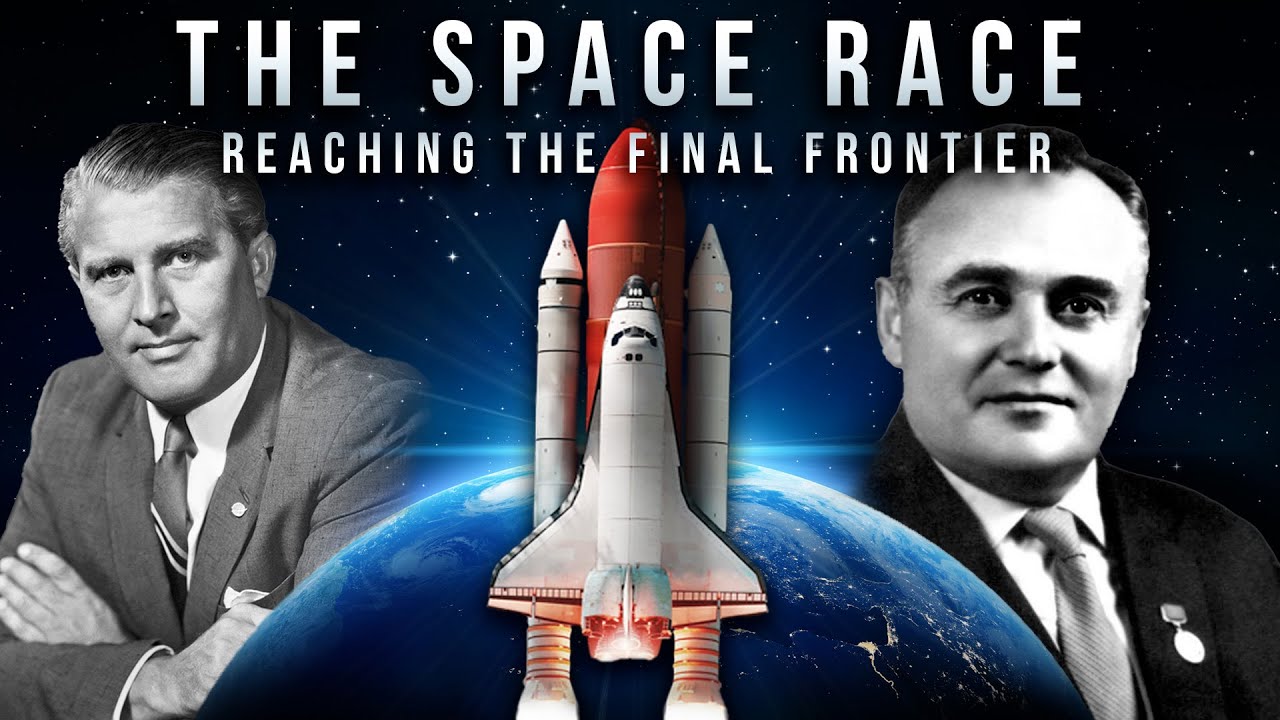
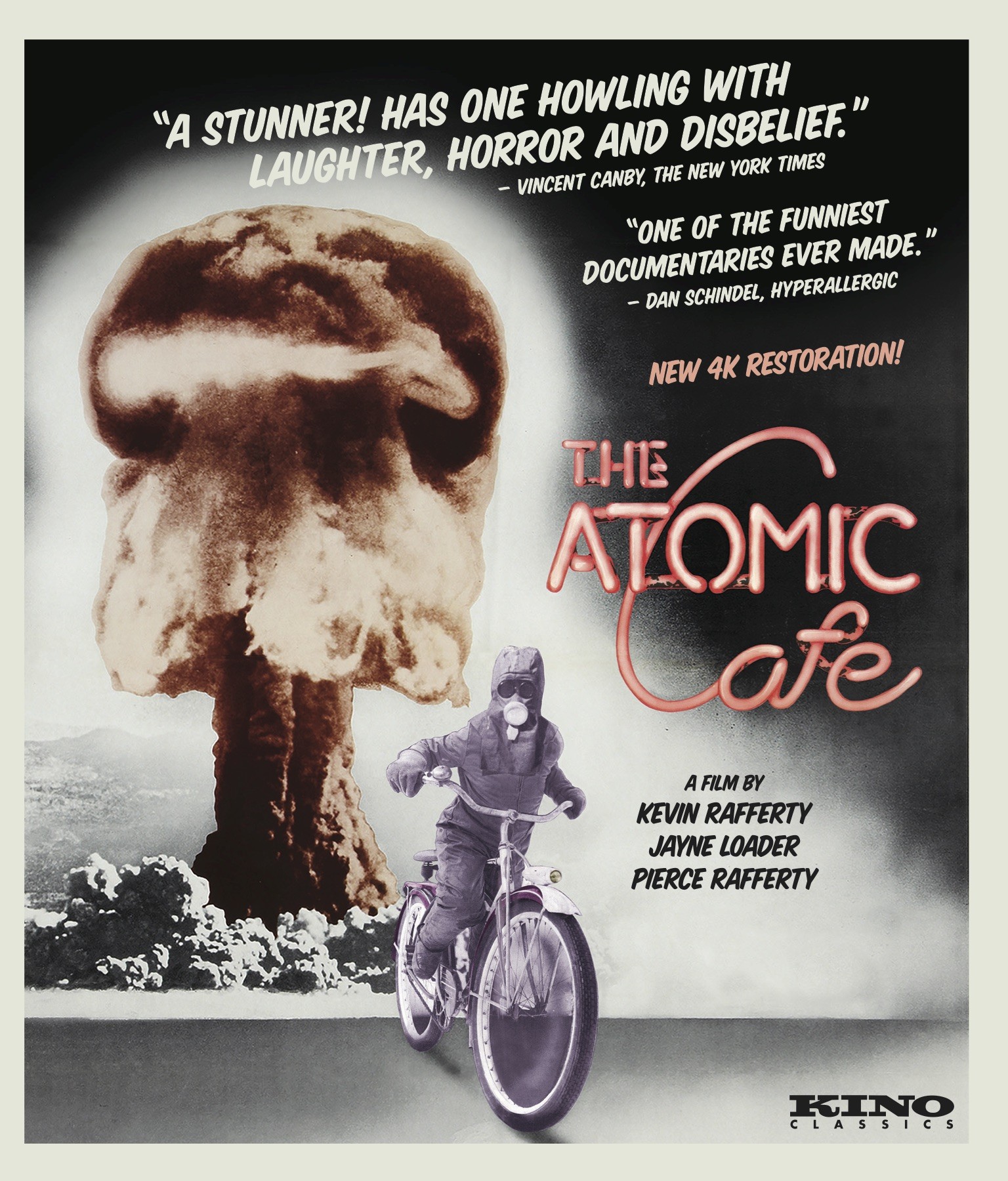
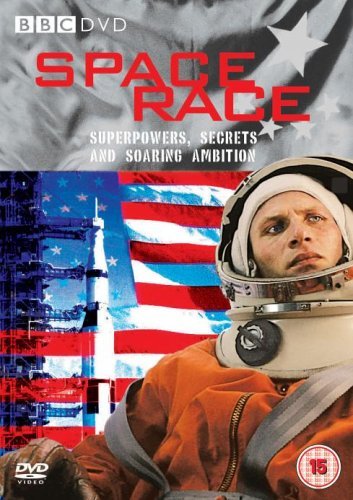
The space race was never really about space. It was about survival. When the Soviet Union launched Sputnik in October 1957, the first artificial satellite to orbit the earth, the reaction in Washington was not wonder. It was panic. If the Soviets could put a satellite into orbit, they could put a nuclear warhead anywhere on the planet. The psychological impact was immediate and profound. The most powerful nation on earth had just been told, in the clearest possible terms, that it was losing the most important competition in human history.
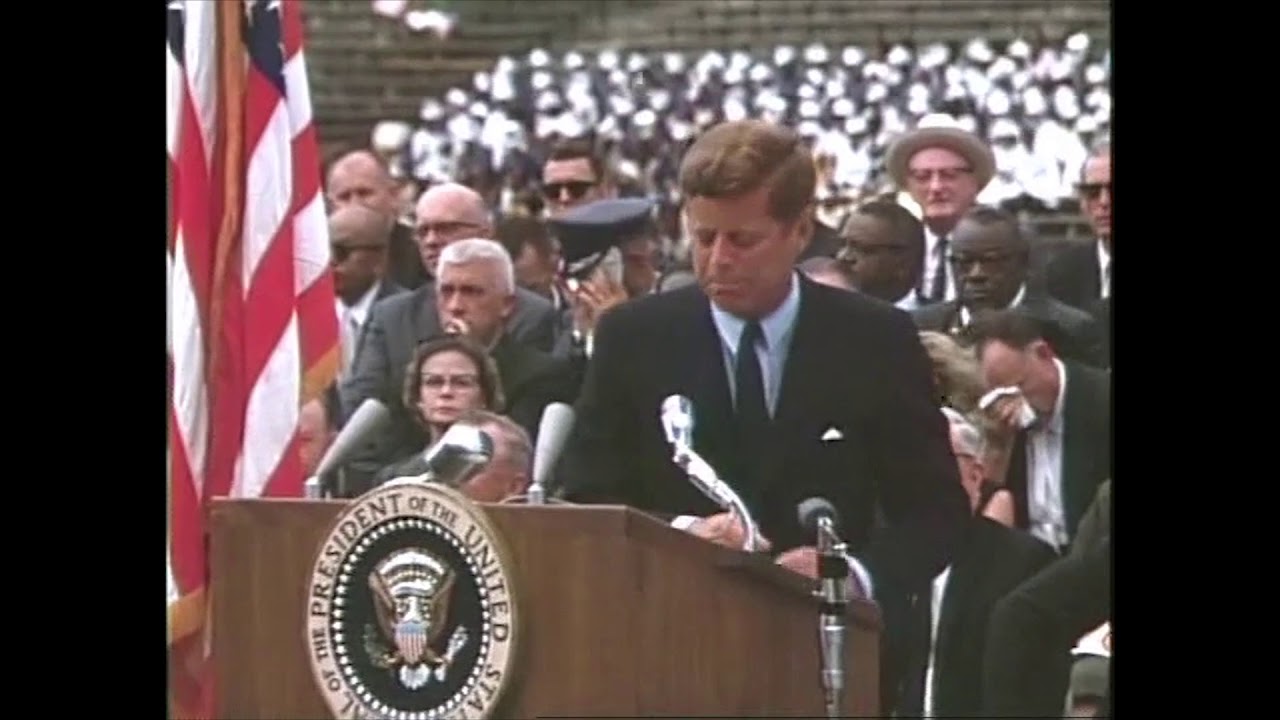
But the Space Race was only the most visible front in a war being fought on every surface of the globe simultaneously. Korea, Vietnam, Berlin, Cuba, and dozens of proxy conflicts across Africa and Latin America were all battles in the same ideological struggle between capitalism and communism for the future of the world. Every Soviet achievement in space was broadcast as proof that communism was the superior system. Every American failure was amplified as evidence of democratic weakness. When Kennedy committed the United States to reaching the moon before the end of the decade, he was not making a scientific declaration. He was making an ideological one. The moon was not the destination. Winning was. And by 1969 the cost of losing had become too high for anyone in Washington to contemplate.
Books


YouTube

Documentaries/Movies
Stage 2
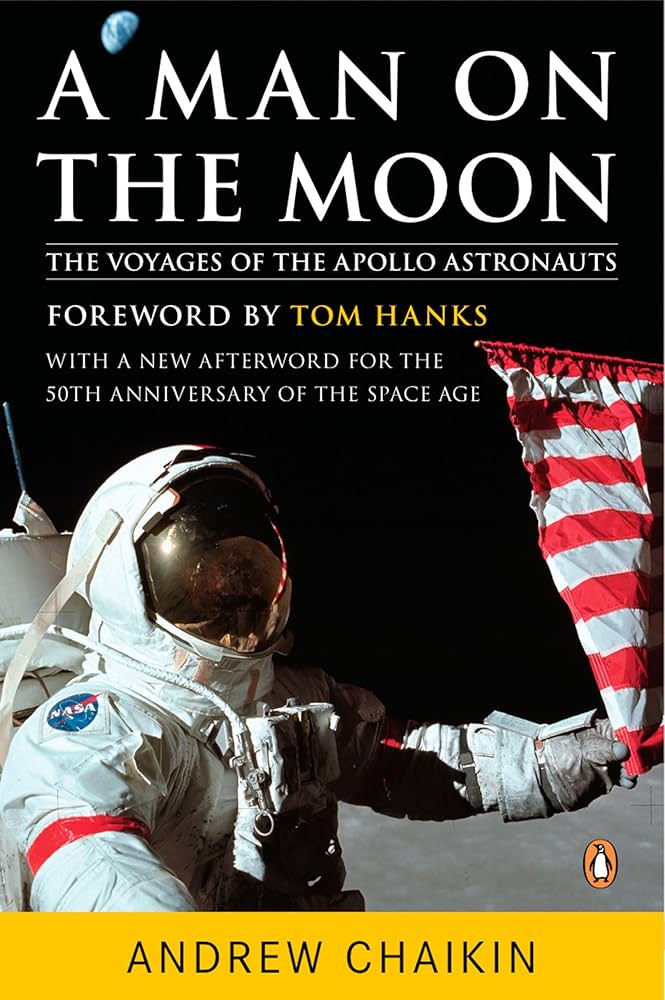
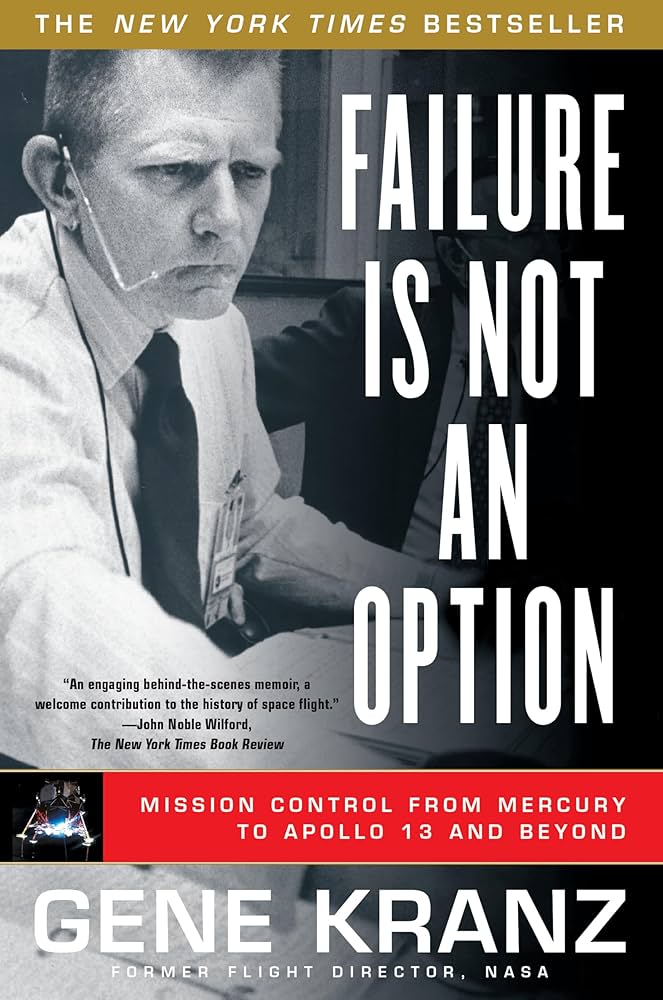
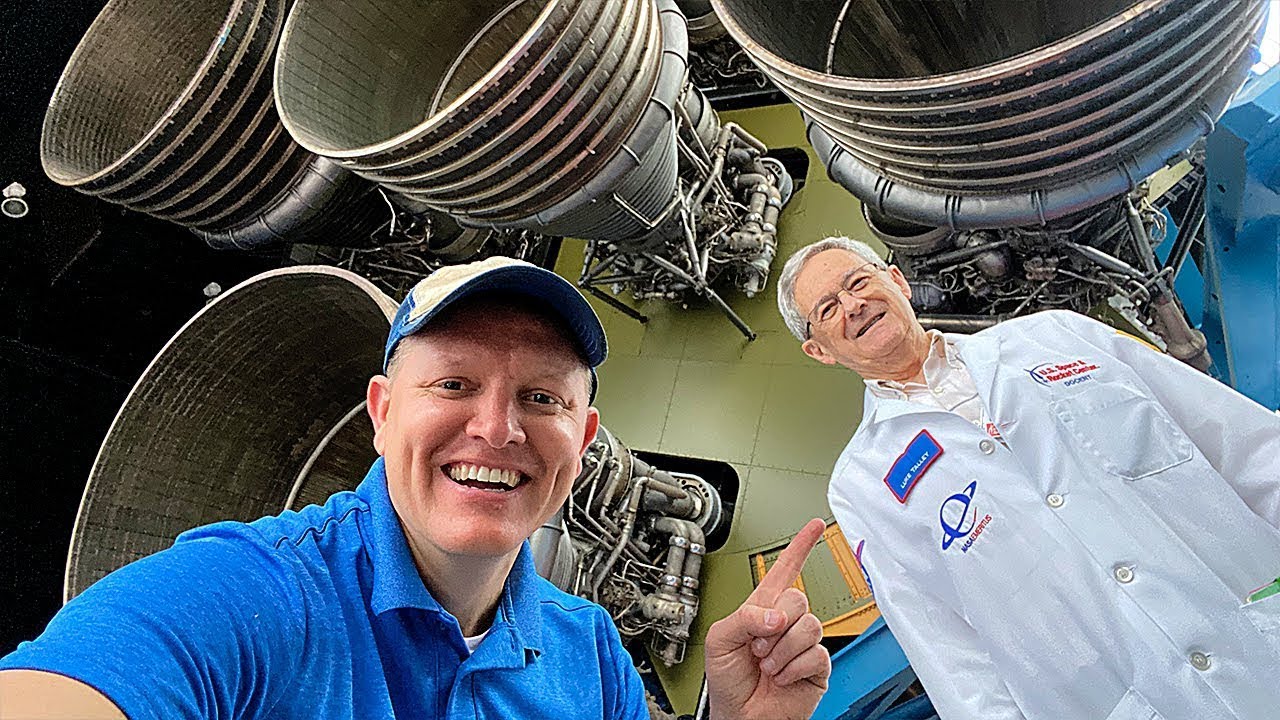
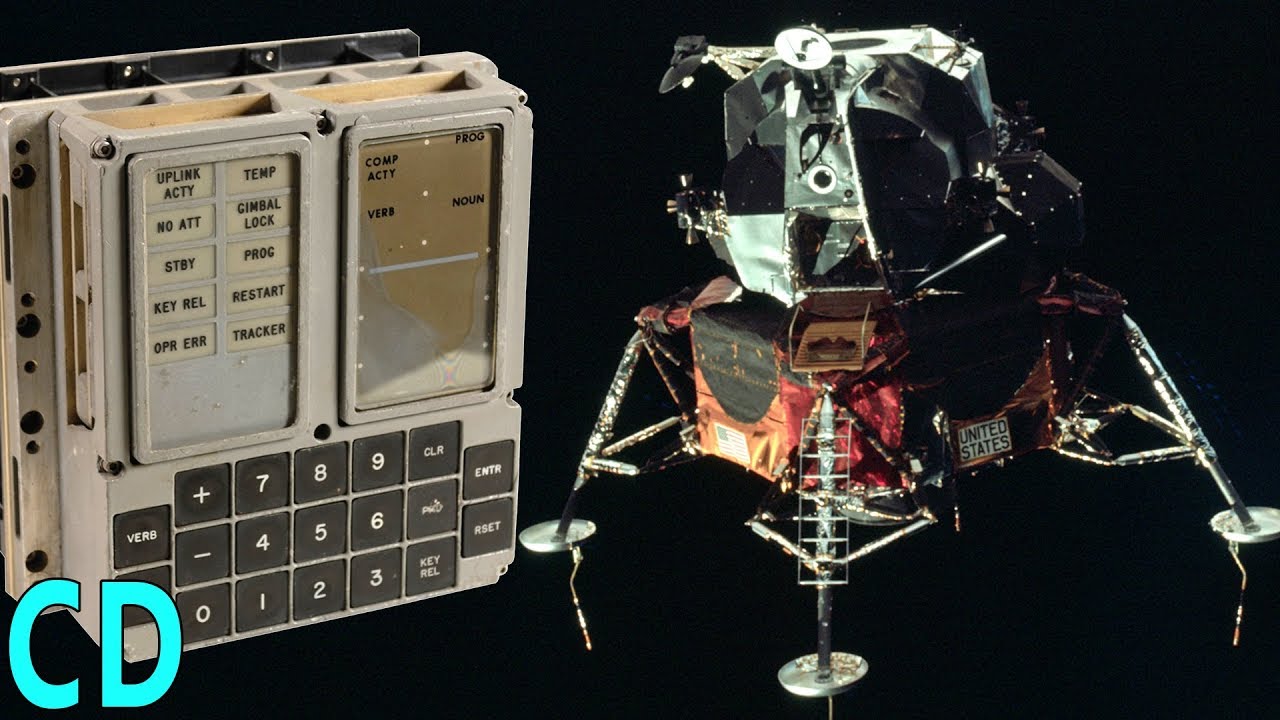
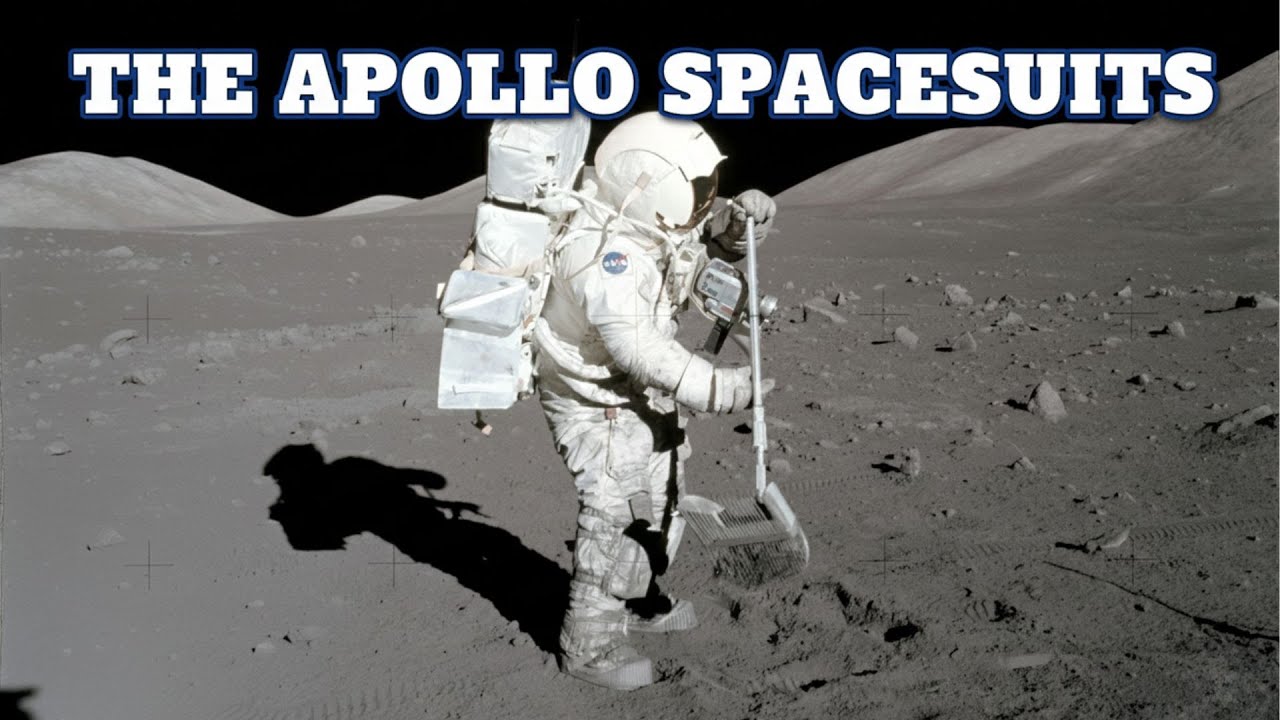
The technology that allegedly put men on the moon in 1969 is worth examining closely. Not because the engineers and scientists of NASA were not brilliant, they were, but because the gap between what was achievable and what the mission claimed to have achieved has never been satisfactorily closed. The computers aboard the Apollo spacecraft had less processing power than a modern pocket calculator. The suits were expected to protect astronauts from temperature swings of hundreds of degrees, micrometeorite impacts, and radiation levels that no fabric has ever reliably blocked. And the Saturn V rocket was tested a handful of times before being trusted with human lives on the most complex mission ever attempted.
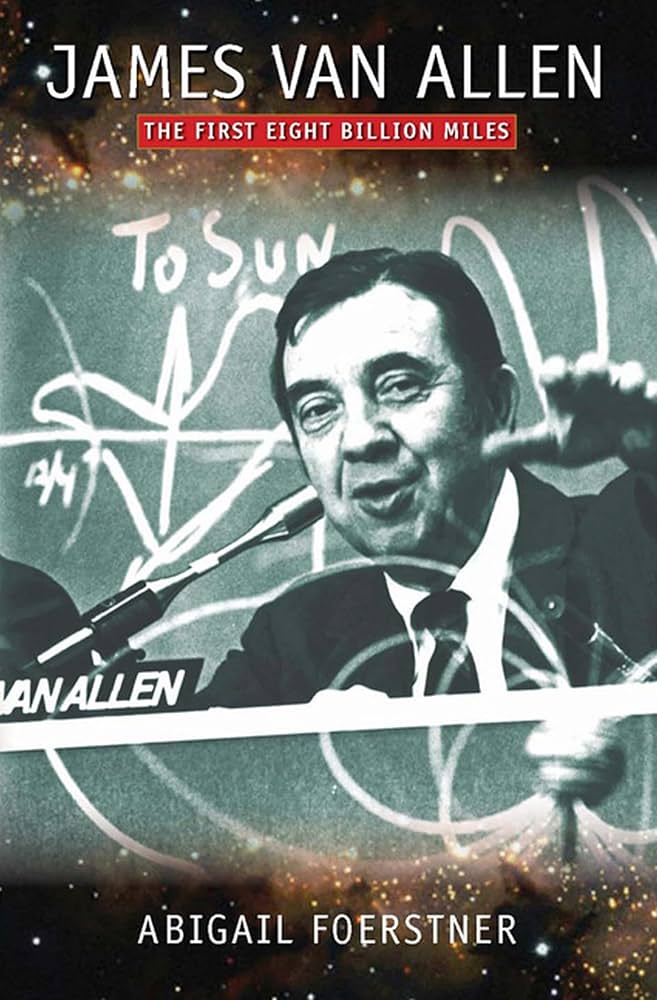
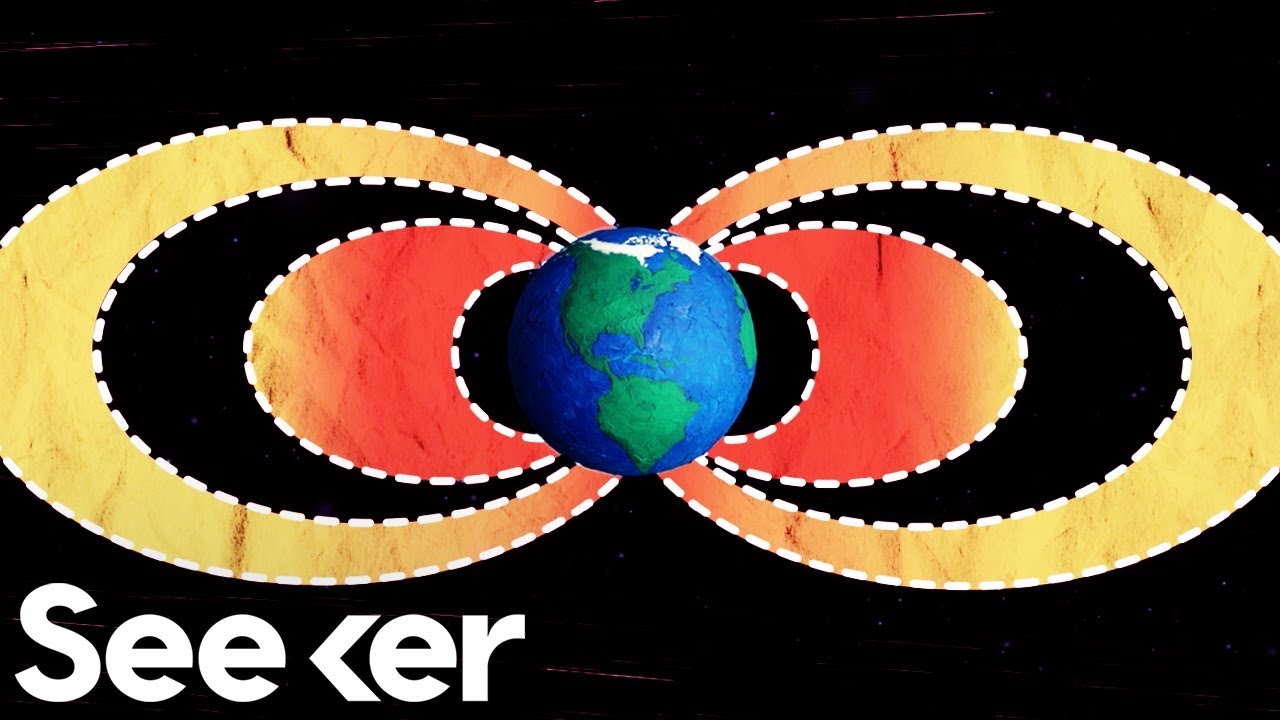
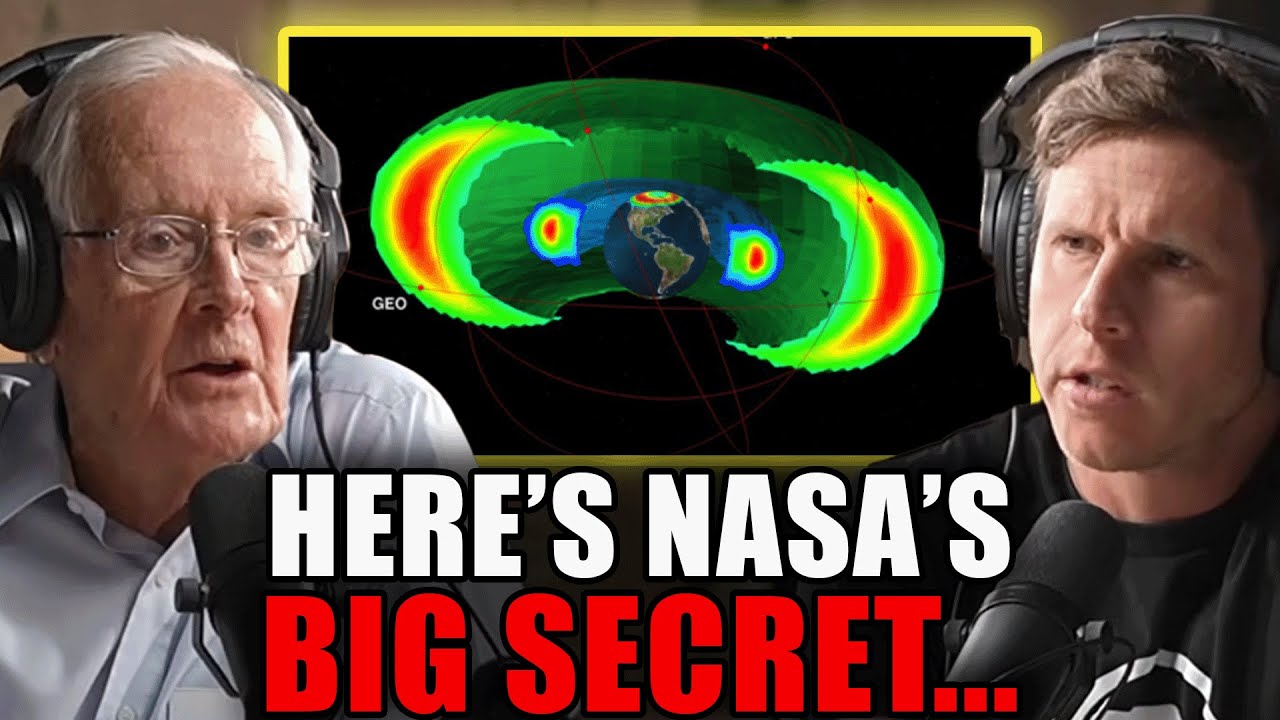
The Van Allen radiation belts present a problem NASA has never fully explained. Two zones of intense radiation encircling the earth, passing through them would have exposed the astronauts to potentially lethal doses without shielding far heavier than anything the Apollo spacecraft carried. In 2014 NASA engineer Kelly Smith stated on camera that solving the radiation problem was something they would have to address before sending humans beyond low earth orbit. The Apollo missions allegedly passed through the belts six times between 1969 and 1972. How they survived has never been adequately explained.
Books
YouTube
Documentaries/Movies
Stage 3
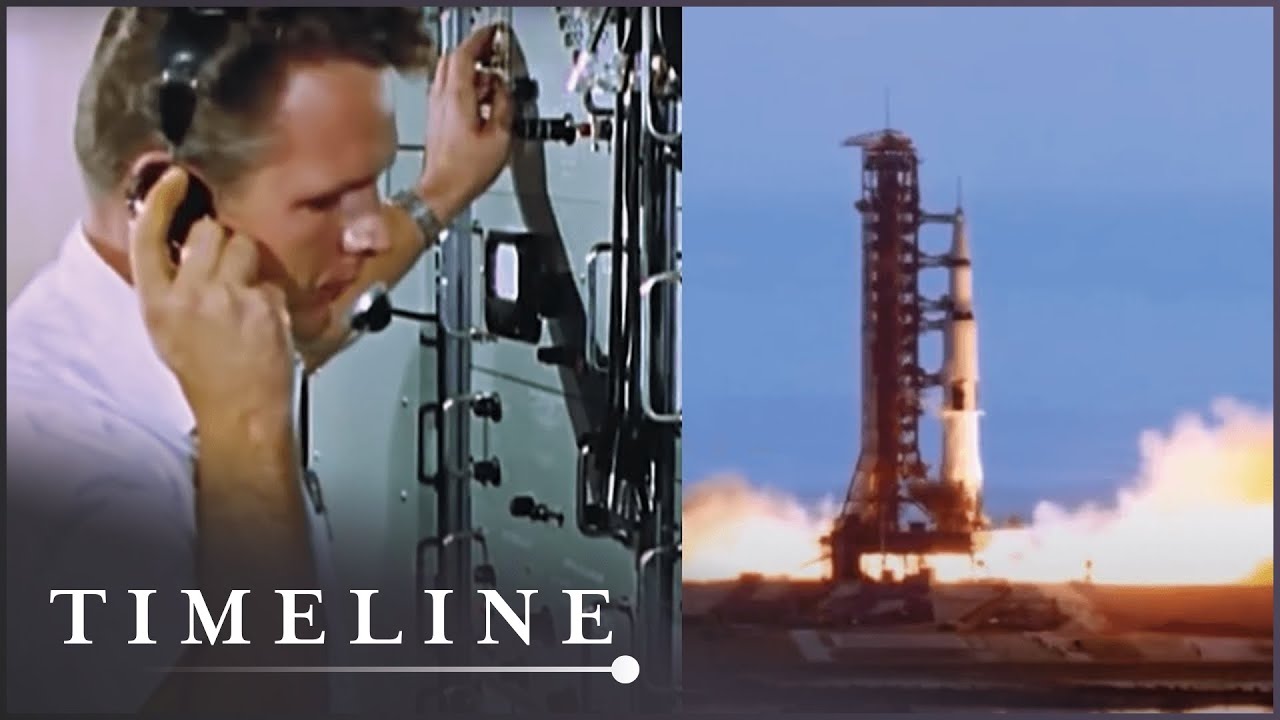
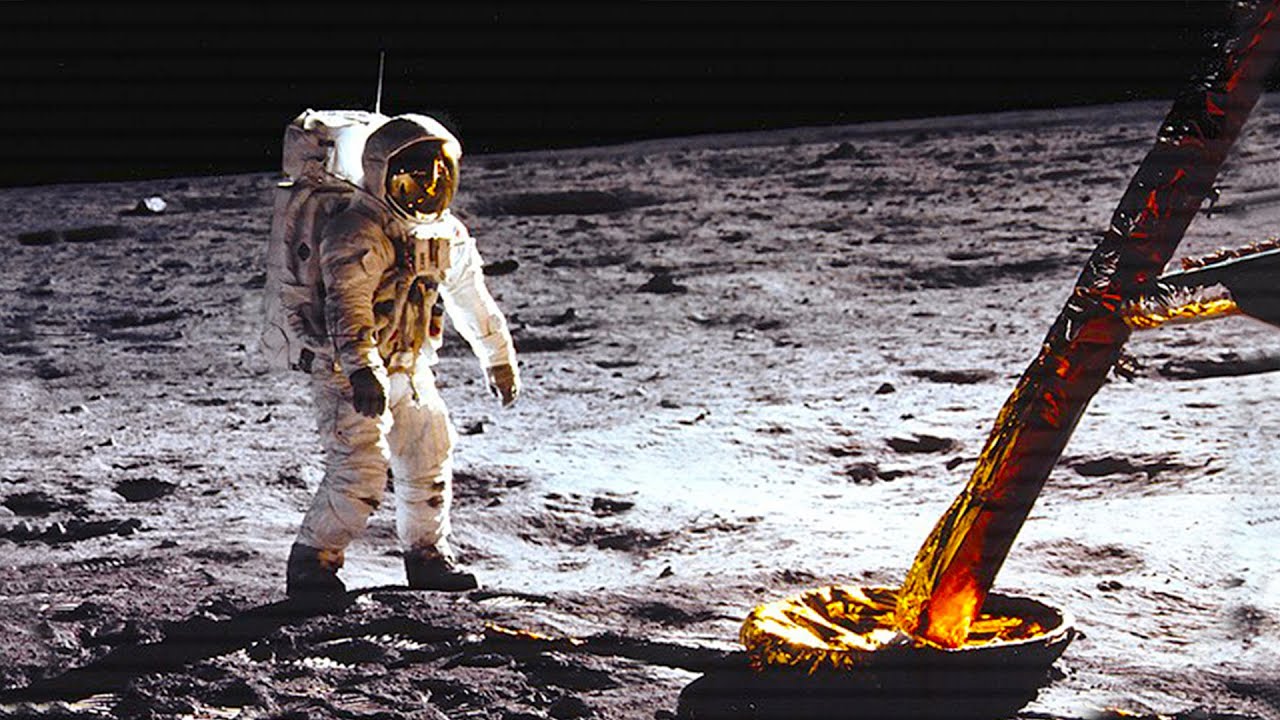
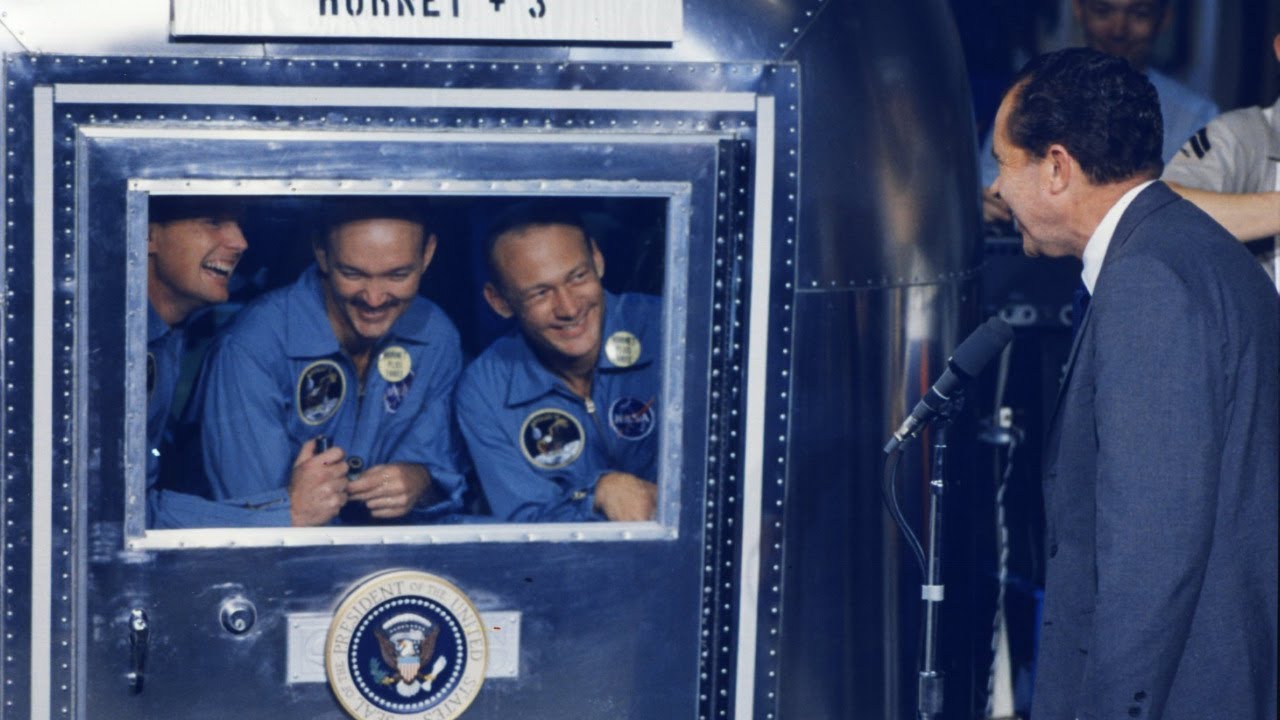
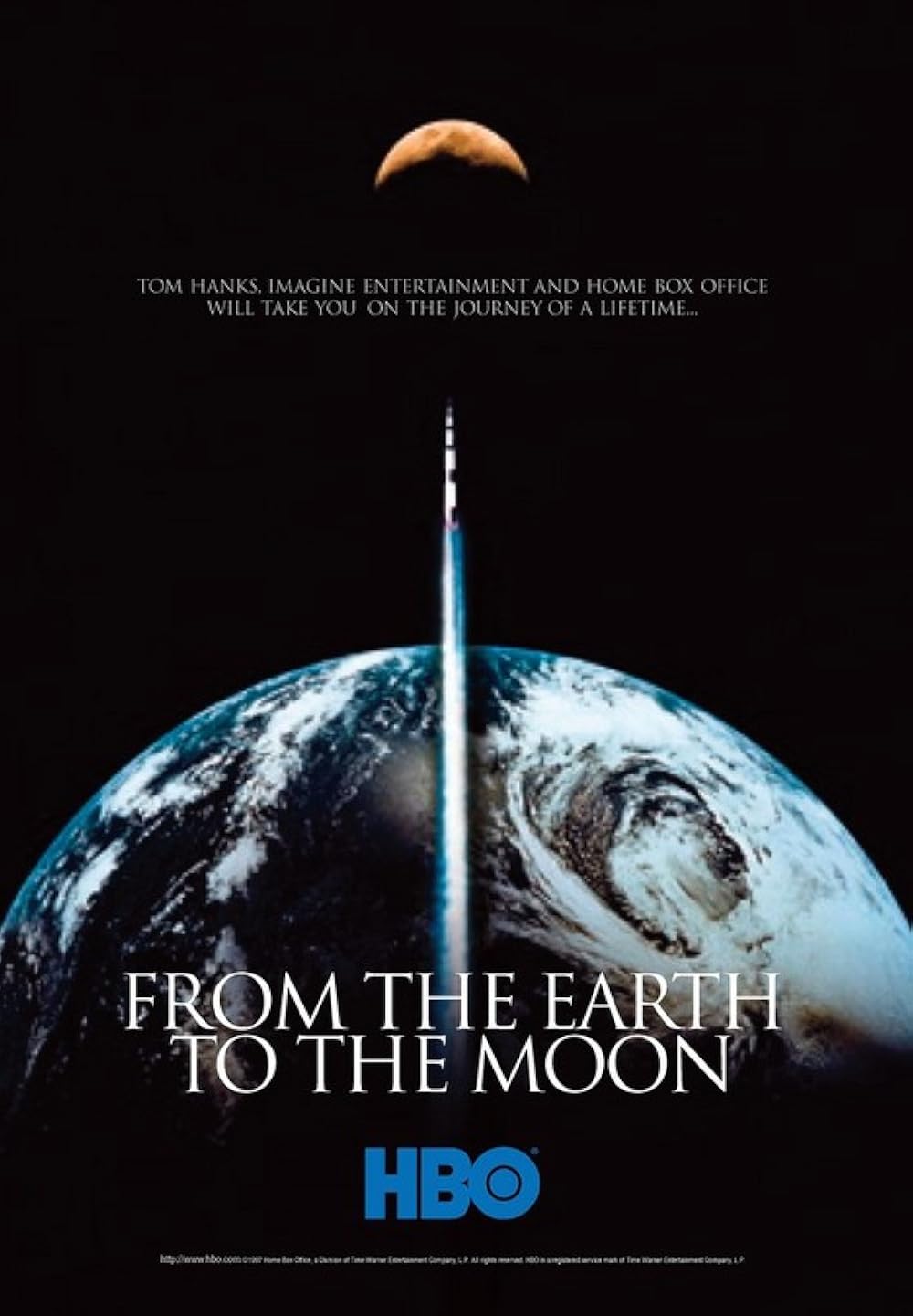
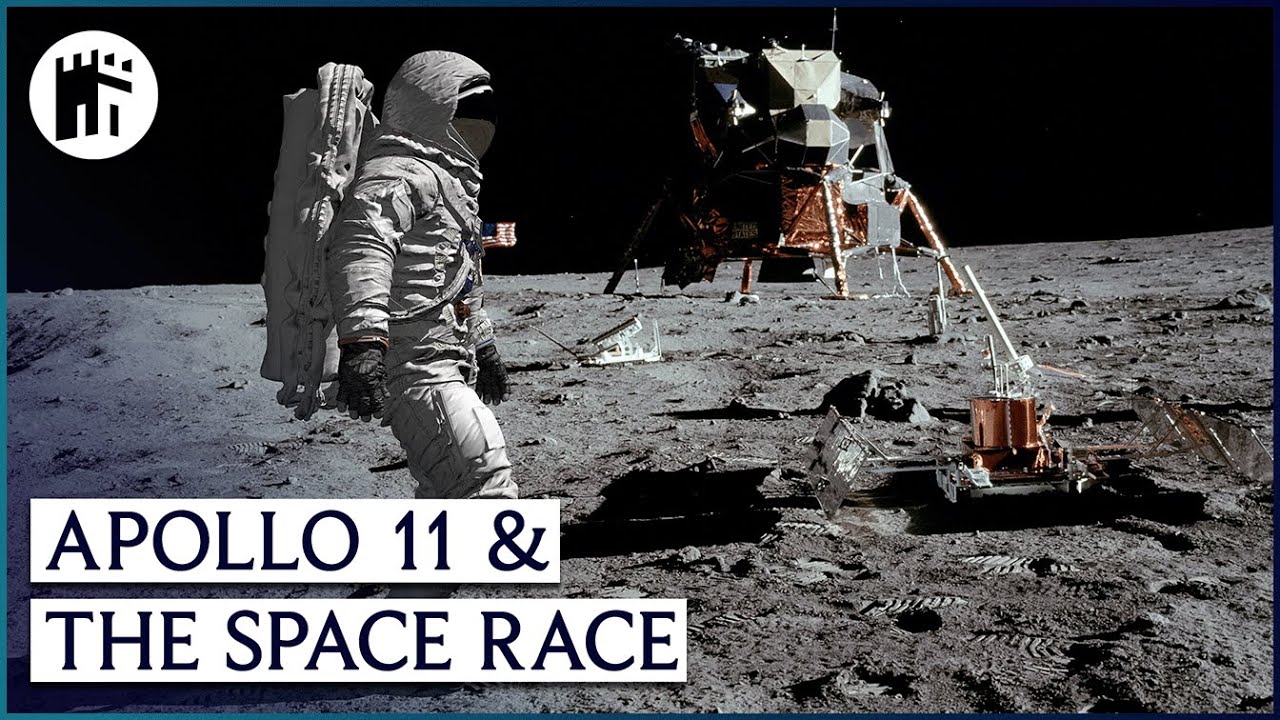
On July 16th 1969, Apollo 11 launched from Kennedy Space Center carrying Neil Armstrong, Buzz Aldrin, and Michael Collins. Four days later, Armstrong and Aldrin descended to the lunar surface in the Eagle lander while Collins orbited above in the command module. At 10:56 PM Eastern Time on July 20th, Neil Armstrong became the first human being to set foot on the moon. He was followed twenty minutes later by Buzz Aldrin. The two spent approximately two and a half hours on the surface, collected 47 pounds of lunar samples, planted an American flag, spoke with President Nixon, and returned safely to the Eagle. The following day they rejoined Collins in the command module and began the journey home, splashing down in the Pacific Ocean on July 24th to a heroes welcome.
The official account is clean, linear, and precise. NASA documented every stage of the mission in extraordinary detail. The technical specifications of the Saturn V rocket. The trajectory calculations. The communications transcripts. The photographs. The television footage broadcast live to 600 million people around the world. It was the most documented event in human history up to that point, which makes what happened to that documentation afterward one of the most troubling footnotes in the entire story. NASA has admitted to losing the original telemetry data from the Apollo 11 mission. The high quality video recordings of the moonwalk, the most important footage ever captured, were recorded over. The original records of the greatest achievement in human history no longer exist. What remains are copies of copies, and the word of the agency that produced them.
Books
YouTube

Documentaries/Movies
Stage 4
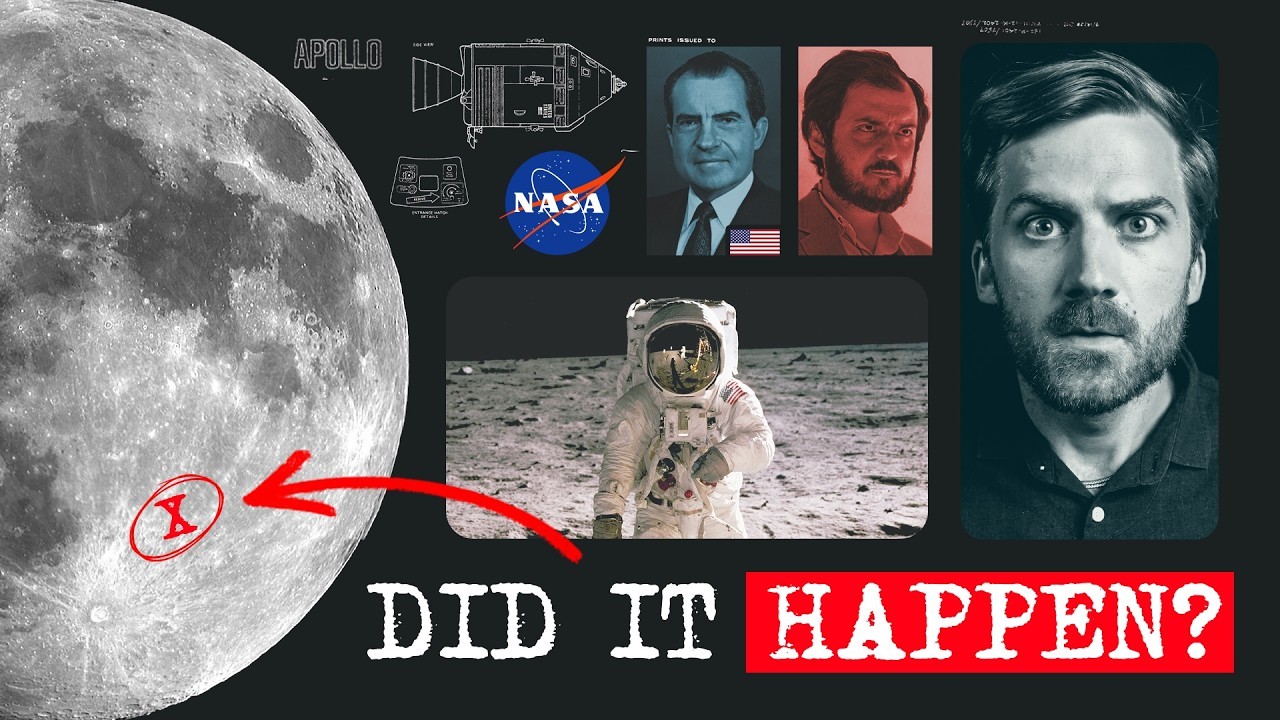
The Space Race established the motive. The technology raised the questions. The official account provided the story. And the missing data removed the ability to verify it. Everything converges into the question that has never been answered to everyone's satisfaction: did it actually happen?
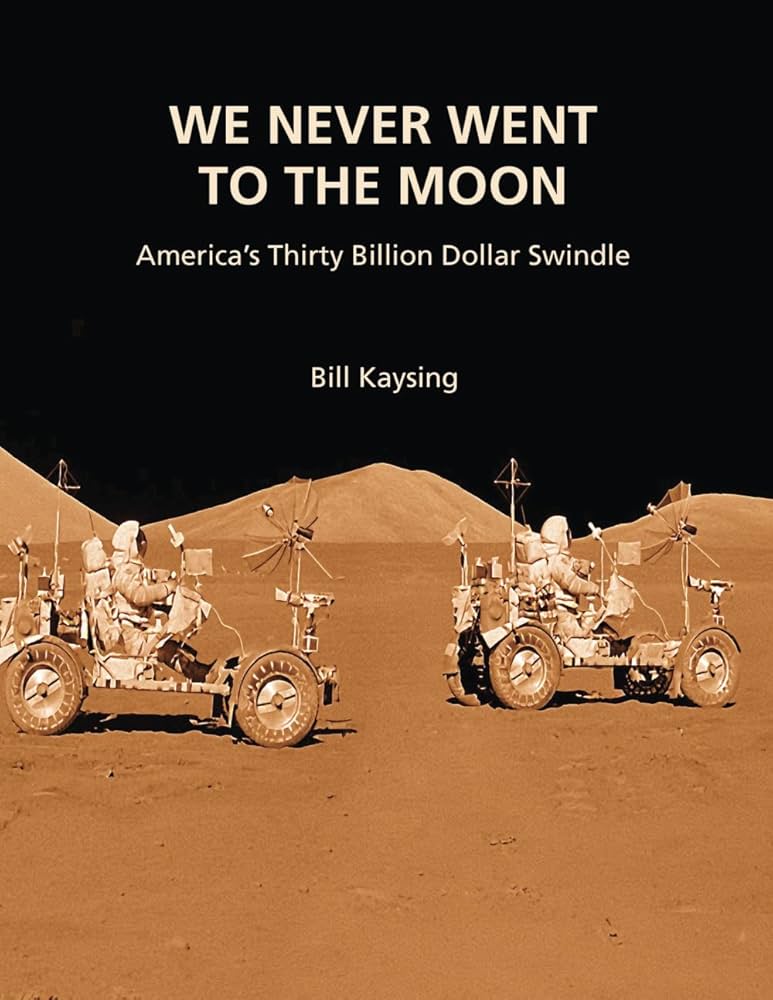
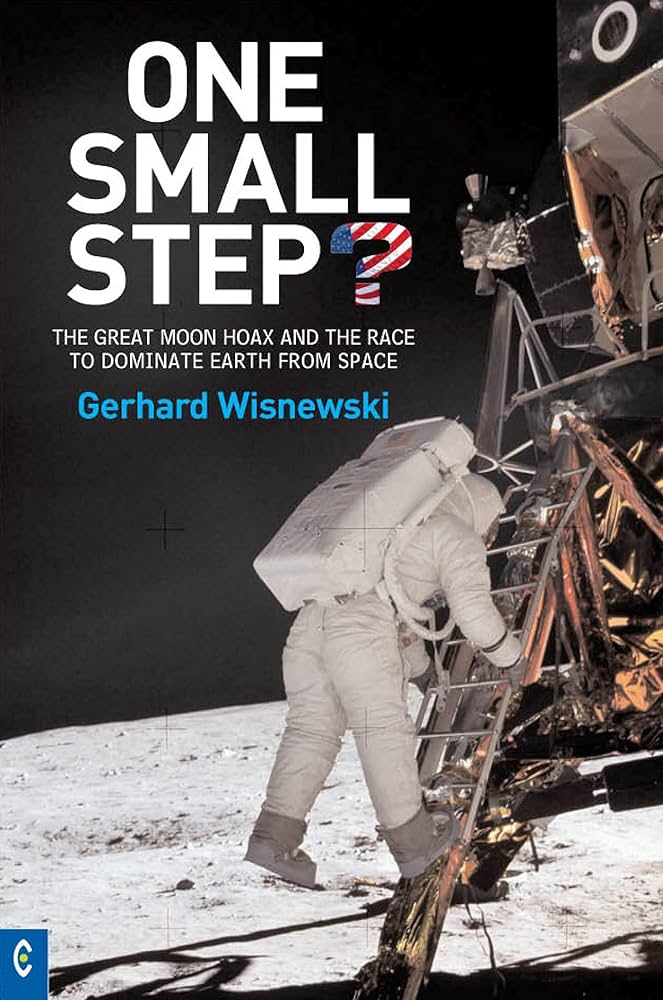
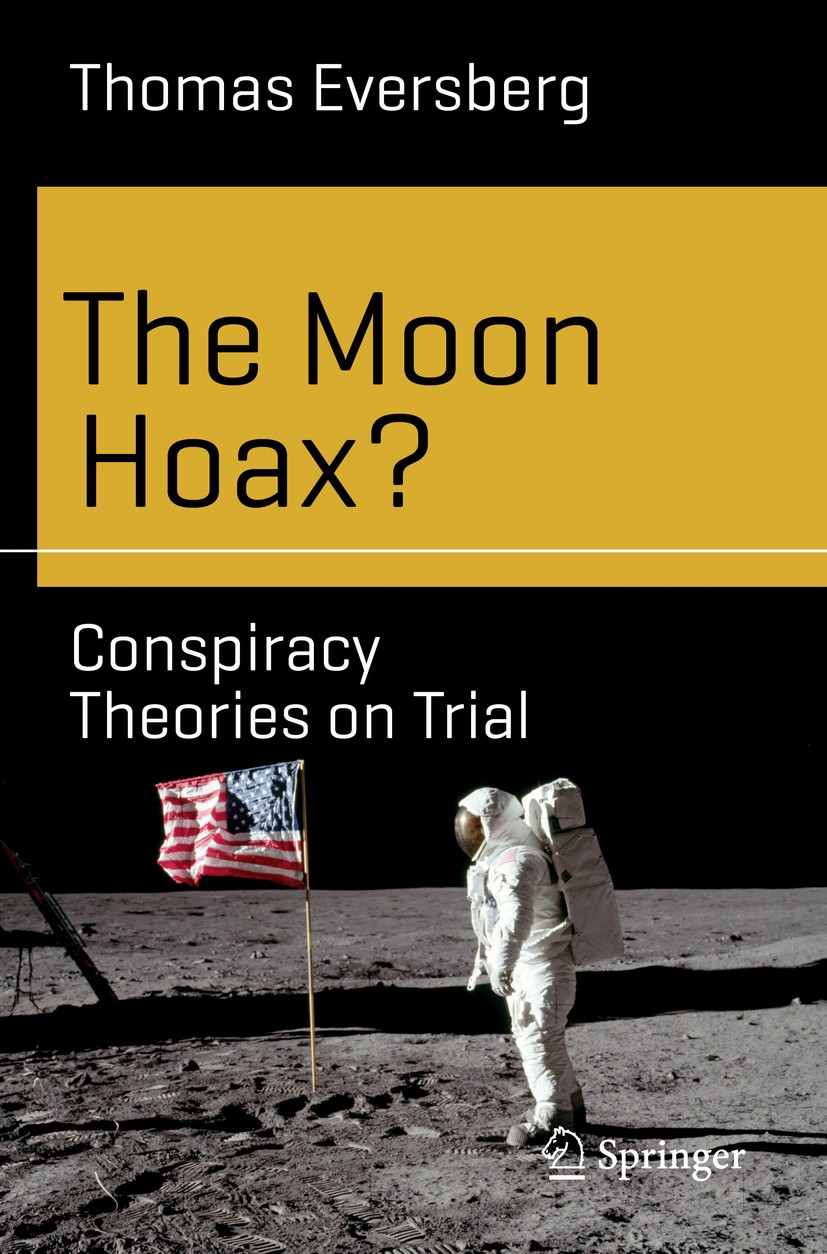
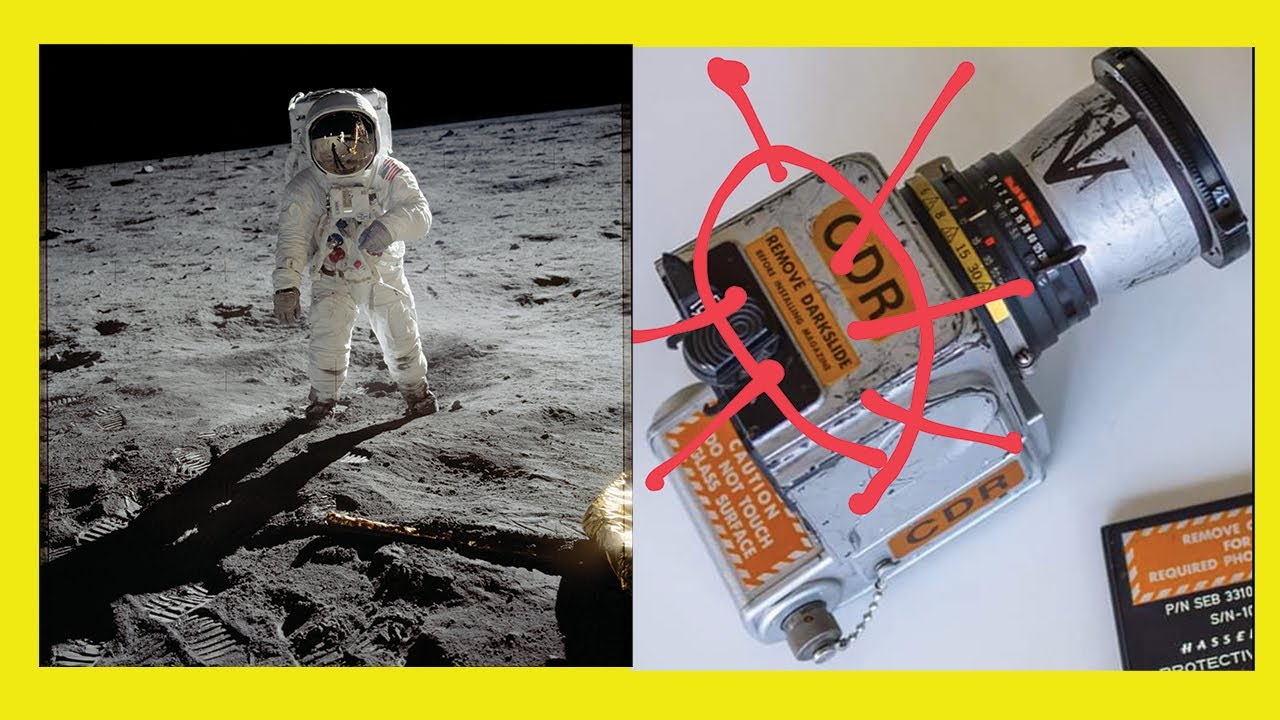
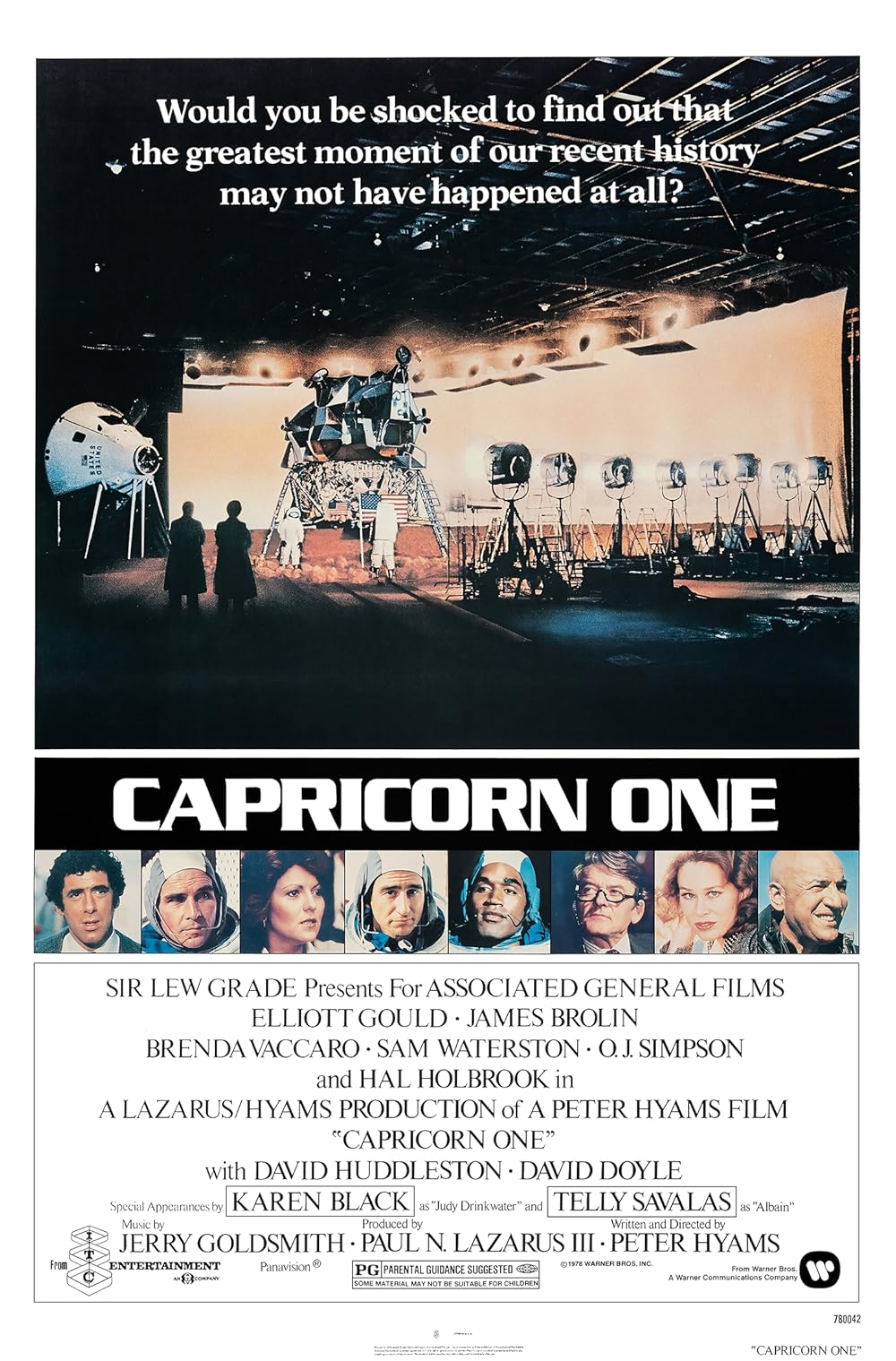
The photographic evidence has troubled researchers since the images were first released. There are no stars visible in any photograph taken on the lunar surface, despite the moon having no atmosphere to obscure them. The flag planted by Armstrong and Aldrin appears to wave in multiple frames despite there being no wind or atmosphere on the moon. The lighting in several photographs is inconsistent with a single light source, suggesting the presence of artificial studio lighting rather than sunlight. And the crosshairs embedded in the camera lens, designed to appear over every object in the frame as reference points, appear in several photographs to be behind objects rather than in front of them. Each anomaly has an official explanation. Taken together they describe a photographic record that has never withstood independent scrutiny.
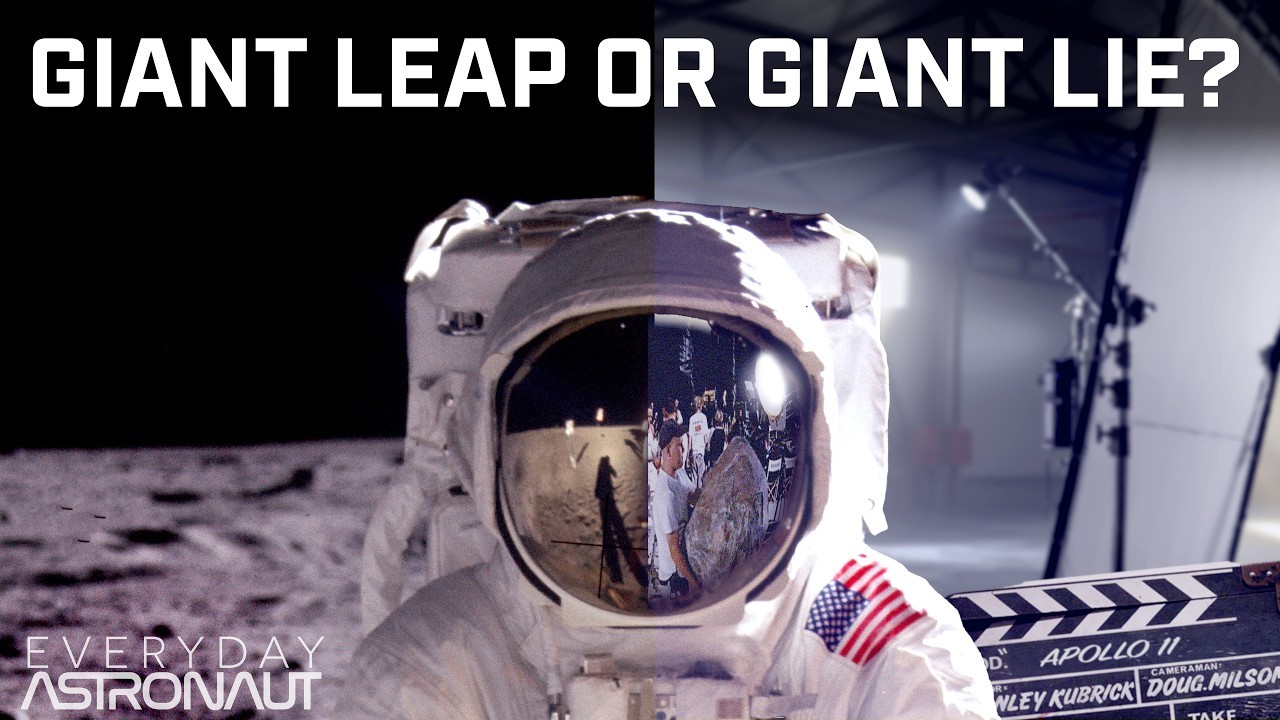
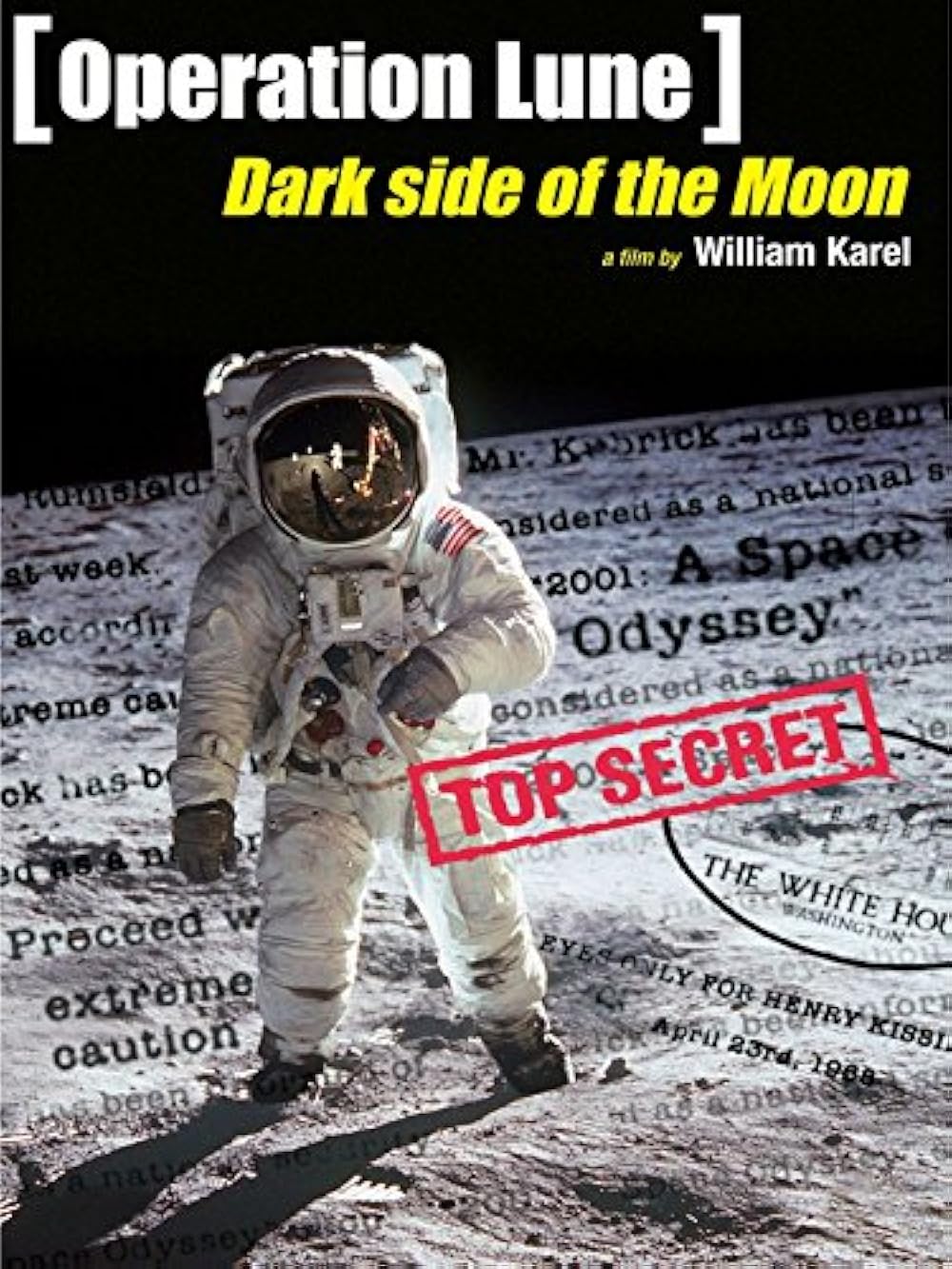
The theory that the moon landing was staged has a name attached to it that NASA has never been able to fully shake. Stanley Kubrick, the director of 2001 A Space Odyssey released just a year before the Apollo 11 mission, is widely believed by researchers to have been recruited by NASA to produce the footage. Kubrick had just demonstrated that photorealistic space footage could be produced in a studio. The technology, the talent, and the motive all existed in the same place at the same time. A purported deathbed confession from Kubrick himself surfaced years after his death. NASA has never commented on it. They have never needed to. The original footage that could settle the question once and for all no longer exists.
Books
YouTube
Documentaries/Movies
What is a Conspiracy Theory?
A conspiracy theory is an explanation for an event or situation that proposes a secret plot by powerful groups, usually operating outside of public knowledge or official narratives. At its core, it's the belief that what we're told isn't the whole story.
The term gets thrown around as a way to dismiss ideas without engaging with them, and that's not an accident. The phrase "conspiracy theory" was popularized by the CIA in the 1960s as a tool to discredit critics of the Warren Commission's findings on the JFK assassination. In other words, the label used to shut down conspiratorial thinking? That's kind of a conspiracy.
That's not to say every theory is true. Most aren't. But the history of the world is also full of actual conspiracies that were once dismissed as paranoid fantasy before being confirmed as fact. Knowing the difference between useful skepticism and a rabbit hole that never ends is exactly what this site is built for.
Are all Conspiracy Theories True?
A conspiracy theory is an explanation for an event or situation that proposes a secret plot by powerful groups, usually operating outside of public knowledge or official narratives. At its core, it's the belief that what we're told isn't the whole story.
The term gets thrown around as a way to dismiss ideas without engaging with them, and that's not an accident. The phrase "conspiracy theory" was popularized by the CIA in the 1960s as a tool to discredit critics of the Warren Commission's findings on the JFK assassination. In other words, the label used to shut down conspiratorial thinking? That's kind of a conspiracy.
That's not to say every theory is true. Most aren't. But the history of the world is also full of actual conspiracies that were once dismissed as paranoid fantasy before being confirmed as fact. Knowing the difference between useful skepticism and a rabbit hole that never ends is exactly what this site is built for.
Do I need to read or watch all of the Suggested Content?
No. The guides are designed to be comprehensive, not mandatory. We cast a wide net on purpose, to cover as many angles, perspectives, and voices as possible so the full picture of each subject is available to you.
That said, if you want to go deeper on a specific corner of a topic, the resources are there for exactly that.
If you're looking for the most direct path through a guide, keep an eye out for resources highlighted in yellow. Those are the ones we consider essential for that stage: the pieces that will do the most work in building your understanding. Think of them as the must reads, and everything else as the deeper dive.
Is the existing content final for each Conspiracy?
Not at all. Each guide is a living document. We are constantly looking to improve, update, and expand the content. There may be a book or video we missed, a perspective we haven't covered, or new information that changes the conversation entirely. If it makes a guide better, we want it in there.
Will there be more Conspiracies added?
Of course. There will always be events where the official story and the available facts don't quite line up, and those gaps are worth exploring. Some conspiracies have decades of research and documentation behind them while others are still taking shape, so the depth of each guide will naturally vary.
If there is a conspiracy you feel passionate about and don't see covered here, get in touch. We will do our best to give it the attention it deserves.
Should I trust all of the sources?
That is entirely up to you. Conspiracy research is naturally confrontational territory. You will encounter conflicting facts, competing narratives, and personalities who do not agree on much. Part of the work is learning to distinguish what is documented fact from what is speculation, interpretation, or agenda.
With that said, it is worth keeping in mind that YouTube videos and documentaries tend to be where you will find the most exaggeration and creative fact interpretation. That does not make them without value, some of the most important voices in this space live there, but it does mean your critical eye needs to be sharper. Read, watch, compare, and decide for yourself.
Note: We do include movies that aren’t necessarily academic but are dramatic versions of the events, providing an artistic view of actual events. Doesn’t hurt to have some fun while we learn!
What order should I tackle the Conspiracies?
There is no wrong entry point. Start with whatever subject you find most interesting or compelling and go from there.
That said, you may notice as you work through the guides that many conspiracies share overlapping stories, characters, and timelines. This is by design, not coincidence. A book you read for one guide may end up being essential context for three others. For example, several conspiracies trace their roots to the same era surrounding the formation of the CIA, so the foundational material you pick up early will carry further than you might expect.
In that sense, the more guides you work through, the more connected everything starts to feel.