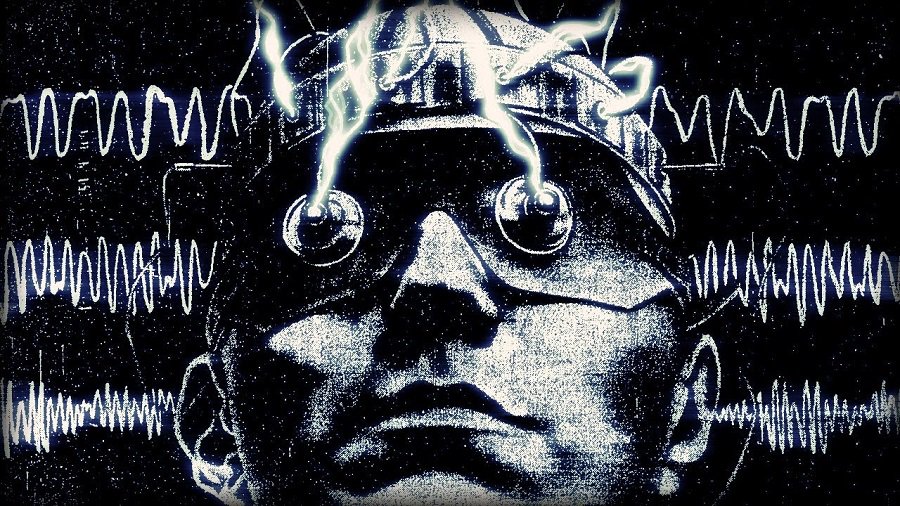
MK Ultra
MK Ultra is not a conspiracy theory. It is a declassified government program, confirmed by congressional testimony, documented in thousands of pages of surviving files, and acknowledged by the Central Intelligence Agency itself. Between the early 1950s and 1973, the CIA ran a covert program of human experimentation on a scale that, had it been conducted by any other government in the world, would have been classified as a war crime. The subjects were unwitting. The methods were brutal. And when the program was finally exposed, the man responsible for destroying the evidence was never charged with a crime.
What makes MK Ultra uniquely unsettling is not what was discovered. It is what was not. In 1973, CIA Director Richard Helms ordered the destruction of all MK Ultra files. What the Church Committee uncovered in 1977 was only what survived by accident, a misfiled box of financial records that escaped the shredding. The full scope of what was done, to how many people, in how many institutions, across how many years, was never recovered. The program that was exposed was almost certainly not the whole program.
The question MK Ultra leaves behind is one that the government has never been required to answer. If the program officially ended, where did the knowledge go? The techniques were real. The results were documented. The researchers who developed them did not disappear. And the intelligence apparatus that funded and directed the program for two decades did not suddenly lose interest in what it had learned. MK Ultra may have ended. The ambition behind it almost certainly did not.
Stages
01
The Post-War Intelligence Landscape
How and why was the CIA created and what was its mandate in the early years of the Cold War?
What evidence did the CIA have that the Soviet Union and China were developing mind control techniques?
What did returning prisoners of war reveal about the psychological capabilities of America's adversaries?
02
The Program
What were the early experiments of MK Ultra and who were the unwitting subjects?
How did the program evolve as researchers began to understand what was possible?
What was the ultimate goal of MK Ultra and how close did they come to achieving it?
03
The Cover-Up and Exposure
Why did CIA Director Richard Helms order the destruction of all MK Ultra files in 1973?
How did the Church Committee uncover the program and what did the surviving documents reveal?
Why was no one ever charged or held accountable for what was done to the subjects of MK Ultra?
04
The Conspiracy
What evidence exists that MK Ultra continued under different names after it was officially shut down?
Who were the researchers behind MK Ultra and where did their work take them after the program ended?
If the techniques developed in MK Ultra were ever applied at a population scale, what would that actually look like?
Stage 1
The world that emerged from World War II was not the world anyone had planned for. The Allied victory had barely settled before a new and far more unsettling conflict began to take shape. The Soviet Union, once an ally, was now an existential threat. Nuclear weapons existed. Ideology had replaced geography as the primary battlefield. And the United States, for the first time in its history, found itself needing a permanent peacetime intelligence apparatus capable of operating in the shadows of a war that would never be formally declared.
The Central Intelligence Agency was created in 1947. It was built for a world where conventional military power was no longer sufficient, where the most important battles would be fought in the minds of populations rather than on the fields of nations. And almost immediately, the CIA became aware of something deeply troubling. The Soviet Union and China were developing techniques for psychological manipulation, confession extraction, and what some researchers were calling mind control. American prisoners of war were returning from Korea saying things that made no sense, confessing to crimes they had not committed, expressing beliefs that bore no resemblance to the men who had left. Someone had gotten inside their heads. The CIA needed to know how. And then it needed to do it better. What followed was two decades of experimentation that the government has never fully accounted for.
Books


YouTube



Documentaries/Movies
Stage 2
MK Ultra officially began in 1953 under the direction of CIA officer Sidney Gottlieb, a chemist who believed the human mind could be chemically and psychologically manipulated into total compliance. The early experiments were crude. LSD was administered to unwitting subjects including CIA employees, military personnel, prisoners, and patients in psychiatric facilities. Some were dosed repeatedly for weeks. Some never fully recovered. At least one died. But the program discovered something in those early years that drove it to expand dramatically. The techniques worked. And once that was established, the ambition of the program grew with its confidence.
At its peak, MK Ultra encompassed over 150 research projects at 80 institutions across the United States and Canada, funded through front organizations and shielded from any meaningful oversight. The goals had evolved far beyond truth serums and resistance breaking. Researchers were working toward the creation of fully programmable individuals, people who could be conditioned to carry out specific actions with no conscious memory of their instructions or their deeds. The Manchurian Candidate was not a fiction. It was a project objective. And by the time the program was ordered shut down, the men running it believed they had come very close to achieving it.
Books
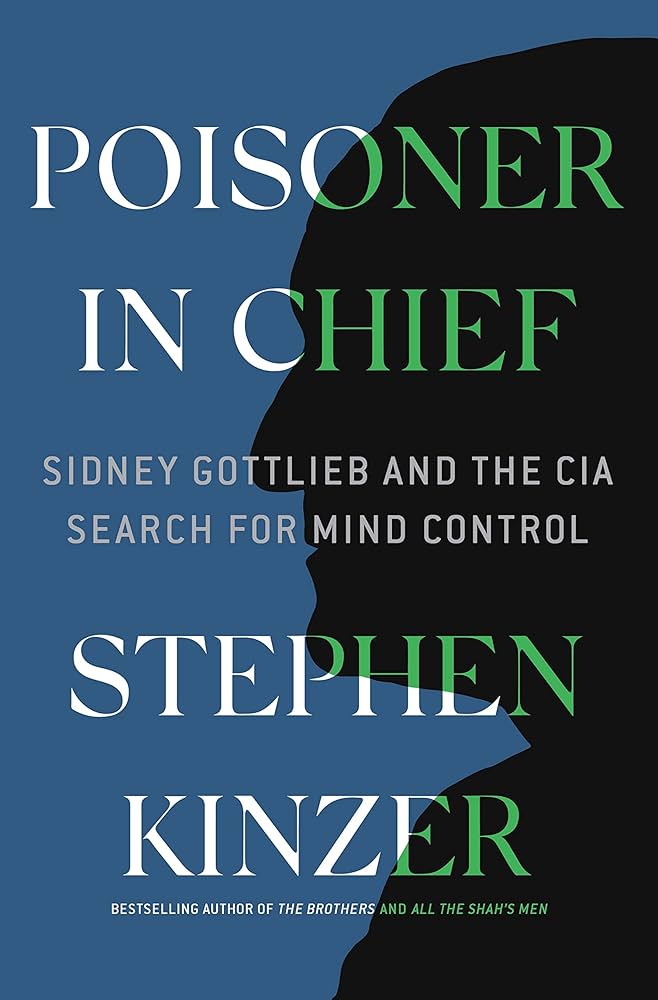
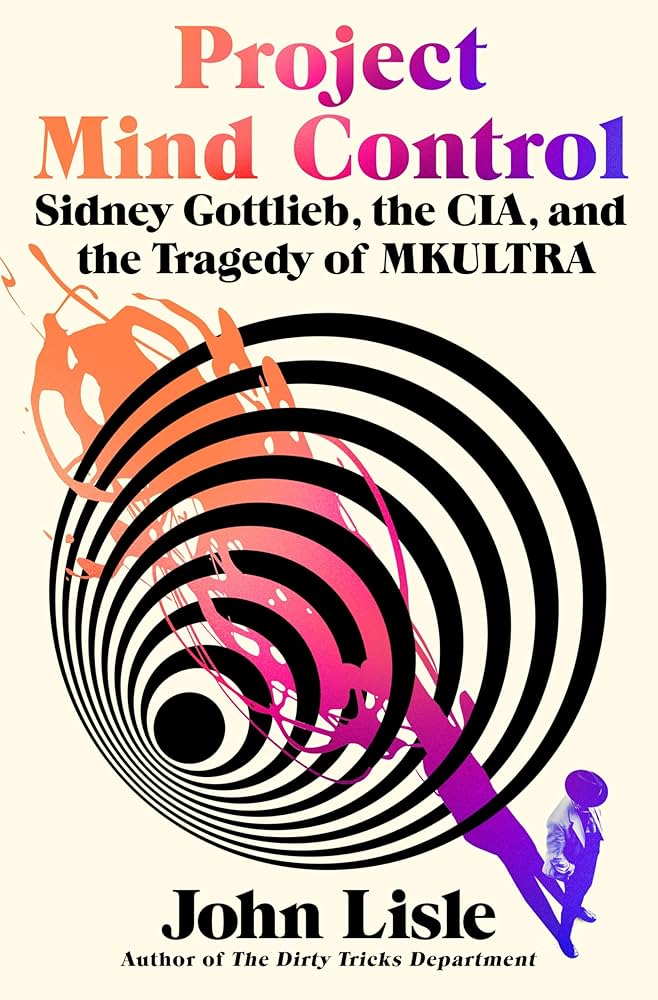
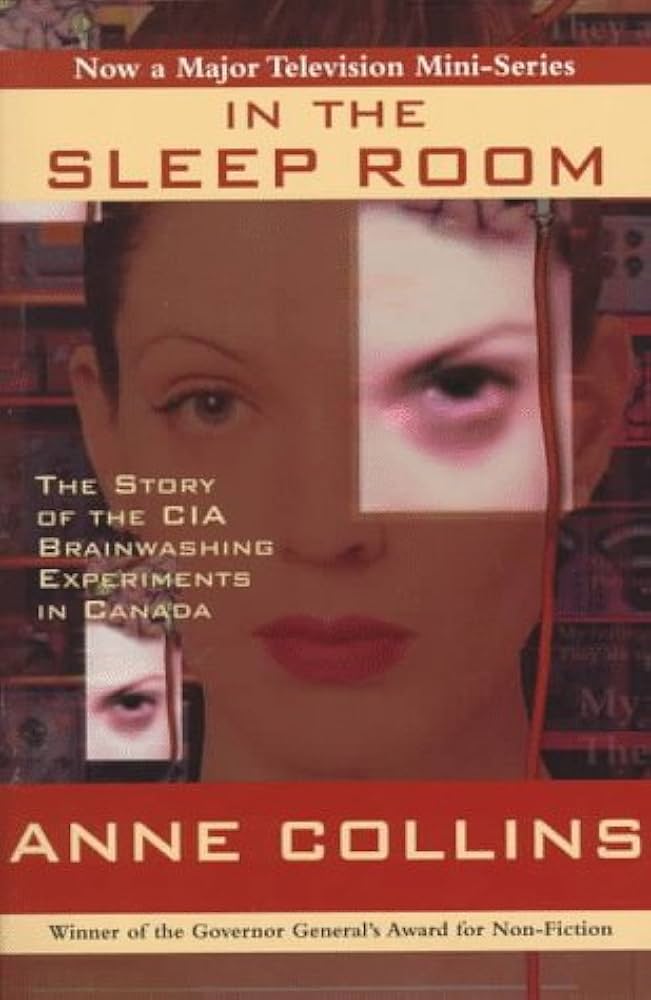
YouTube


Documentaries/Movies

Stage 3
In 1973, as the Watergate scandal was consuming the Nixon administration and congressional appetite for government oversight was at an all time high, CIA Director Richard Helms ordered the destruction of all MK Ultra files. Thousands of documents, two decades of experimental records, the identities of subjects, the names of institutions — all of it was fed into shredders and incinerators. What survived did so by accident. A misfiled box of financial records had been sent to a separate storage facility and escaped the purge. When the Church Committee began its investigation of CIA abuses in 1975, those records became the thread that unraveled enough of the program to force a public reckoning. Senate hearings followed. The existence of MK Ultra was officially confirmed. And then, almost as quickly as it had been exposed, the conversation was closed. No one was charged. No subjects were compensated. No full accounting was ever demanded or delivered.
What the exposure of MK Ultra revealed was not just the program. It revealed the infrastructure of concealment that surrounded it. Front organizations, academic partnerships, and a classification system designed not to protect national security but to protect the people running the program from the people they had experimented on. The destruction of those files was not an afterthought. The cover-up was built into the program from the beginning.
Books
YouTube

Documentaries/Movies
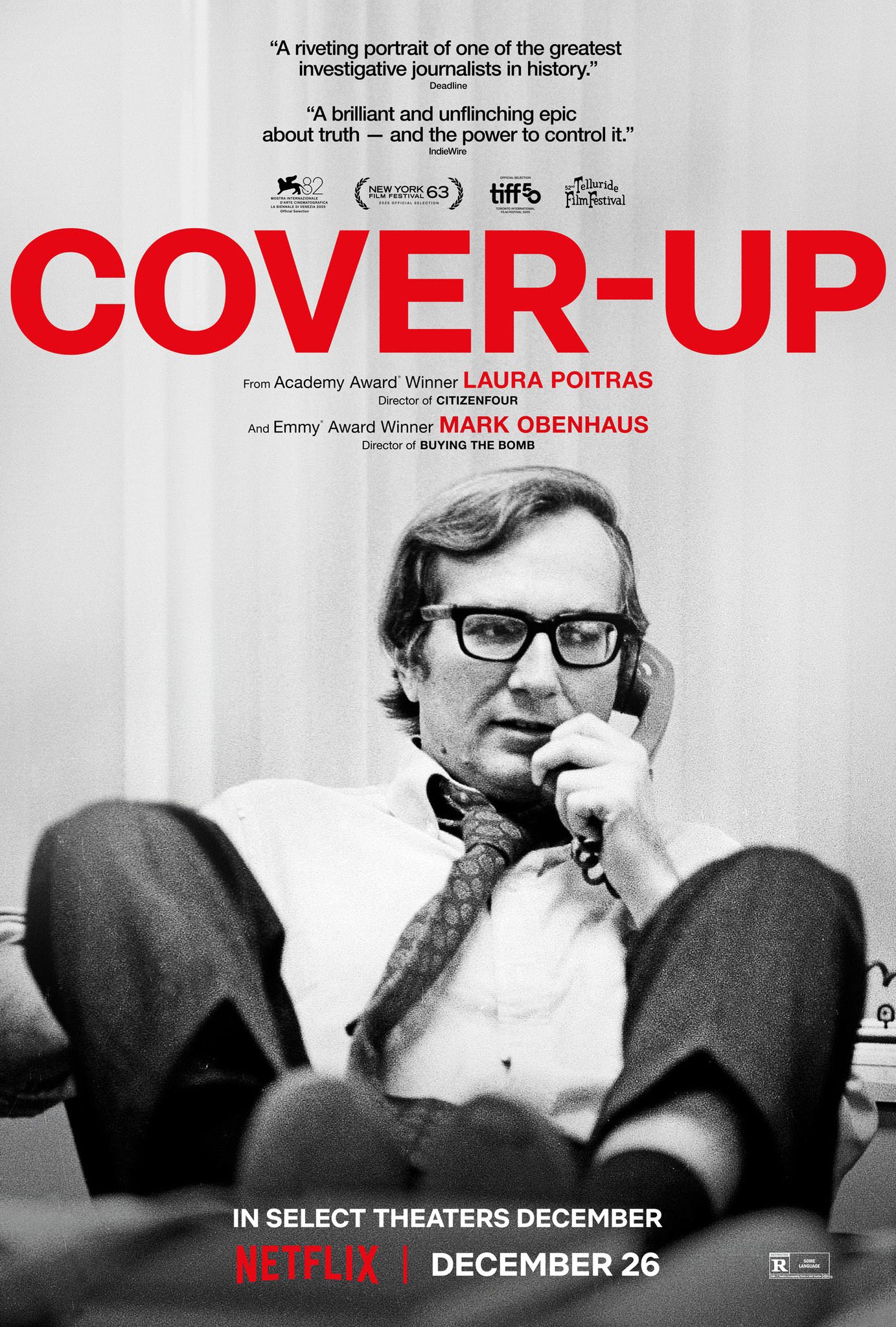
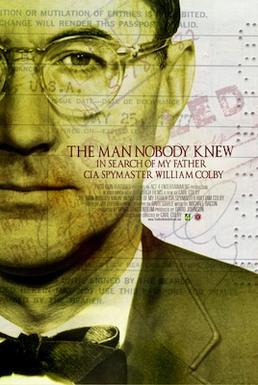
Stage 4
MK Ultra was officially shut down in 1973. That is the official answer. But the official answer comes from the same institution that ran the program for two decades, experimented on unwitting citizens, and then destroyed the evidence before anyone could ask questions. The closure of MK Ultra was never independently verified. The techniques were never independently assessed. And the researchers who spent two decades learning how to break and rebuild the human mind did not retire quietly. They went somewhere. The question is where.
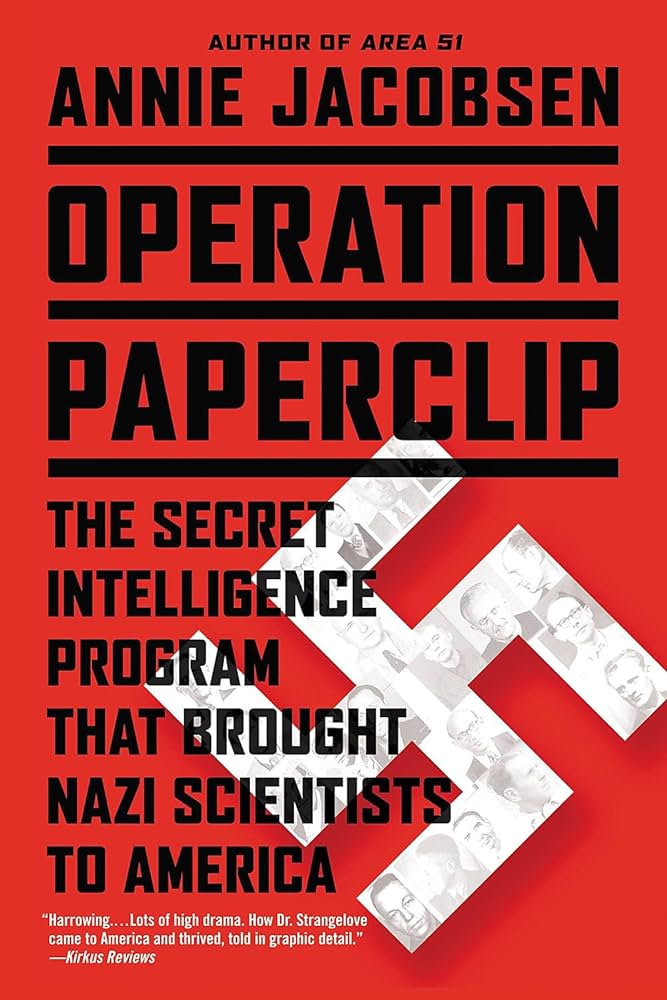
The programs that researchers believe followed MK Ultra operate under different names and leave far fewer traces. Project MONARCH. Project Artichoke. Operation Paperclip, which brought Nazi scientists with directly relevant expertise into the American intelligence apparatus before MK Ultra even began. The through line is not a single program but a continuous institutional appetite. The CIA did not lose interest in mind control when the Church Committee started asking questions. It lost interest in being caught. The difference between those two things is not a conspiracy theory. It is an organizational behavior pattern that the agency demonstrated repeatedly and openly throughout its history.
The darkest implication of MK Ultra is not what was done in those laboratories. It is what was learned there. The CIA spent two decades proving that the human mind could be invaded, destabilized, and rebuilt to serve someone else's agenda. Those techniques did not disappear when the program was shut down. They evolved. And in a world saturated with mass media, social platforms, and advertising systems designed to shape belief and behavior at scale, the question of whether what was perfected on individuals was ever quietly applied to entire populations is one that no government has ever been required to answer.
Books
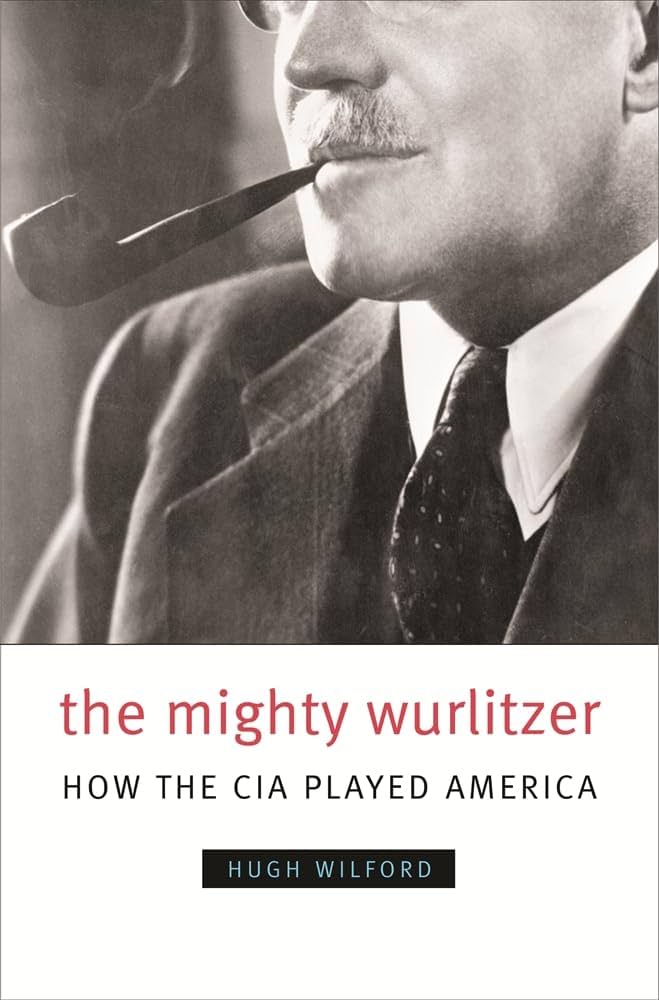
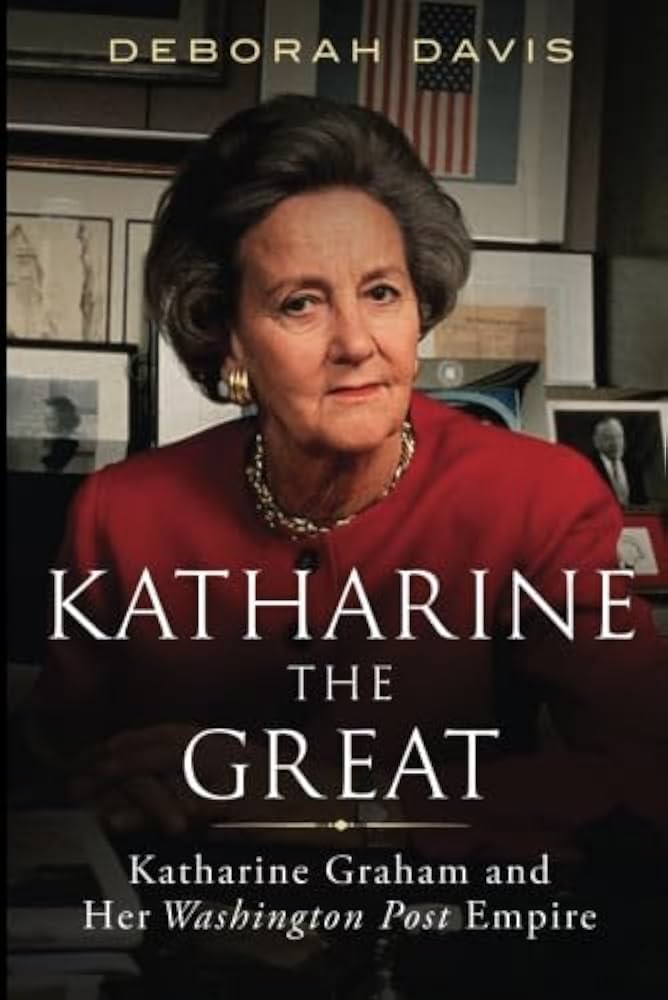
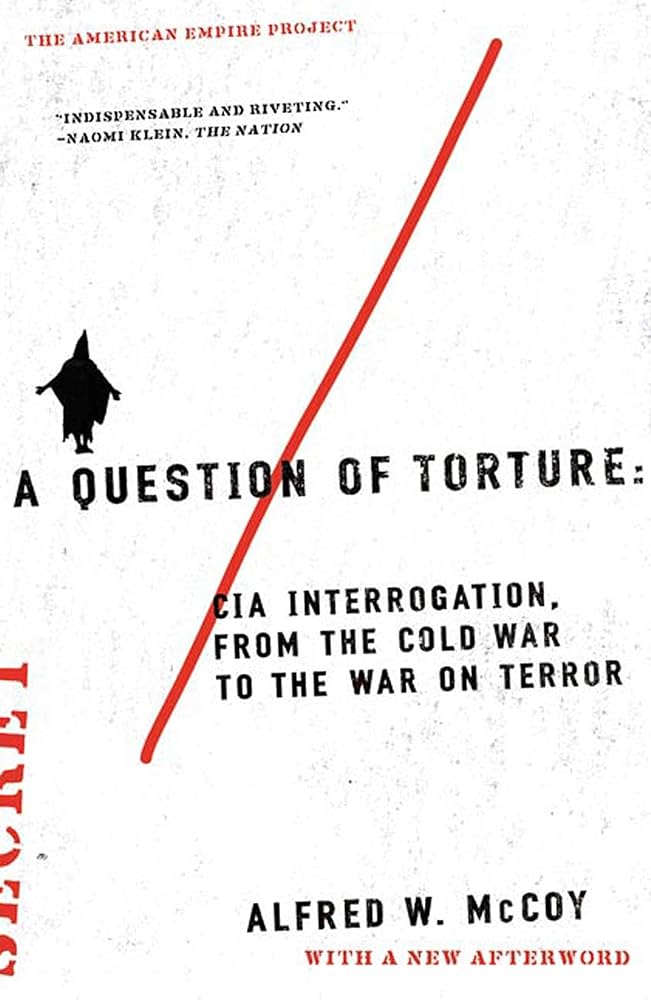
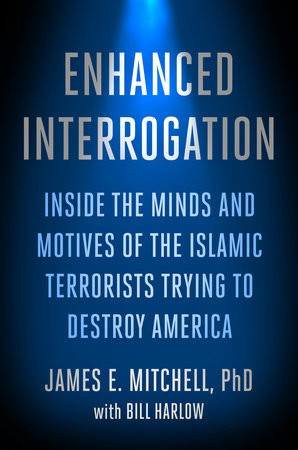
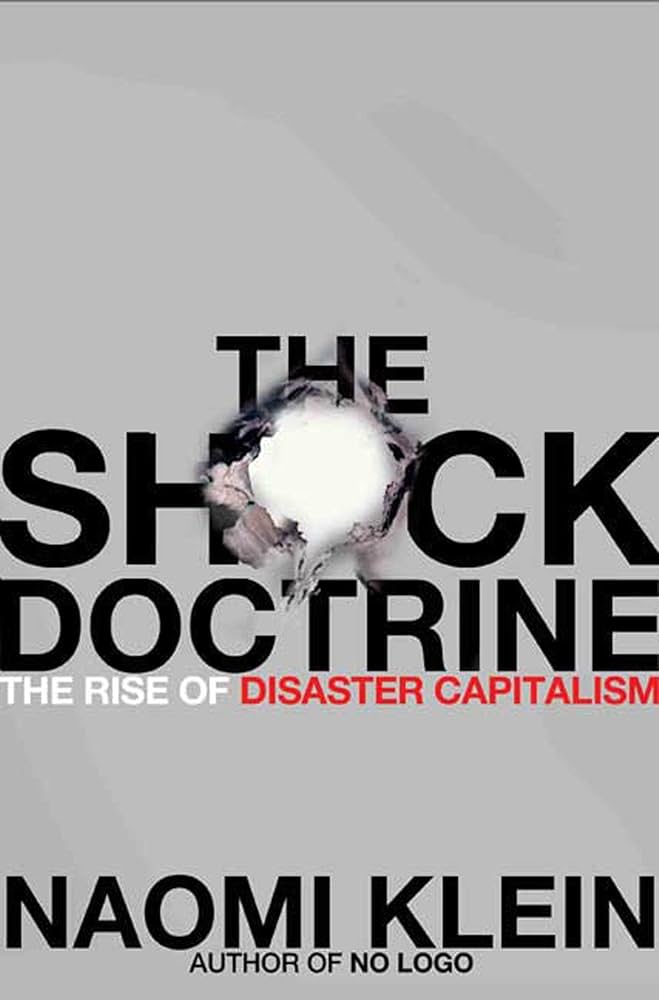
YouTube
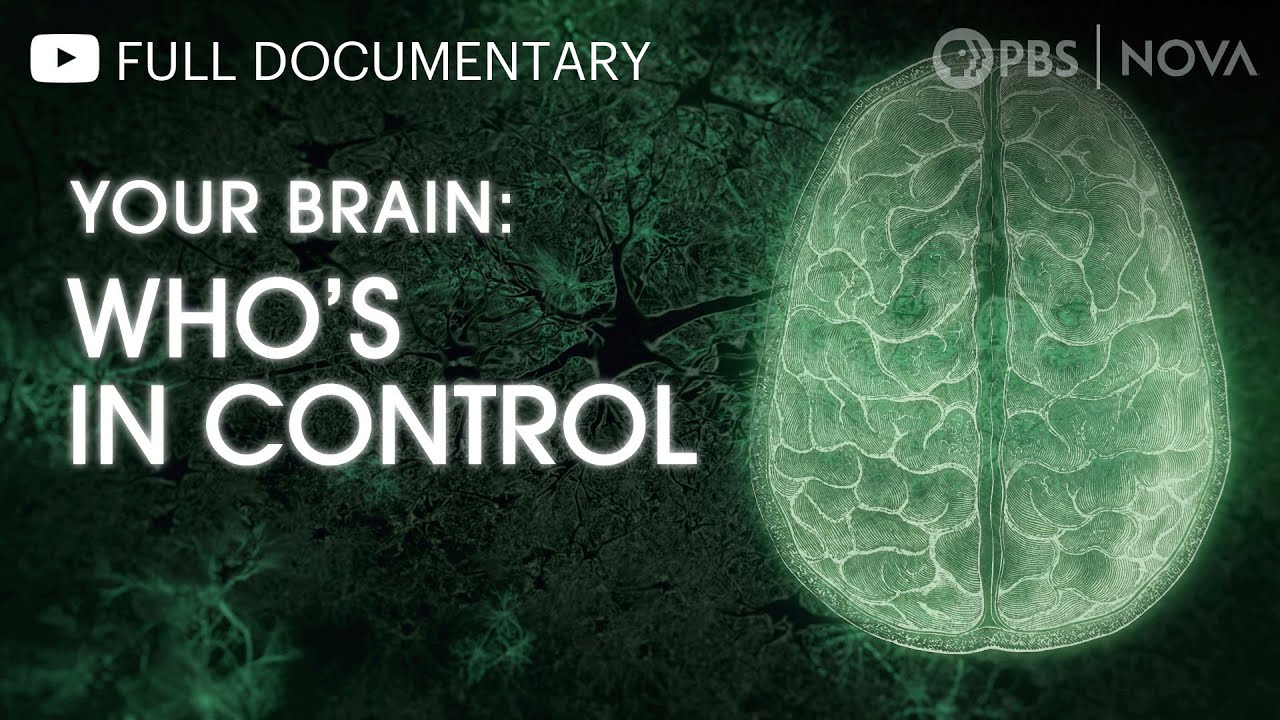
Documentaries/Movies
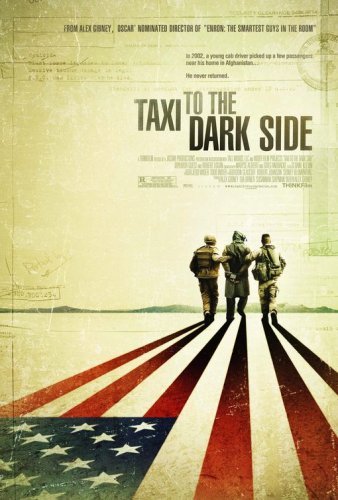
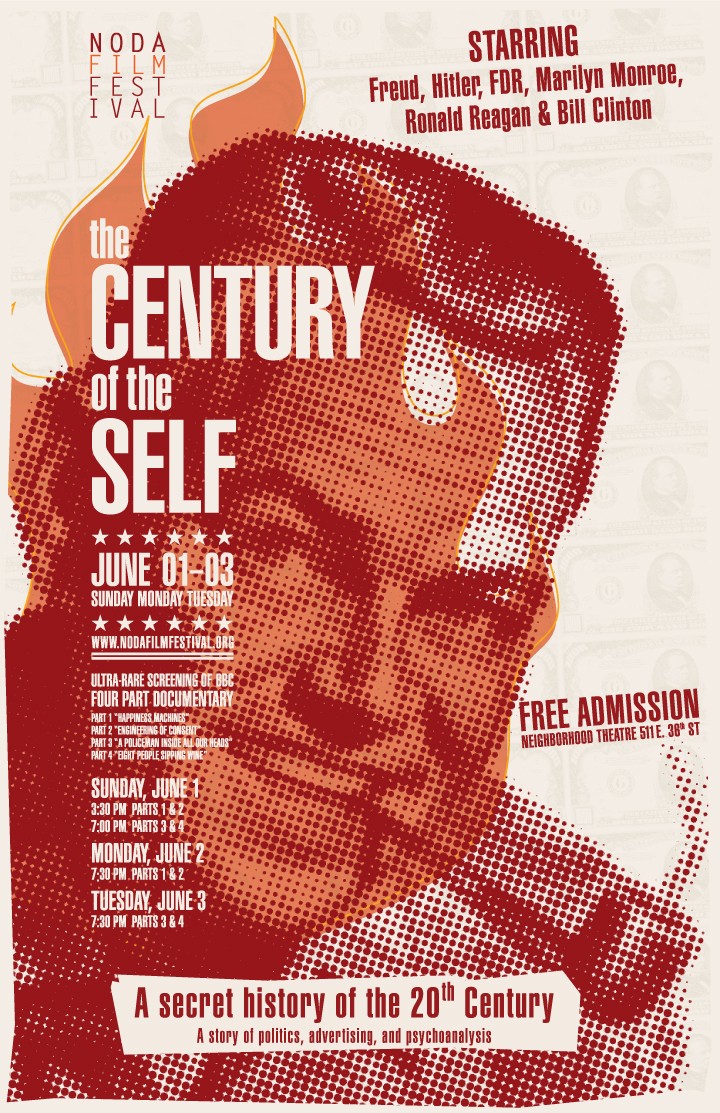
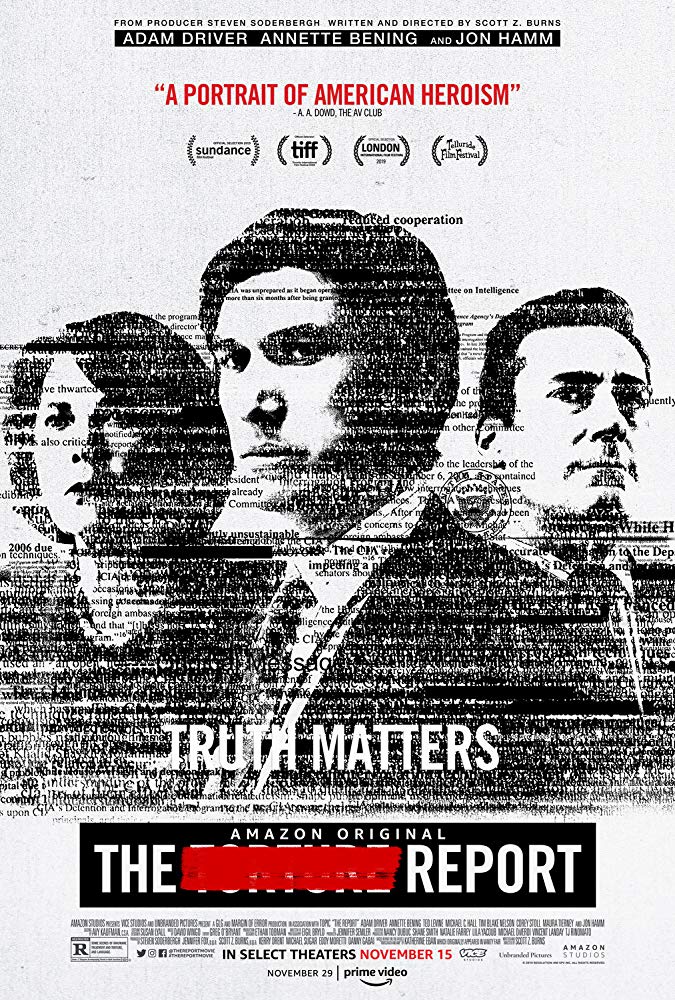


What is a Conspiracy Theory?
A conspiracy theory is an explanation for an event or situation that proposes a secret plot by powerful groups, usually operating outside of public knowledge or official narratives. At its core, it's the belief that what we're told isn't the whole story.
The term gets thrown around as a way to dismiss ideas without engaging with them, and that's not an accident. The phrase "conspiracy theory" was popularized by the CIA in the 1960s as a tool to discredit critics of the Warren Commission's findings on the JFK assassination. In other words, the label used to shut down conspiratorial thinking? That's kind of a conspiracy.
That's not to say every theory is true. Most aren't. But the history of the world is also full of actual conspiracies that were once dismissed as paranoid fantasy before being confirmed as fact. Knowing the difference between useful skepticism and a rabbit hole that never ends is exactly what this site is built for.
Are all Conspiracy Theories True?
A conspiracy theory is an explanation for an event or situation that proposes a secret plot by powerful groups, usually operating outside of public knowledge or official narratives. At its core, it's the belief that what we're told isn't the whole story.
The term gets thrown around as a way to dismiss ideas without engaging with them, and that's not an accident. The phrase "conspiracy theory" was popularized by the CIA in the 1960s as a tool to discredit critics of the Warren Commission's findings on the JFK assassination. In other words, the label used to shut down conspiratorial thinking? That's kind of a conspiracy.
That's not to say every theory is true. Most aren't. But the history of the world is also full of actual conspiracies that were once dismissed as paranoid fantasy before being confirmed as fact. Knowing the difference between useful skepticism and a rabbit hole that never ends is exactly what this site is built for.
Do I need to read or watch all of the Suggested Content?
No. The guides are designed to be comprehensive, not mandatory. We cast a wide net on purpose, to cover as many angles, perspectives, and voices as possible so the full picture of each subject is available to you.
That said, if you want to go deeper on a specific corner of a topic, the resources are there for exactly that.
If you're looking for the most direct path through a guide, keep an eye out for resources highlighted in yellow. Those are the ones we consider essential for that stage: the pieces that will do the most work in building your understanding. Think of them as the must reads, and everything else as the deeper dive.
Is the existing content final for each Conspiracy?
Not at all. Each guide is a living document. We are constantly looking to improve, update, and expand the content. There may be a book or video we missed, a perspective we haven't covered, or new information that changes the conversation entirely. If it makes a guide better, we want it in there.
Will there be more Conspiracies added?
Of course. There will always be events where the official story and the available facts don't quite line up, and those gaps are worth exploring. Some conspiracies have decades of research and documentation behind them while others are still taking shape, so the depth of each guide will naturally vary.
If there is a conspiracy you feel passionate about and don't see covered here, get in touch. We will do our best to give it the attention it deserves.
Should I trust all of the sources?
That is entirely up to you. Conspiracy research is naturally confrontational territory. You will encounter conflicting facts, competing narratives, and personalities who do not agree on much. Part of the work is learning to distinguish what is documented fact from what is speculation, interpretation, or agenda.
With that said, it is worth keeping in mind that YouTube videos and documentaries tend to be where you will find the most exaggeration and creative fact interpretation. That does not make them without value, some of the most important voices in this space live there, but it does mean your critical eye needs to be sharper. Read, watch, compare, and decide for yourself.
Note: We do include movies that aren’t necessarily academic but are dramatic versions of the events, providing an artistic view of actual events. Doesn’t hurt to have some fun while we learn!
What order should I tackle the Conspiracies?
There is no wrong entry point. Start with whatever subject you find most interesting or compelling and go from there.
That said, you may notice as you work through the guides that many conspiracies share overlapping stories, characters, and timelines. This is by design, not coincidence. A book you read for one guide may end up being essential context for three others. For example, several conspiracies trace their roots to the same era surrounding the formation of the CIA, so the foundational material you pick up early will carry further than you might expect.
In that sense, the more guides you work through, the more connected everything starts to feel.