JFK Assassination
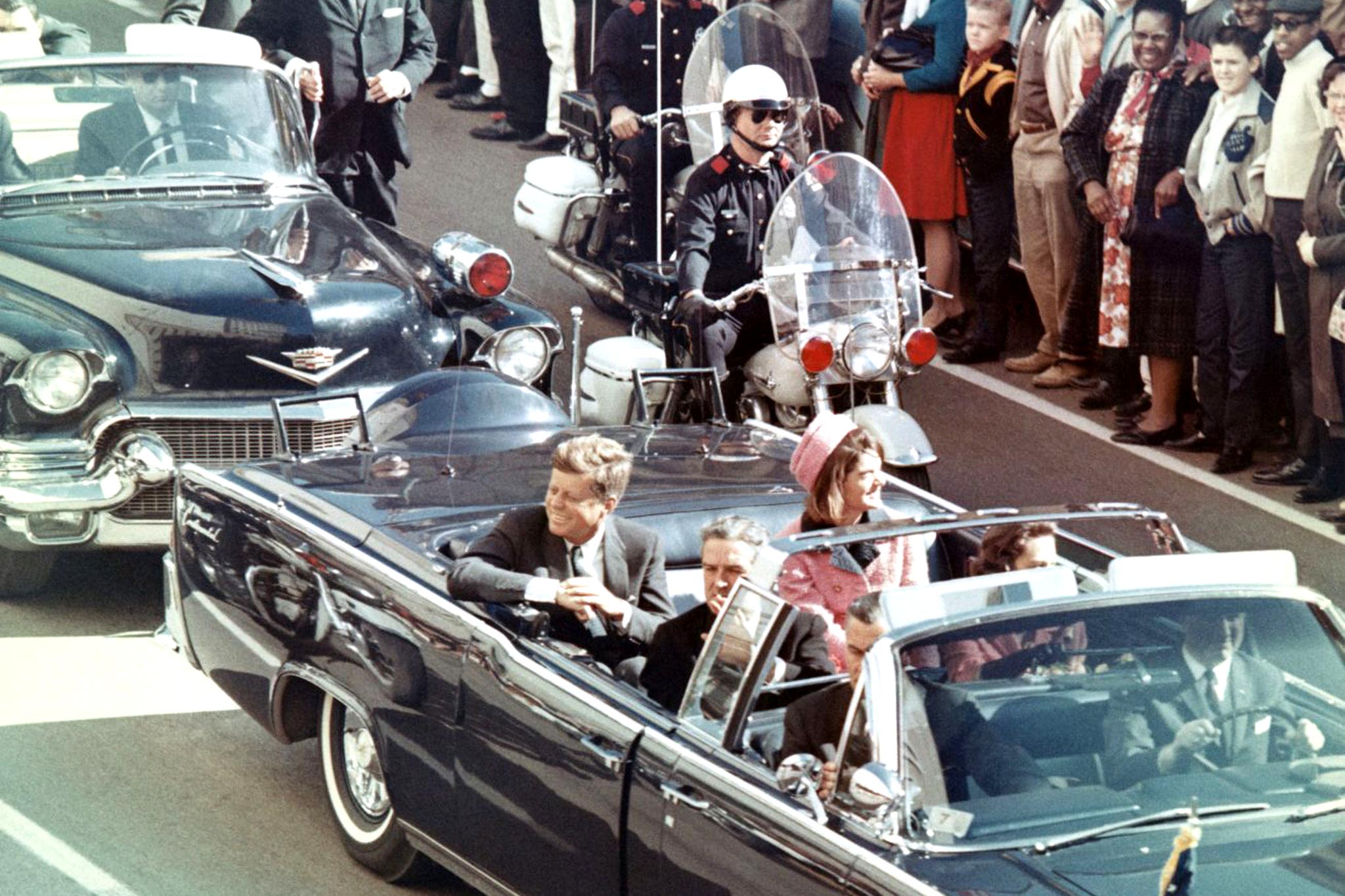
The assassination of John F. Kennedy on November 22, 1963, was more than a tragic murder; it was a fundamental shift in where power resides in America. By 1963, Kennedy was in direct conflict with his own generals and intelligence agencies over his refusal to escalate the Cold War. He had publicly threatened to "shatter the CIA into a thousand pieces" and was moving to withdraw troops from Vietnam. His removal marked the moment the "Deep State" —the permanent, unelected national security apparatus— asserted dominance over the elected Presidency.
The conflict reached a breaking point as Kennedy began bypassing his advisors to negotiate directly with adversaries, signaling a total departure from the established war footing. In this high-stakes environment, his removal became a functional necessity for those who viewed his peace initiatives as a threat to national security. The events in Dealey Plaza were merely the tactical execution of this shift. A coordinated "crossfire" designed to eliminate the President while a pre-selected "patsy" drew the public's attention. By framing the murder as the act of a lone madman, the architects of the event could replace Kennedy’s vision with a more compliant administration without the public realizing a coup had even occurred.
Today, the consequences of this event are visible in the permanent expansion of clandestine power and a government that still refuses to release thousands of files citing "National Security." The assassination proved that any leader who challenges the military-industrial complex is replaceable. What started as a crime in Dallas became a successful "policy reset" that fundamentally altered the trajectory of the country, leaving a legacy of institutional secrecy and a permanent gap in public trust.
Stages
01
The Political Climate
How was JFK at odds with the Military and Intelligence Agencies?
What actions led to an escalation between JFK and the interests of the "Deep State"?
In what ways did JFK attempt to dismantle the permanent war bureaucracy?
02
The Intelligence Apparatus
What were the terms of the 1949 CIA Act and how did it impact accountability?
What key events were used to justify the rapid expansion of the CIA?
How does the "Black Budget" create a financial incentrive for the Intel Community to maintain a state of perpetual conflict?
03
The Assassination
What was the timeline of the motorcade and the logistics of Dealey Plaza?
What was recorded in the medical reports at Parkland Hospital vs. the Bethesda Autopsy?
What was the documented path of the manhunt?
04
The Conspiracy
What were the links between Lee Harvey Oswald and the intelligence community prior to the assassination?
The Operational Nexus: How did the interests of background entities connect with the logistics and 'security failures' of the event?
How was the official investigation managed to ensure the suppression of conflicting evidence?
05
Modern Implications
Stage 1
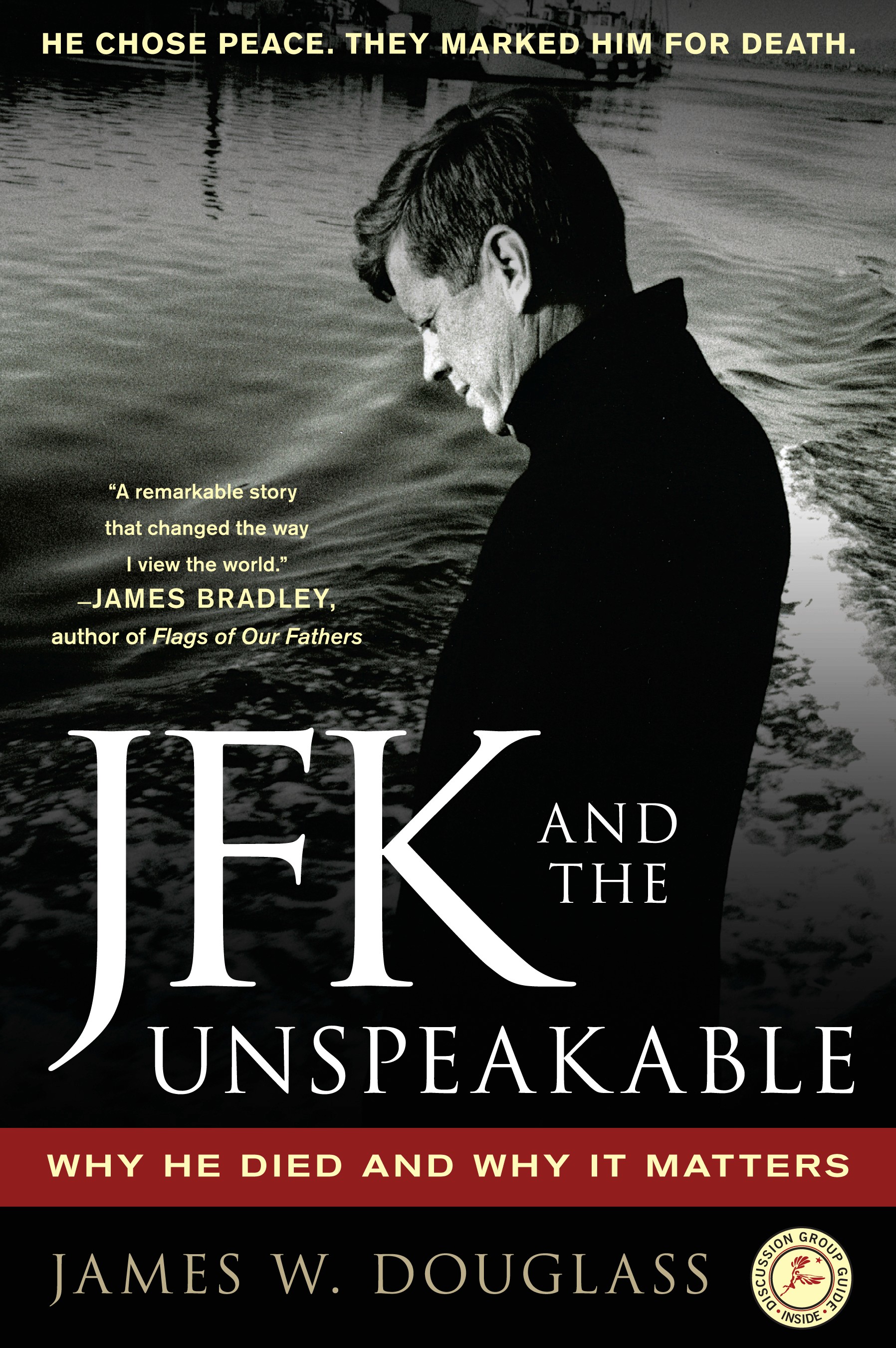
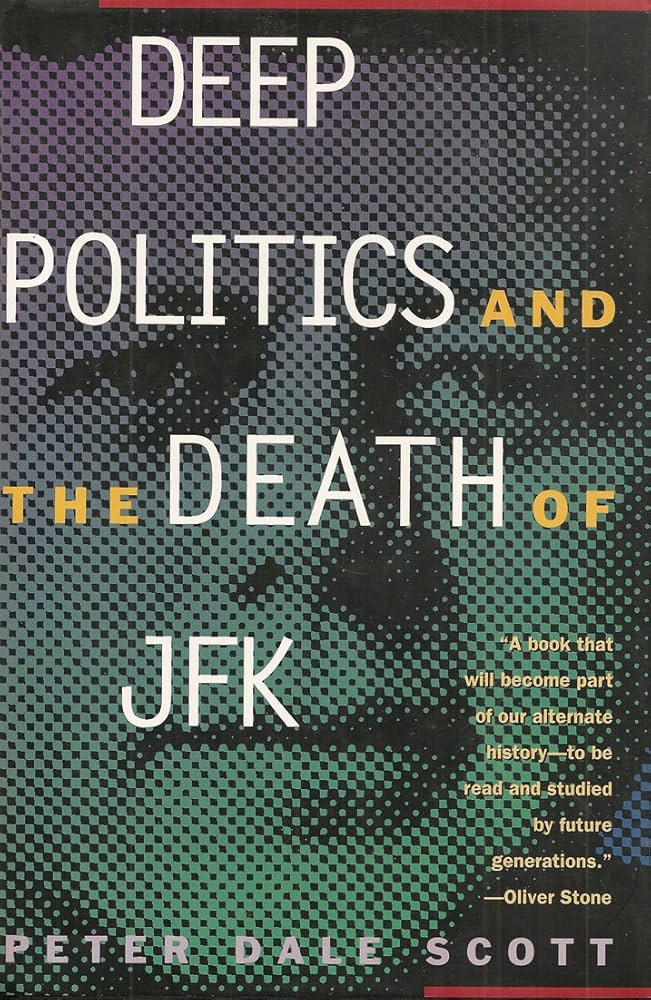
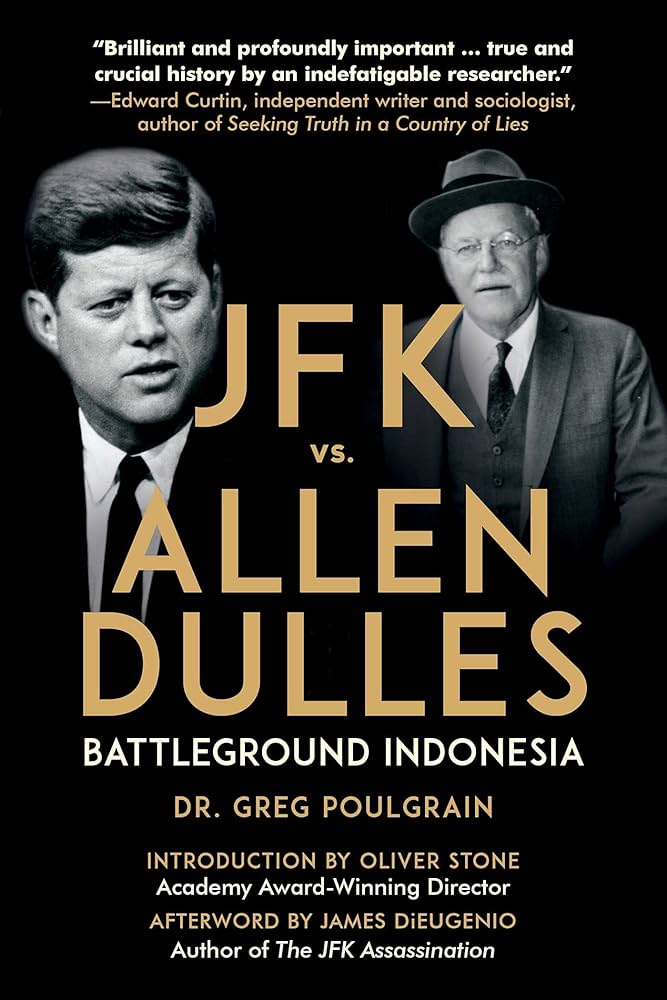
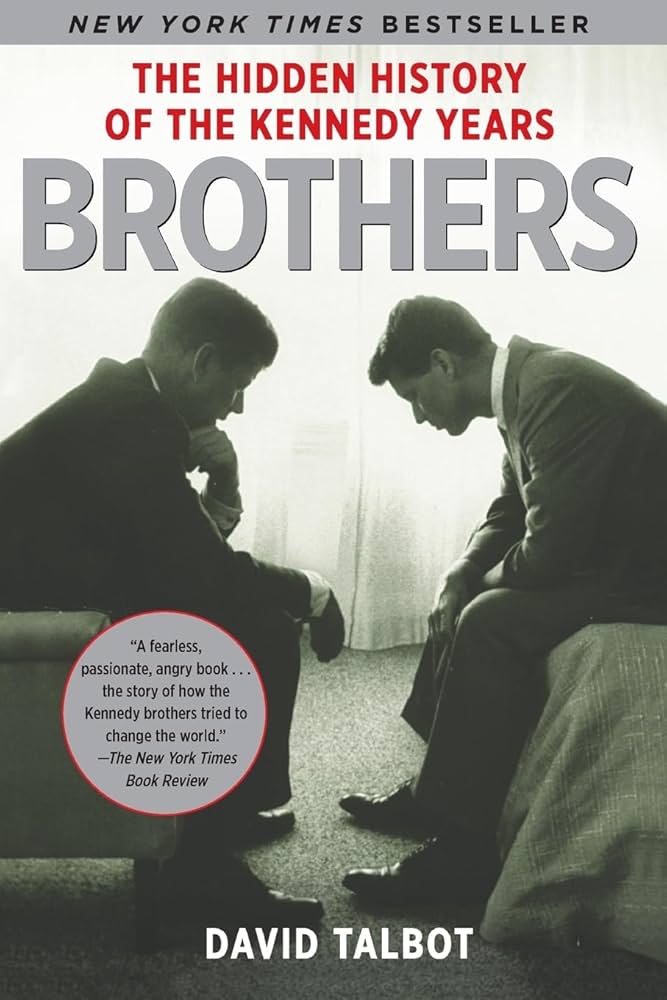
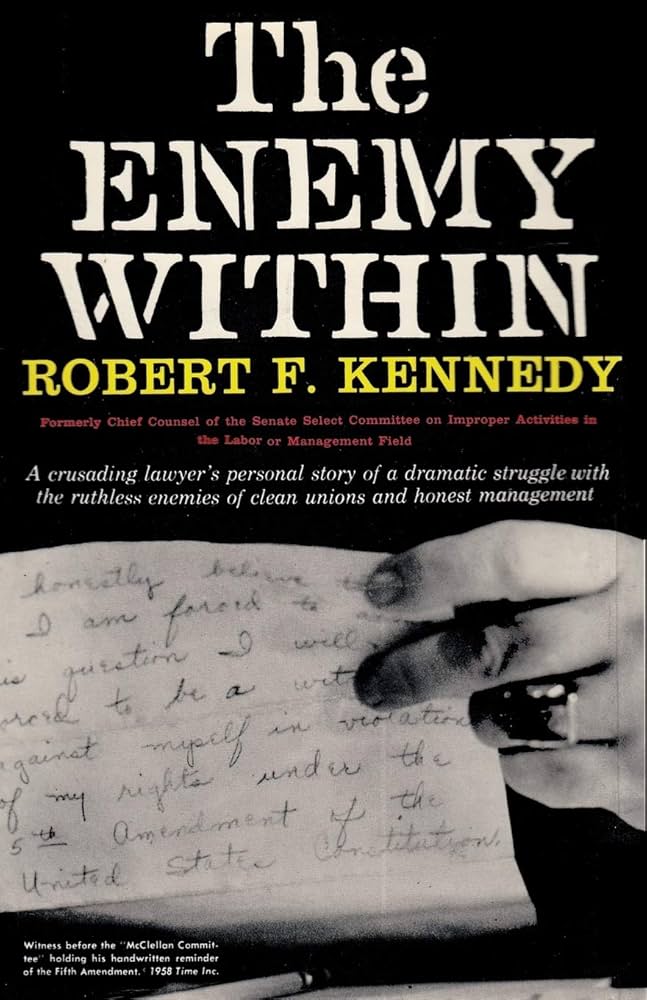
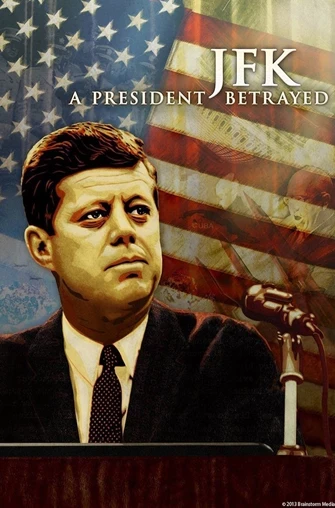
To understand why a president was removed, you first have to understand the specific interests he was threatening. Most people view 1963 through the lens of a tragedy, but in reality, it was the climax of an internal war for the future of American foreign policy. This stage examines the "redline" conflicts between Kennedy and the national security state: from his refusal to invade Cuba to his secret peace negotiations with the Soviets and his plans to withdraw from Vietnam. It’s not just historical context; it’s the motive. By looking at how JFK was systematically bypassing his generals and intelligence advisors, you begin to see that his removal wasn't a random act of violence, but a functional necessity for a system that demanded perpetual Cold War escalation.
Books

YouTube
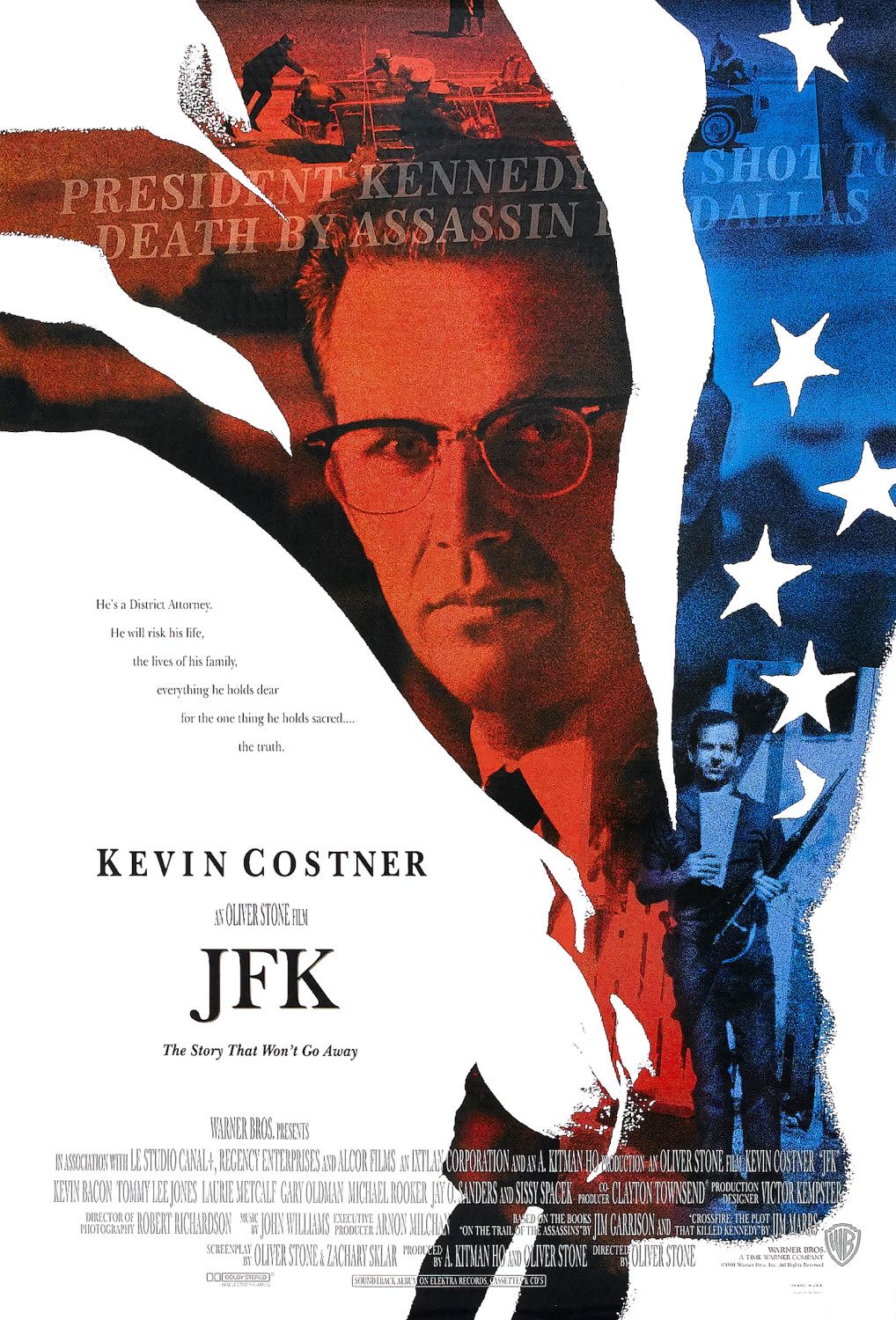
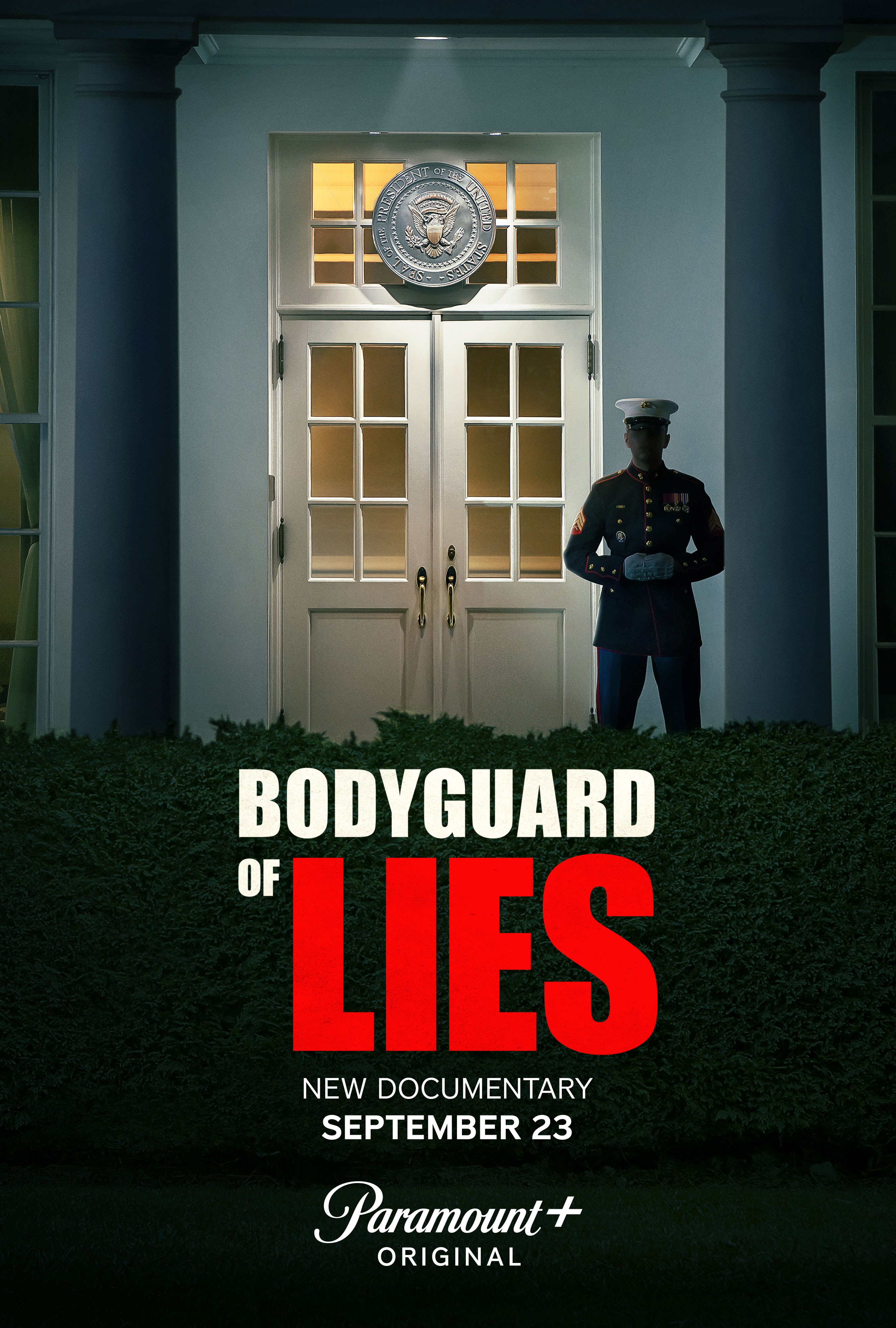
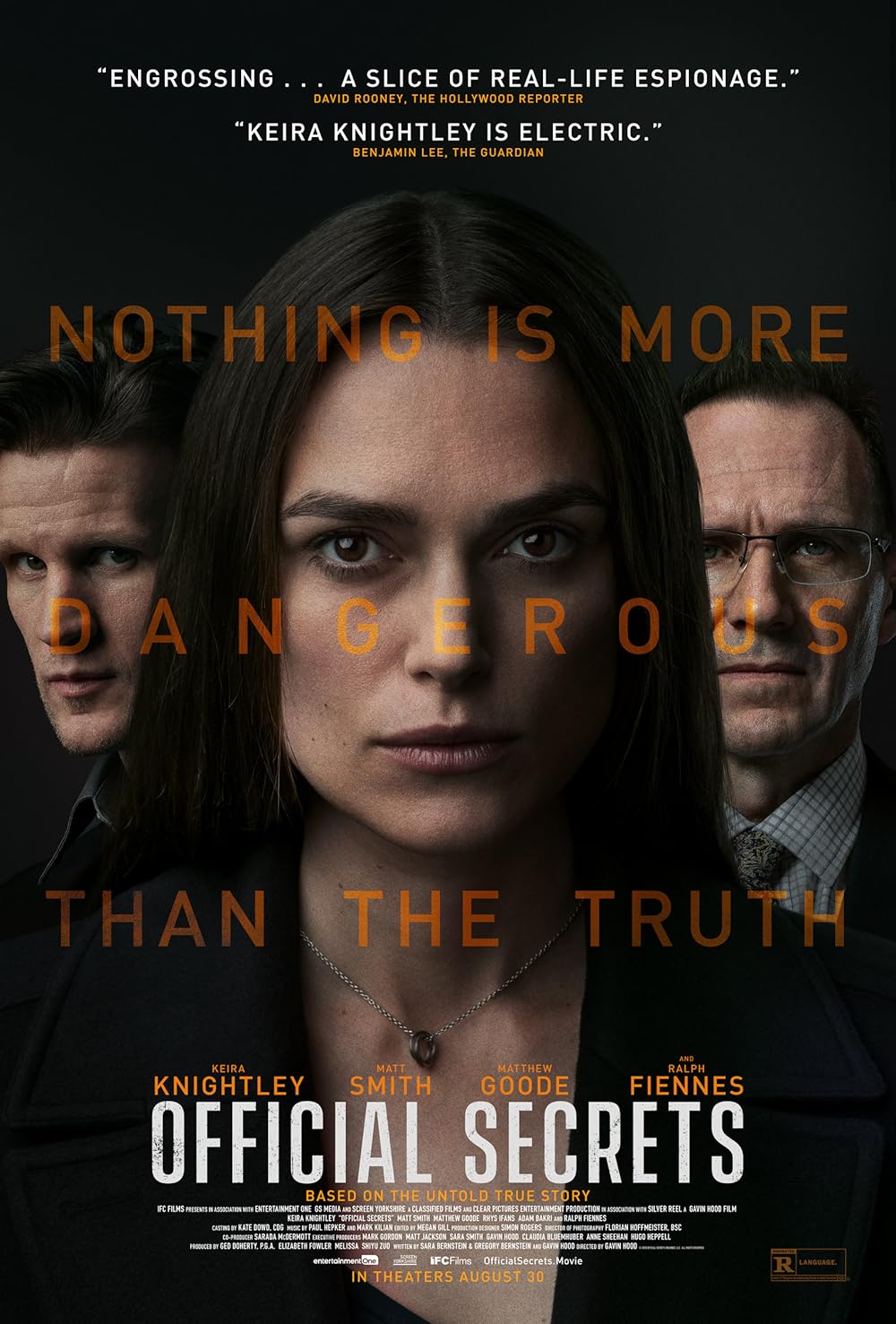
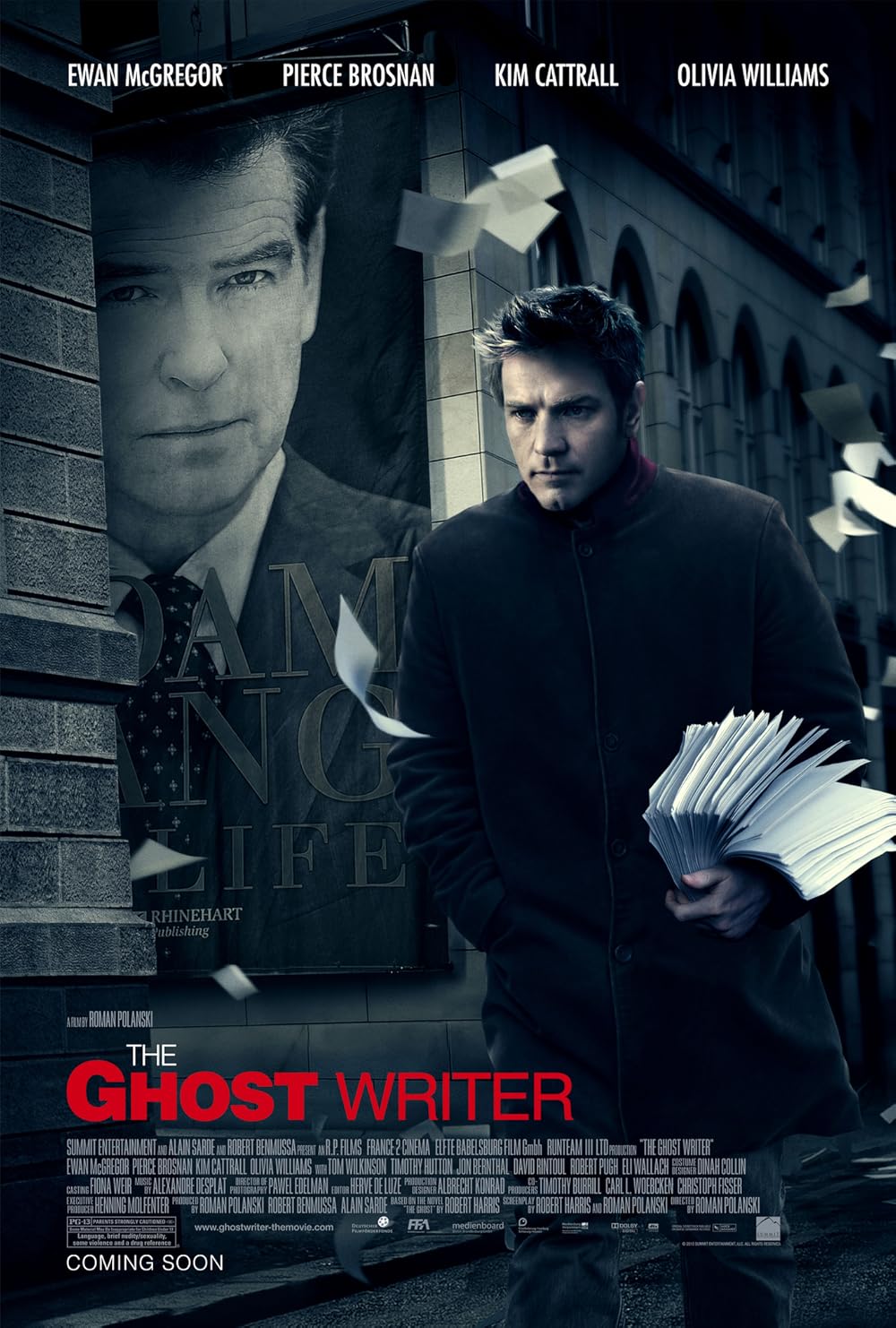
Documentaries/Movies
Stage 2
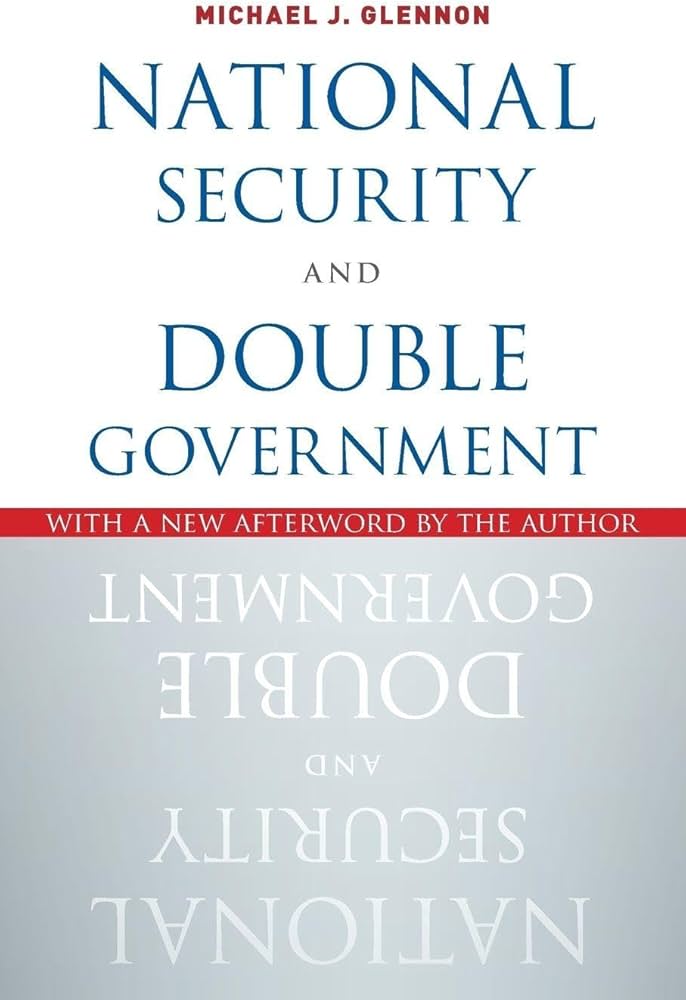
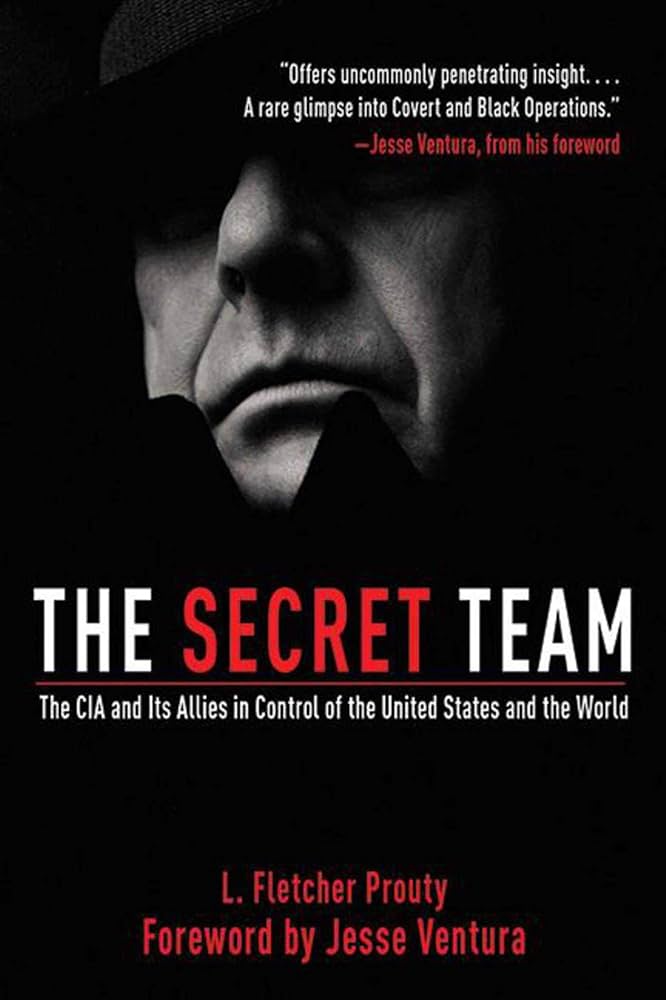
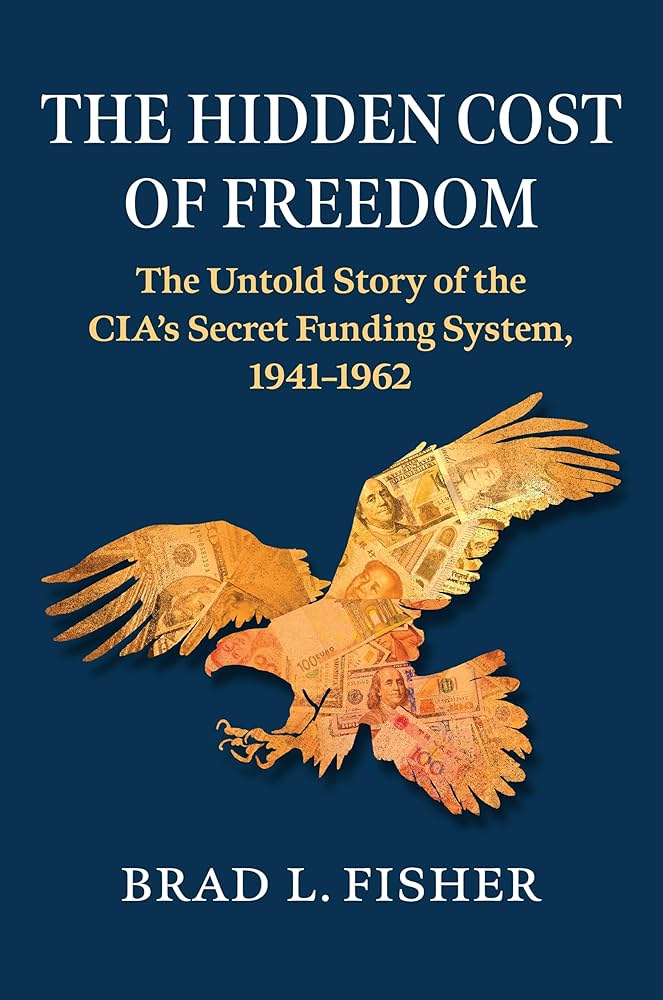
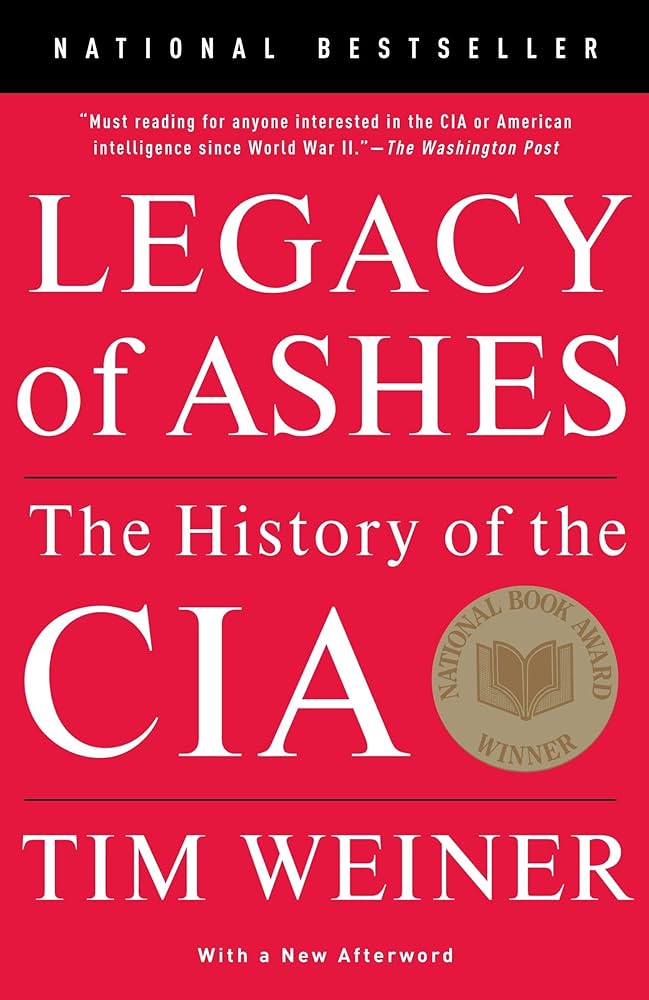
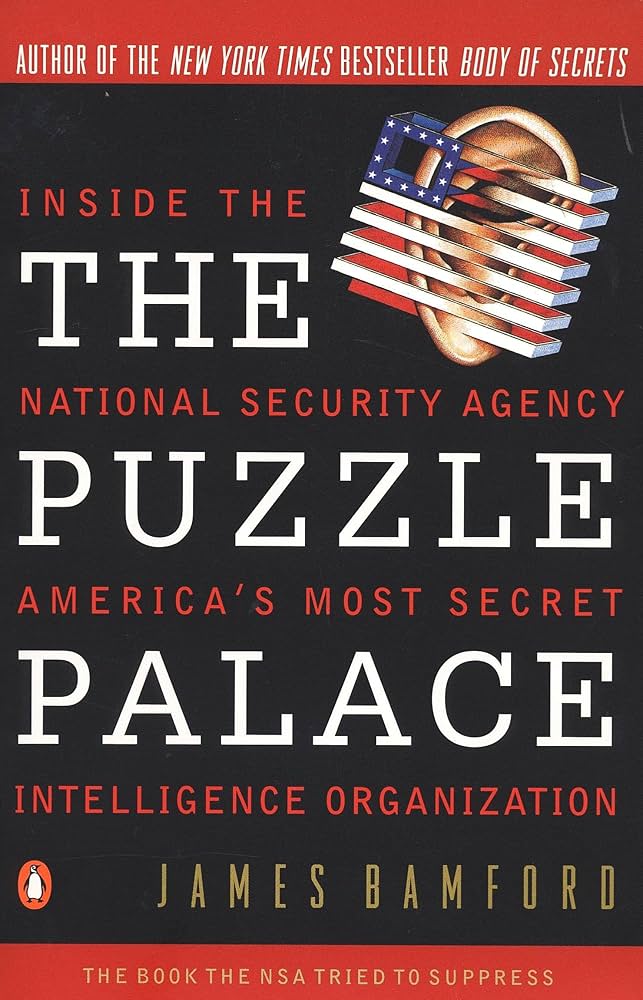
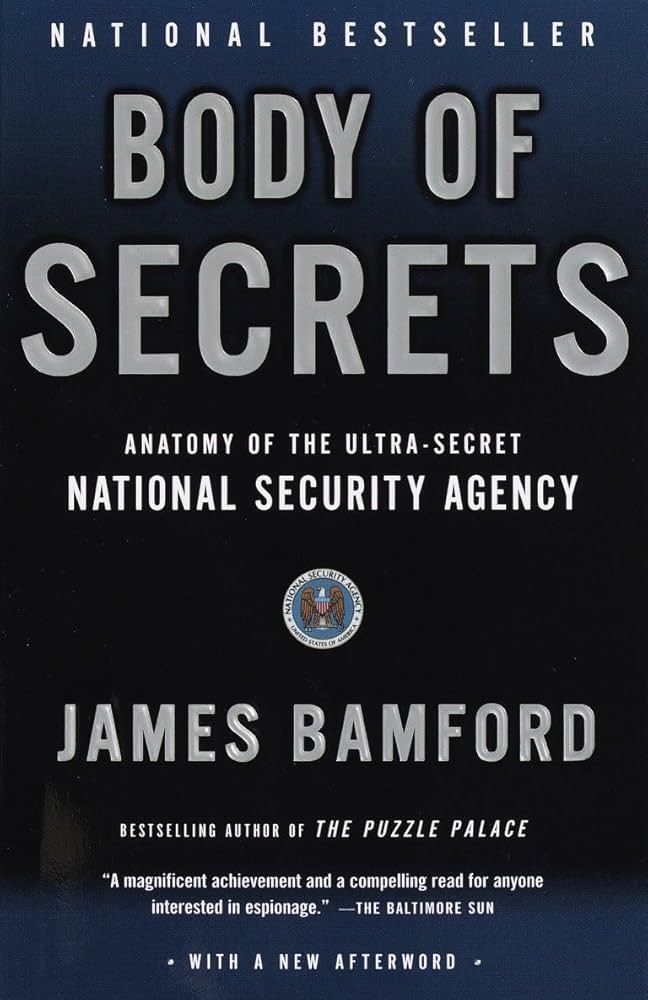
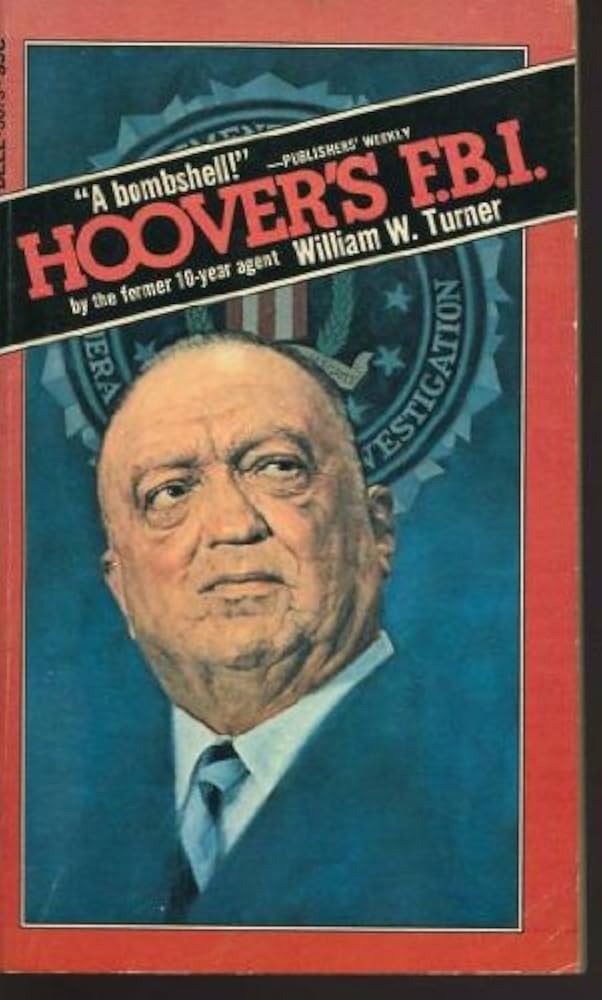
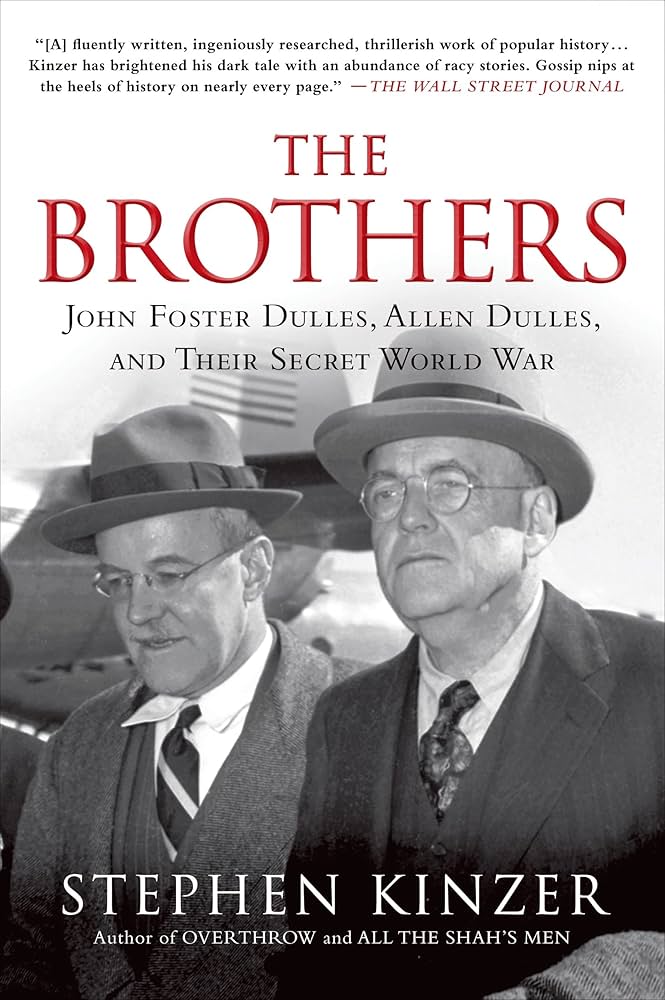
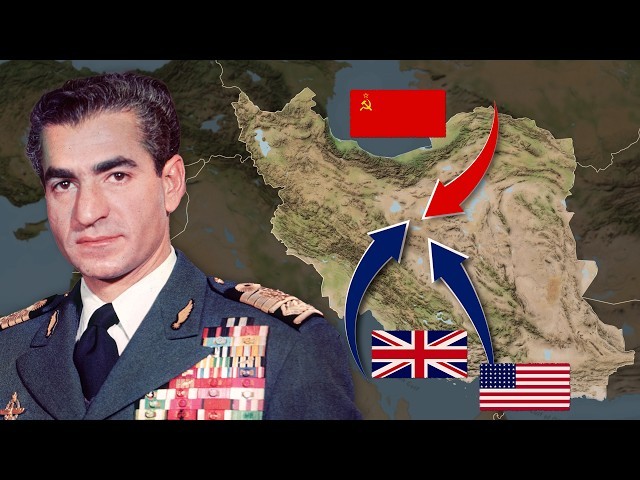
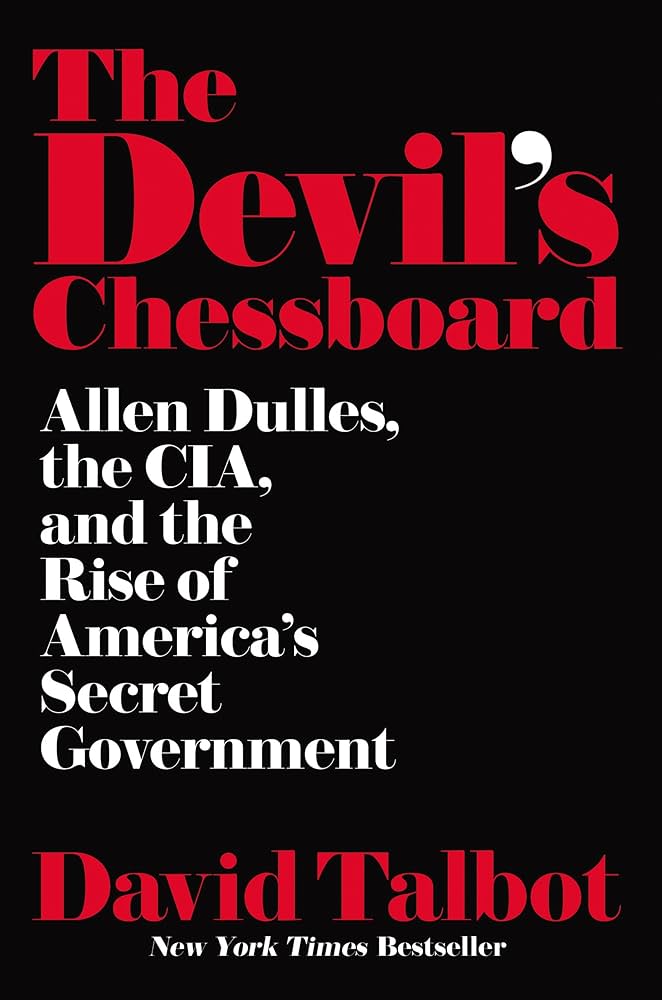
Modern American intelligence was born from the chaos of World War II, transitioning from the temporary Office of Strategic Services (OSS) to a permanent fixture via the National Security Act of 1947. Originally envisioned by President Truman as a centralized "newspaper" to coordinate information, the CIA quickly exploited vague statutory language and the CIA Act of 1949 to bypass Congressional oversight and budgetary transparency. Throughout the 1950s, under the leadership of Allen Dulles, the agency underwent a radical expansion in size and power, evolving from an information-gathering body into a global paramilitary force capable of toppling governments (Iran '53, Guatemala '54). By 1961, this "invisible government" possessed a secret "Black Budget" and an autonomous operational mandate that effectively placed it beyond the reach of the Constitutional Executive, setting the stage for a terminal collision with a President who intended to confront the newly formed "Deep State."
Books
YouTube
Stage 3
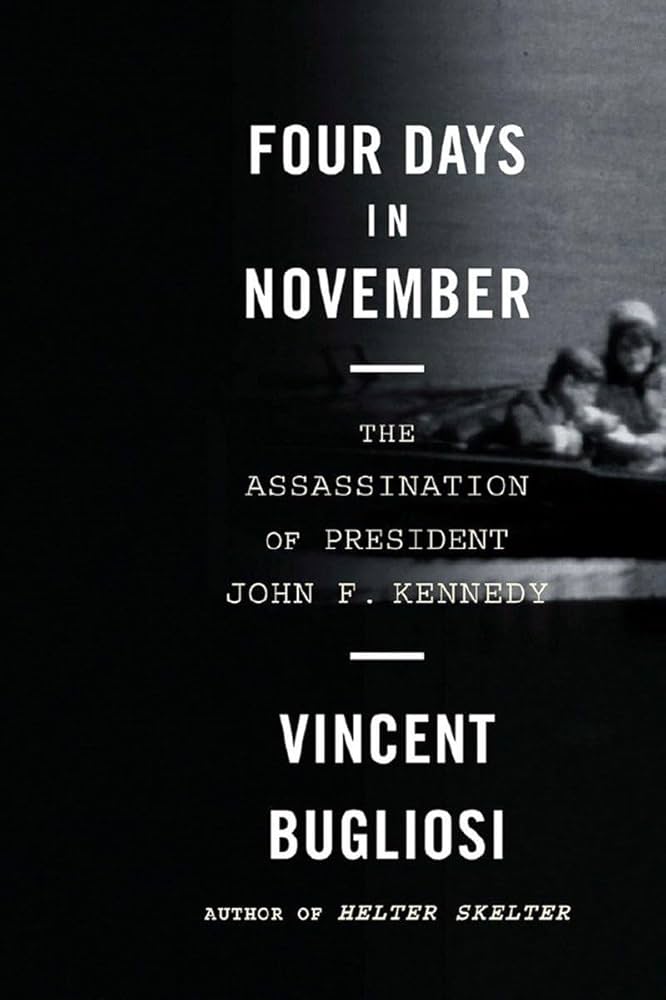
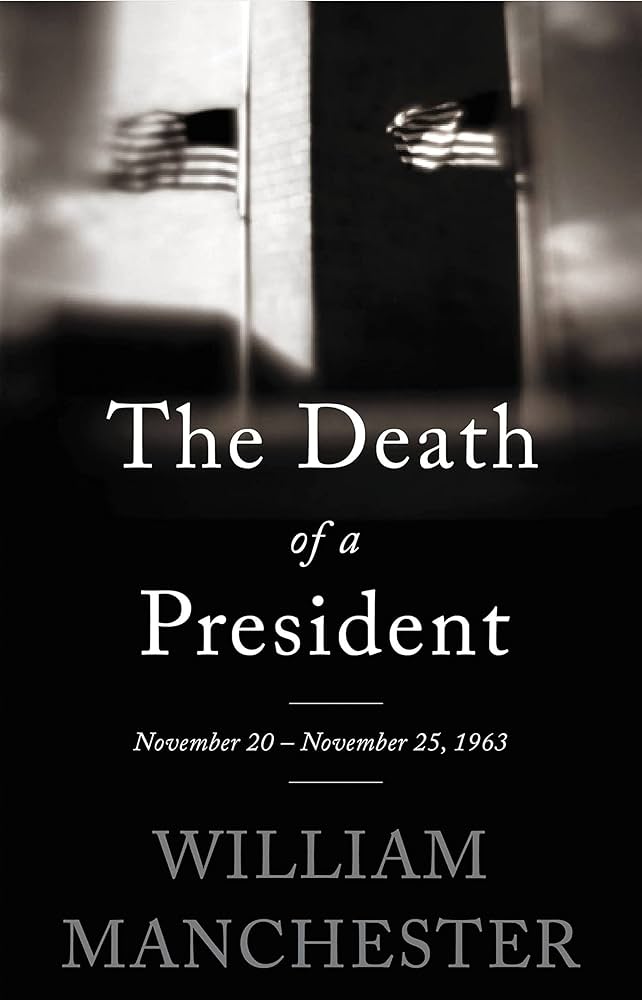
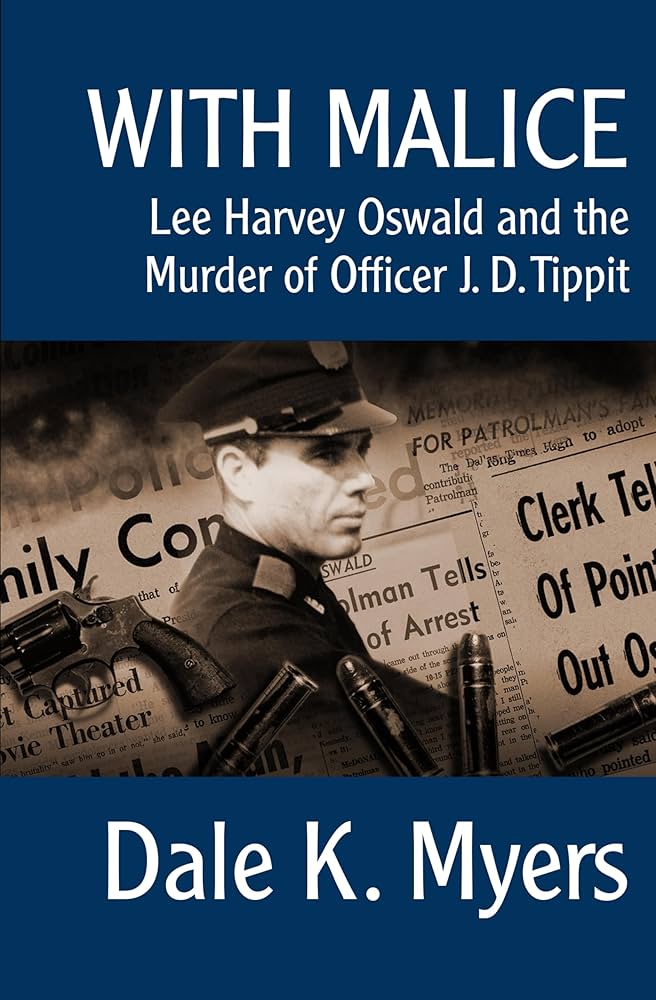
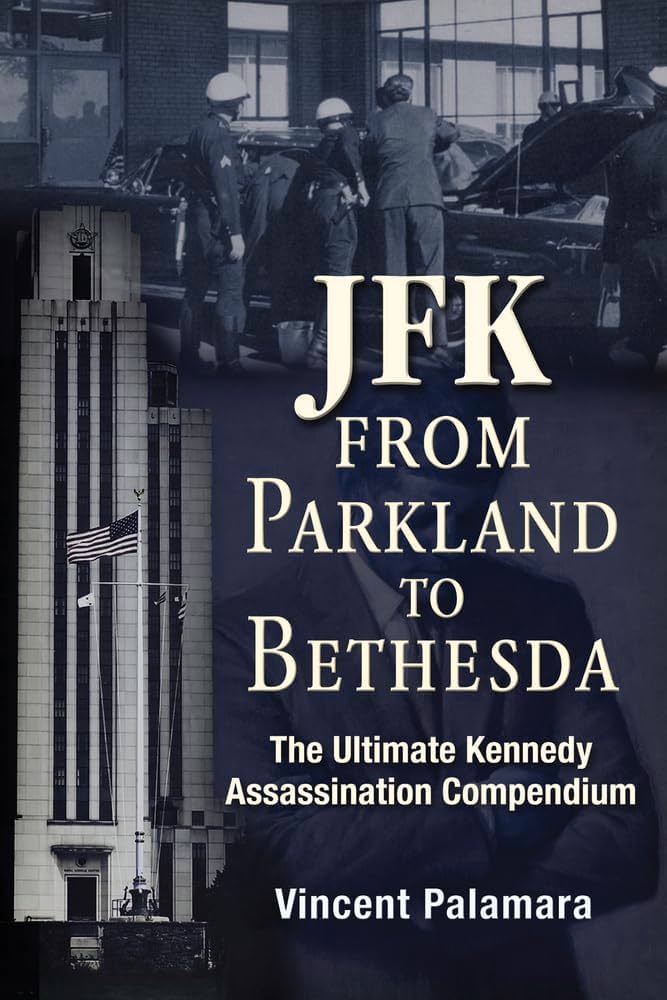
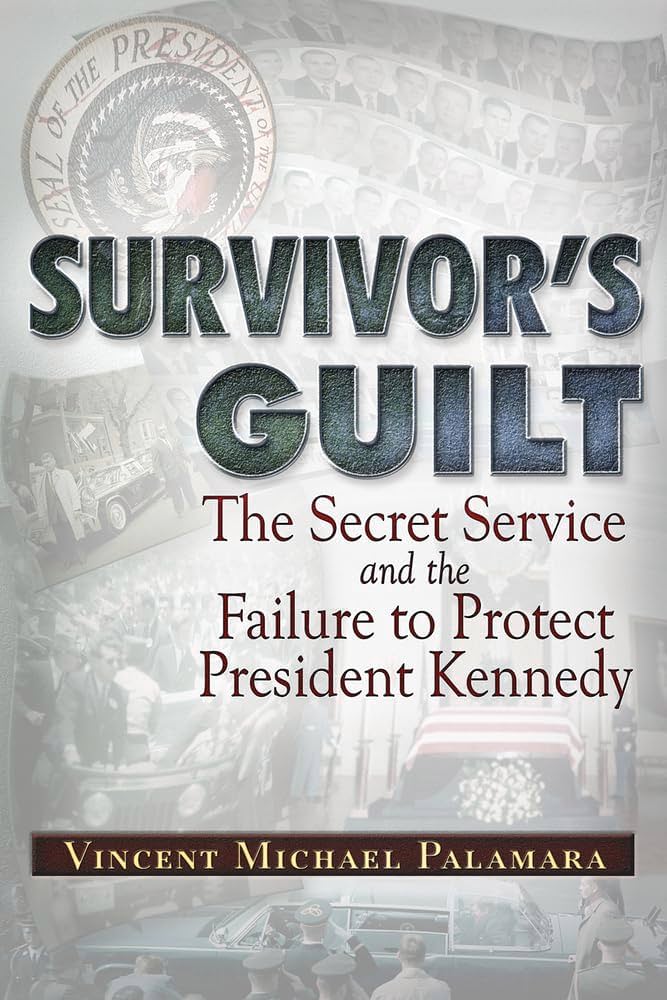
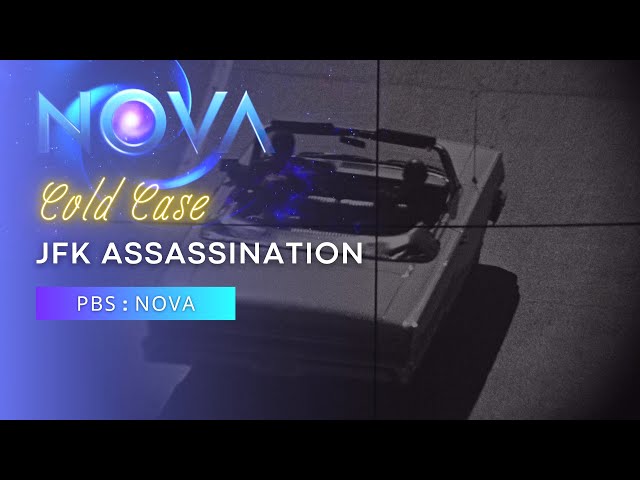
November 22, 1963, was a day defined by a series of high-stakes choices resulting in tragic coincidences. This stage takes you into the heat of Dealey Plaza to reconstruct the mechanics of the event. We begin at Love Field, following the motorcade as it winds through the cheering crowds of Main Street, only to watch the atmosphere shift as the limousine makes that fateful, slow-speed turn onto Elm Street.
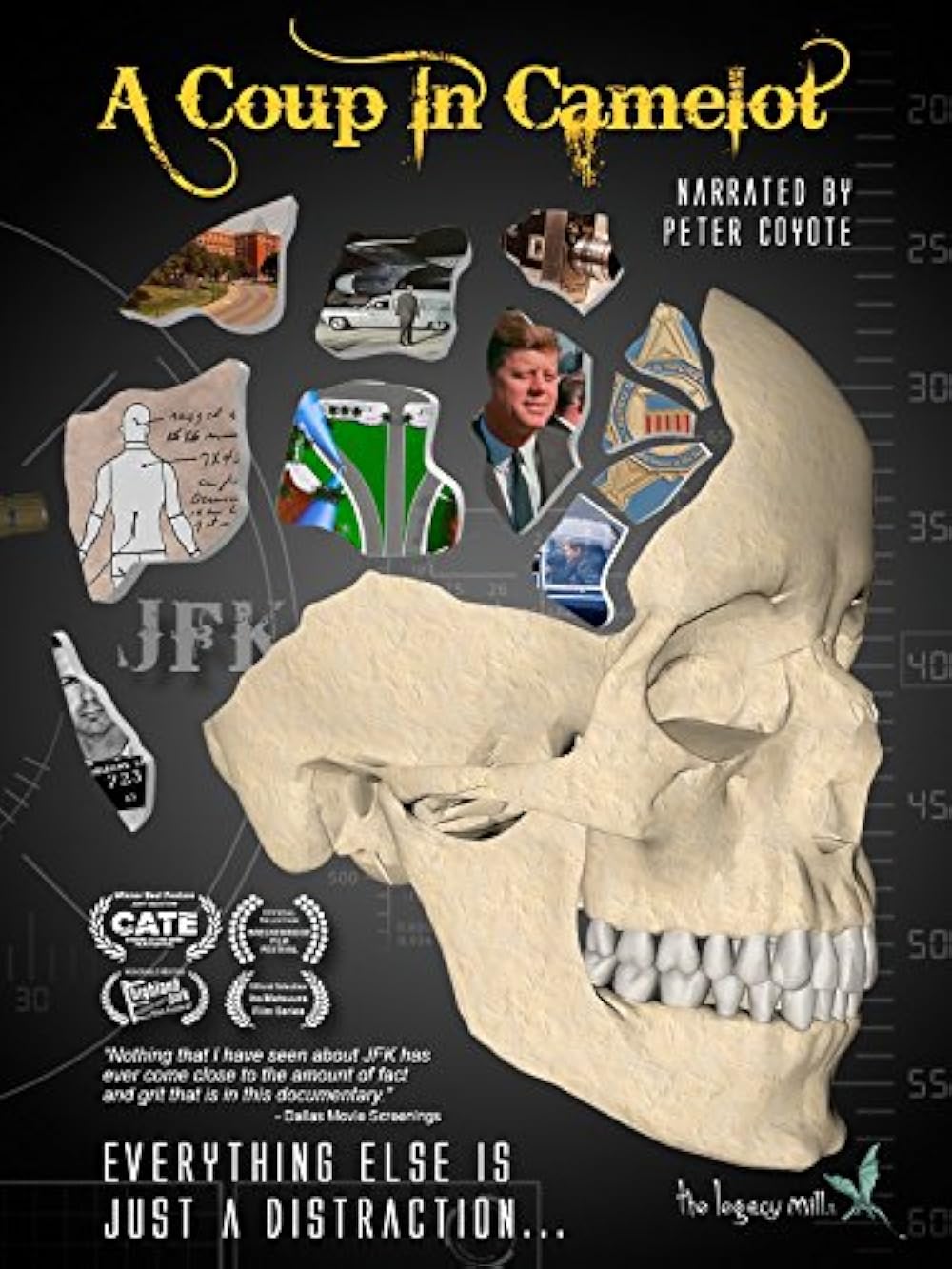
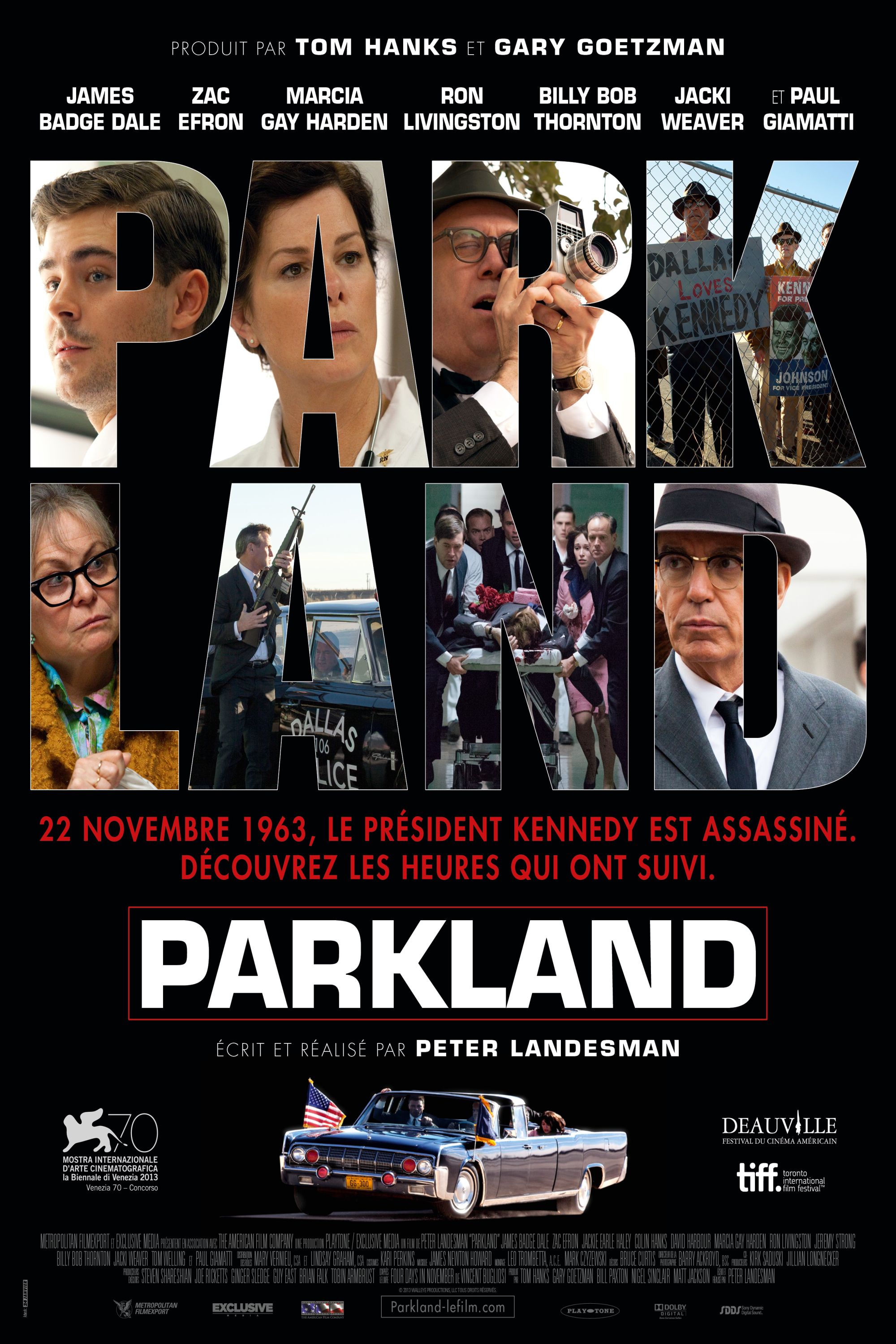
We aren't just looking at the "assassination"; we are analyzing a system failure. We will track the specific geometry of the "kill zone," the conflicting medical reports from the trauma room at Parkland Hospital, and the frantic, confusing manhunt through the streets of Oak Cliff. By the end of this stage, you will have a granular understanding of the physical evidence (the ballistics, the timing, and the acoustics) that serves as the ultimate "anchor" for future analysis.
Books
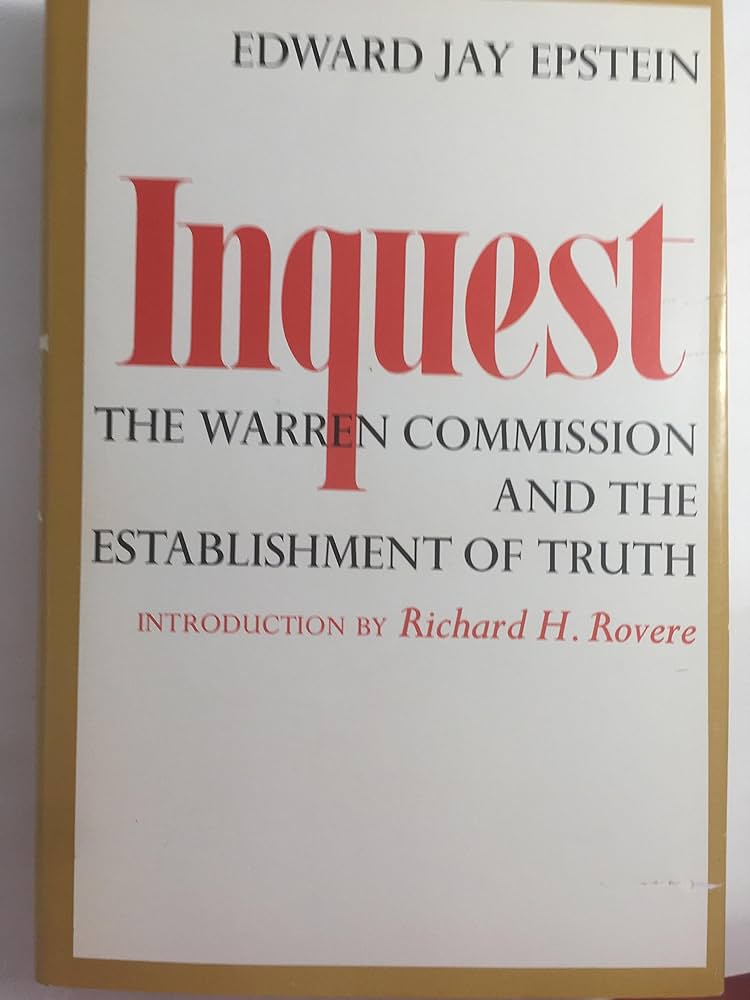
YouTube
Documentaries/Movies
Stage 4
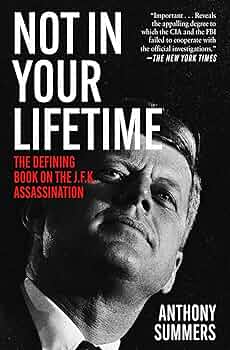
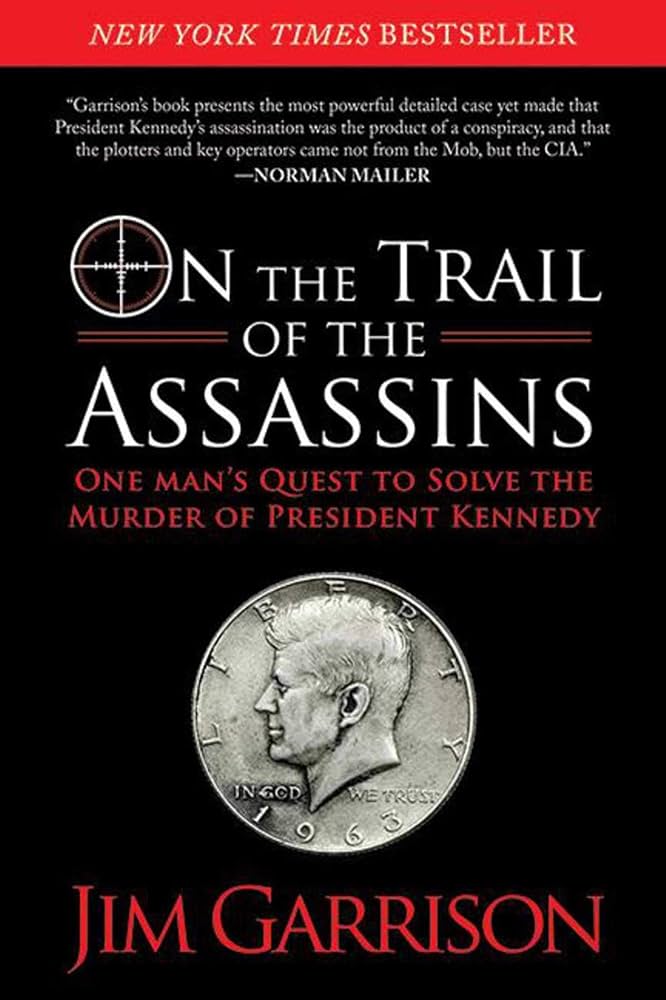
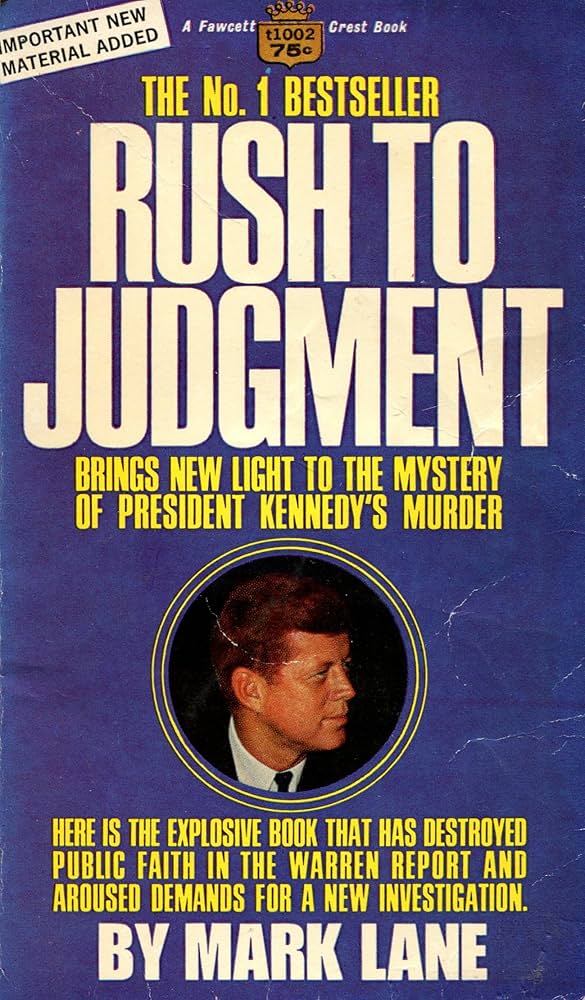
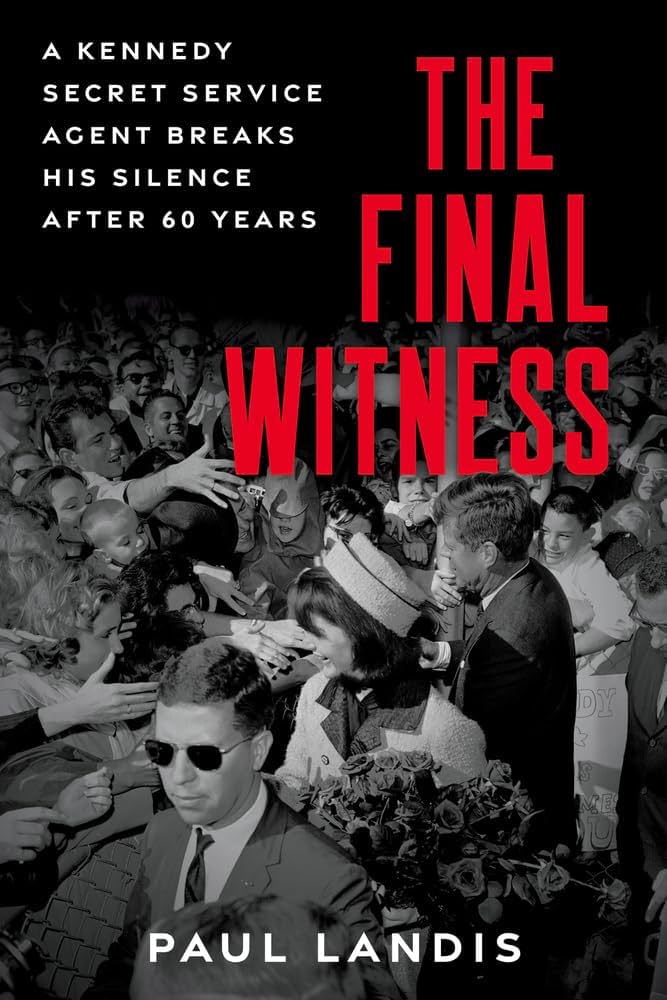
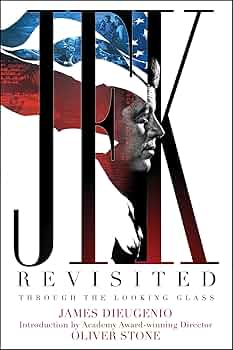
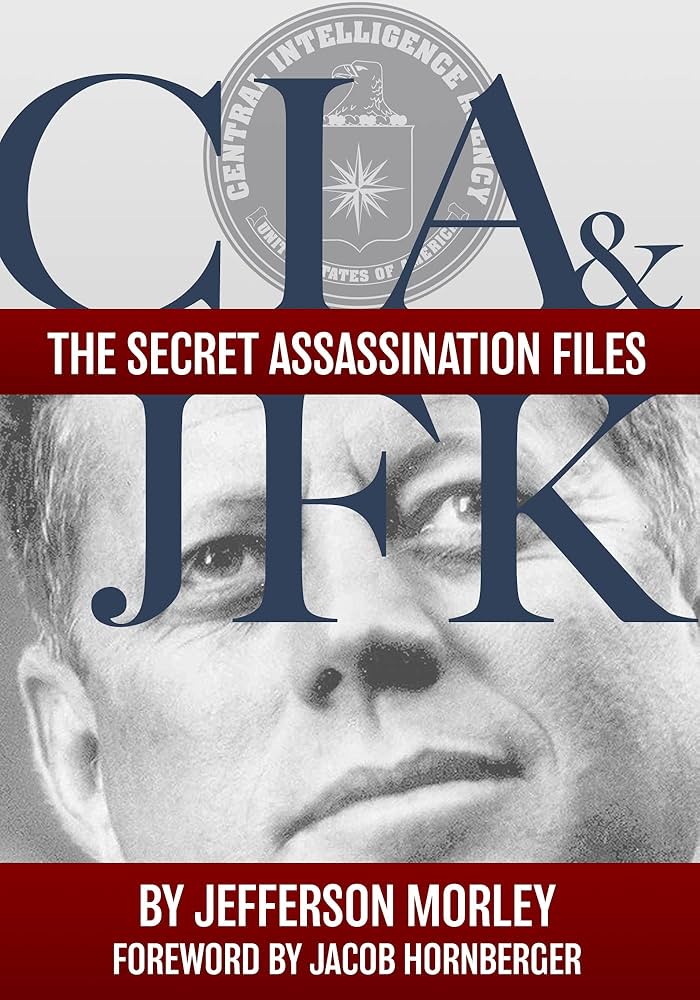
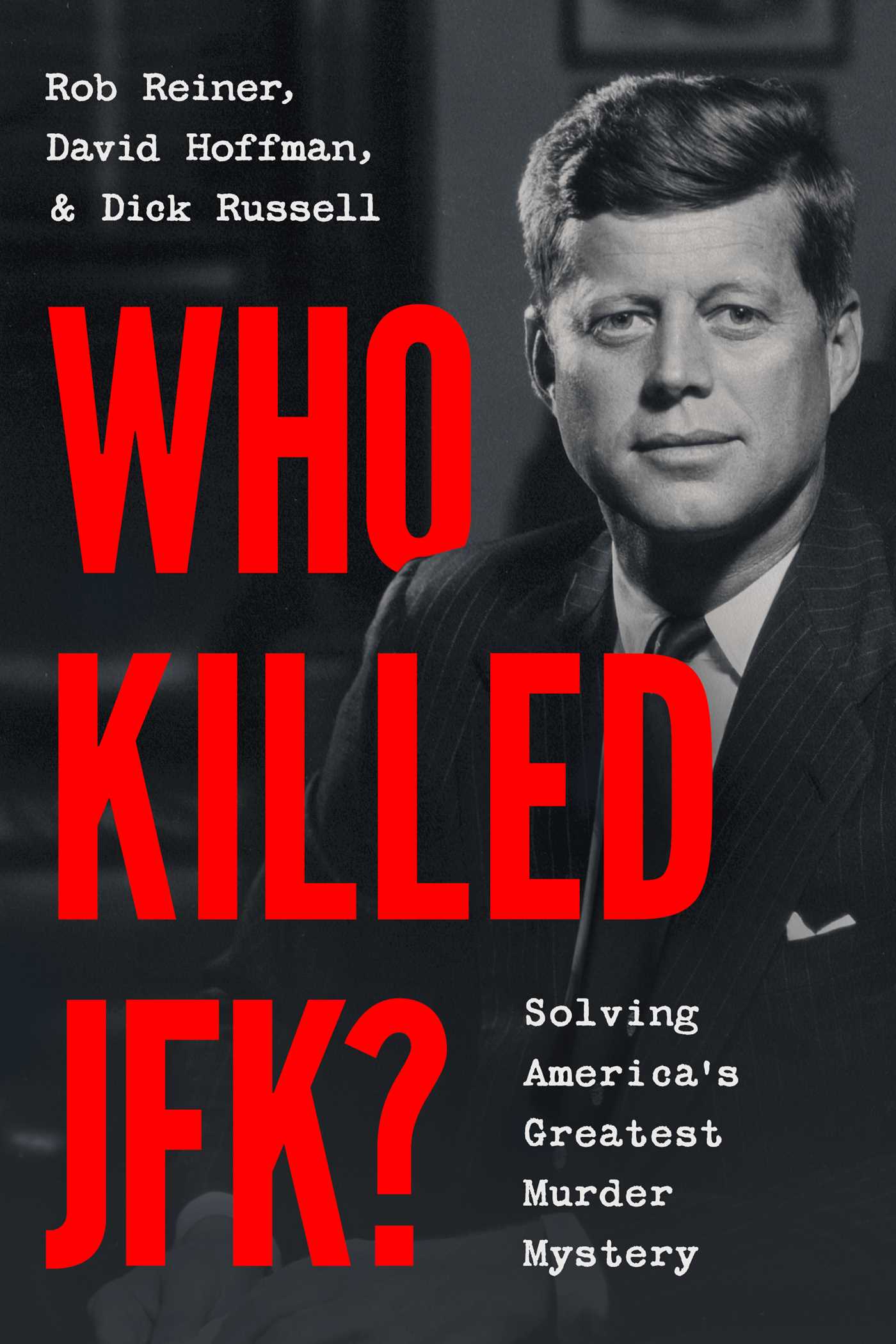
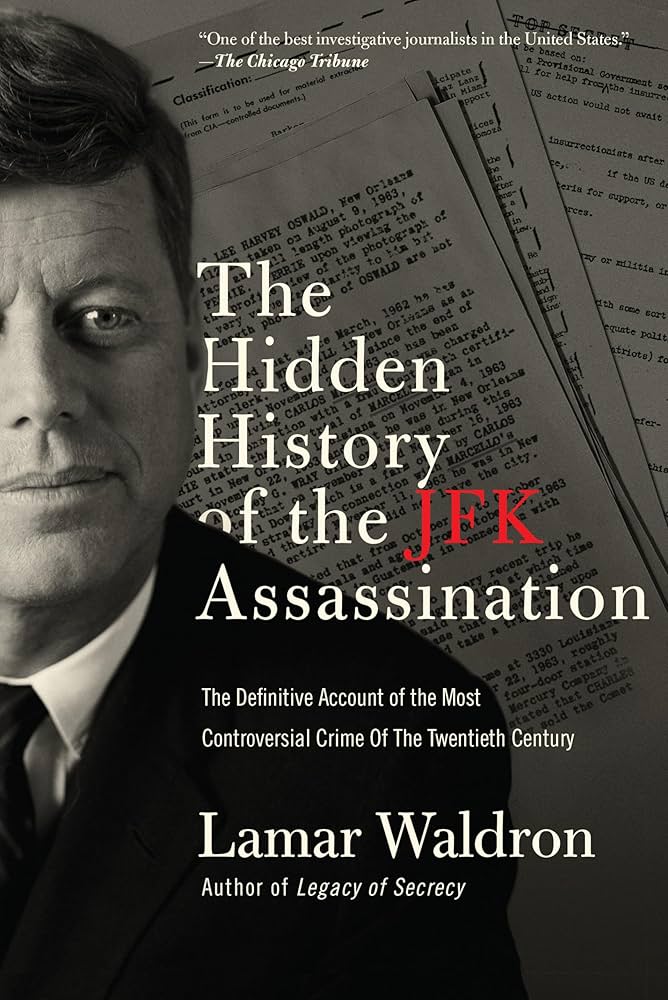
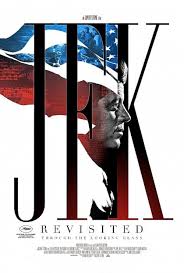
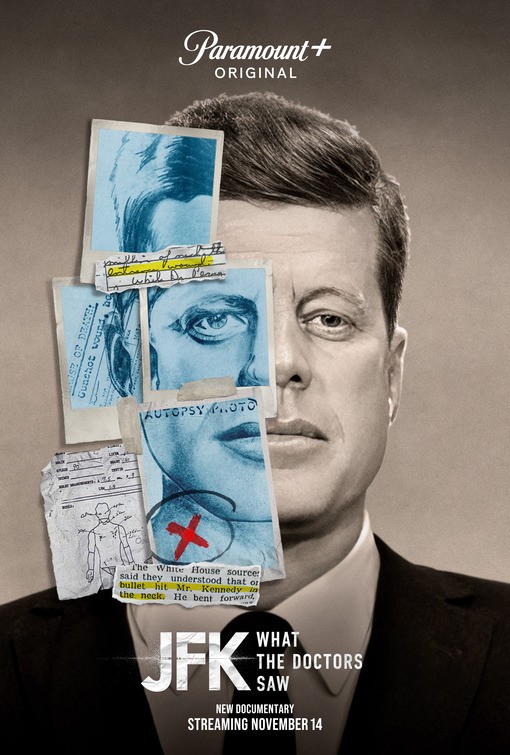
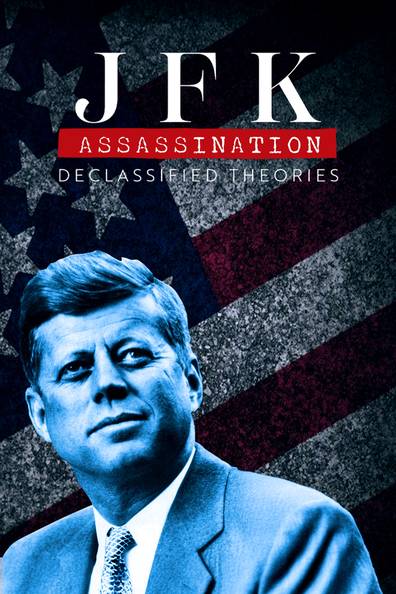
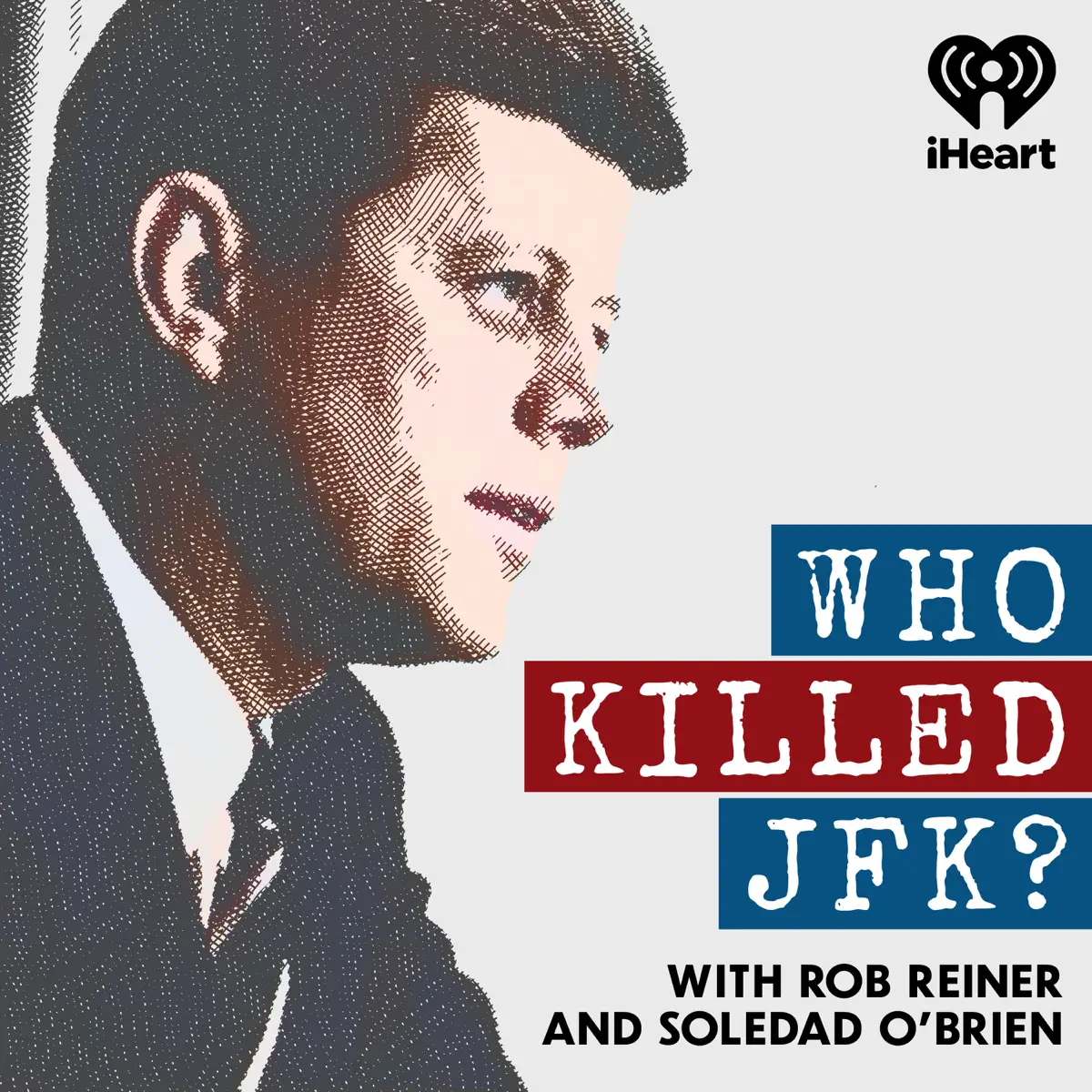
The sunshine of the Texas morning masks a deeper, darker climate of 1963: a world of clandestine wars, broken promises, and a President increasingly at odds with the very institutions meant to protect him. In this stage, we leave the physical boundaries of the motorcade and step into the shadow-filled hallways of power to investigate the architecture of a coup. We shift our focus to the "why," examining the volatile intersection where Cold War paranoia met the ruthless efficiency of the modern state.
We will explore the Intelligence Angle, where a disillusioned CIA and a massive Military-Industrial Complex saw Kennedy as a traitor for his "soft" stance on Communism and his threat to shatter the agency into a thousand pieces. We will scrutinize the Political Angle, examining the high-stakes desperation of an embattled Vice President and a political establishment that saw a total reversal of Vietnam policy within hours of the shots being fired. Finally, we look at the Foreign Angle, examining the geopolitical fallout of the Bay of Pigs and the Cuban Missile Crisis. We will analyze the documented intelligence trail that placed the primary suspect in the crosshairs of both the Soviet and Cuban governments during his mysterious travels from New Orleans to Mexico City.
By the end of this stage, you will analyze the assassination not as a random act of violence, but as the strategic removal of a leader who had become an existential threat to the status quo.
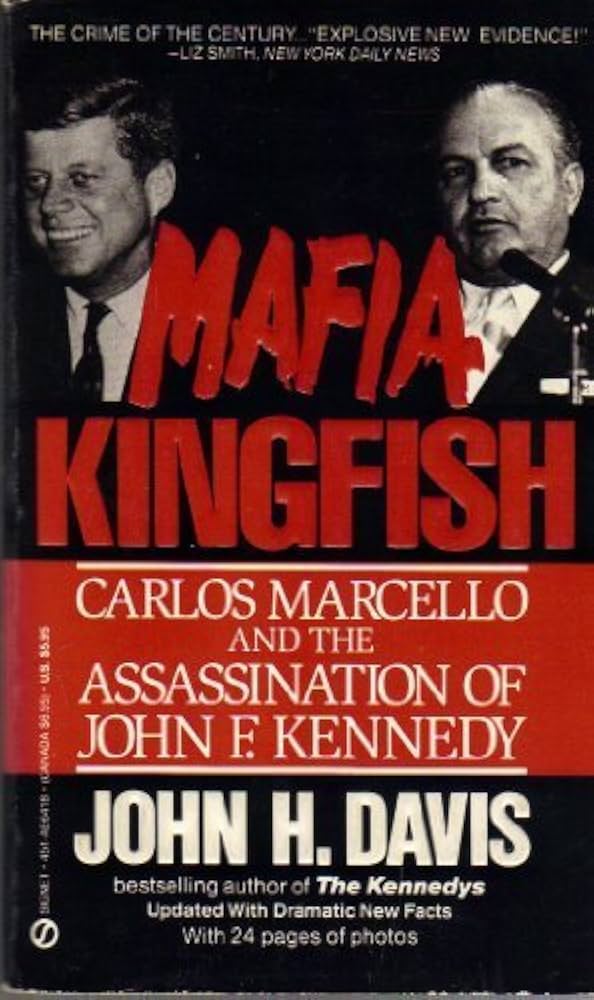
Books
YouTube
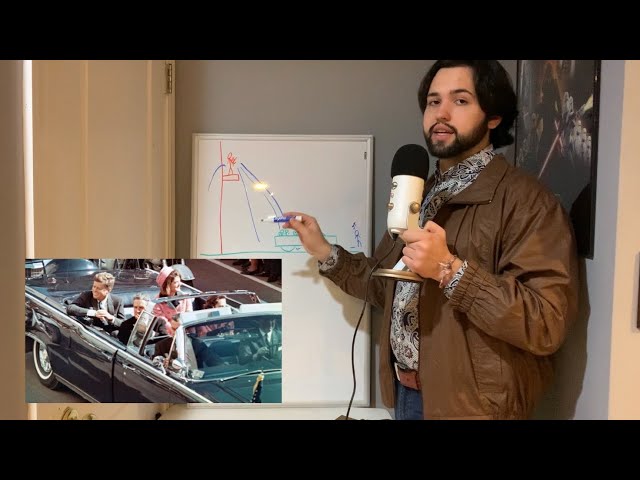
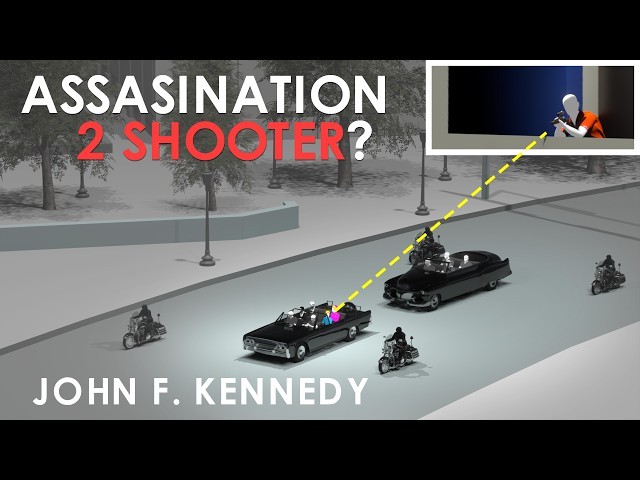

Documentaries/Movies
Stage 5
The assassination in Dallas initiated a fundamental shift in the relationship between the American public and its government. In this final stage, we move beyond the forensic evidence of 1963 to examine the lasting impact on national trust. We analyze the event as the moment the consensus between the state and the people began to dissolve, giving rise to a culture where official accounts are met with systemic doubt.
We will explore the Institutional Erosion, tracing how the perceived failures of the initial investigations helped establish the "conspiracy theory" label as a tool for dismissing dissent. We will also examine the Legislative Battle, including the 1992 JFK Records Act, which underscores a persistent culture of secrecy.
Most importantly, we analyze the Intelligence Consolidation, where the CIA (and other intelligence services) expanded their jurisdictional reach and operational autonomy in the decades following the assassination. We will examine the birth of the "Deep State": the concept of a permanent, unelected bureaucracy that operates outside of executive oversight. By investigating the precedent set in 1963, we consider the chilling possibility that an apparatus capable of such a decisive strike against a sitting President functions as a permanent check on all who have followed, ensuring that the boundaries of the national security state remain unchallenged.
By the end of this stage, you will analyze the assassination not as a historical relic, but as an active force that continues to define the boundaries of political transparency and the expansion of the modern national security state.
Books
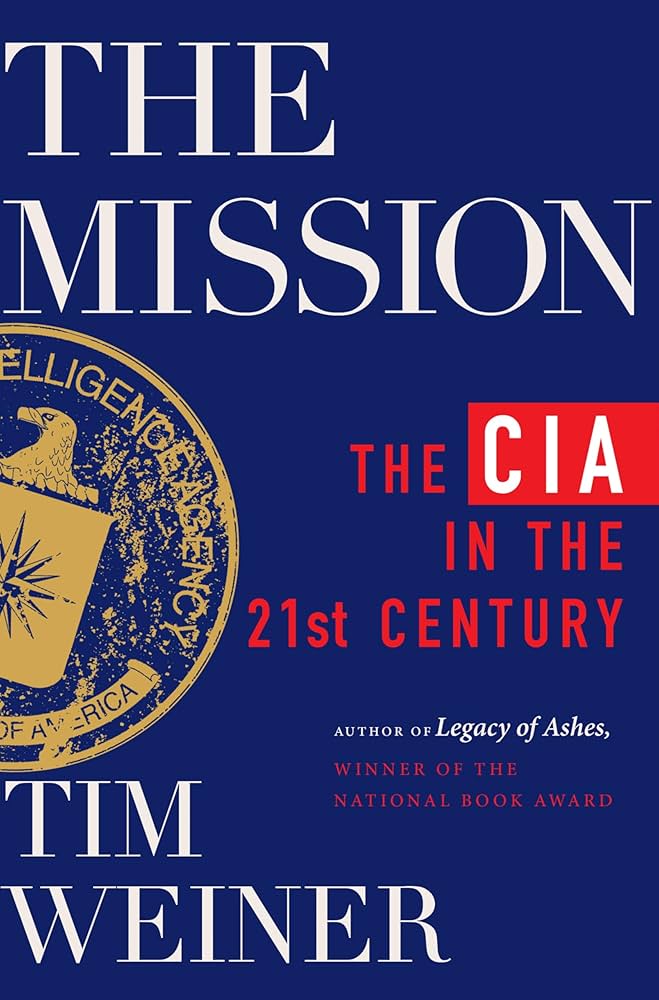
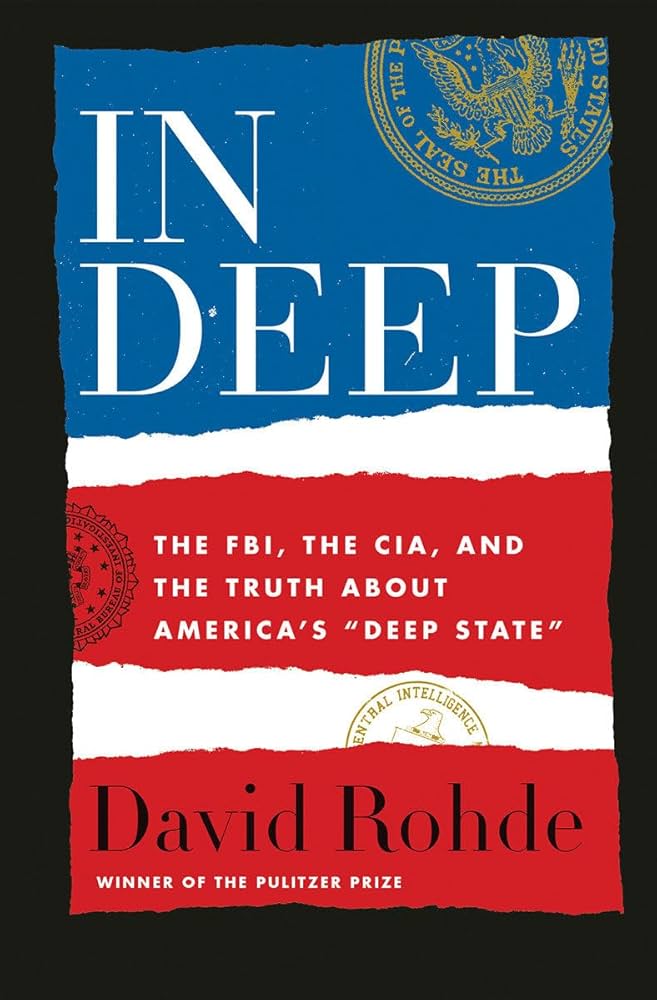
YouTube
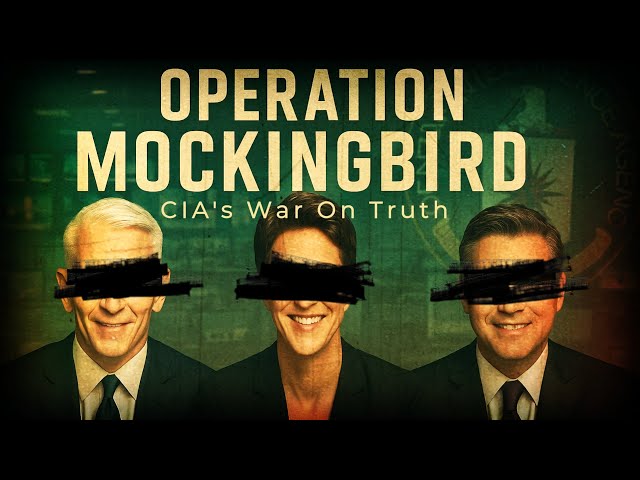
Documentaries/Movies
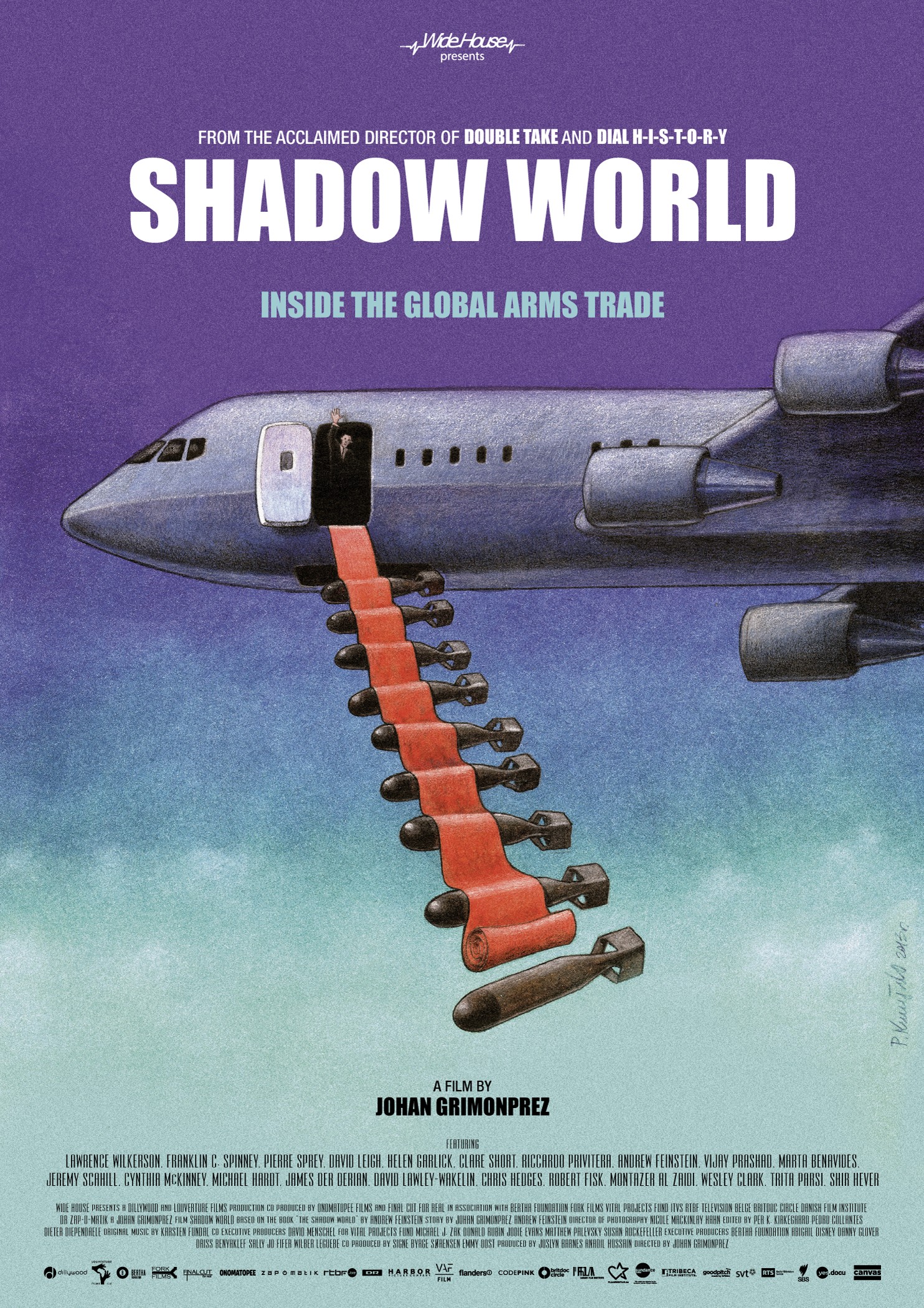
What is a Conspiracy Theory?
A conspiracy theory is an explanation for an event or situation that proposes a secret plot by powerful groups, usually operating outside of public knowledge or official narratives. At its core, it's the belief that what we're told isn't the whole story.
The term gets thrown around as a way to dismiss ideas without engaging with them, and that's not an accident. The phrase "conspiracy theory" was popularized by the CIA in the 1960s as a tool to discredit critics of the Warren Commission's findings on the JFK assassination. In other words, the label used to shut down conspiratorial thinking? That's kind of a conspiracy.
That's not to say every theory is true. Most aren't. But the history of the world is also full of actual conspiracies that were once dismissed as paranoid fantasy before being confirmed as fact. Knowing the difference between useful skepticism and a rabbit hole that never ends is exactly what this site is built for.
Are all Conspiracy Theories True?
A conspiracy theory is an explanation for an event or situation that proposes a secret plot by powerful groups, usually operating outside of public knowledge or official narratives. At its core, it's the belief that what we're told isn't the whole story.
The term gets thrown around as a way to dismiss ideas without engaging with them, and that's not an accident. The phrase "conspiracy theory" was popularized by the CIA in the 1960s as a tool to discredit critics of the Warren Commission's findings on the JFK assassination. In other words, the label used to shut down conspiratorial thinking? That's kind of a conspiracy.
That's not to say every theory is true. Most aren't. But the history of the world is also full of actual conspiracies that were once dismissed as paranoid fantasy before being confirmed as fact. Knowing the difference between useful skepticism and a rabbit hole that never ends is exactly what this site is built for.
Do I need to read or watch all of the Suggested Content?
No. The guides are designed to be comprehensive, not mandatory. We cast a wide net on purpose, to cover as many angles, perspectives, and voices as possible so the full picture of each subject is available to you.
That said, if you want to go deeper on a specific corner of a topic, the resources are there for exactly that.
If you're looking for the most direct path through a guide, keep an eye out for resources highlighted in yellow. Those are the ones we consider essential for that stage: the pieces that will do the most work in building your understanding. Think of them as the must reads, and everything else as the deeper dive.
Is the existing content final for each Conspiracy?
Not at all. Each guide is a living document. We are constantly looking to improve, update, and expand the content. There may be a book or video we missed, a perspective we haven't covered, or new information that changes the conversation entirely. If it makes a guide better, we want it in there.
Will there be more Conspiracies added?
Of course. There will always be events where the official story and the available facts don't quite line up, and those gaps are worth exploring. Some conspiracies have decades of research and documentation behind them while others are still taking shape, so the depth of each guide will naturally vary.
If there is a conspiracy you feel passionate about and don't see covered here, get in touch. We will do our best to give it the attention it deserves.
Should I trust all of the sources?
That is entirely up to you. Conspiracy research is naturally confrontational territory. You will encounter conflicting facts, competing narratives, and personalities who do not agree on much. Part of the work is learning to distinguish what is documented fact from what is speculation, interpretation, or agenda.
With that said, it is worth keeping in mind that YouTube videos and documentaries tend to be where you will find the most exaggeration and creative fact interpretation. That does not make them without value, some of the most important voices in this space live there, but it does mean your critical eye needs to be sharper. Read, watch, compare, and decide for yourself.
Note: We do include movies that aren’t necessarily academic but are dramatic versions of the events, providing an artistic view of actual events. Doesn’t hurt to have some fun while we learn!
What order should I tackle the Conspiracies?
There is no wrong entry point. Start with whatever subject you find most interesting or compelling and go from there.
That said, you may notice as you work through the guides that many conspiracies share overlapping stories, characters, and timelines. This is by design, not coincidence. A book you read for one guide may end up being essential context for three others. For example, several conspiracies trace their roots to the same era surrounding the formation of the CIA, so the foundational material you pick up early will carry further than you might expect.
In that sense, the more guides you work through, the more connected everything starts to feel.