Freemasons
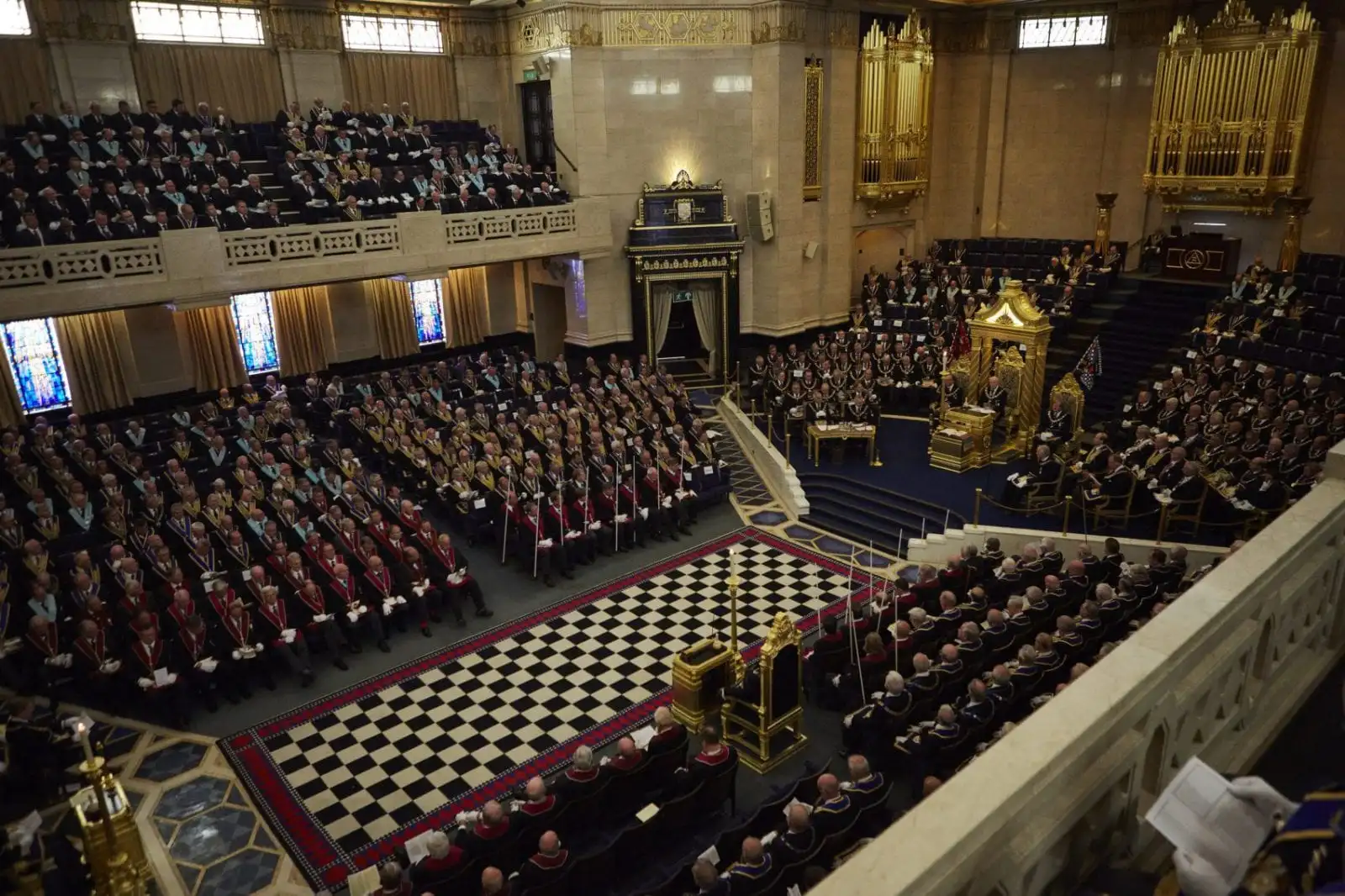
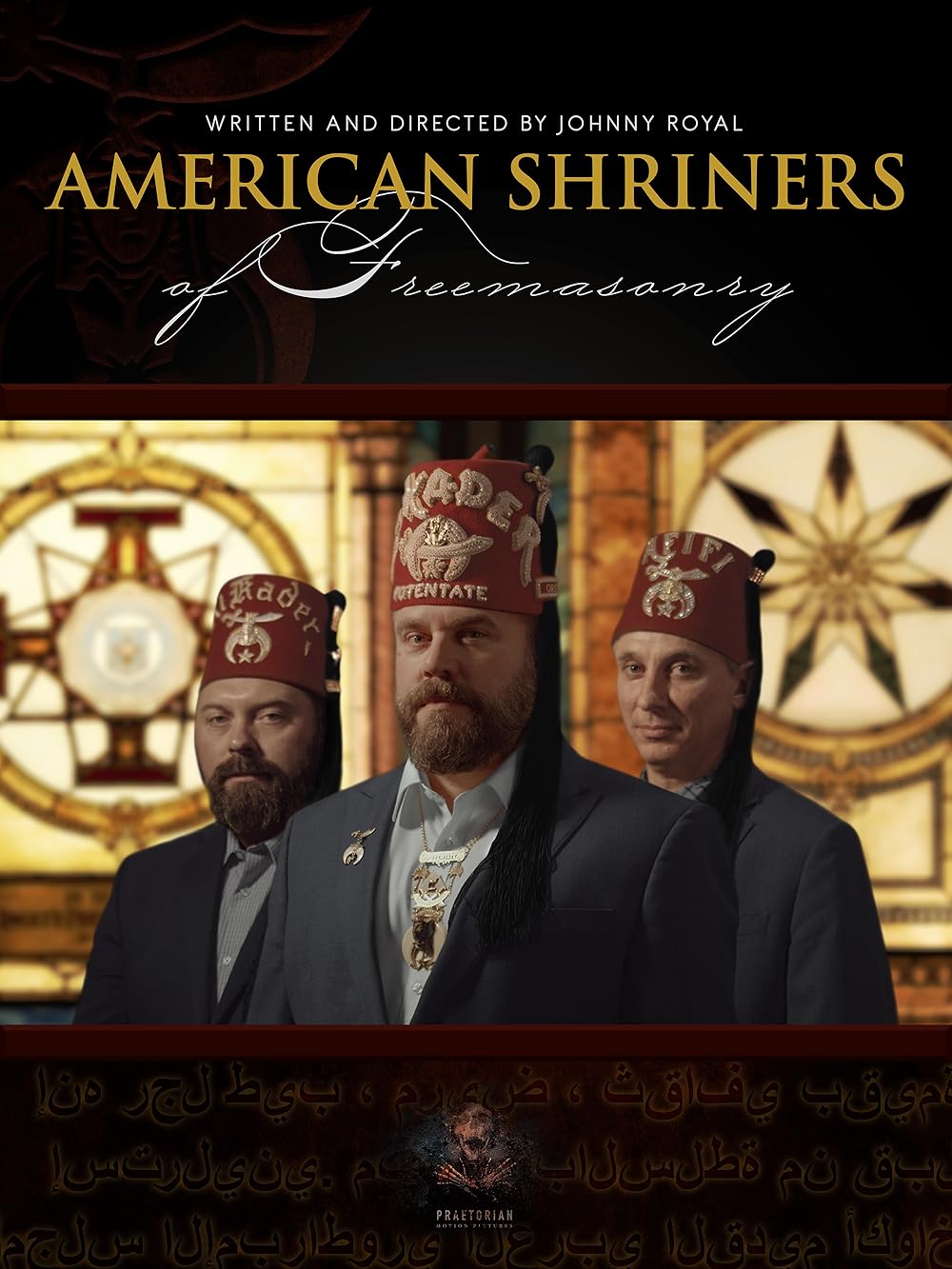
They are hiding in plain sight. The square and compass on the ring of a colleague. The symbols etched into the architecture of the most powerful buildings in the world. The handshake exchanged between men who have never met but immediately know everything they need to know about each other. Freemasonry is the world's largest and oldest secret society, with millions of members across hundreds of countries, and it has never pretended not to exist. What it has never fully explained is what it actually is.
The official answer is benign. A fraternal organization. A network of lodges where men gather to discuss philosophy, practice ritual, and support charitable causes. The members include presidents, kings, generals, and Supreme Court justices, but that, the organization insists, is coincidence rather than design. The rituals are symbolic. The secrets are ceremonial. There is nothing to see. And yet the symbols are on the dollar bill, on the walls of the Capitol, in the layout of the streets of Washington D.C., and carved into the cornerstones of institutions that govern the lives of people who were never asked whether they wanted to be governed by men with secret allegiances.
What makes Freemasonry uniquely difficult to dismiss is that the documented history is extraordinary before the conspiracy even begins. The Founding Fathers were Freemasons. The American Revolution was organized in Masonic lodges. The architecture of American power was designed by men who answered to obligations the public was never made aware of. The conspiracy does not ask you to imagine a secret society operating in the shadows. It asks you to look at what they built in broad daylight and ask who they really built it for.
Stages
01
The Origins of Freemasonry
What were the stonemason guilds and why did they develop secret signs and rituals?
How and why did Freemasonry transition from a trade guild into a philosophical brotherhood?
How did Freemasonry spread from London lodges into a global organization?
02
Freemasonry and the Founding of Nations
How did Masonic influence shape the formation and founding principles of the United States?
How far does Masonic symbolism reach into the architecture, currency, and institutions of American power?
Beyond the institutions, how did Freemasonry shape the culture, values, and direction of a nation?
03
The Structure, Symbols, and Rituals
What are the degrees of Freemasonry and what separates what is taught at the lower levels from the higher ones?
What is the meaning of the core Masonic symbols?
What do the rituals and ceremonies of Freemasonry reveal about the true nature of the organization?
04
The Conspiracy
What is the relationship between Freemasonry and other secret societies like the Illuminati, Skull and Bones, and the Knights Templar?
Who are the men at the highest levels of Freemasonry and what institutions do they control?
What is the endgame of a network that has been quietly shaping the world for centuries?
Stage 1
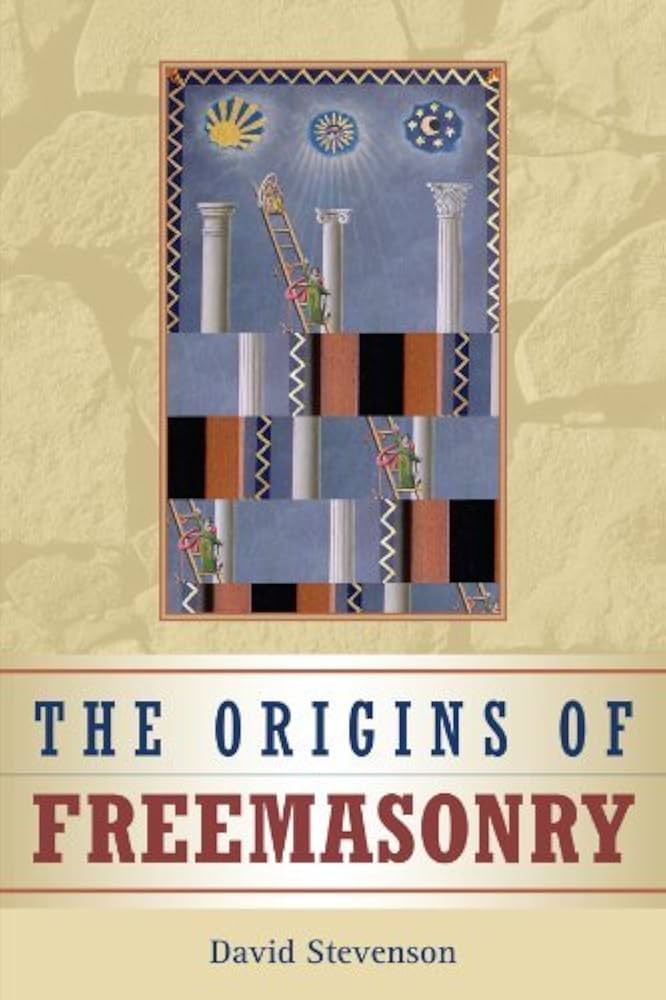
Freemasonry did not appear fully formed. It grew from something older, something practical, and something that most historians agree was never meant to become what it eventually became. The stonemason guilds of medieval Europe were trade organizations, brotherhoods of craftsmen who built the cathedrals, castles, and fortifications that defined the physical world of their era. They guarded their techniques carefully, developed secret signs and passwords to identify qualified members, and operated with a level of autonomy that set them apart from other trades. They moved between kingdoms, answered to no single lord, and built the most important structures in the world. That independence was the seed of everything that followed.
By the early 1700s, something had shifted. The guilds began admitting members who had nothing to do with stonecutting. Philosophers, aristocrats, intellectuals, and men of influence began joining lodges not to learn a trade but to participate in something they found more compelling. The rituals remained. The symbolism remained. But the organization was transforming from a guild of builders into something that used the language and symbols of building as a framework for something else entirely. In 1717, four London lodges came together to form the first Grand Lodge, and Freemasonry as a formal institution was born. Within decades it had spread across Europe and into the American colonies, carried by men who were about to change the world.
Books
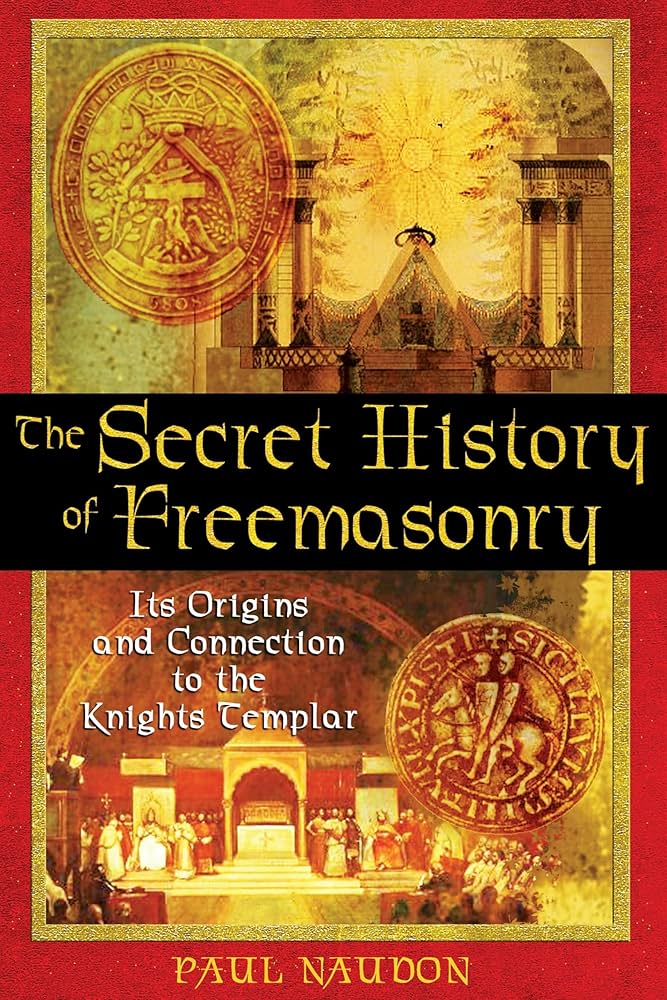
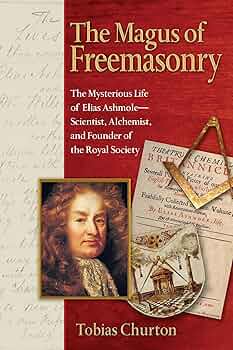
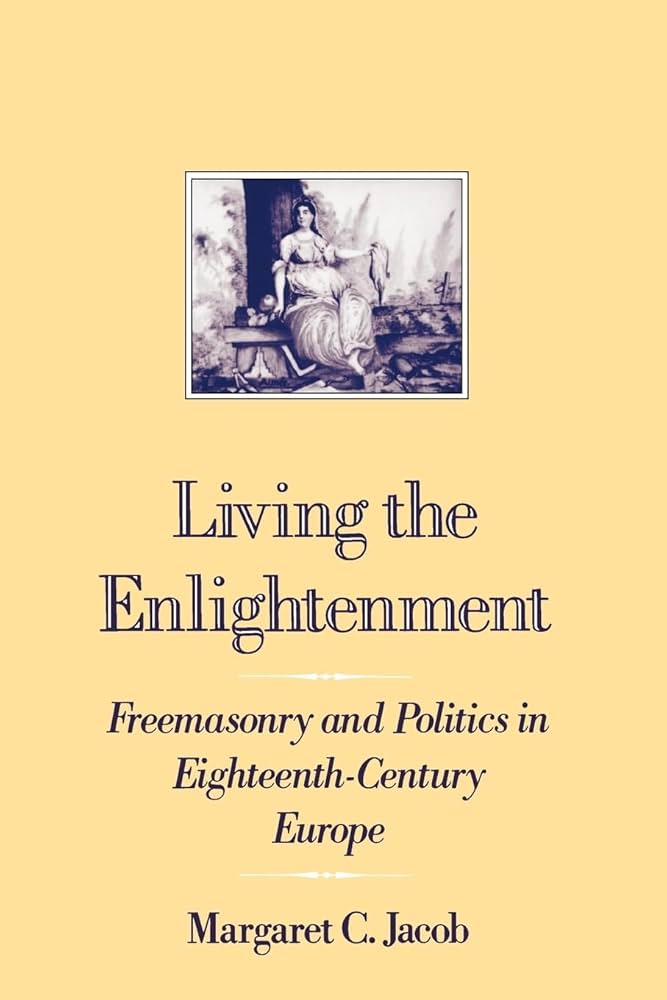
YouTube
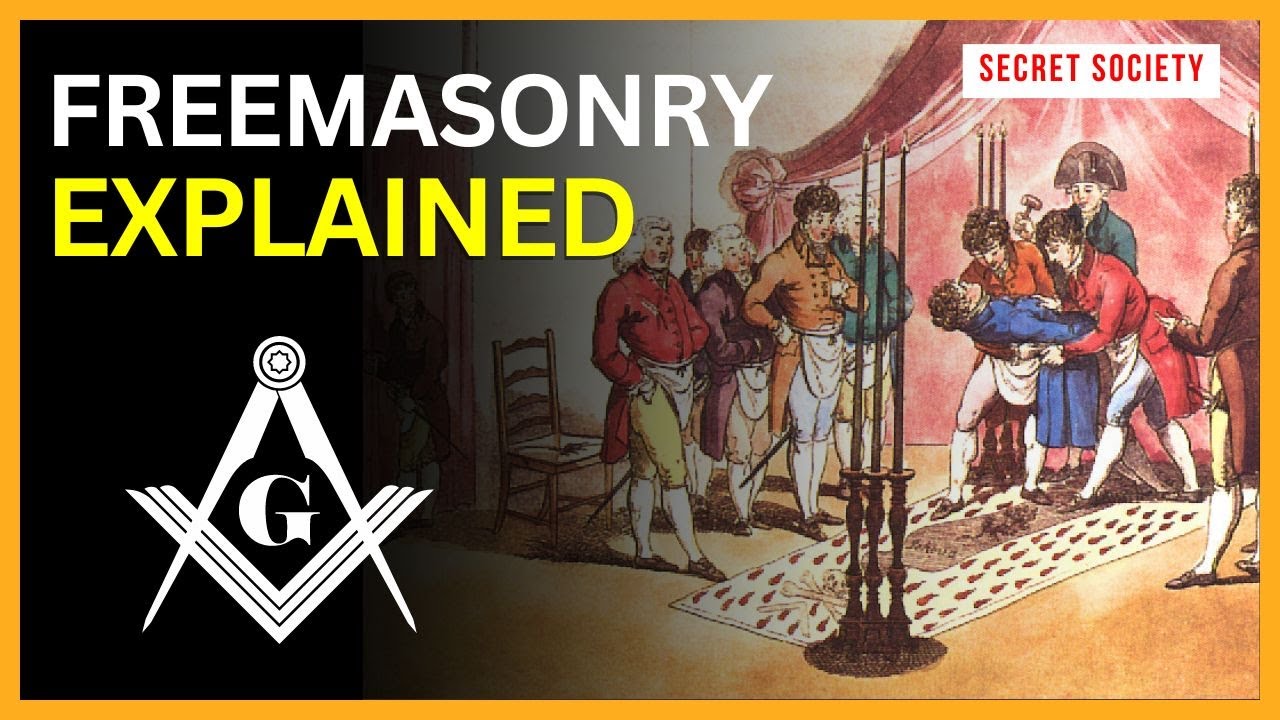
Documentaries/Movies
Stage 2
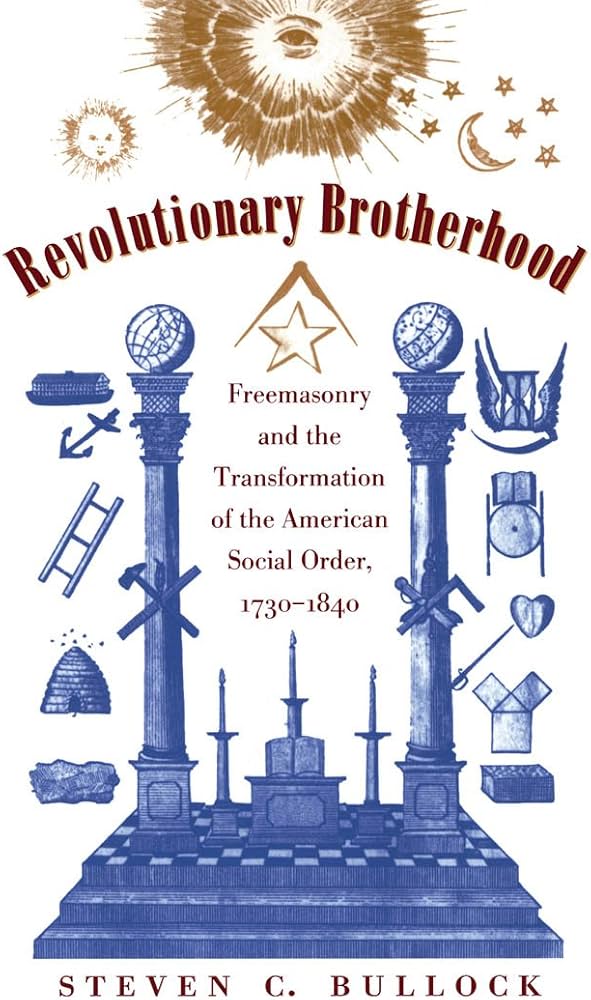
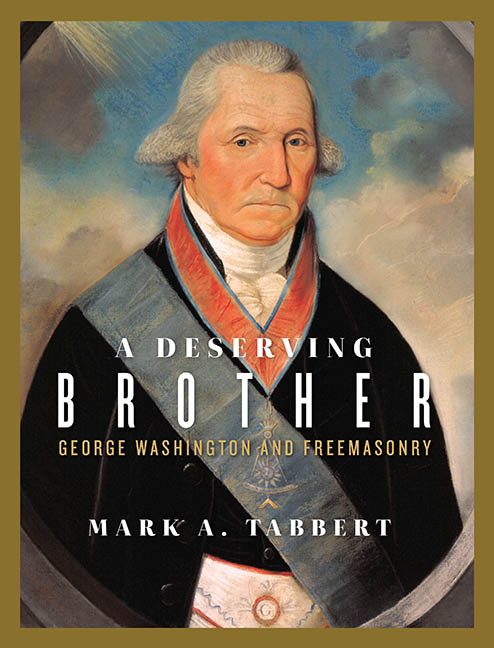
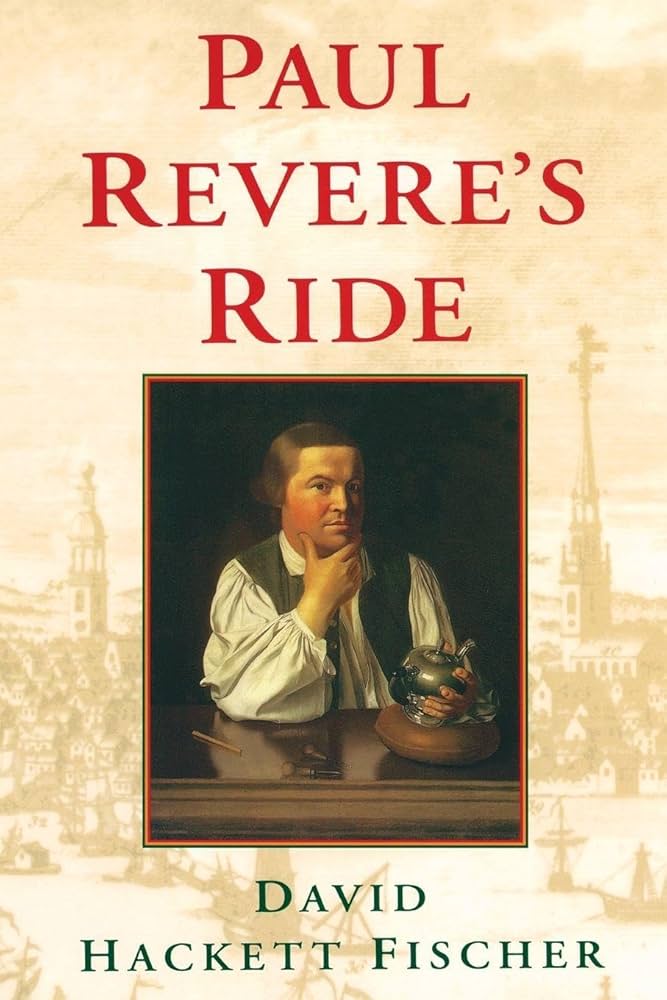
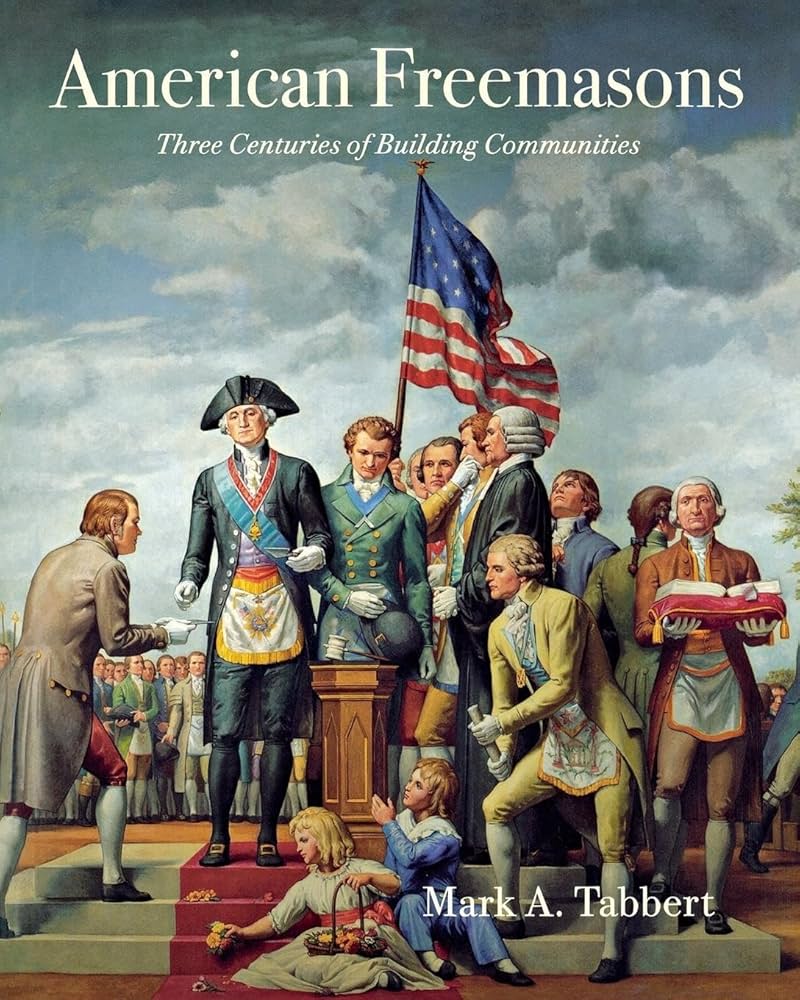
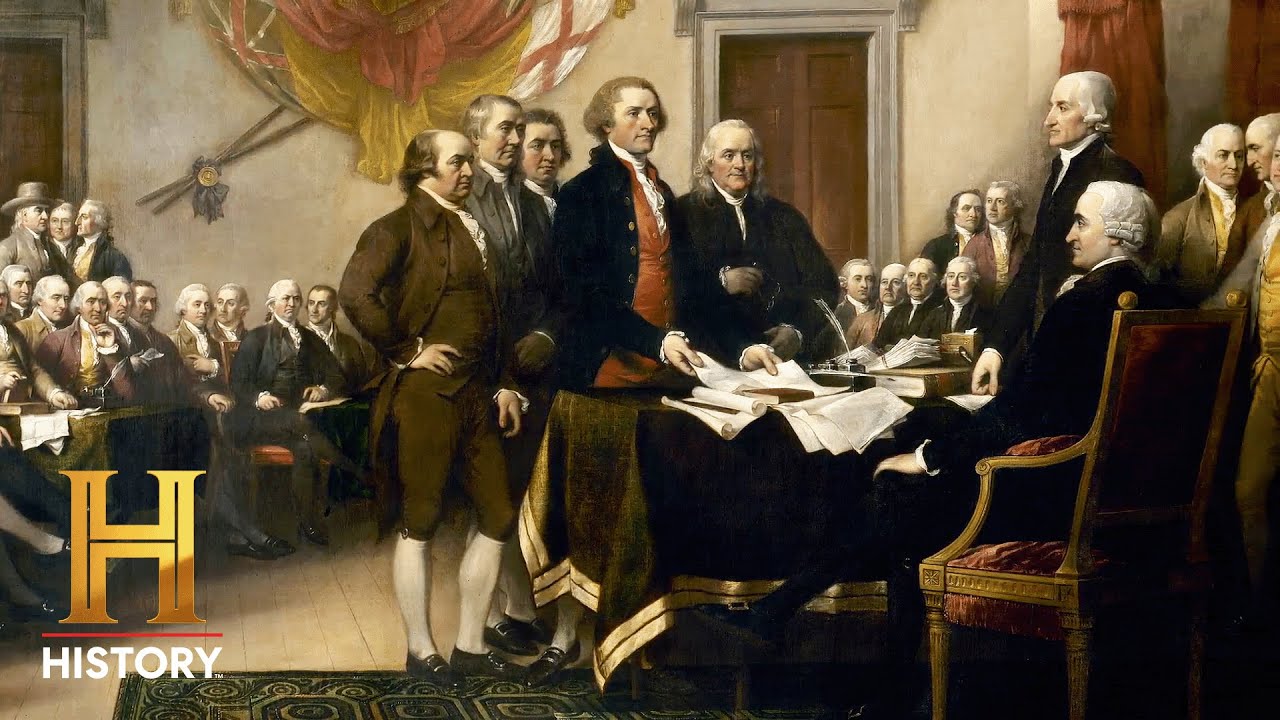
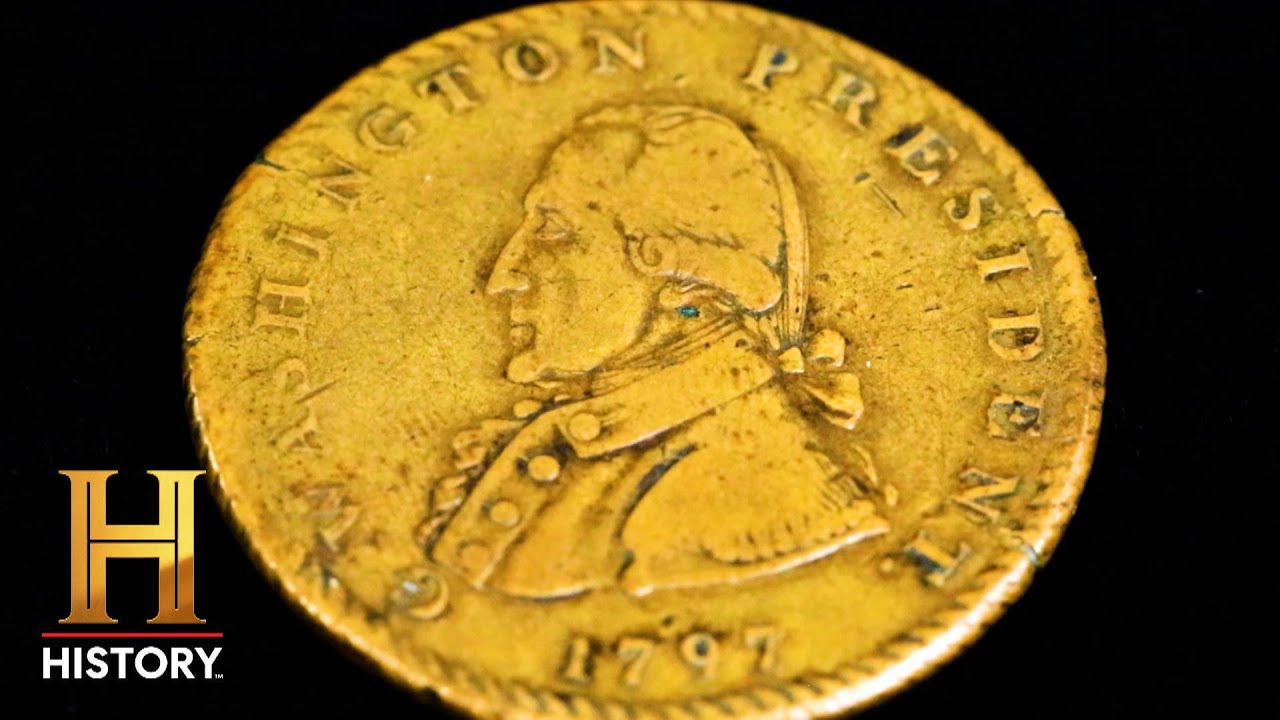
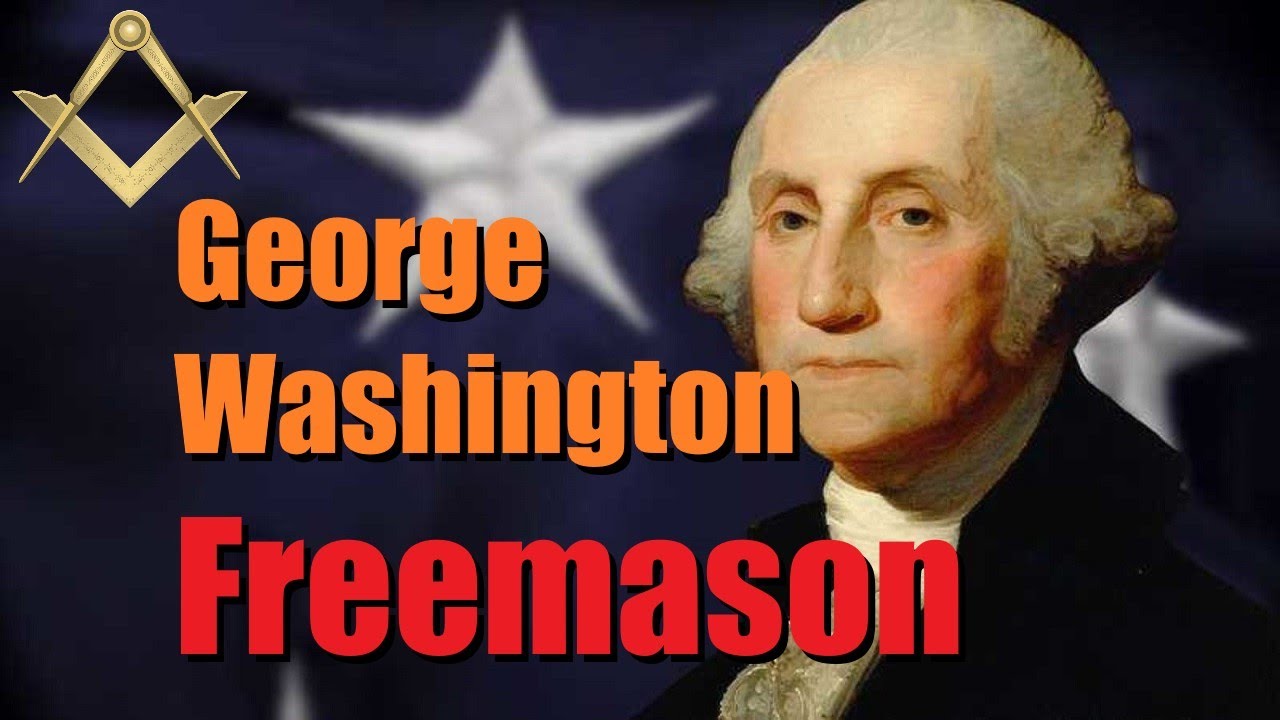
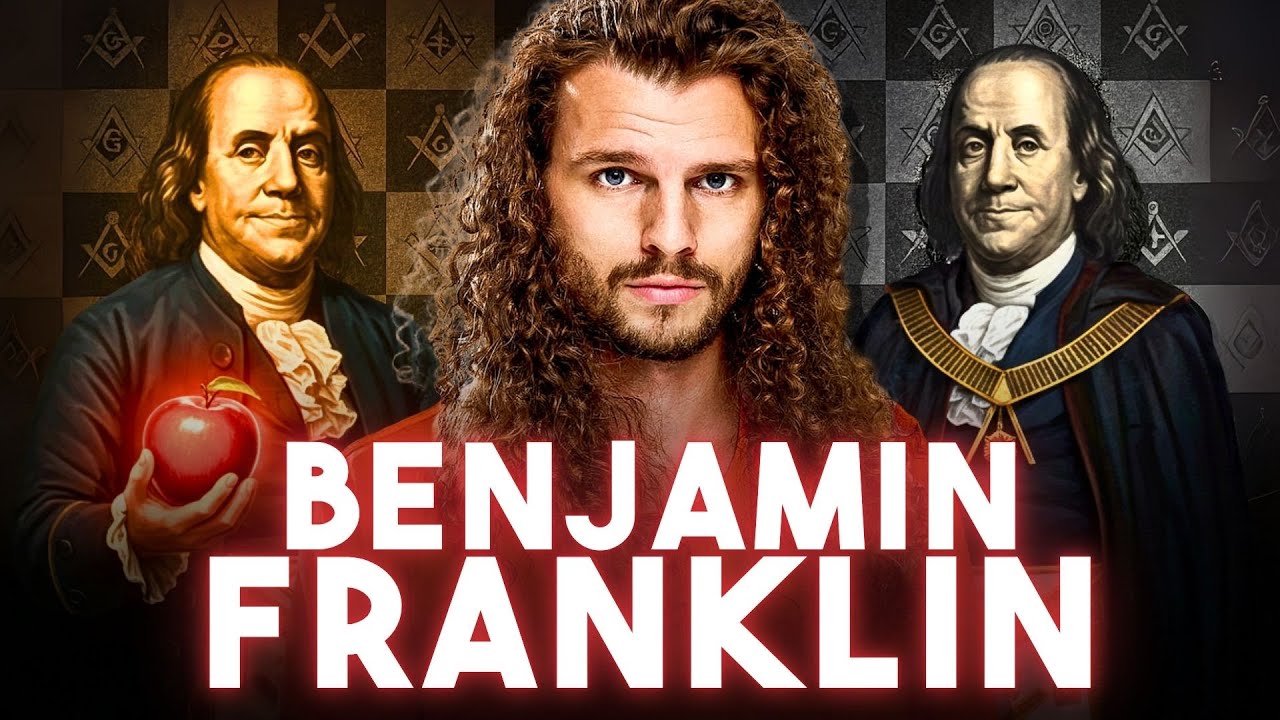
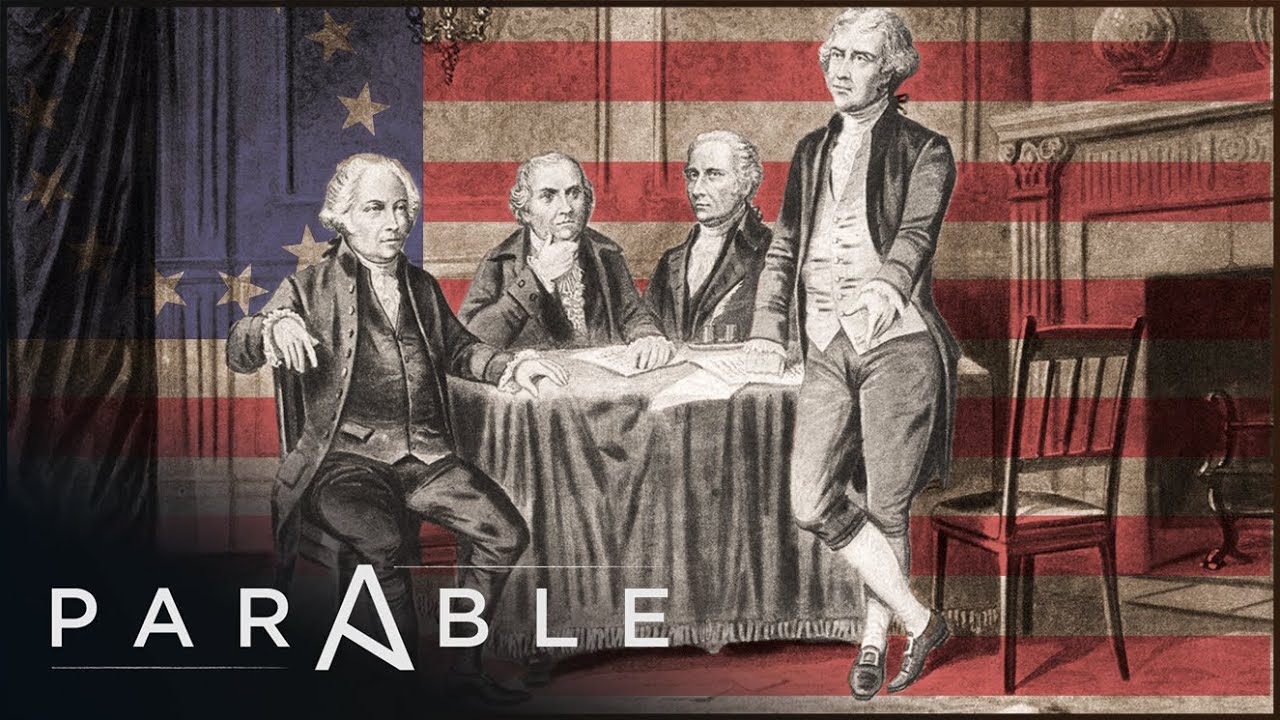
The American Revolution was not just a political uprising. It was organized, in significant part, by men who shared a common brotherhood, common rituals, and common obligations that predated their loyalty to any nation. George Washington was a Freemason. Benjamin Franklin was a Freemason. Paul Revere, John Hancock, and the majority of the men who signed the Declaration of Independence were Freemasons. The lodges of colonial America were not just meeting places. They were the organizational infrastructure of a revolution, spaces where men of influence could speak freely, plan openly, and trust each other in ways that the political climate of the era made otherwise impossible.
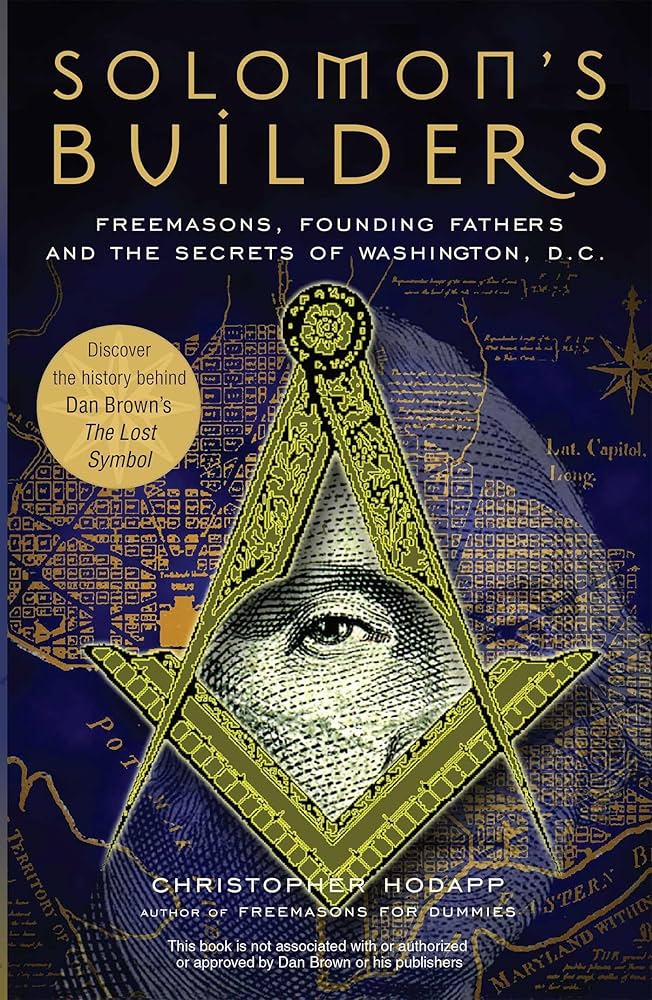
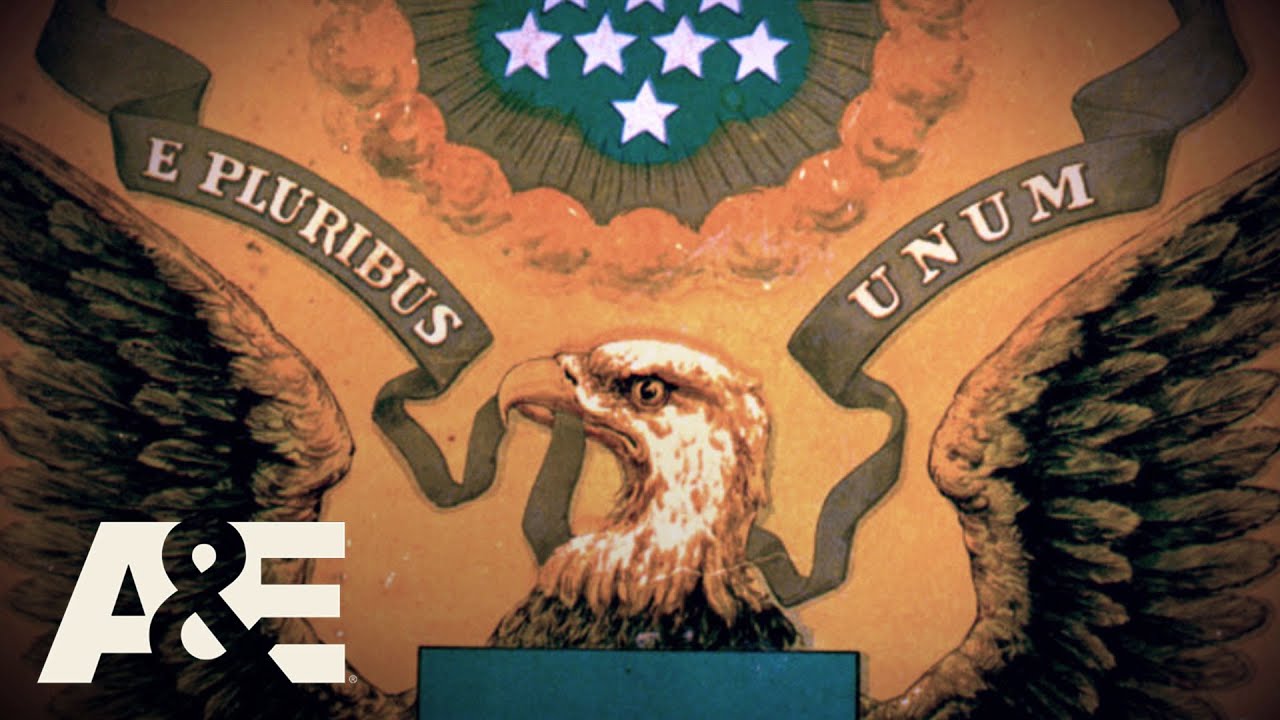
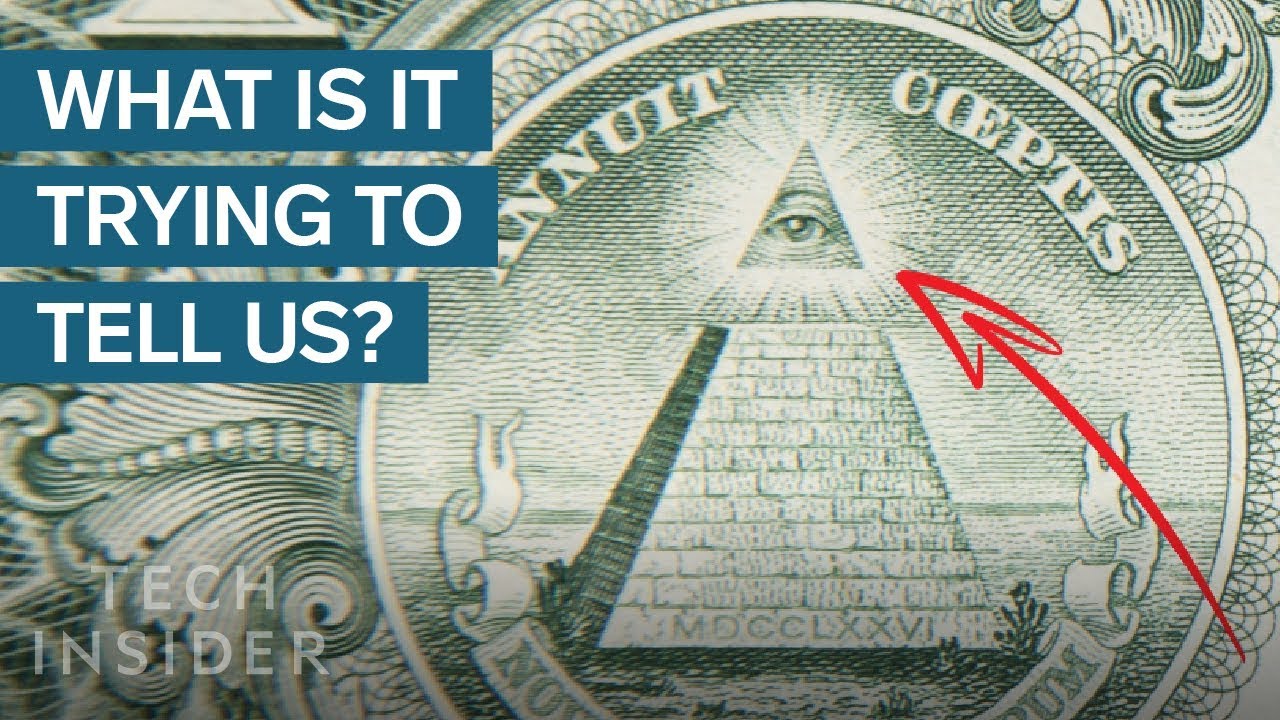
The influence did not stop at independence. When the new nation began to build its institutions, its monuments, and its capital city, the men doing the building brought their symbolism with them. The street layout of Washington D.C. contains Masonic geometric patterns that are unmistakable when viewed from above. The Capitol building, the Washington Monument, and the Supreme Court were all built by Freemasons and contain symbolism that connects directly to the organization's rituals and beliefs. The dollar bill carries the unfinished pyramid and the all seeing eye, imagery lifted directly from Masonic tradition and placed on the currency of a nation that has never fully explained who put it there or why.
Books
YouTube
Documentaries/Movies
Stage 3
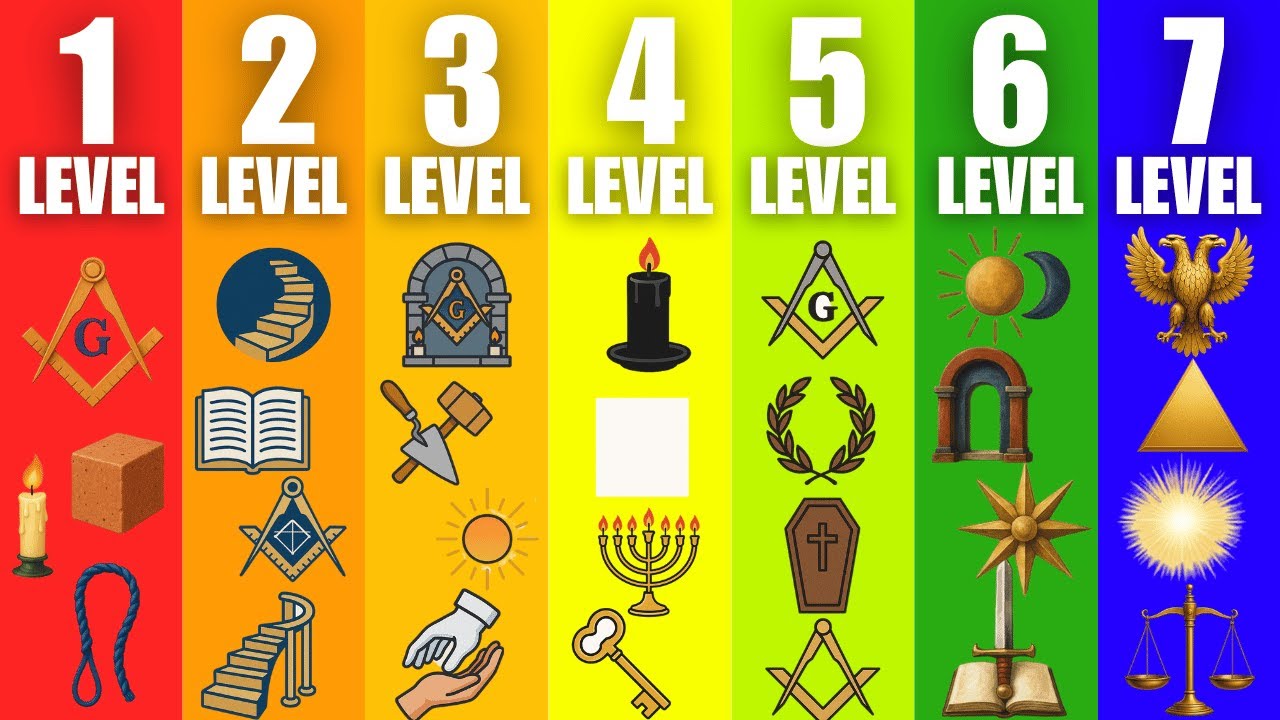
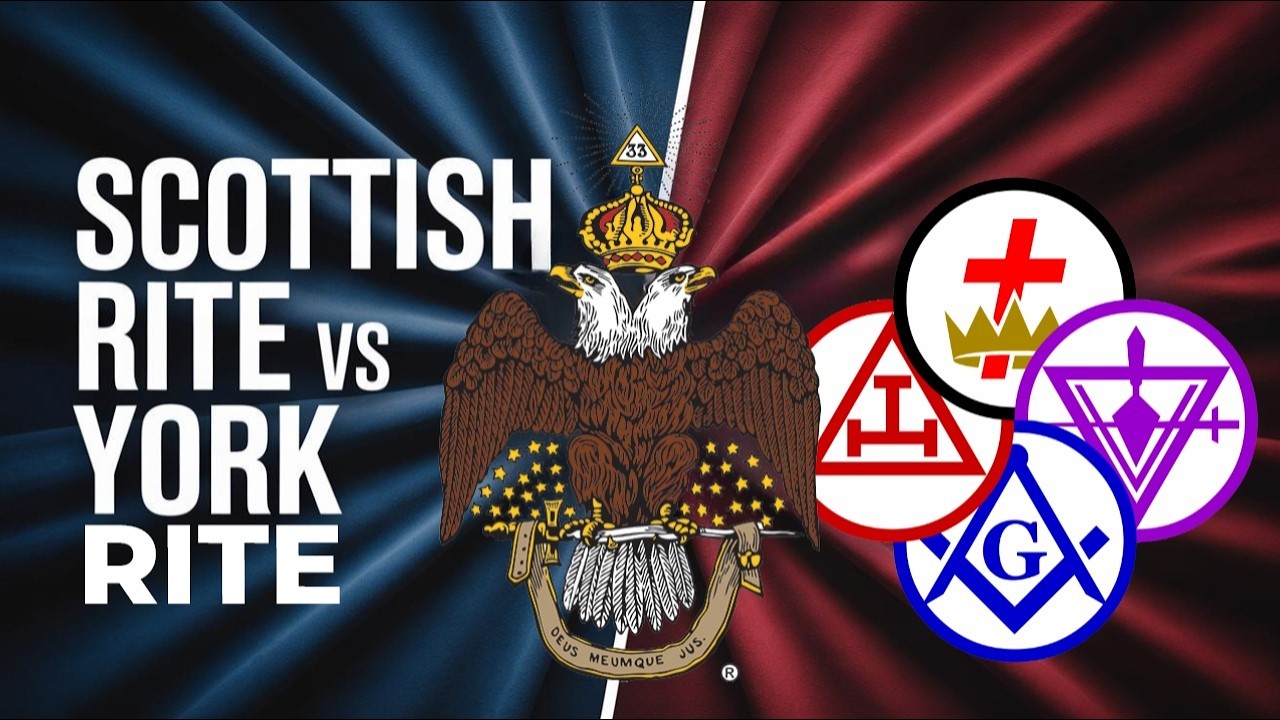
Freemasonry presents itself as a transparent organization. The lodges are listed. The members are known. The charitable work is public. But the internal structure of the organization tells a different story. Freemasonry operates through a system of degrees, levels of initiation that unlock deeper knowledge, deeper ritual, and deeper obligation with each step. The first three degrees, known as the Blue Lodge, are where most members spend their entire Masonic lives. But above them sit additional degrees, thirty three in the Scottish Rite, that reveal a progressively more complex system of symbolism, philosophy, and allegiance. What is taught at the third degree is not what is taught at the thirty third. And what is taught at the thirty third is not shared with the public.
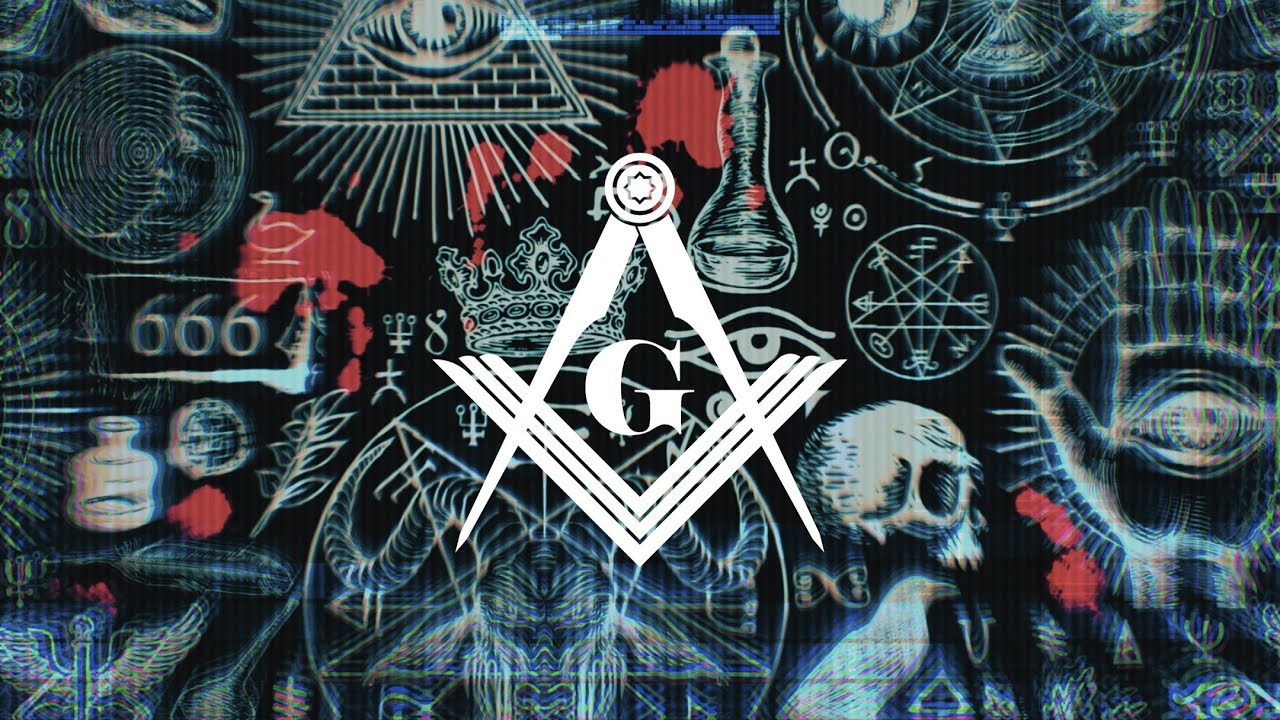
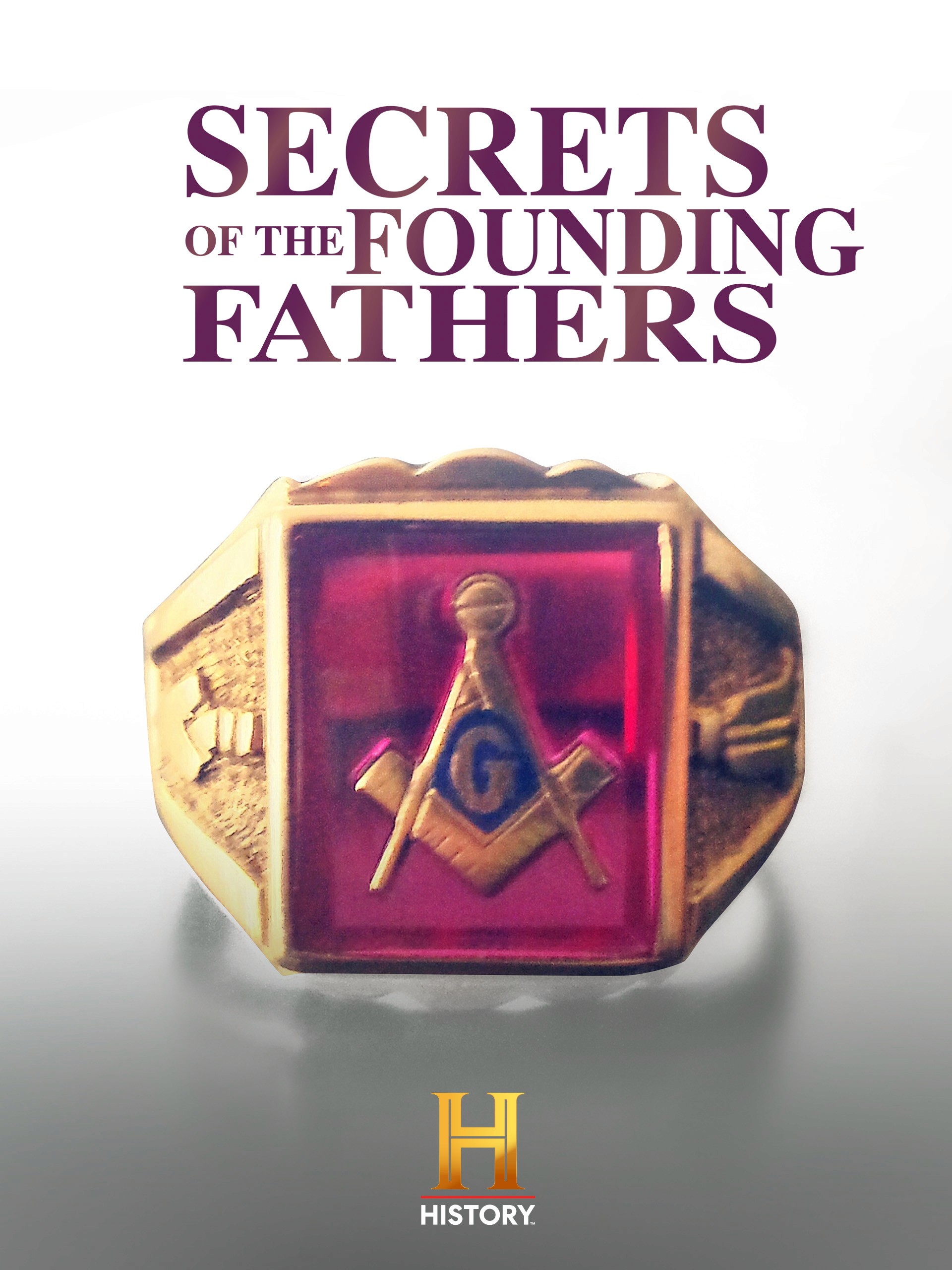
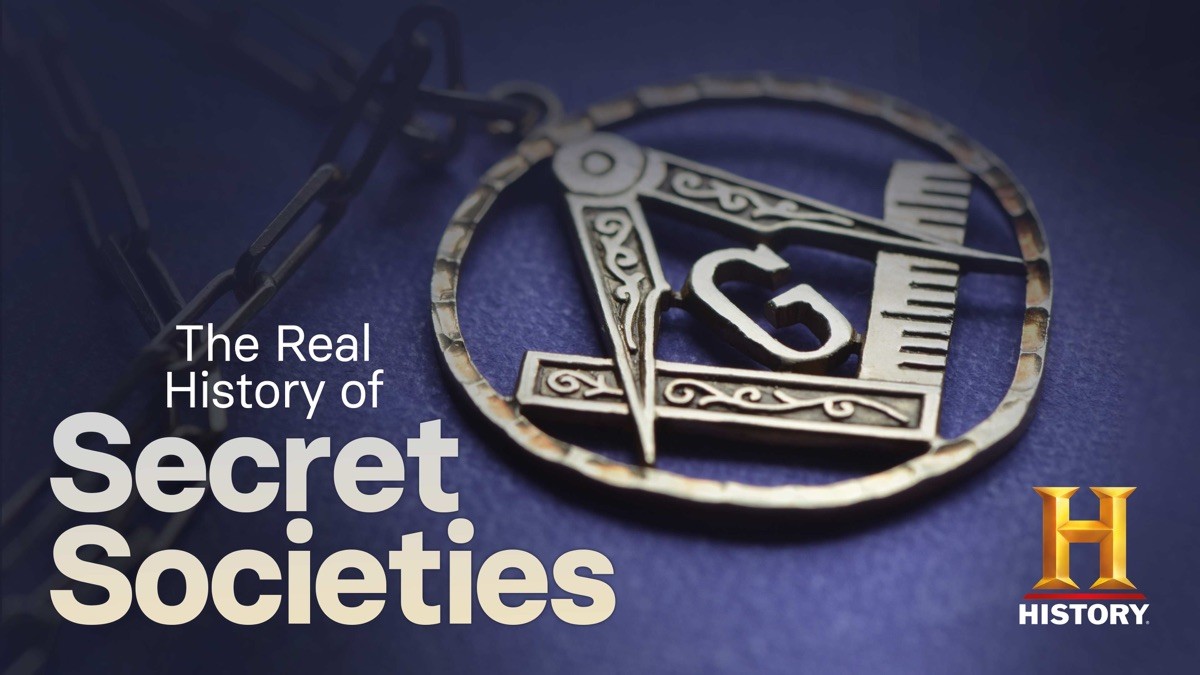
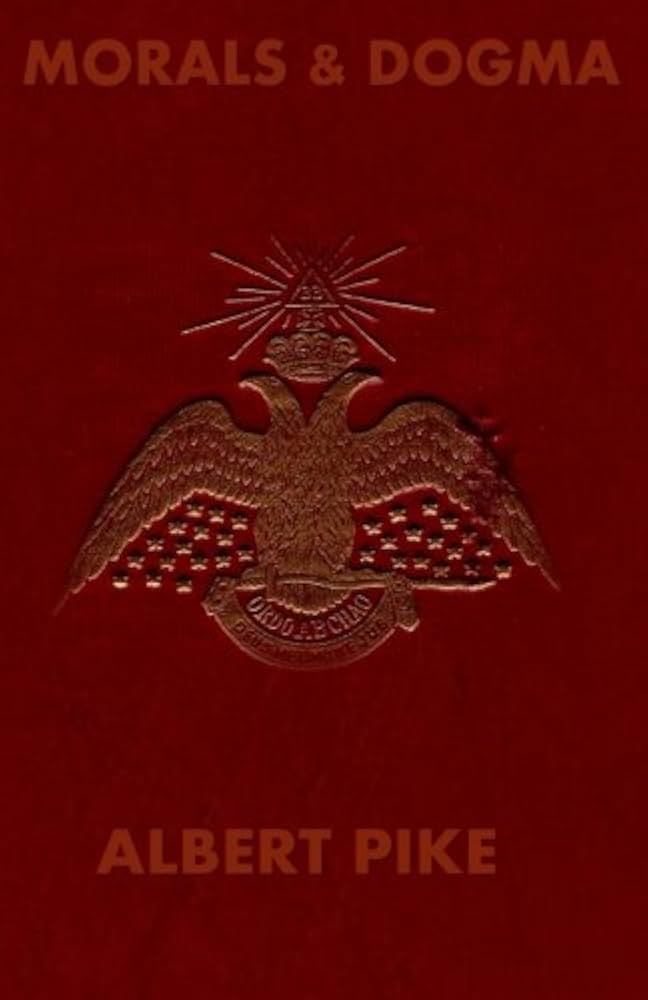
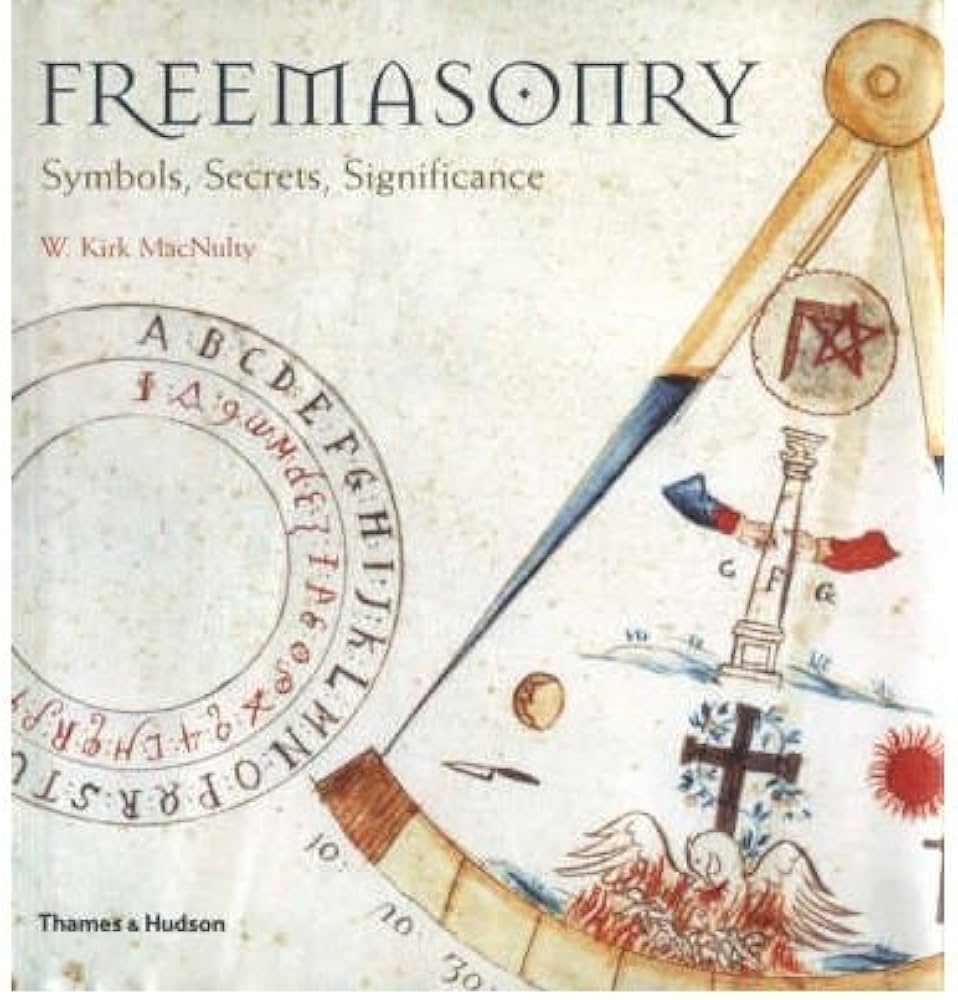
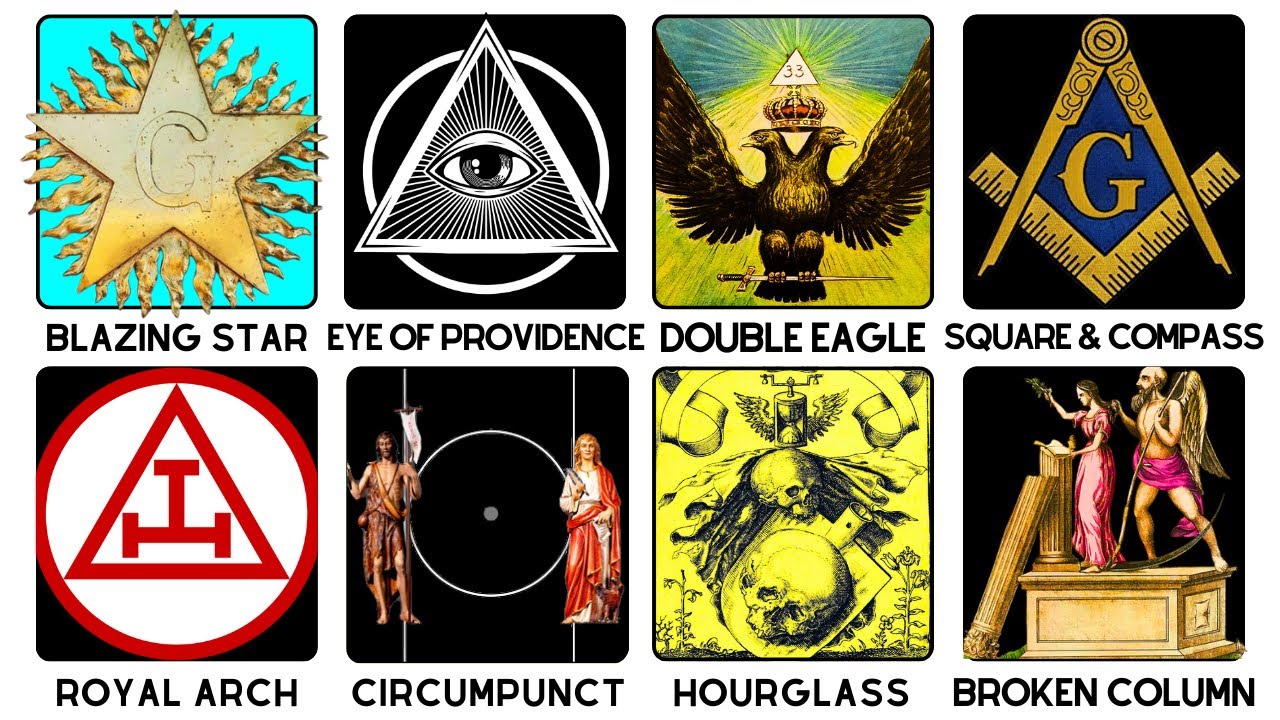
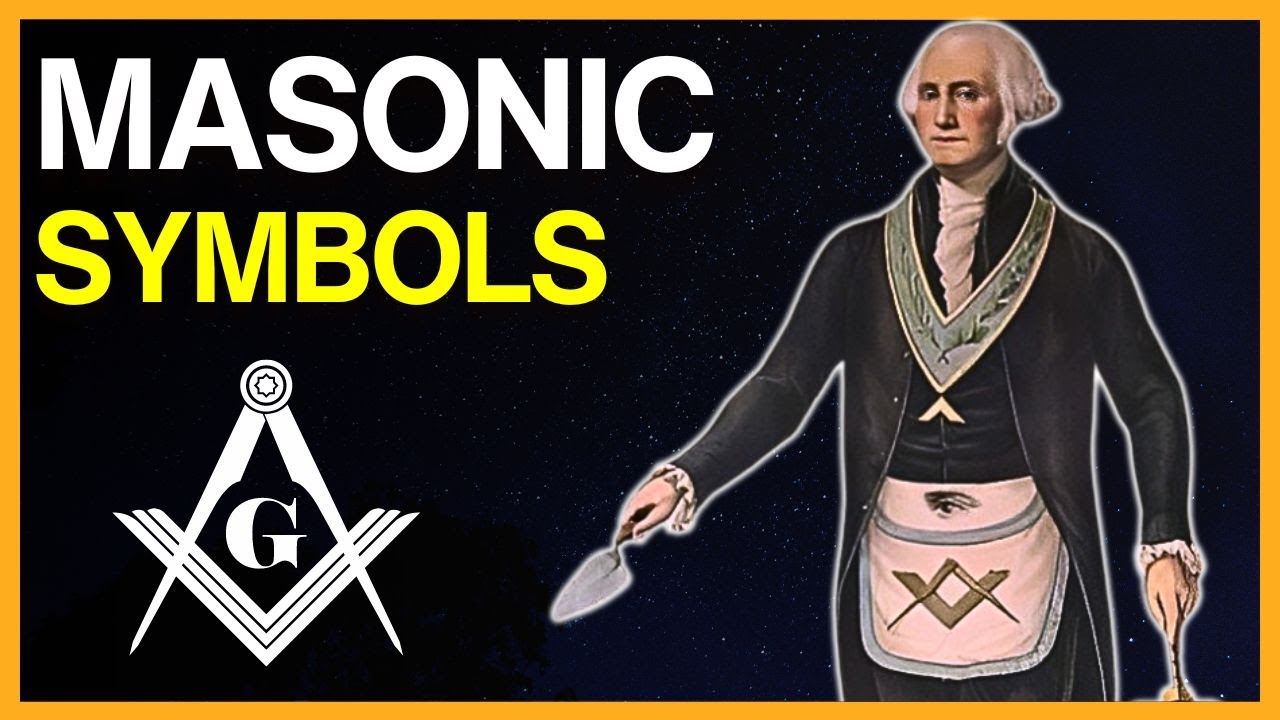
The symbols are everywhere once you know what you are looking for. The square and compass. The all seeing eye. The unfinished pyramid. The letter G. The pillars of Boaz and Jachin. Each carries a specific meaning within the ritual framework of the organization, meanings that connect to ancient mystery schools, to Kabbalah, to Hermeticism, and to a tradition of esoteric knowledge that predates Christianity. The rituals themselves involve dramatic reenactments, oaths of secrecy, and symbolic death and rebirth ceremonies that members describe as transformative and outsiders have described as deeply unsettling. These are not the rituals of a charitable fraternity. They are the rituals of an organization that takes its symbolism very seriously.
Books
YouTube
Documentaries/Movies
Stage 4
The first three stages established the facts. Freemasonry grew from ancient guild traditions into a global brotherhood that counted the founders of the most powerful nation in history among its members. It embedded its symbols into the currency, the architecture, and the institutions of that nation. It operates through a degree system that reserves its deepest knowledge for a small inner circle, binds its members through oaths of secrecy, and connects its rituals to mystery traditions that predate every major world religion. None of that is conspiracy. All of that is documented history. The conspiracy begins with the question that the documented history refuses to answer: what is the organization actually for?
The theory that has persisted for centuries is that Freemasonry is not the organization it presents itself as. That the lodges, the charity work, and the public facing brotherhood are the outer shell of something much older and much more deliberate. That at the highest levels, the thirty third degree and beyond, the organization connects to a network of power that has operated continuously since before the American Revolution, shaping governments, installing leaders, directing wars, and managing the slow construction of a world order that most people will never be asked to vote on. The Illuminati, founded in 1776 and officially disbanded shortly after, is widely believed by researchers to have merged with or operated through Freemasonry at its highest levels. Skull and Bones, the Bohemian Grove, the Knights Templar, the Rosicrucians — each is a node in the same network, different names for different eras of the same unbroken chain of influence.
What connects all of these organizations is not just symbolism or ritual. It is access. Access to power, to information, to the kind of relationships that determine who runs countries and who controls the money that runs everything else. The men at the top of Freemasonry are the same men at the top of banking, government, and media. They have been for centuries. And the organization that connects them was built specifically to ensure that those connections remain invisible to everyone outside of them. The symbols have always been in plain sight. The network behind them never has.
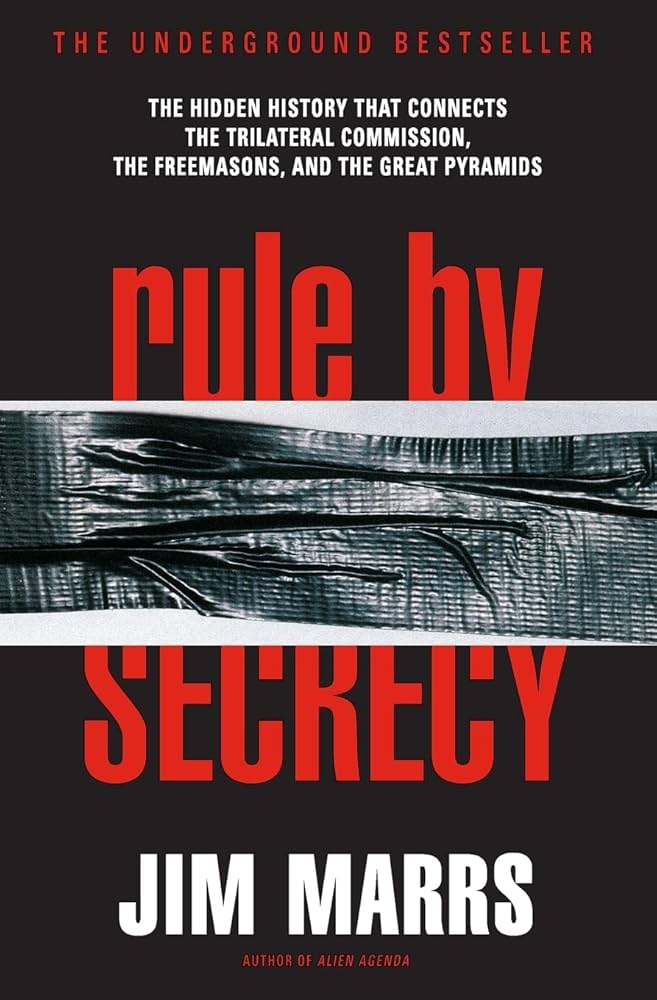
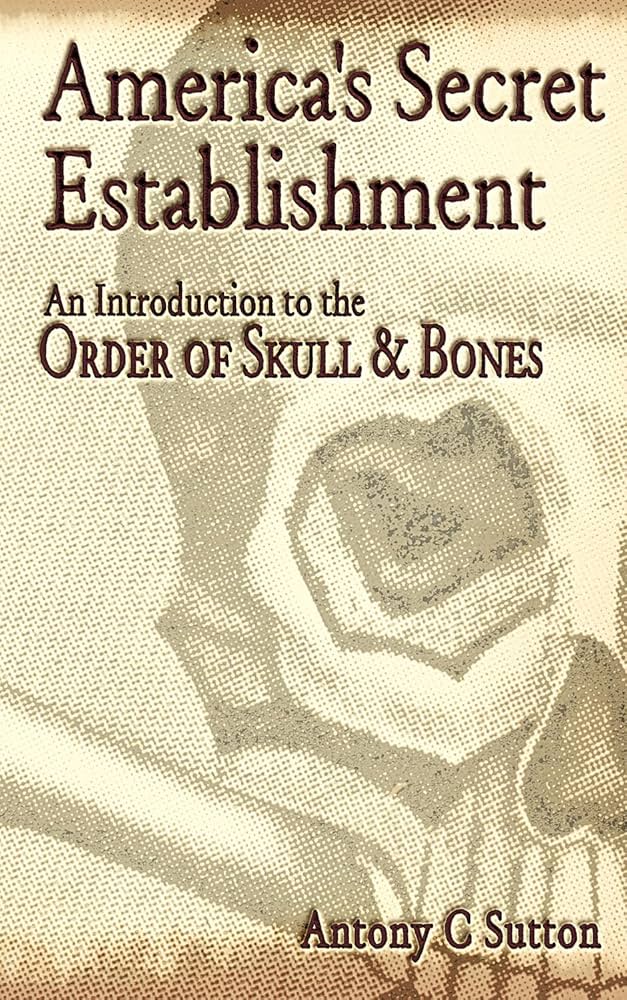
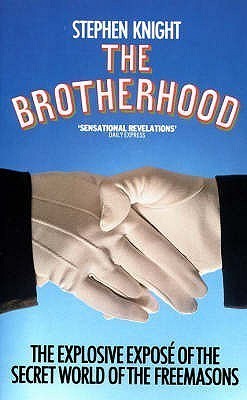
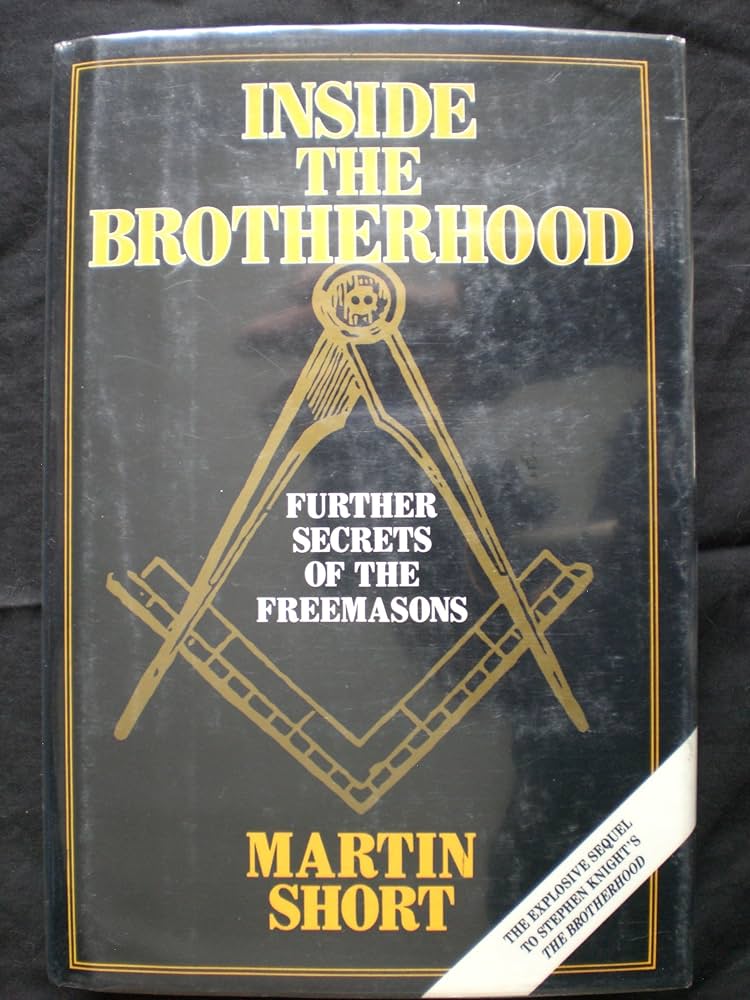
Books
YouTube
Documentaries/Movies
What is a Conspiracy Theory?
A conspiracy theory is an explanation for an event or situation that proposes a secret plot by powerful groups, usually operating outside of public knowledge or official narratives. At its core, it's the belief that what we're told isn't the whole story.
The term gets thrown around as a way to dismiss ideas without engaging with them, and that's not an accident. The phrase "conspiracy theory" was popularized by the CIA in the 1960s as a tool to discredit critics of the Warren Commission's findings on the JFK assassination. In other words, the label used to shut down conspiratorial thinking? That's kind of a conspiracy.
That's not to say every theory is true. Most aren't. But the history of the world is also full of actual conspiracies that were once dismissed as paranoid fantasy before being confirmed as fact. Knowing the difference between useful skepticism and a rabbit hole that never ends is exactly what this site is built for.
Are all Conspiracy Theories True?
A conspiracy theory is an explanation for an event or situation that proposes a secret plot by powerful groups, usually operating outside of public knowledge or official narratives. At its core, it's the belief that what we're told isn't the whole story.
The term gets thrown around as a way to dismiss ideas without engaging with them, and that's not an accident. The phrase "conspiracy theory" was popularized by the CIA in the 1960s as a tool to discredit critics of the Warren Commission's findings on the JFK assassination. In other words, the label used to shut down conspiratorial thinking? That's kind of a conspiracy.
That's not to say every theory is true. Most aren't. But the history of the world is also full of actual conspiracies that were once dismissed as paranoid fantasy before being confirmed as fact. Knowing the difference between useful skepticism and a rabbit hole that never ends is exactly what this site is built for.
Do I need to read or watch all of the Suggested Content?
No. The guides are designed to be comprehensive, not mandatory. We cast a wide net on purpose, to cover as many angles, perspectives, and voices as possible so the full picture of each subject is available to you.
That said, if you want to go deeper on a specific corner of a topic, the resources are there for exactly that.
If you're looking for the most direct path through a guide, keep an eye out for resources highlighted in yellow. Those are the ones we consider essential for that stage: the pieces that will do the most work in building your understanding. Think of them as the must reads, and everything else as the deeper dive.
Is the existing content final for each Conspiracy?
Not at all. Each guide is a living document. We are constantly looking to improve, update, and expand the content. There may be a book or video we missed, a perspective we haven't covered, or new information that changes the conversation entirely. If it makes a guide better, we want it in there.
Will there be more Conspiracies added?
Of course. There will always be events where the official story and the available facts don't quite line up, and those gaps are worth exploring. Some conspiracies have decades of research and documentation behind them while others are still taking shape, so the depth of each guide will naturally vary.
If there is a conspiracy you feel passionate about and don't see covered here, get in touch. We will do our best to give it the attention it deserves.
Should I trust all of the sources?
That is entirely up to you. Conspiracy research is naturally confrontational territory. You will encounter conflicting facts, competing narratives, and personalities who do not agree on much. Part of the work is learning to distinguish what is documented fact from what is speculation, interpretation, or agenda.
With that said, it is worth keeping in mind that YouTube videos and documentaries tend to be where you will find the most exaggeration and creative fact interpretation. That does not make them without value, some of the most important voices in this space live there, but it does mean your critical eye needs to be sharper. Read, watch, compare, and decide for yourself.
Note: We do include movies that aren’t necessarily academic but are dramatic versions of the events, providing an artistic view of actual events. Doesn’t hurt to have some fun while we learn!
What order should I tackle the Conspiracies?
There is no wrong entry point. Start with whatever subject you find most interesting or compelling and go from there.
That said, you may notice as you work through the guides that many conspiracies share overlapping stories, characters, and timelines. This is by design, not coincidence. A book you read for one guide may end up being essential context for three others. For example, several conspiracies trace their roots to the same era surrounding the formation of the CIA, so the foundational material you pick up early will carry further than you might expect.
In that sense, the more guides you work through, the more connected everything starts to feel.