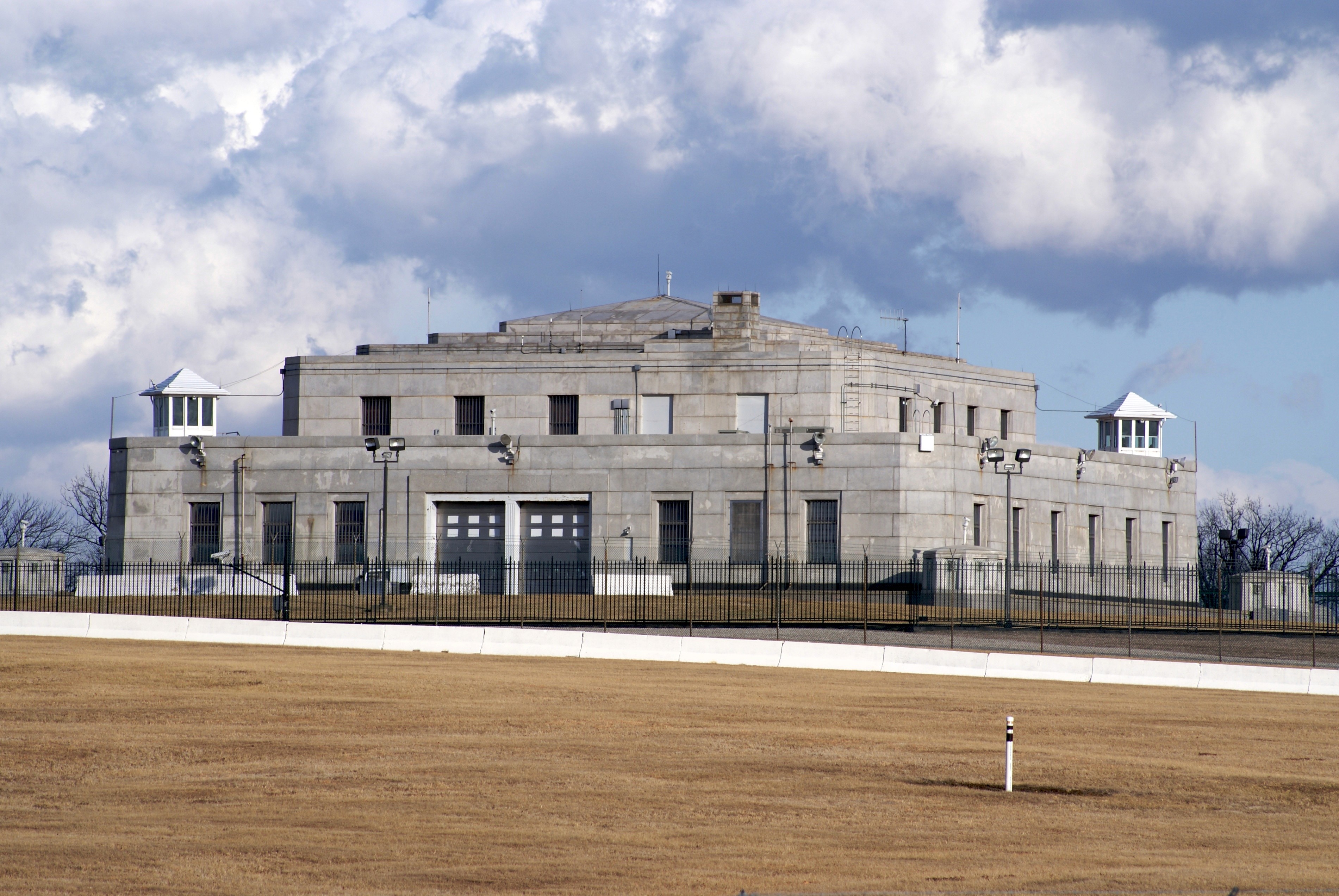
Fort Knox
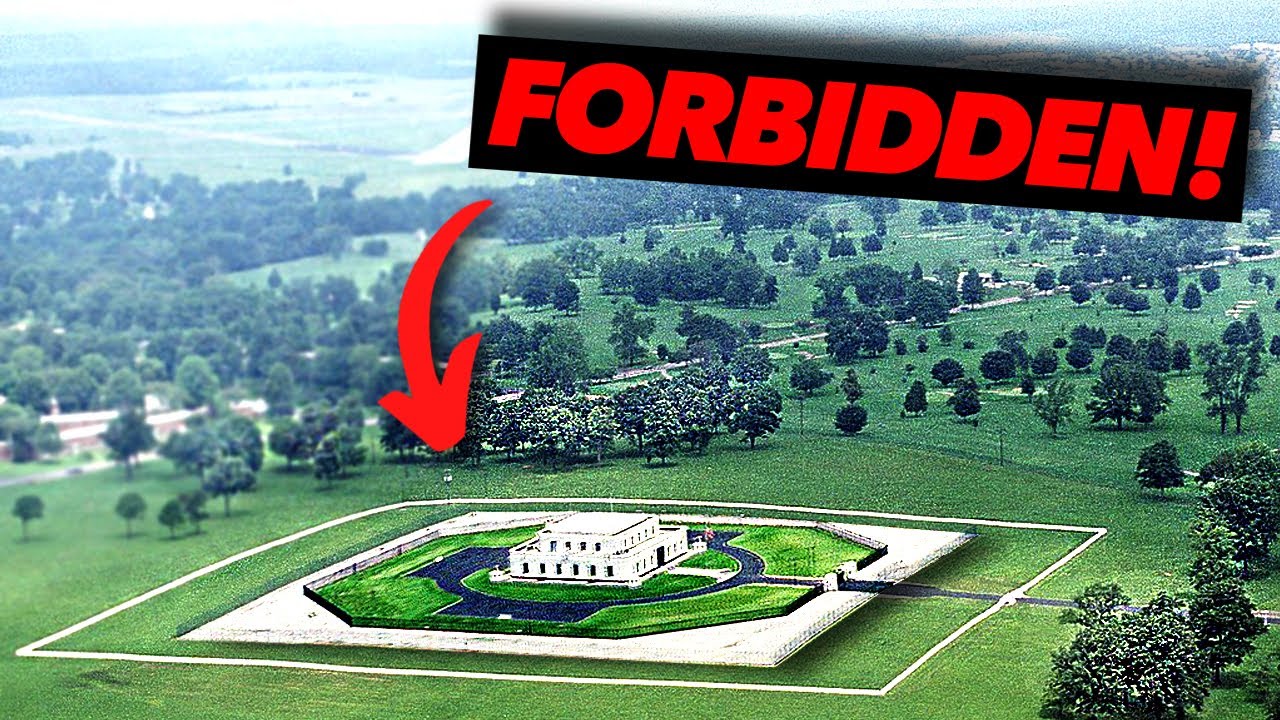
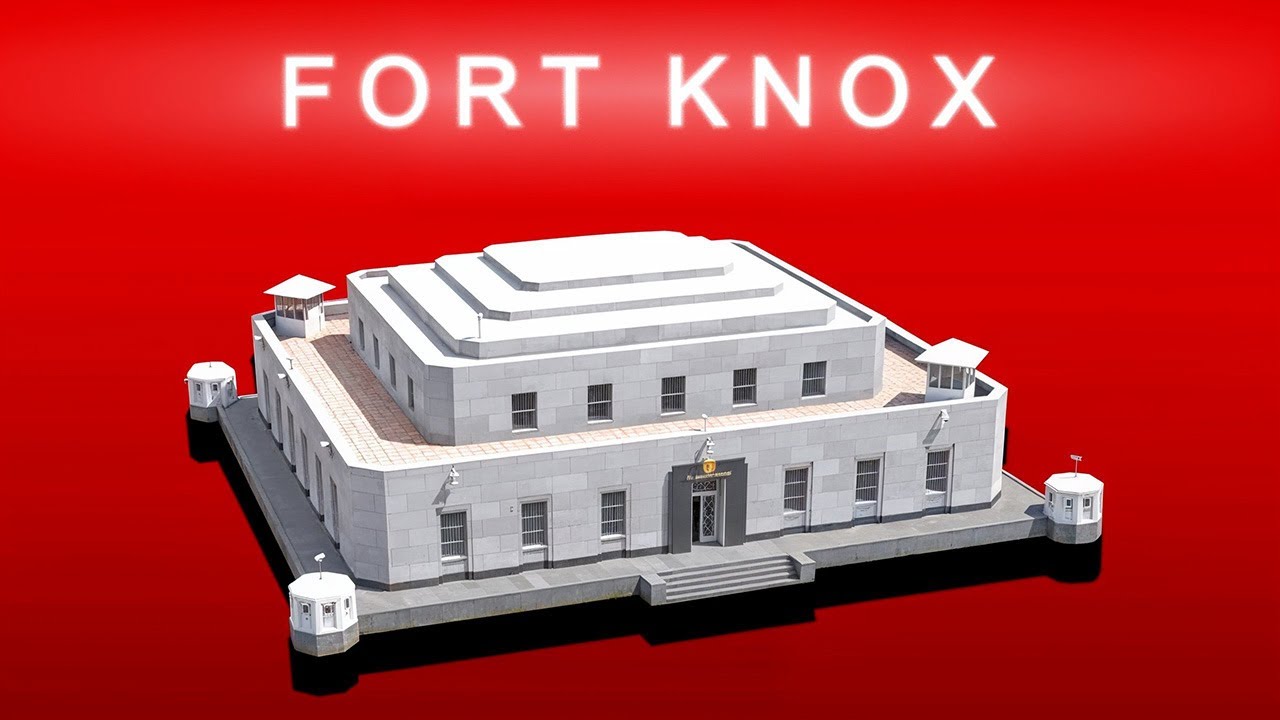
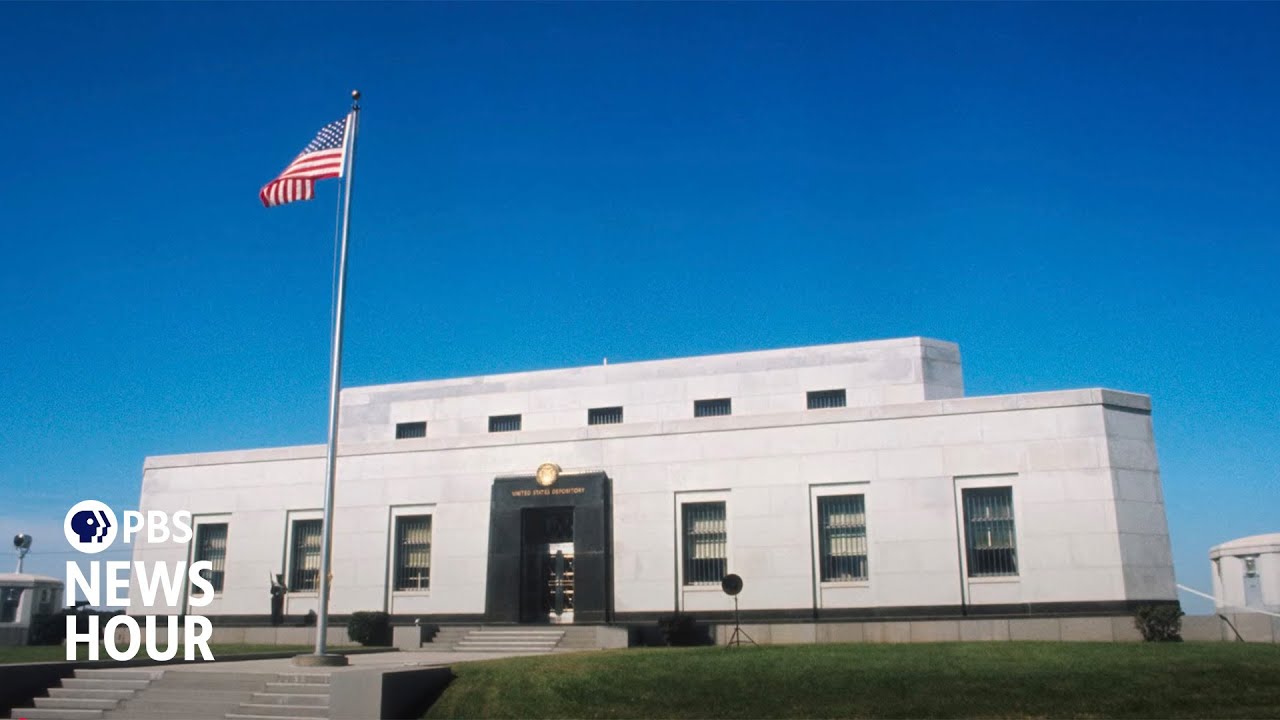
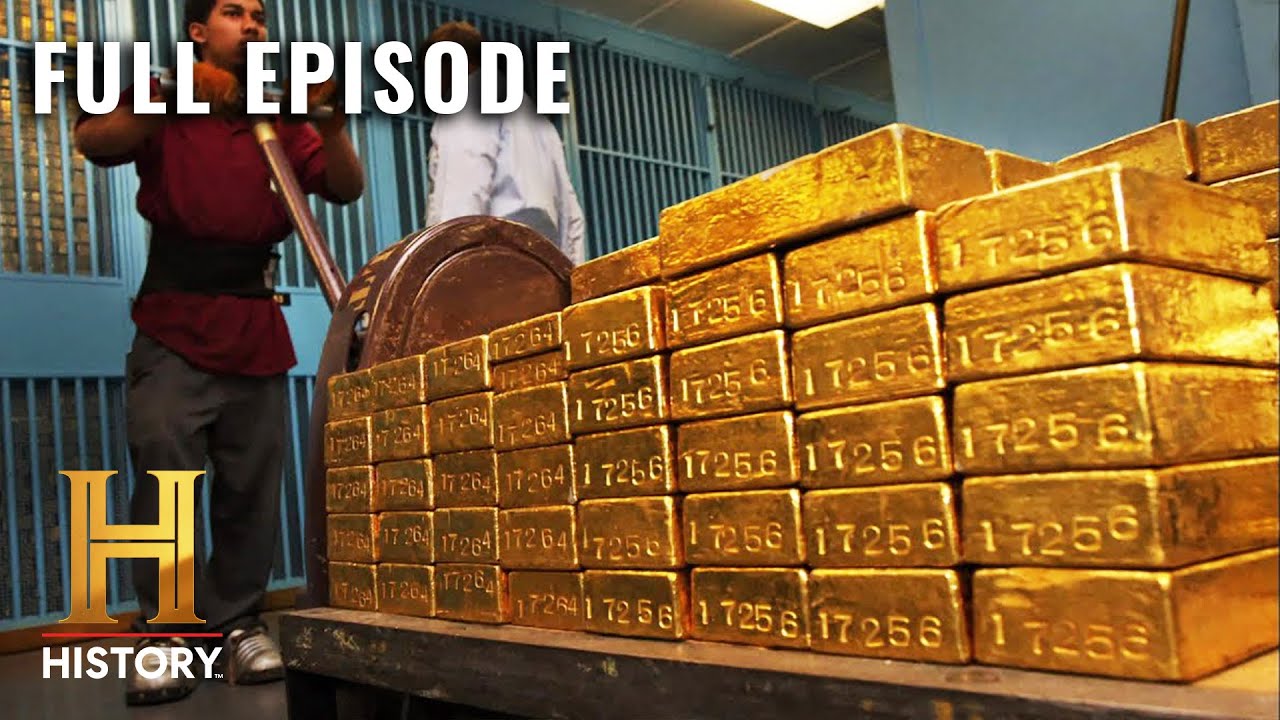
Fort Knox is the most secure building in the world. That is what we are told. Surrounded by fences, minefields, armed guards, and attack helicopters, the Kentucky depository has held the nation's gold reserves since 1937. No sitting president has ever been inside. No independent auditor has ever been granted full access. The last comprehensive audit was conducted in 1953. We know the gold is there because the government says it is there.
Gold is not just a metal. It is the foundation on which financial confidence is built. Control the gold, and you control the language of global finance itself. Which is why what sits inside Fort Knox matters far beyond Kentucky, and why the absence of any mechanism to verify it matters even more. When Germany requested the return of its gold in 2012, it was told the process would take seven years. If the gold was there, the question is simple: why not show it? The forces resisting that answer are the same institutions that have shaped global financial policy for over a century. They do not need the gold to be there. They need the world to believe it is.
Stages
01
The History of Fort Knox
Why did the United States government decide to consolidate the nation's gold into a single location?
What was the political and economic climate that led to the creation of Fort Knox?
How did Fort Knox become the symbol of American financial power?
02
The Global Gold System
How did the United States become the anchor of the global gold system after World War II?
What other major gold vaults exist around the world and who controls them?
What changed when Nixon took the United States off the gold standard in 1971?
03
The Audit Problem
Why has no independent audit of Fort Knox been conducted since 1953?
What attempts have been made to audit Fort Knox and why have they fallen short?
Who has the authority to order a full audit and why hasn't it happened?
04
The Conspiracy
What are the leading theories about what has happened to the gold inside Fort Knox?
Who are the institutions and interests that would benefit from the gold being gone?
If the gold is gone, what would the consequences be for the global financial system?
Stage 1
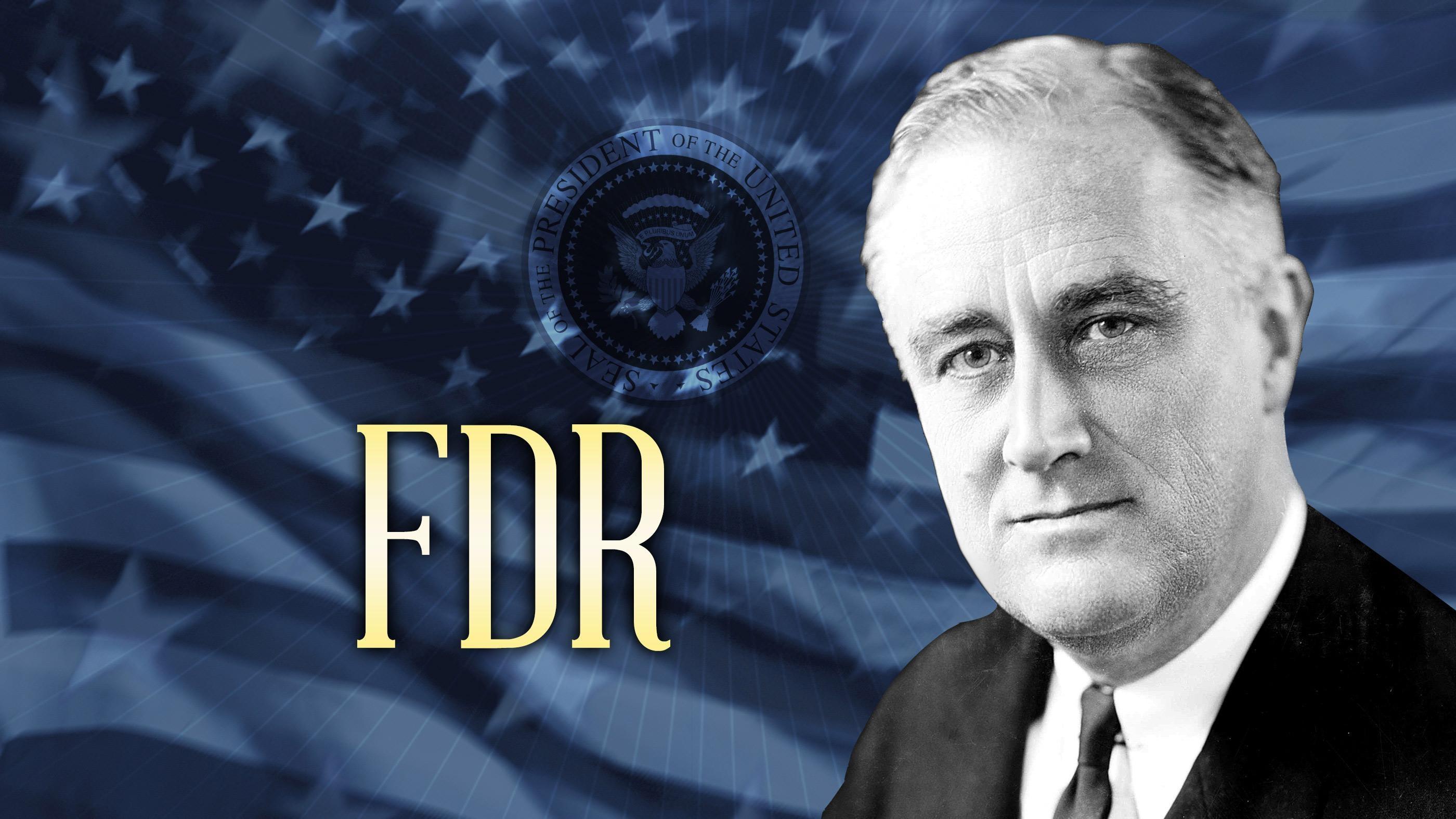
Fort Knox did not happen by accident. It was the product of a specific moment in American history, a period of global instability, economic collapse, and a government scrambling to consolidate and protect the financial foundation of the nation. When the Great Depression hit and banks began to fail across the country, the Roosevelt administration made a decision that would reshape the relationship between the American people and their money. Gold was called in. Citizens were required to surrender their coins, bullion, and certificates to the Federal Reserve. And then it needed somewhere to go.
The United States Bullion Depository was built in 1936 on a military base in Kentucky, chosen for its distance from the coasts, its existing military infrastructure, and its relative obscurity. When it opened, it received shipments of gold that arrived by train under armed guard, transfers so significant that they reshaped the global perception of where the world's wealth was concentrated. At its peak, Fort Knox held over 20,000 tons of gold, not just American reserves but gold entrusted to the United States by allies during World War II. It became, in the eyes of the world, the definitive symbol of American financial power.
Books

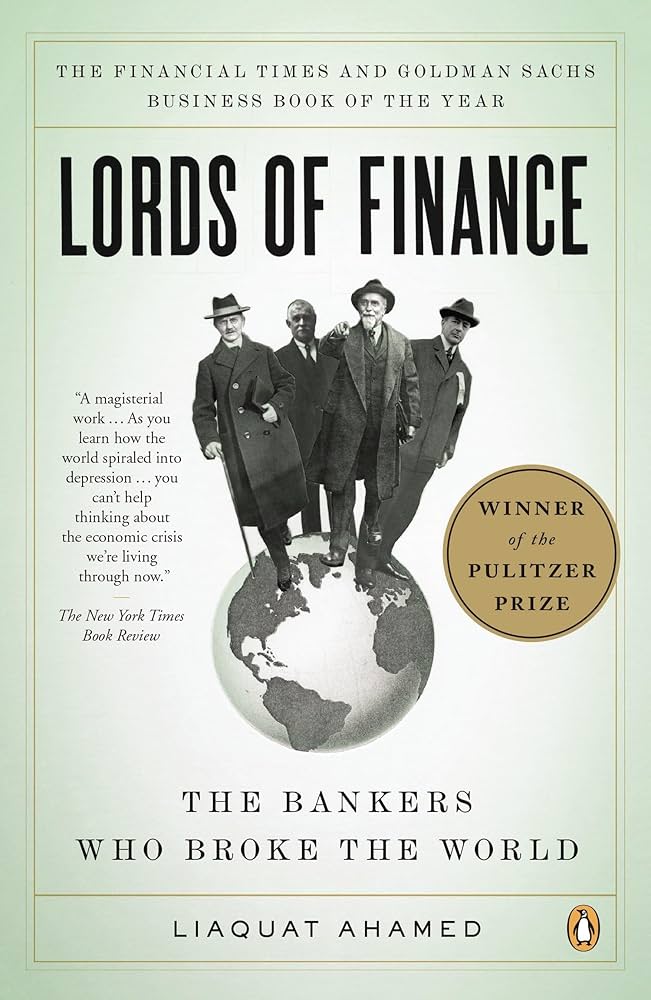
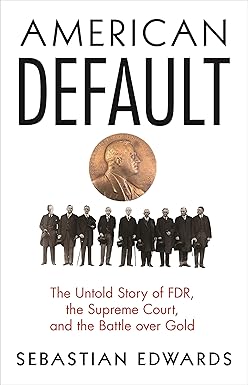
YouTube

Documentaries/Movies
Stage 2
Fort Knox does not exist in isolation. It sits at the center of a global network of vaults and reserves, the Bank of England, the New York Federal Reserve, and the Swiss National Bank, that collectively underpin the world's financial system. But Fort Knox is not just the most famous address in that network. It is the anchor. And anchors do not just hold things in place. They determine how far everything else can move.
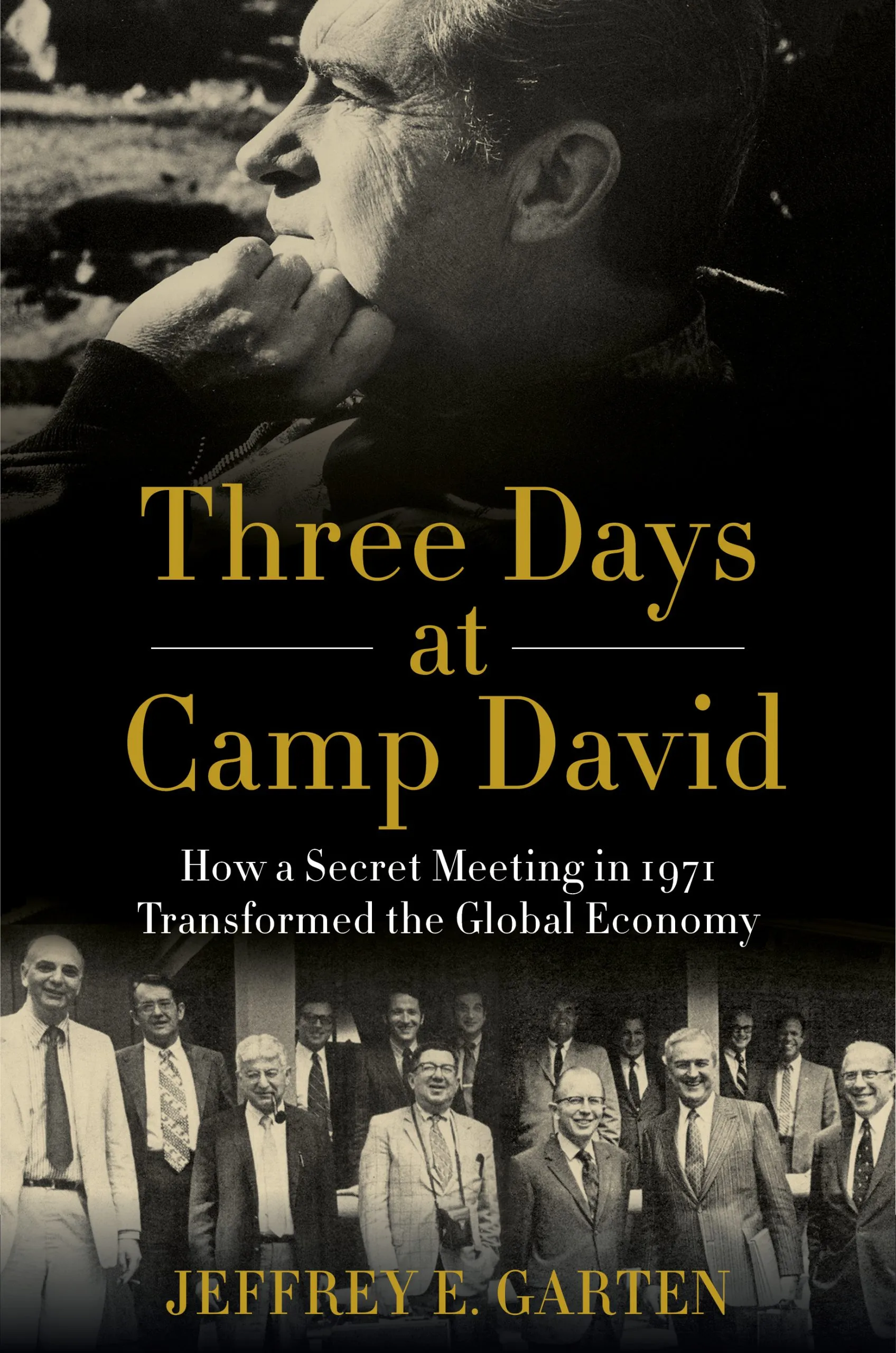
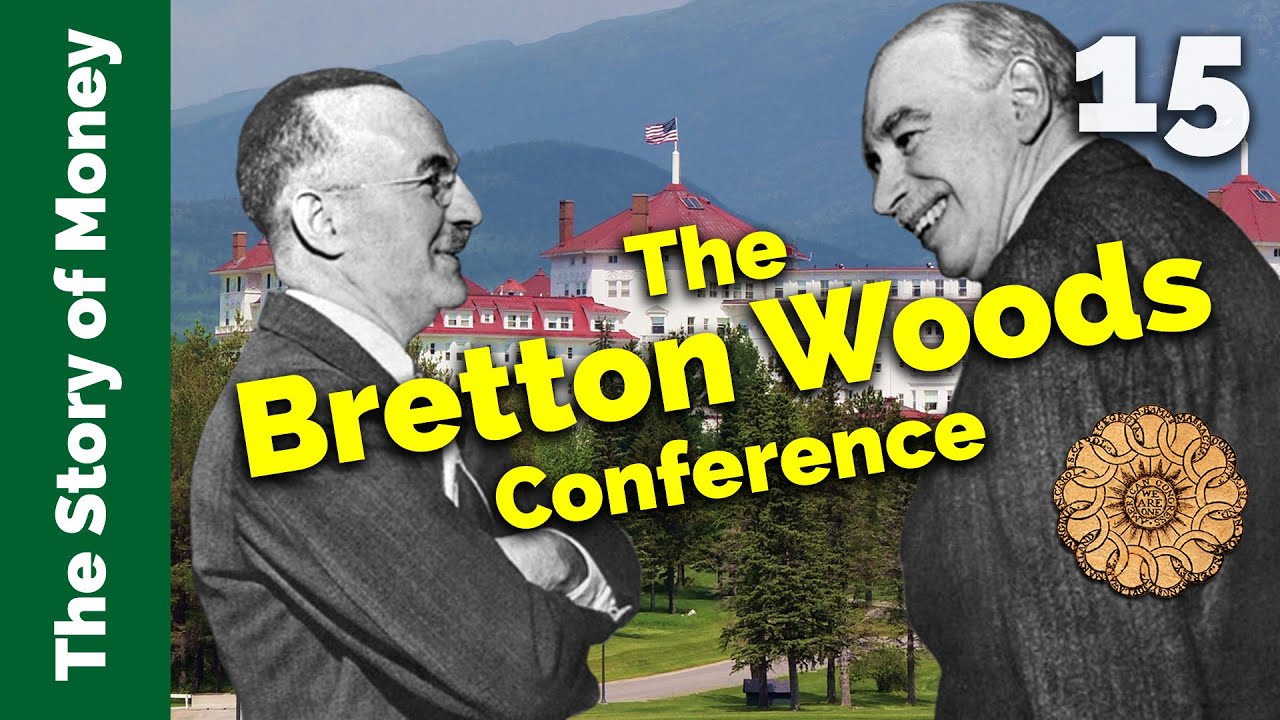
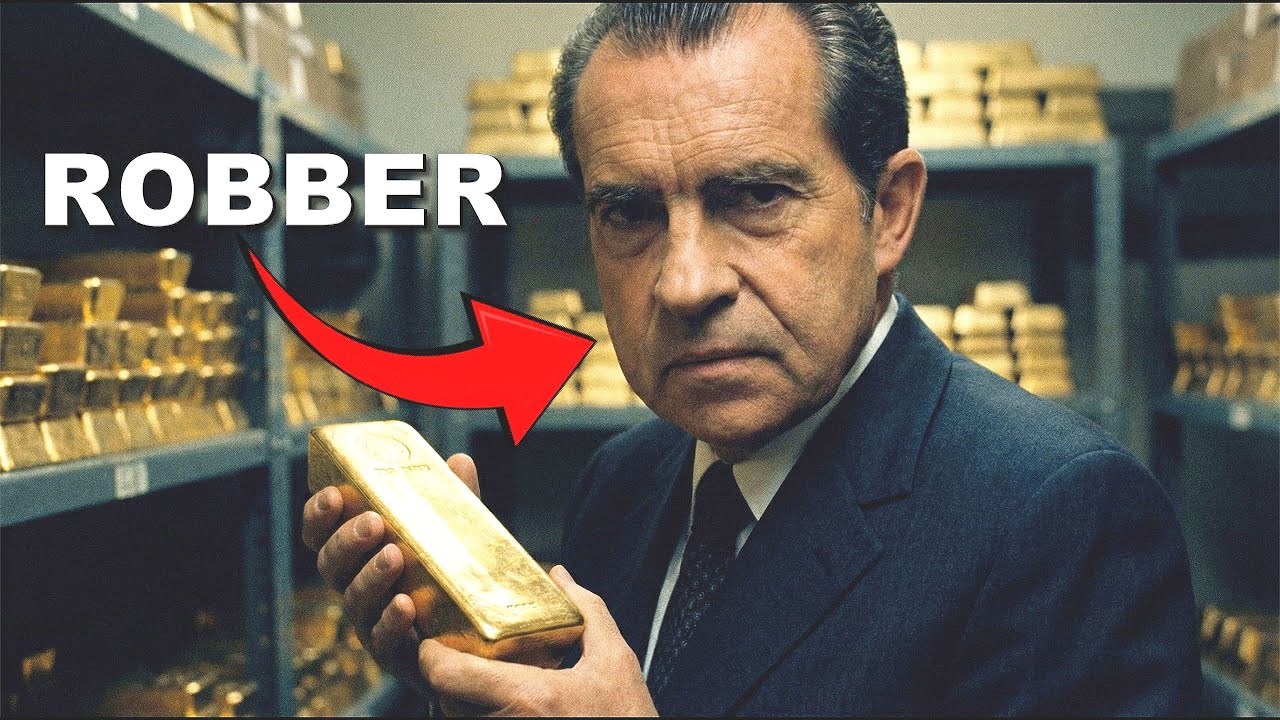
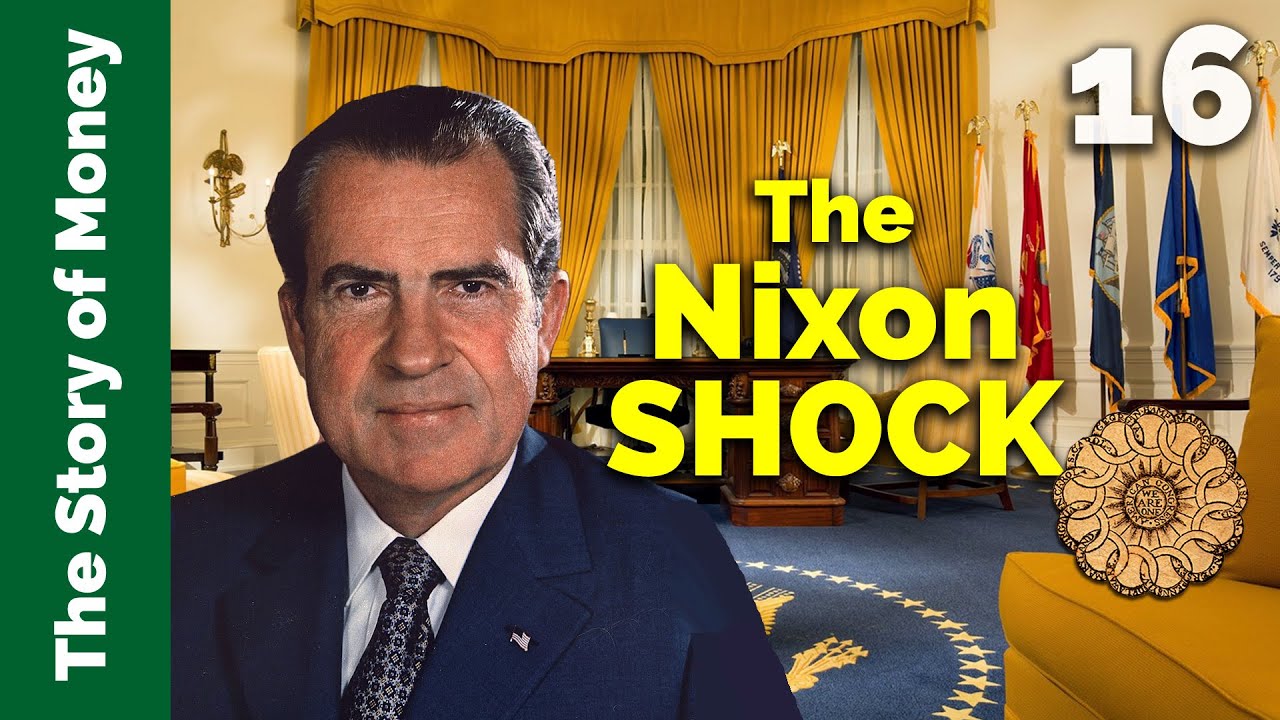
The relationship between gold and financial control is not complicated. After World War II, the Bretton Woods agreement made the dollar the world's reserve currency, backed by American gold. Every major economy tied itself to that arrangement. When Nixon ended the gold standard in 1971, the physical backing disappeared, but the financial architecture built on top of it did not. The dollar remained dominant. The institutions that managed that system remained in place. And the gold sitting in Fort Knox became something more interesting than a reserve. It became leverage. The question of whether it is actually there is not an abstract one. It is a question about who holds the real power inside the global financial system, and whether anyone outside that system is ever meant to find out.
Books
YouTube
Documentaries/Movies

Stage 3
The last full independent audit of Fort Knox took place in 1953. In the decades that followed, as the global financial system transformed, as the dollar left the gold standard, and as trillions in monetary policy were built on the assumption that the reserves existed, no administration, no Congress, and no independent body was ever granted access to confirm what was actually there. Congressmen have requested access and been denied. Economists and researchers have filed inquiries that disappeared into bureaucratic silence. The Government Accountability Office has conducted partial reviews that critics argue were designed to satisfy the question without actually answering it.
The institutions responsible have never offered a satisfying explanation for why a full audit cannot happen. The gold is there, they say. Security protocols make full access impossible, they say. And yet the same institutions that guard the world's most sensitive military secrets, that conduct forensic investigations into the most complex financial crimes in history, have never found a way to independently verify the contents of a single building in Kentucky. The audit problem is not a logistical one. It is a political one.
Books
YouTube
Documentaries/Movies
Stage 4
The theories about what is actually inside Fort Knox vary. Reserves quietly leased or sold to private banking interests. Gold bars filled with tungsten and plated to pass surface inspection. The specific mechanism matters less than the consequence. Because Fort Knox is not just a building. It is the anchor of a financial system that the entire world is tied to. The dollar. The debt. The institutions. All of it built on the assumption that the gold is there. If it isn't, the assumption collapses. And everything built on top of it collapses with it.
That is why the audit has never happened. Not because the logistics are complicated. Because the answer to the audit is the one thing the global financial system cannot survive. The Federal Reserve, the private banking dynasties, the foreign governments quietly asking for their gold back. They do not need the gold to be there. They need the world to keep believing it is. The moment that belief breaks, so does everything else. Somewhere in Kentucky, behind fences and minefields and armed guards, sits either the world's greatest reserve or its most consequential lie. And someone needs it to stay in the dark.
Books
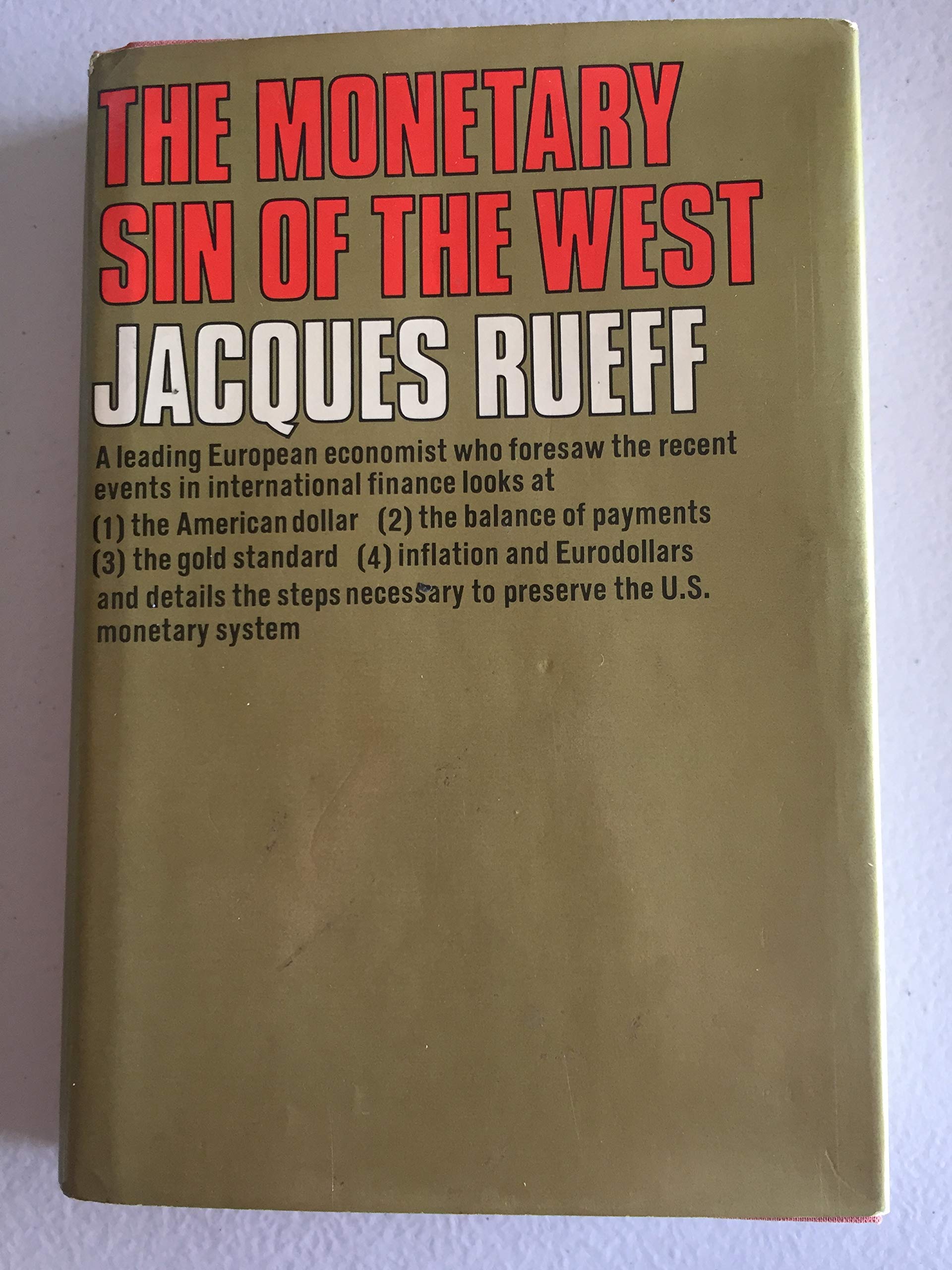
YouTube
Documentaries/Movies

What is a Conspiracy Theory?
A conspiracy theory is an explanation for an event or situation that proposes a secret plot by powerful groups, usually operating outside of public knowledge or official narratives. At its core, it's the belief that what we're told isn't the whole story.
The term gets thrown around as a way to dismiss ideas without engaging with them, and that's not an accident. The phrase "conspiracy theory" was popularized by the CIA in the 1960s as a tool to discredit critics of the Warren Commission's findings on the JFK assassination. In other words, the label used to shut down conspiratorial thinking? That's kind of a conspiracy.
That's not to say every theory is true. Most aren't. But the history of the world is also full of actual conspiracies that were once dismissed as paranoid fantasy before being confirmed as fact. Knowing the difference between useful skepticism and a rabbit hole that never ends is exactly what this site is built for.
Are all Conspiracy Theories True?
A conspiracy theory is an explanation for an event or situation that proposes a secret plot by powerful groups, usually operating outside of public knowledge or official narratives. At its core, it's the belief that what we're told isn't the whole story.
The term gets thrown around as a way to dismiss ideas without engaging with them, and that's not an accident. The phrase "conspiracy theory" was popularized by the CIA in the 1960s as a tool to discredit critics of the Warren Commission's findings on the JFK assassination. In other words, the label used to shut down conspiratorial thinking? That's kind of a conspiracy.
That's not to say every theory is true. Most aren't. But the history of the world is also full of actual conspiracies that were once dismissed as paranoid fantasy before being confirmed as fact. Knowing the difference between useful skepticism and a rabbit hole that never ends is exactly what this site is built for.
Do I need to read or watch all of the Suggested Content?
No. The guides are designed to be comprehensive, not mandatory. We cast a wide net on purpose, to cover as many angles, perspectives, and voices as possible so the full picture of each subject is available to you.
That said, if you want to go deeper on a specific corner of a topic, the resources are there for exactly that.
If you're looking for the most direct path through a guide, keep an eye out for resources highlighted in yellow. Those are the ones we consider essential for that stage: the pieces that will do the most work in building your understanding. Think of them as the must reads, and everything else as the deeper dive.
Is the existing content final for each Conspiracy?
Not at all. Each guide is a living document. We are constantly looking to improve, update, and expand the content. There may be a book or video we missed, a perspective we haven't covered, or new information that changes the conversation entirely. If it makes a guide better, we want it in there.
Will there be more Conspiracies added?
Of course. There will always be events where the official story and the available facts don't quite line up, and those gaps are worth exploring. Some conspiracies have decades of research and documentation behind them while others are still taking shape, so the depth of each guide will naturally vary.
If there is a conspiracy you feel passionate about and don't see covered here, get in touch. We will do our best to give it the attention it deserves.
Should I trust all of the sources?
That is entirely up to you. Conspiracy research is naturally confrontational territory. You will encounter conflicting facts, competing narratives, and personalities who do not agree on much. Part of the work is learning to distinguish what is documented fact from what is speculation, interpretation, or agenda.
With that said, it is worth keeping in mind that YouTube videos and documentaries tend to be where you will find the most exaggeration and creative fact interpretation. That does not make them without value, some of the most important voices in this space live there, but it does mean your critical eye needs to be sharper. Read, watch, compare, and decide for yourself.
Note: We do include movies that aren’t necessarily academic but are dramatic versions of the events, providing an artistic view of actual events. Doesn’t hurt to have some fun while we learn!
What order should I tackle the Conspiracies?
There is no wrong entry point. Start with whatever subject you find most interesting or compelling and go from there.
That said, you may notice as you work through the guides that many conspiracies share overlapping stories, characters, and timelines. This is by design, not coincidence. A book you read for one guide may end up being essential context for three others. For example, several conspiracies trace their roots to the same era surrounding the formation of the CIA, so the foundational material you pick up early will carry further than you might expect.
In that sense, the more guides you work through, the more connected everything starts to feel.