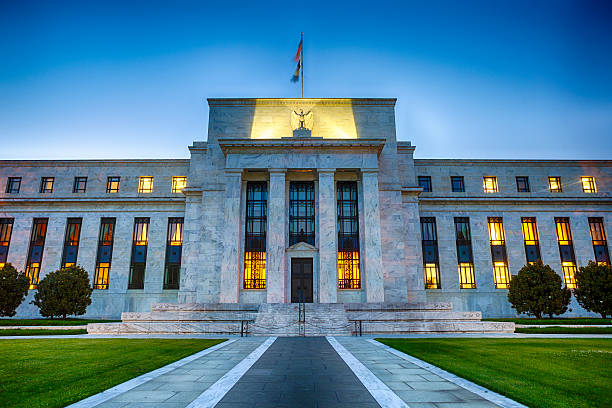
Federal Reserve
The Federal Reserve stands at the center of global finance, wielding influence through its control of money creation, interest rates, and government debt. As the central bank of the United States, it plays a pivotal role in shaping liquidity (money in the economy), debt flows, and financial stability not only domestically, but across international markets. Decisions made within its boardrooms ripple outward, affecting currencies, asset prices, national budgets, and economic growth worldwide.
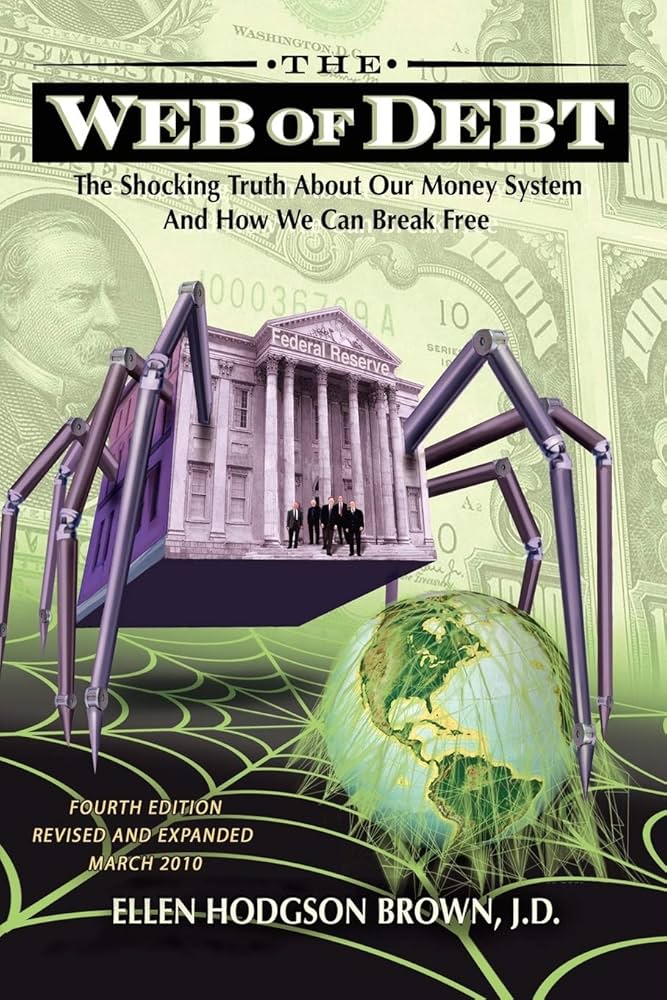
At the core is a simple premise: control over money is control over the system. By expanding or contracting money in the economy, manipulating borrowing costs, and managing the supply of dollars, the Federal Reserve has direct control over economic cycles, government debt burdens, and market behavior. These behind-the-scenes mechanisms shape how nations finance themselves, how corporations expand, and how individuals experience prosperity or hardship. Yet, it is not a government agency, but a privately owned institution.
Within this framework, the levers of power are subtle but immense. By tightening the money supply or raising rates, the Federal Reserve can trigger recessions that pressure elected officials into compliance. By expanding emergency lending or restricting access to reserve accounts, it can determine which banks survive and which collapse. Through dollar swap lines and currency policy, it can influence foreign economies and exert geopolitical pressure without deploying a single soldier. These mechanisms operate largely behind closed doors, yet their consequences are visible everywhere: lost jobs, market crashes, shifting alliances, and entire nations adjusting to the flow of capital they do not control.
Stages
01
Money and Debt Foundations
What is money, and who has the power to create it?
Why is every dollar created tied to debt, and who benefits from that?
How does newly created money flow through the economy and reach individuals?
02
Government Finance
How do governments raise and spend money?
What are deficits, bonds, and public debt — and who holds them?
How does the Federal Reserve influence government borrowing and spending?
03
History of Central Banks
How did banking originate and evolve over thousands of years?
How have financial institutions used lending as a tool of power and control over governments and populations?
What events, and whose interests, led to the creation of the Federal Reserve in 1913?
04
The Conspiracy ⭐
Who created the Federal Reserve, and whose interests does it serve?
What economic events has the Fed influenced, or engineered, over the past century?
How does the Fed wield power today, and where is that power heading?
Stage 1
Most people spend their entire lives using money without ever questioning what it actually is, and that's not an accident. Before exploring who controls the financial system and how, you need to understand the system itself. This stage breaks down how modern money is created, how debt drives its expansion, and how central banks influence the flow of currency through the economy. It's not glamorous material, but it's the bedrock. Without it, the larger claims about concentrated financial power, manufactured economic cycles, and institutional control are impossible to evaluate clearly, or convincingly.
Books

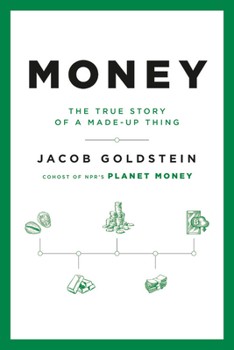
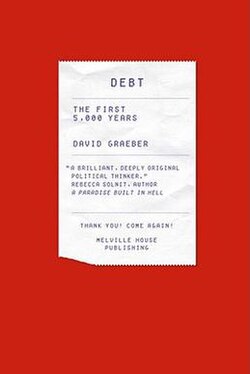
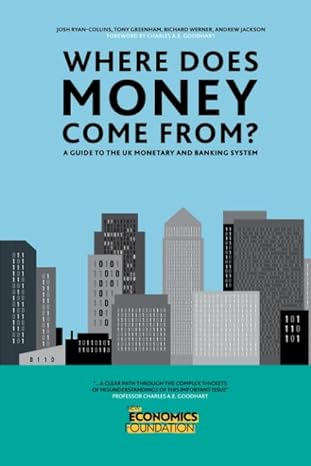
YouTube
Documentaries/Movies
Stage 2
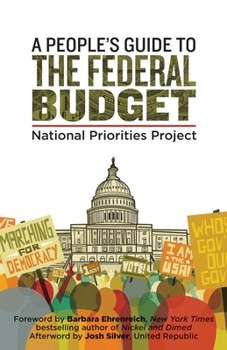
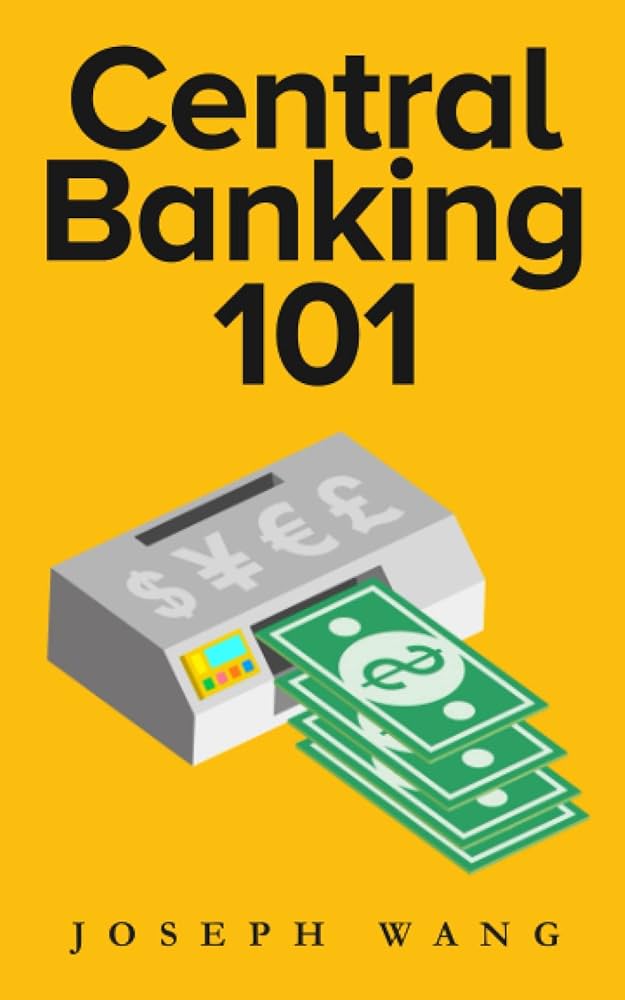
Governments don't just spend money, they borrow it, print it, and owe it back with interest. This stage breaks down how governments raise revenue through taxation, finance shortfalls through debt, and manage the relationship between public spending and the monetary system. From how budgets are built to how bonds are issued and who buys them, this stage reveals the mechanisms that keep governments funded, and the dependencies that come with it. Understanding how fiscal policy interacts with the monetary system is a key step before examining who holds leverage over governments that can't balance their books.
Books
YouTube


Documentaries/Movies
Stage 3
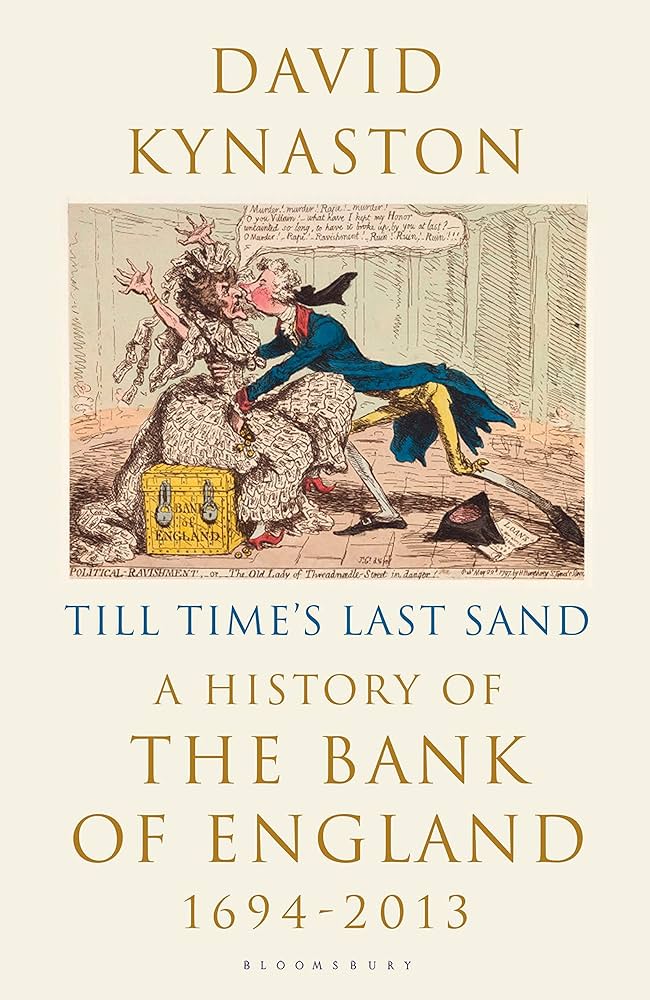
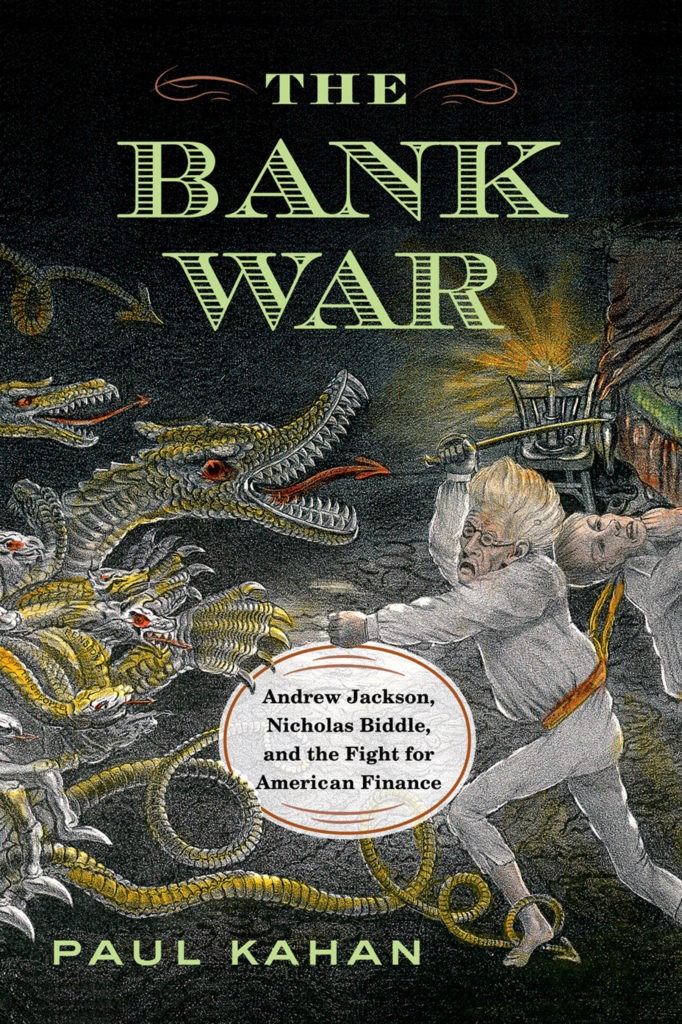
Banking didn't begin with the Federal Reserve. For thousands of years, financial institutions have sat at the center of power, from medieval Italian bankers financing wars to the founding of the Bank of England as a tool of government control. This stage traces that history, examining how central banks emerged, how debt has been used to influence and subjugate, and the chain of events that led to the creation of the Federal Reserve in 1913. Understanding where the system came from is essential to understanding what it was designed to do.
Books
YouTube
Documentaries/Movies

Stage 4
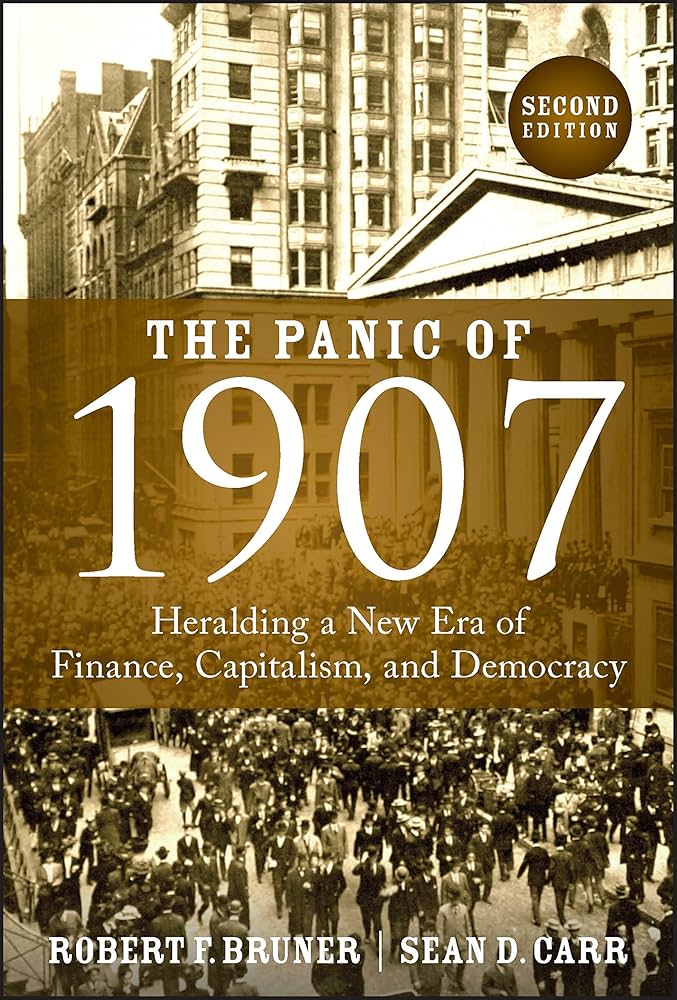
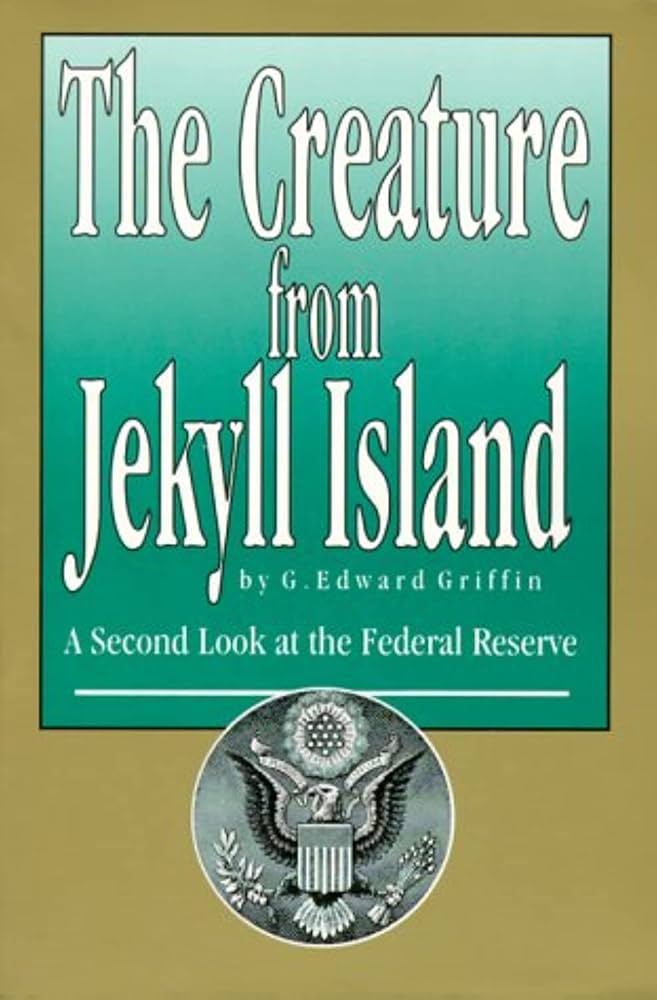
In November 1910, a small group of the nation's most powerful bankers boarded a private railcar bound for Jekyll Island, Georgia. Traveling under false names, representatives of the Morgan, Rockefeller, and Warburg banking empires met in secret with Senator Nelson Aldrich to draft a plan for a new central bank. What emerged from that meeting became the Federal Reserve Act of 1913. The men who had caused the Panic of 1907 were now positioned as the solution. The fox was hired to guard the henhouse.
The Federal Reserve was sold as a stabilizing force, a way to prevent the bank runs and market crashes that had plagued the nation. But critics saw something else: a private banking cartel granted the power to create money, set interest rates, and lend to the government at interest. What followed was a century of expanding control: financing world wars, engineering booms and busts, and quietly transferring wealth from the public to the financial elite. The 1929 crash, the removal of the gold standard in 1971, the 2008 bailouts — each crisis became an opportunity to consolidate more power.
Today, the Federal Reserve operates with little oversight and no audit. It creates trillions of dollars with a keystroke, deciding who gets rescued and who gets left behind. As central banks worldwide push toward digital currencies and real-time surveillance of transactions, the question is no longer whether private bankers control the money supply, but how far that control will extend.
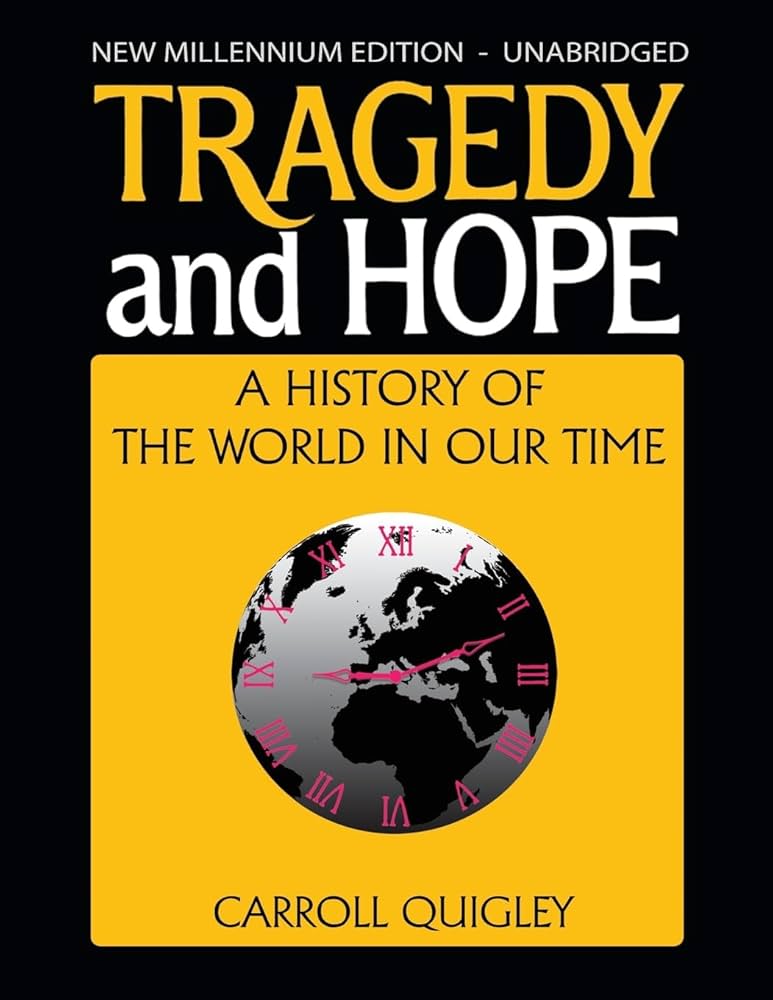
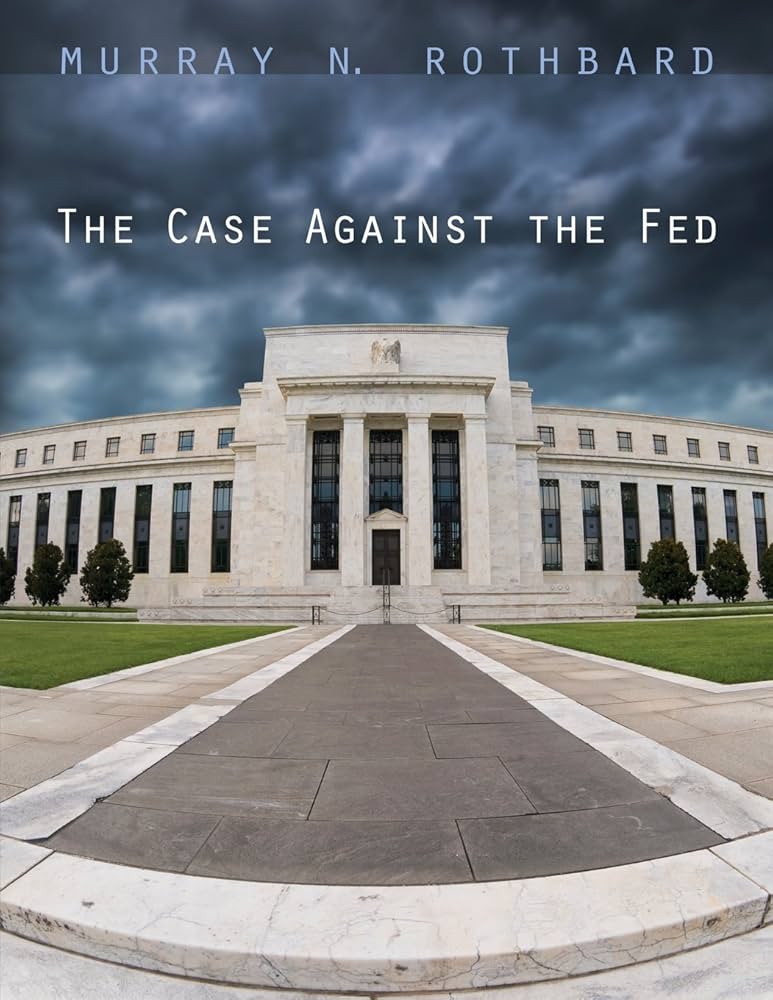
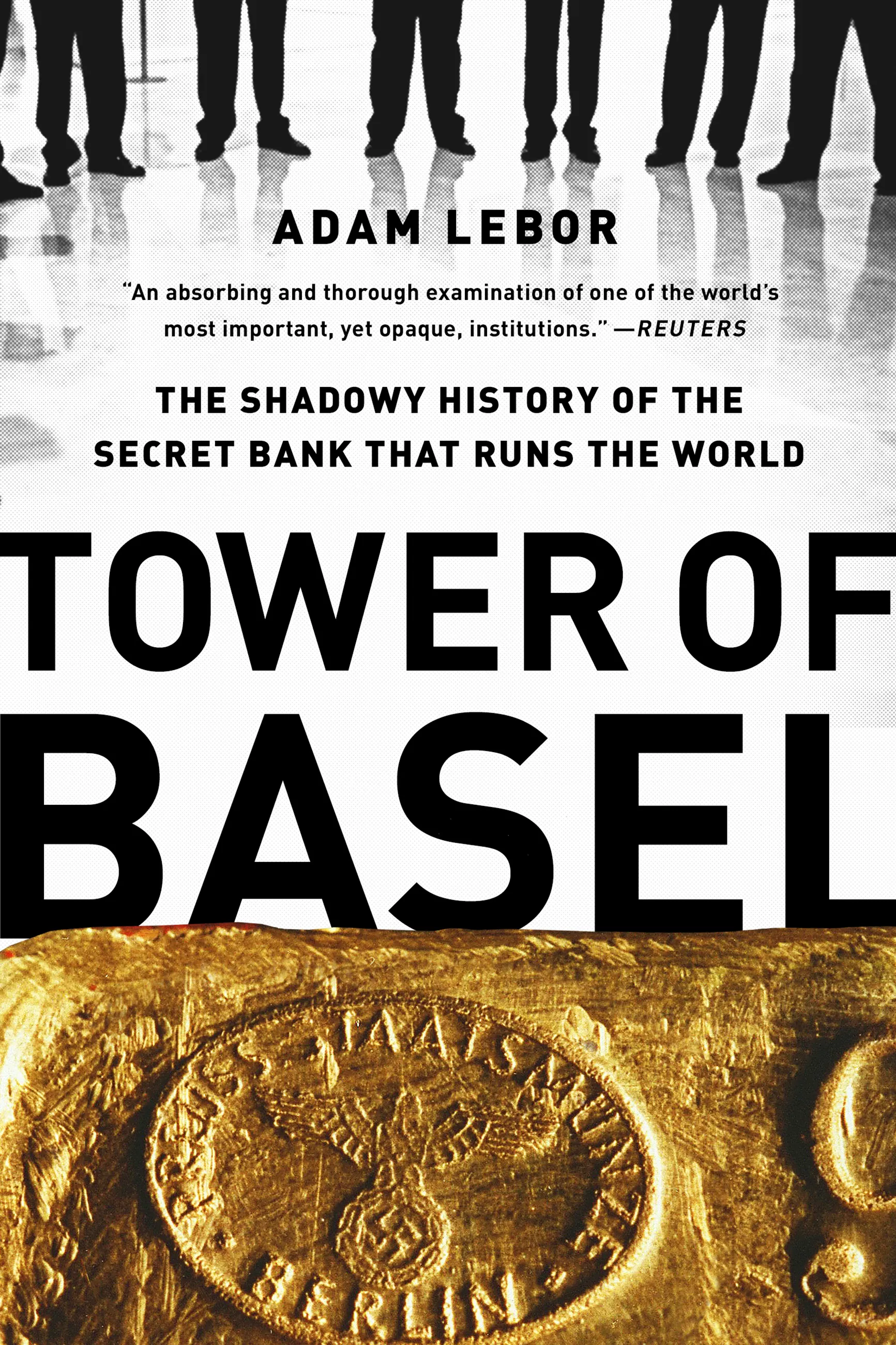
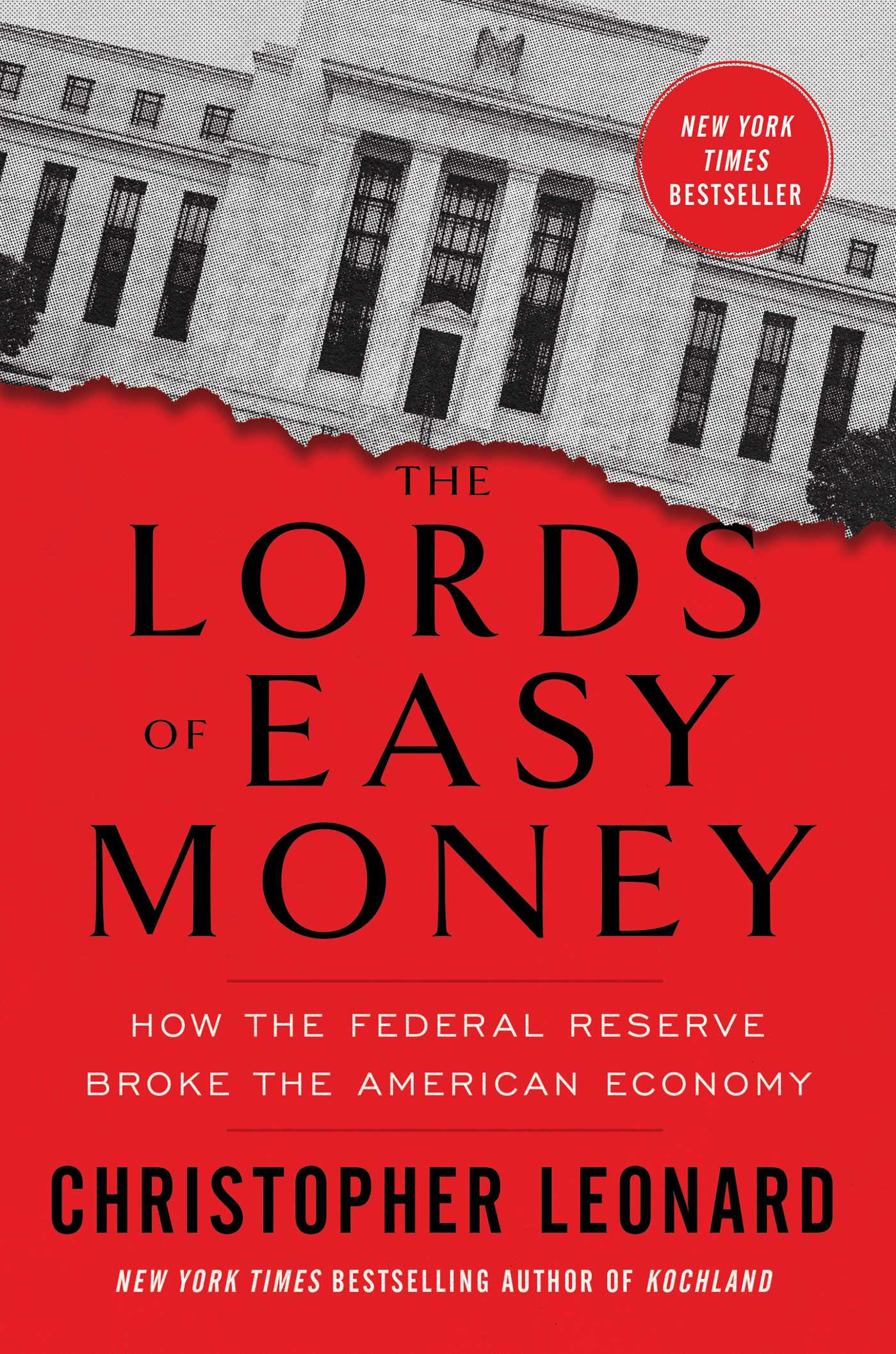
Books
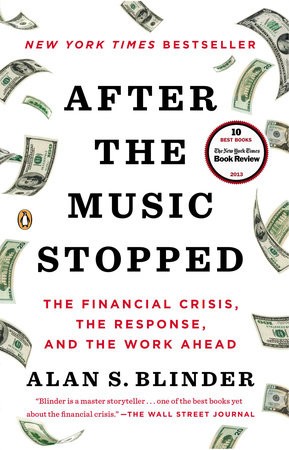
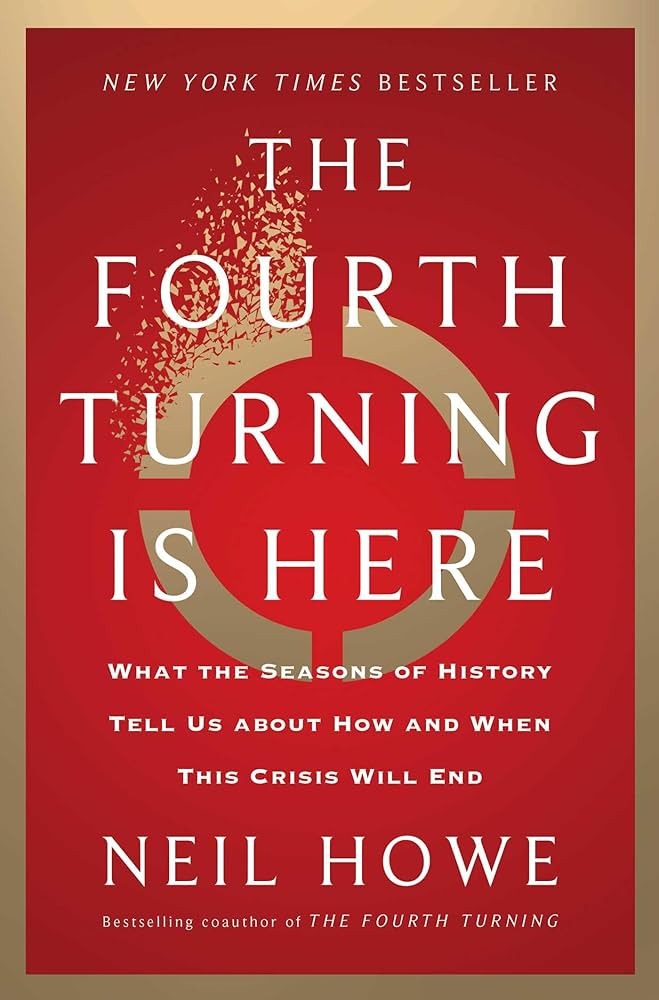
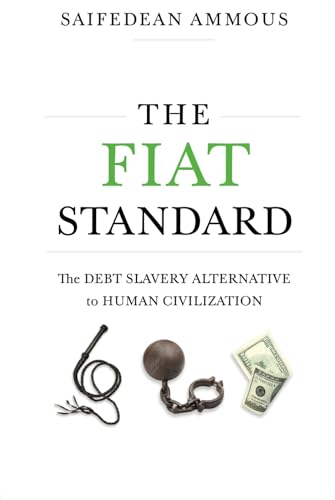
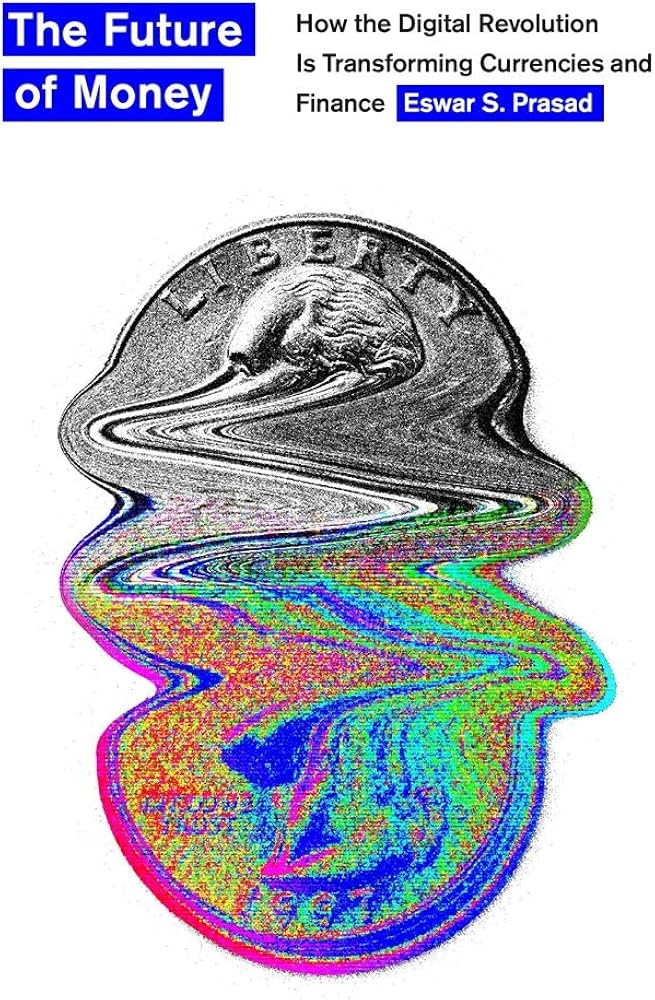
YouTube
Documentaries/Movies
What is a Conspiracy Theory?
A conspiracy theory is an explanation for an event or situation that proposes a secret plot by powerful groups, usually operating outside of public knowledge or official narratives. At its core, it's the belief that what we're told isn't the whole story.
The term gets thrown around as a way to dismiss ideas without engaging with them, and that's not an accident. The phrase "conspiracy theory" was popularized by the CIA in the 1960s as a tool to discredit critics of the Warren Commission's findings on the JFK assassination. In other words, the label used to shut down conspiratorial thinking? That's kind of a conspiracy.
That's not to say every theory is true. Most aren't. But the history of the world is also full of actual conspiracies that were once dismissed as paranoid fantasy before being confirmed as fact. Knowing the difference between useful skepticism and a rabbit hole that never ends is exactly what this site is built for.
Are all Conspiracy Theories True?
A conspiracy theory is an explanation for an event or situation that proposes a secret plot by powerful groups, usually operating outside of public knowledge or official narratives. At its core, it's the belief that what we're told isn't the whole story.
The term gets thrown around as a way to dismiss ideas without engaging with them, and that's not an accident. The phrase "conspiracy theory" was popularized by the CIA in the 1960s as a tool to discredit critics of the Warren Commission's findings on the JFK assassination. In other words, the label used to shut down conspiratorial thinking? That's kind of a conspiracy.
That's not to say every theory is true. Most aren't. But the history of the world is also full of actual conspiracies that were once dismissed as paranoid fantasy before being confirmed as fact. Knowing the difference between useful skepticism and a rabbit hole that never ends is exactly what this site is built for.
Do I need to read or watch all of the Suggested Content?
No. The guides are designed to be comprehensive, not mandatory. We cast a wide net on purpose, to cover as many angles, perspectives, and voices as possible so the full picture of each subject is available to you.
That said, if you want to go deeper on a specific corner of a topic, the resources are there for exactly that.
If you're looking for the most direct path through a guide, keep an eye out for resources highlighted in yellow. Those are the ones we consider essential for that stage: the pieces that will do the most work in building your understanding. Think of them as the must reads, and everything else as the deeper dive.
Is the existing content final for each Conspiracy?
Not at all. Each guide is a living document. We are constantly looking to improve, update, and expand the content. There may be a book or video we missed, a perspective we haven't covered, or new information that changes the conversation entirely. If it makes a guide better, we want it in there.
Will there be more Conspiracies added?
Of course. There will always be events where the official story and the available facts don't quite line up, and those gaps are worth exploring. Some conspiracies have decades of research and documentation behind them while others are still taking shape, so the depth of each guide will naturally vary.
If there is a conspiracy you feel passionate about and don't see covered here, get in touch. We will do our best to give it the attention it deserves.
Should I trust all of the sources?
That is entirely up to you. Conspiracy research is naturally confrontational territory. You will encounter conflicting facts, competing narratives, and personalities who do not agree on much. Part of the work is learning to distinguish what is documented fact from what is speculation, interpretation, or agenda.
With that said, it is worth keeping in mind that YouTube videos and documentaries tend to be where you will find the most exaggeration and creative fact interpretation. That does not make them without value, some of the most important voices in this space live there, but it does mean your critical eye needs to be sharper. Read, watch, compare, and decide for yourself.
Note: We do include movies that aren’t necessarily academic but are dramatic versions of the events, providing an artistic view of actual events. Doesn’t hurt to have some fun while we learn!
What order should I tackle the Conspiracies?
There is no wrong entry point. Start with whatever subject you find most interesting or compelling and go from there.
That said, you may notice as you work through the guides that many conspiracies share overlapping stories, characters, and timelines. This is by design, not coincidence. A book you read for one guide may end up being essential context for three others. For example, several conspiracies trace their roots to the same era surrounding the formation of the CIA, so the foundational material you pick up early will carry further than you might expect.
In that sense, the more guides you work through, the more connected everything starts to feel.