Denver International Airport
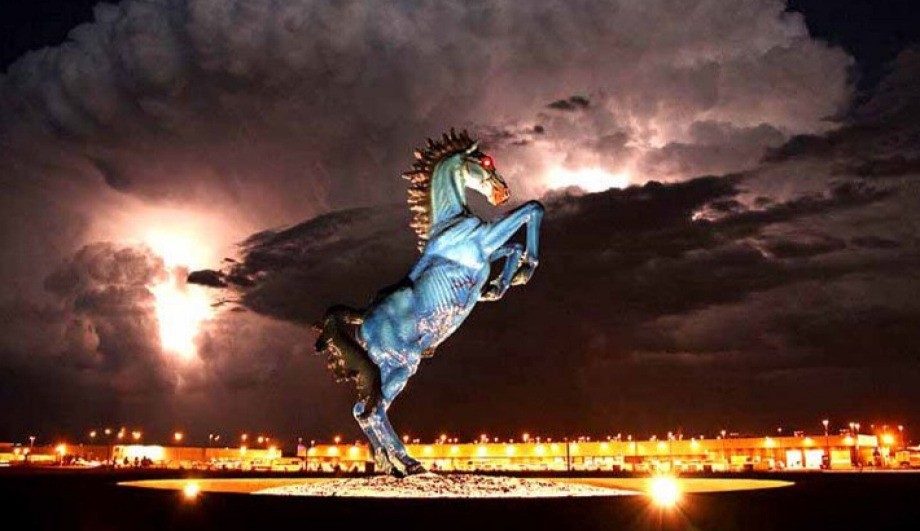
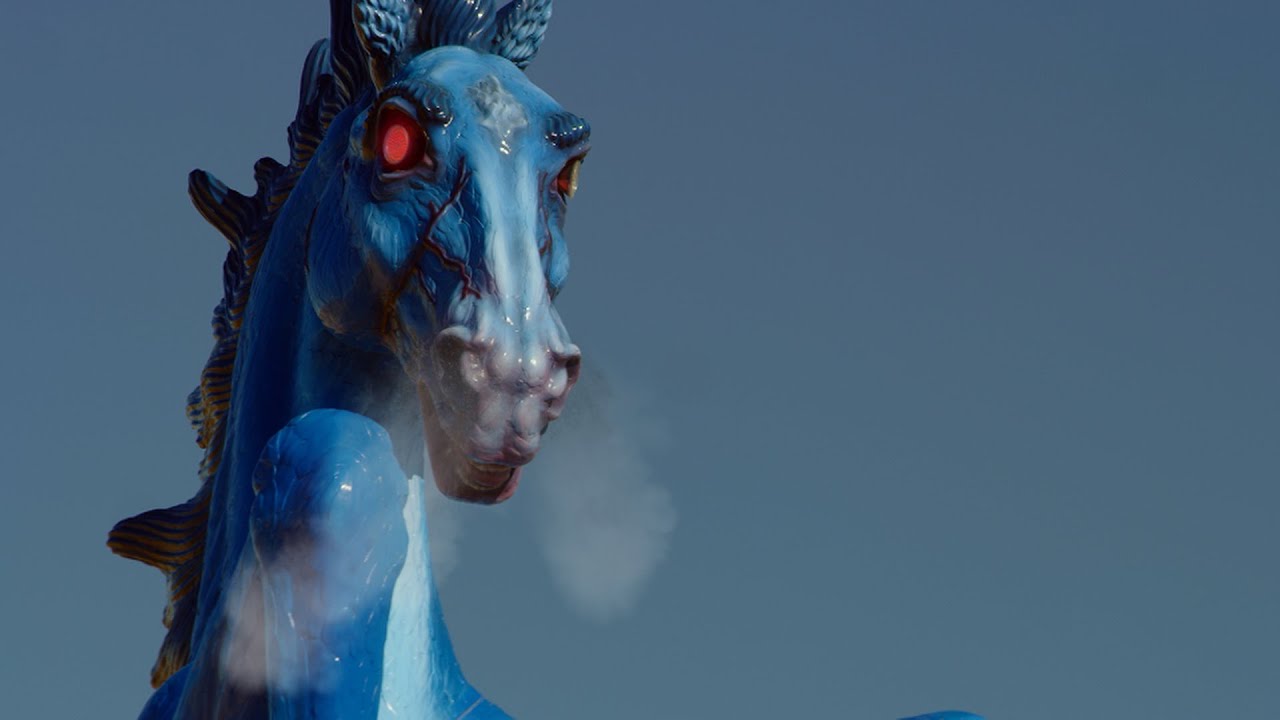
Denver International Airport opened in 1995, sixteen months late and four billion dollars over budget. It was supposed to be a marvel of modern infrastructure. Instead, it became one of the most scrutinized pieces of real estate in the world. Not because of what went wrong during construction, but because of what was deliberately put there. The murals depicting genocide and a rising world order. The Masonic capstone dedicated to an organization no one can find a record of. The blue demon horse with glowing red eyes that killed its own creator. None of it was accidental. Someone commissioned it. Someone approved it. Someone paid for it.
The conspiracy surrounding DIA is not built on a single theory but on an accumulation of details that individually invite explanation and collectively defy it. Miles of tunnels beneath the airport that far exceed any operational need. Construction that has never fully stopped. Restricted areas that no public airport requires. A layout, visible only from the air, that traces the shape of a swastika across the Colorado plains. Believers do not point to one smoking gun. They point to the fact that there are too many strange things in one place for any of them to be coincidence.
What DIA represents, at its core, is a question about who builds things and why. Airports move people. But some researchers believe DIA was built for a different purpose entirely. A hub for the powerful, a shelter for the elite, and a monument to an order that does not yet openly exist but is not particularly trying to hide. The symbols are on the walls. The tunnels are in the ground. The airport has been there for thirty years, and the construction crews have never really left.
Stages
01
Construction, Art, and the Underground
What do the cost overruns, delays, and contractor structure suggest about what was actually being built?
What do the murals and symbols at DIA actually depict, and who approved them?
What is the true scale of the underground, and what have workers described seeing down there?
What connects the construction anomalies, the art, and the tunnels as a single set of questions?
02
The Conspiracy
Who are the individuals believed to be behind the planning of DIA?
What evidence connects the airport to the continuity of government or elite bunker plan?
Why has the airport never meaningfully attempted to address the theories surrounding it?
Stage 1
Denver International Airport was supposed to replace an aging airport. Instead, it became one of the most chaotic, expensive, and bizarre construction projects in American history. The budget ballooned from $1.7 billion to $4.8 billion. The opening was delayed sixteen months. No one in charge ever offered an explanation that fully accounted for either.
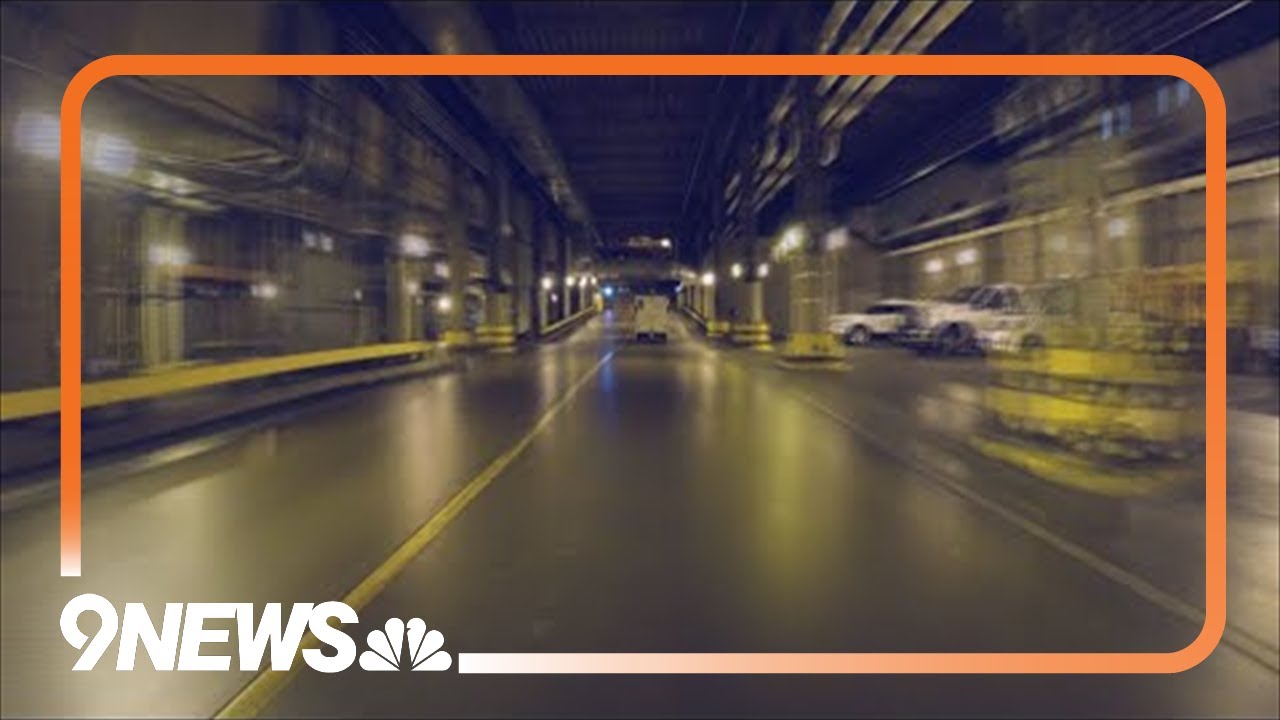
But the numbers are only the surface. The construction methods were unusual. Multiple contractors were brought in, divided across separate sections, and dismissed before the project was complete. A structure some researchers believe was deliberate, designed so that no single team ever saw the full picture. What they were building extended far underground: miles of tunnels, restricted areas, and levels that do not appear on any public schematic. The baggage system those tunnels were built to serve famously failed and was decommissioned. The tunnels remain.
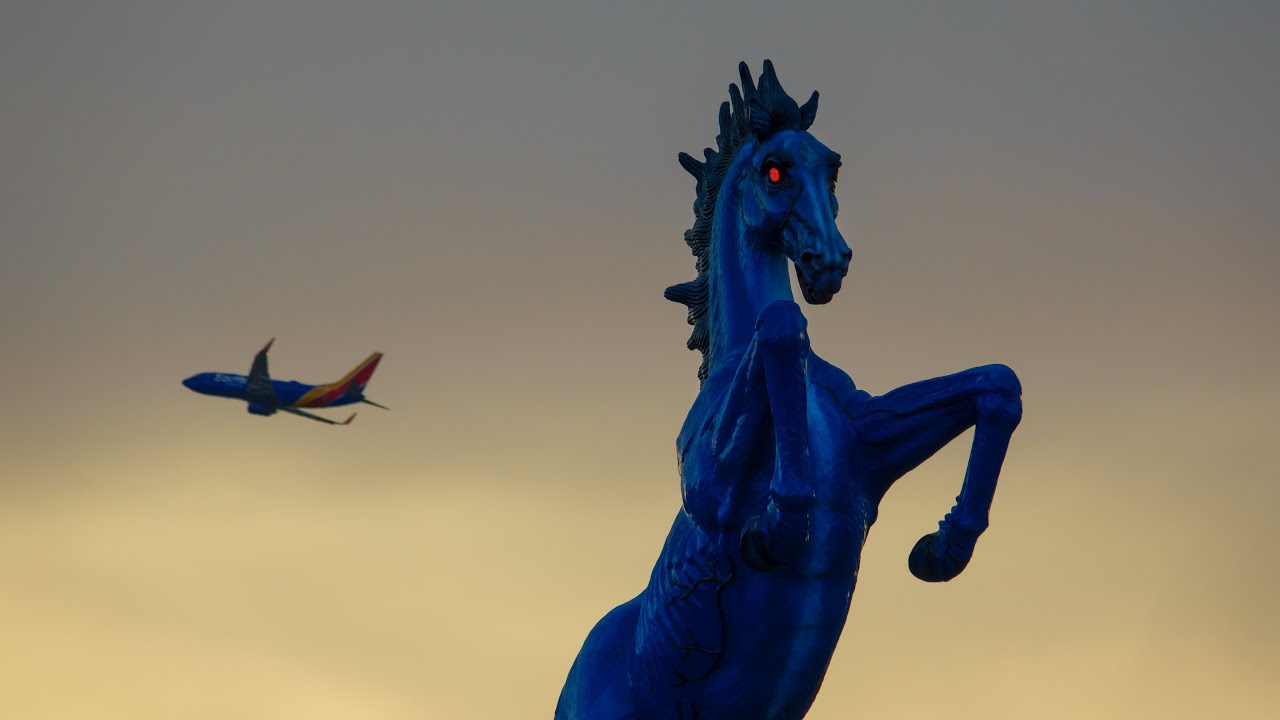
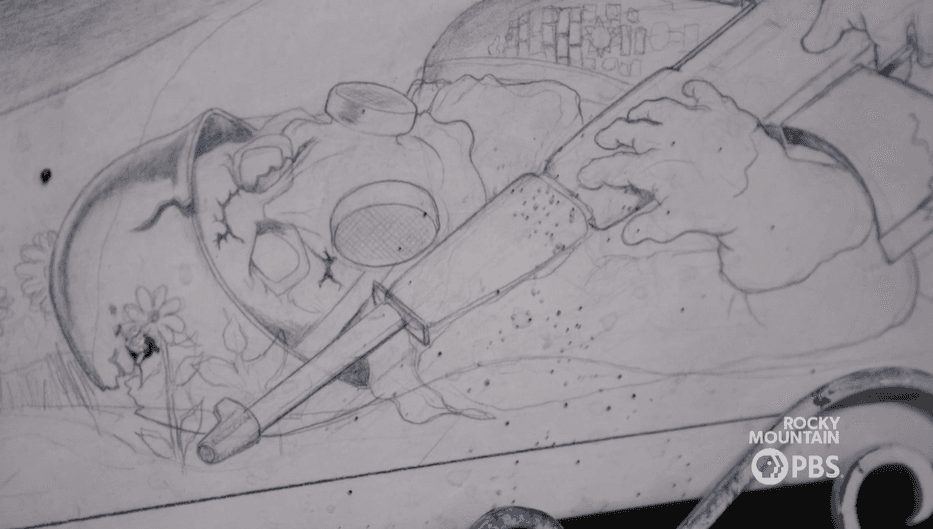
Above ground, the airport filled with art that no one would call comforting. A 32-foot demon horse with glowing red eyes at the entrance. Murals inside depicting genocide, cities in flames, and a new world order rising from the wreckage. Every piece was commissioned and approved. Someone chose these images.
What ties all of it together is a question the official record has never answered: what is DIA actually for? Beneath the delays, the contractors, the tunnels, and the art is a theory that the airport was never just an airport. That somewhere beneath it lies a facility designed for the world's elite to disappear into when everything above ground falls apart. A doomsday refuge hiding in plain sight. And the deeper you look, the harder it becomes to believe it was all just poor planning and unusual taste in murals.
Books

YouTube

Documentaries/Movies

Stage 2
An airport that cost three times its budget and opened two years late. Art that depicts genocide and world domination hanging in public terminals. A tunnel system whose scale no operational need has ever justified. Any one of these, in isolation, might be explained away. But Denver International Airport does not offer them in isolation. It offers all of them, in the same place, built by the same hands, paid for by the same interests. At some point the weight of the details stops being a series of coincidences and starts being a pattern.
The core theory is this: Denver International Airport was not built primarily as a civilian airport. It was built as a hub for the powerful. A continuity of government facility designed to house and protect the global elite in the event of a catastrophic event, whether natural, manufactured, or both. The location is not accidental. Denver sits at altitude, away from coastlines, far from the fault lines that threaten both coasts, and connected to a tunnel system whose full extent has never been made public. For those who believe the world is managed by a small and interconnected group of financial, political, and institutional power brokers, DIA is not a conspiracy theory. It is a contingency plan.
The names attached to the theory are familiar ones. The Rockefellers. The Freemasons. The New World Order. What is unusual about DIA is that the airport itself seems almost unconcerned with denying any of it. The symbols are still on the walls. The gargoyles are still in the terminals. The capstone dedicated to an organization no one can find still sits near the entrance. For a place with nothing to hide, Denver International Airport has never tried very hard to look like one.
Books
YouTube
Documentaries/Movies



What is a Conspiracy Theory?
A conspiracy theory is an explanation for an event or situation that proposes a secret plot by powerful groups, usually operating outside of public knowledge or official narratives. At its core, it's the belief that what we're told isn't the whole story.
The term gets thrown around as a way to dismiss ideas without engaging with them, and that's not an accident. The phrase "conspiracy theory" was popularized by the CIA in the 1960s as a tool to discredit critics of the Warren Commission's findings on the JFK assassination. In other words, the label used to shut down conspiratorial thinking? That's kind of a conspiracy.
That's not to say every theory is true. Most aren't. But the history of the world is also full of actual conspiracies that were once dismissed as paranoid fantasy before being confirmed as fact. Knowing the difference between useful skepticism and a rabbit hole that never ends is exactly what this site is built for.
Are all Conspiracy Theories True?
A conspiracy theory is an explanation for an event or situation that proposes a secret plot by powerful groups, usually operating outside of public knowledge or official narratives. At its core, it's the belief that what we're told isn't the whole story.
The term gets thrown around as a way to dismiss ideas without engaging with them, and that's not an accident. The phrase "conspiracy theory" was popularized by the CIA in the 1960s as a tool to discredit critics of the Warren Commission's findings on the JFK assassination. In other words, the label used to shut down conspiratorial thinking? That's kind of a conspiracy.
That's not to say every theory is true. Most aren't. But the history of the world is also full of actual conspiracies that were once dismissed as paranoid fantasy before being confirmed as fact. Knowing the difference between useful skepticism and a rabbit hole that never ends is exactly what this site is built for.
Do I need to read or watch all of the Suggested Content?
No. The guides are designed to be comprehensive, not mandatory. We cast a wide net on purpose, to cover as many angles, perspectives, and voices as possible so the full picture of each subject is available to you.
That said, if you want to go deeper on a specific corner of a topic, the resources are there for exactly that.
If you're looking for the most direct path through a guide, keep an eye out for resources highlighted in yellow. Those are the ones we consider essential for that stage: the pieces that will do the most work in building your understanding. Think of them as the must reads, and everything else as the deeper dive.
Is the existing content final for each Conspiracy?
Not at all. Each guide is a living document. We are constantly looking to improve, update, and expand the content. There may be a book or video we missed, a perspective we haven't covered, or new information that changes the conversation entirely. If it makes a guide better, we want it in there.
Will there be more Conspiracies added?
Of course. There will always be events where the official story and the available facts don't quite line up, and those gaps are worth exploring. Some conspiracies have decades of research and documentation behind them while others are still taking shape, so the depth of each guide will naturally vary.
If there is a conspiracy you feel passionate about and don't see covered here, get in touch. We will do our best to give it the attention it deserves.
Should I trust all of the sources?
That is entirely up to you. Conspiracy research is naturally confrontational territory. You will encounter conflicting facts, competing narratives, and personalities who do not agree on much. Part of the work is learning to distinguish what is documented fact from what is speculation, interpretation, or agenda.
With that said, it is worth keeping in mind that YouTube videos and documentaries tend to be where you will find the most exaggeration and creative fact interpretation. That does not make them without value, some of the most important voices in this space live there, but it does mean your critical eye needs to be sharper. Read, watch, compare, and decide for yourself.
Note: We do include movies that aren’t necessarily academic but are dramatic versions of the events, providing an artistic view of actual events. Doesn’t hurt to have some fun while we learn!
What order should I tackle the Conspiracies?
There is no wrong entry point. Start with whatever subject you find most interesting or compelling and go from there.
That said, you may notice as you work through the guides that many conspiracies share overlapping stories, characters, and timelines. This is by design, not coincidence. A book you read for one guide may end up being essential context for three others. For example, several conspiracies trace their roots to the same era surrounding the formation of the CIA, so the foundational material you pick up early will carry further than you might expect.
In that sense, the more guides you work through, the more connected everything starts to feel.