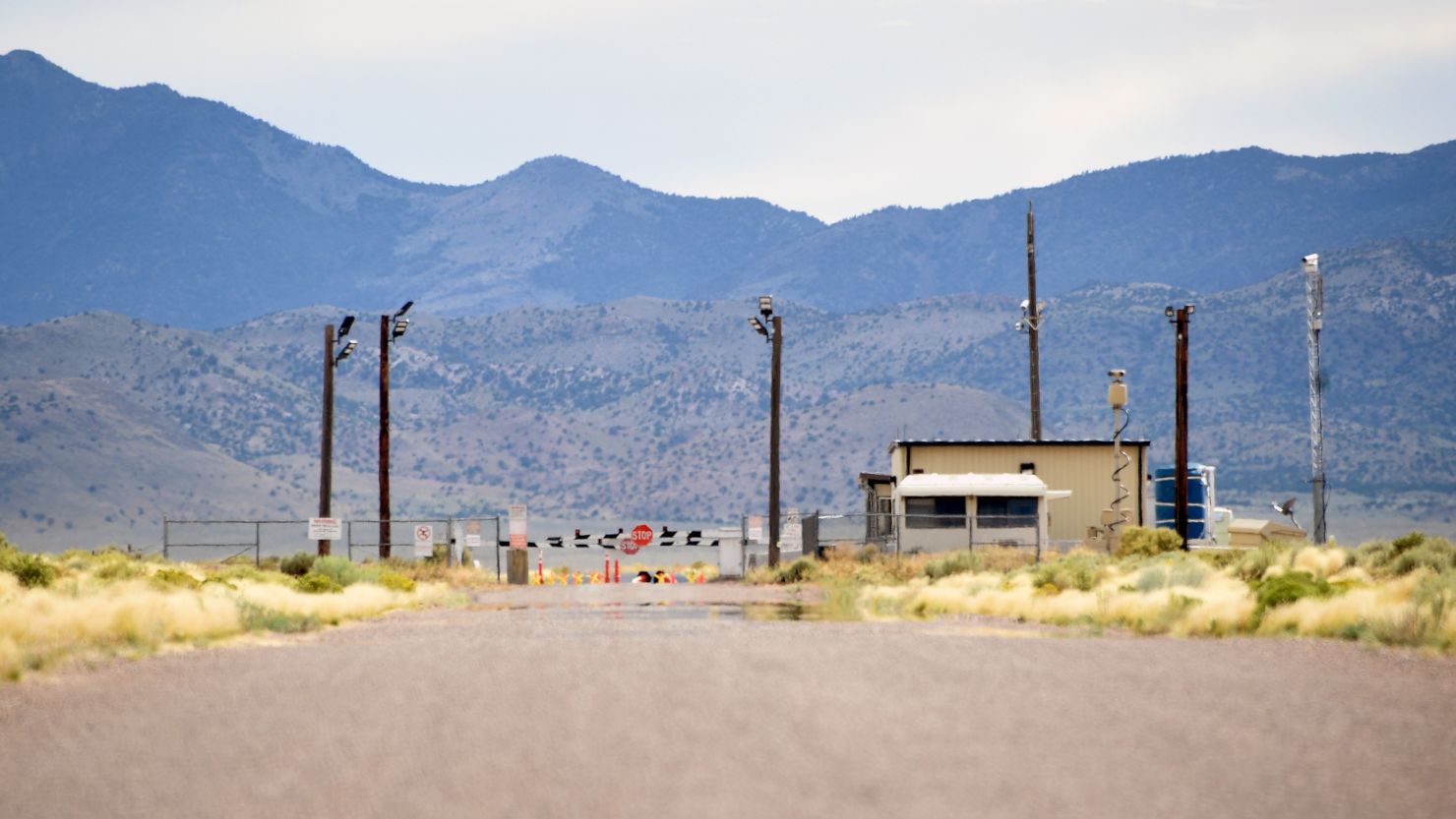
Area 51
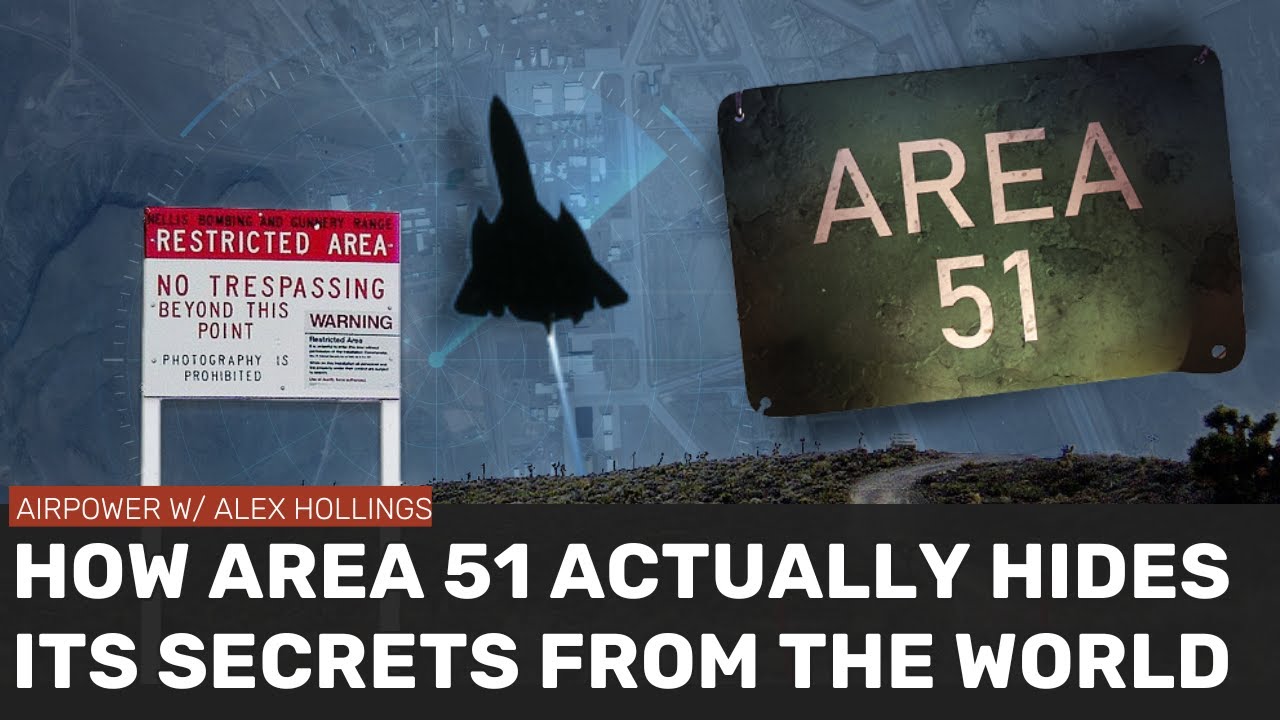
In the Nevada desert, 83 miles northwest of Las Vegas, there is a military base that does not officially exist. No name on government maps. No address. For decades, if you asked the United States government about it, they would tell you there was nothing there. Just empty desert, restricted airspace, and warning signs authorizing the use of deadly force against anyone who came too close.
They were lying.
What happens inside the base known as Area 51 remains classified to this day. What we know is this: the most advanced aircraft ever built were tested there in total secrecy. Strange lights filled the Nevada sky for decades. UFO sightings surged across the American Southwest. And rather than correct the record, the government stayed silent. Because alien rumors, it turned out, were a more convenient cover story than the truth.
But that explanation only goes so far. The Cold War ended in 1991. The U-2, the SR-71, the F-117 were all declassified and put on display in museums. And yet Area 51 remains as locked down today as it was in 1955. The restricted airspace has expanded. The unmarked planes still fly workers in from a private Las Vegas terminal every morning. Whatever is happening there now, the government has decided you still cannot know.
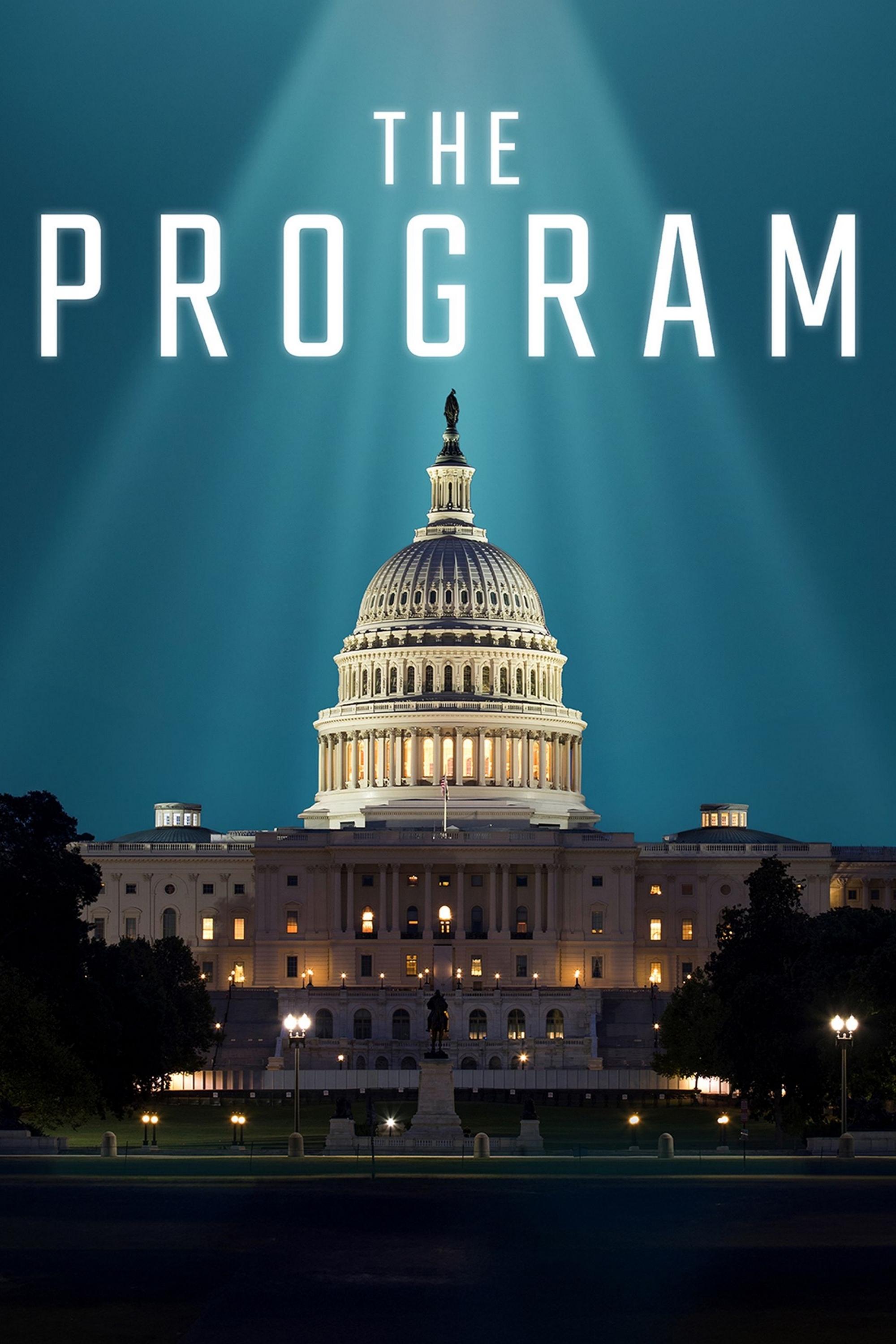
In 1947, something crashed in Roswell, New Mexico. In 1989, a physicist claimed he had spent time inside Area 51 reverse-engineering a craft not made on this earth. In 2023, a decorated military intelligence officer testified before Congress under oath that the United States government has recovered non-human materials and concealed it from the American people for decades.
Stages
01
The Origins
What was the state of the Cold War, and why was the intelligence gap so dangerous?
What was the CIA trying to build, and why did it need to be hidden?
How did the secrecy built into Area 51 from the beginning set the stage for everything that followed?
02
The Evolution
What forced Area 51 to evolve beyond the U-2 program?
How did the secrecy required to protect these programs shape Area 51?
At what point did the secrecy surrounding Area 51 start creating legends?
03
History of UFOs
What events sparked the beginning of the modern UFO obsession?
What patterns emerge across decades of sightings that remain genuinely unexplained?
What is fact, what is covered up, and what is myth when it comes to UFO discoveries?
04
The Conspiracy
How did government secrecy create the conditions for conspiracy theories to take root and spread?
Where does the truth end and the myth begin at Area 51?
What is the true extent of government secrets at Area 51?
Stage 1
By the early 1950s, the United States was losing the Cold War in silence. The Soviet Union had detonated its first nuclear weapon in 1949, shocking American intelligence who had no idea how close Moscow was to the bomb. The CIA had almost no ability to see inside Soviet territory. No satellites existed yet. Reconnaissance planes flew too low and too slow to survive Soviet air defenses. Washington was effectively blind to the most dangerous military buildup in human history, and the consequences of that blindness kept senior officials awake at night.
The solution was a base that could not exist. In 1955, CIA officer Richard Bissell identified a dry lakebed in the Nevada desert called Groom Lake, sitting inside an already-restricted nuclear testing zone, invisible to the public and invisible to Soviet satellites. Workers were told they were going to a place called Paradise Ranch. What they were actually building was America's most secret laboratory, a facility so classified that the pilots who flew from it were legally required to deny it existed, even to their own families. It had no official name. On old Atomic Energy Commission maps, it was simply labeled Area 51.
Books


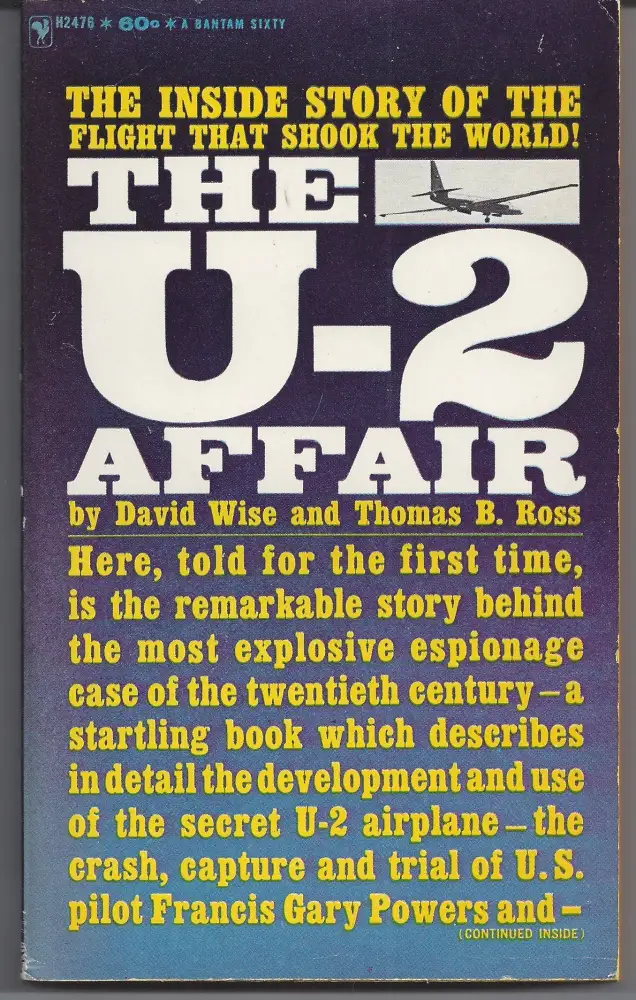
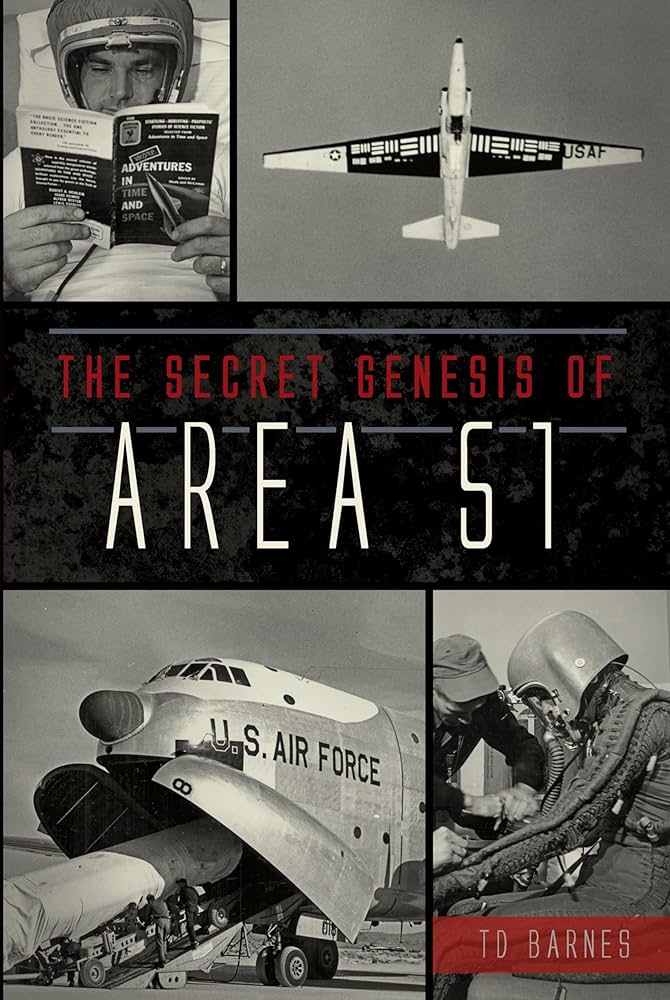
YouTube
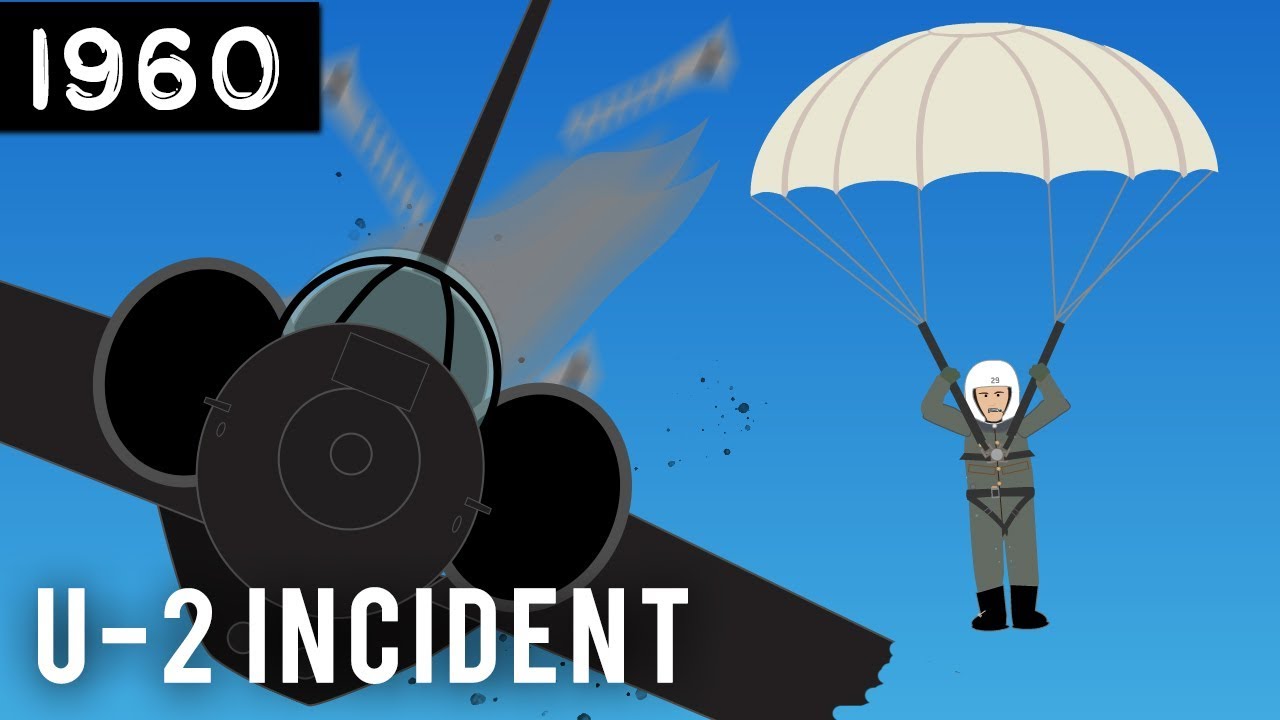

Documentaries/Movies
Stage 2
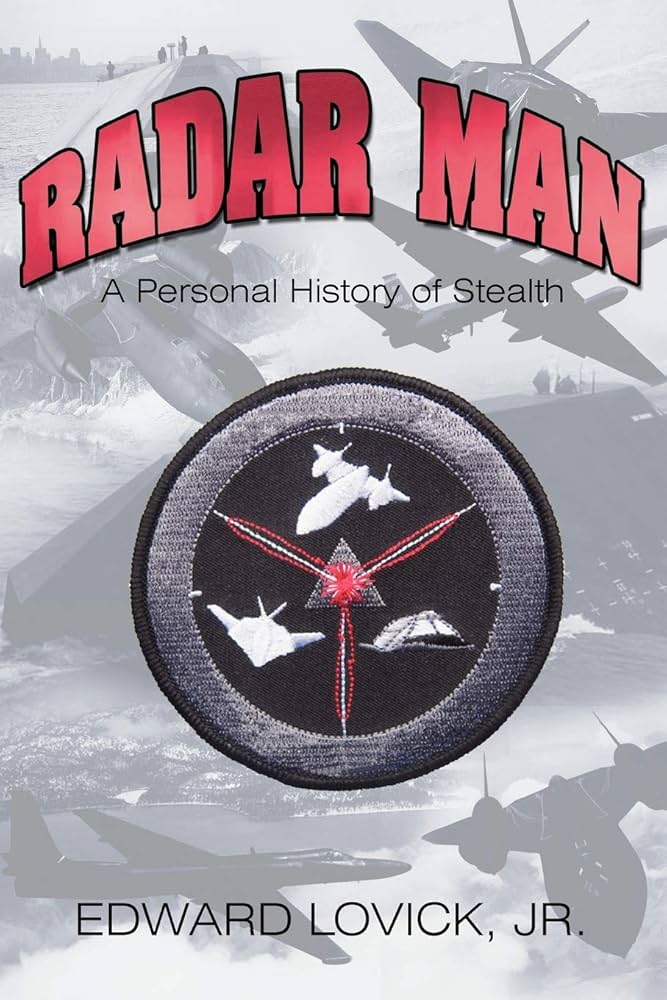
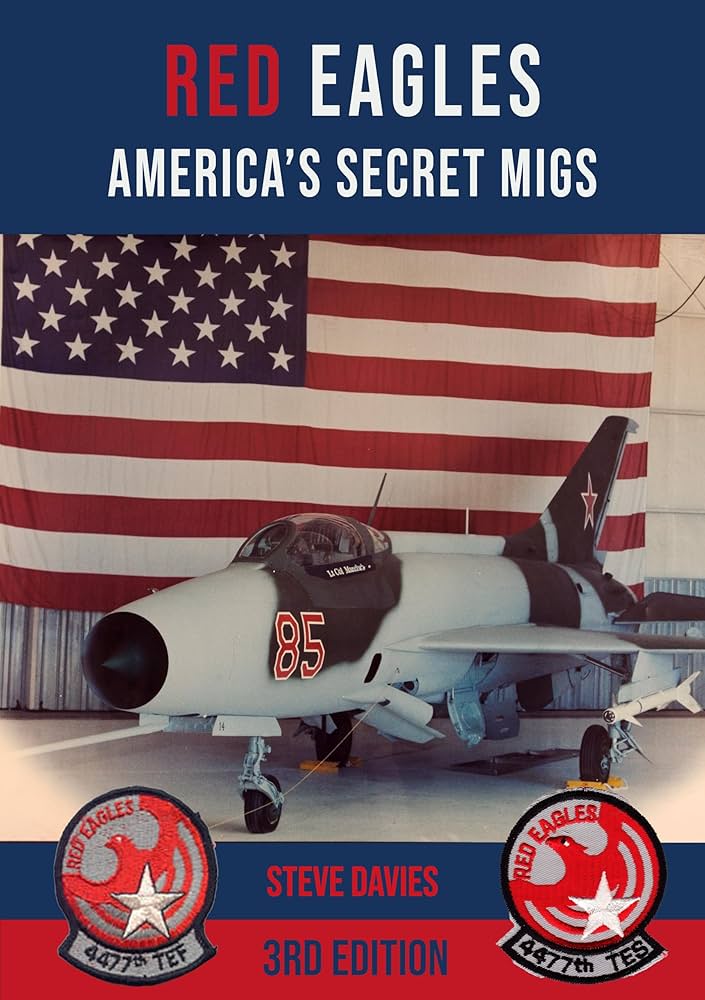
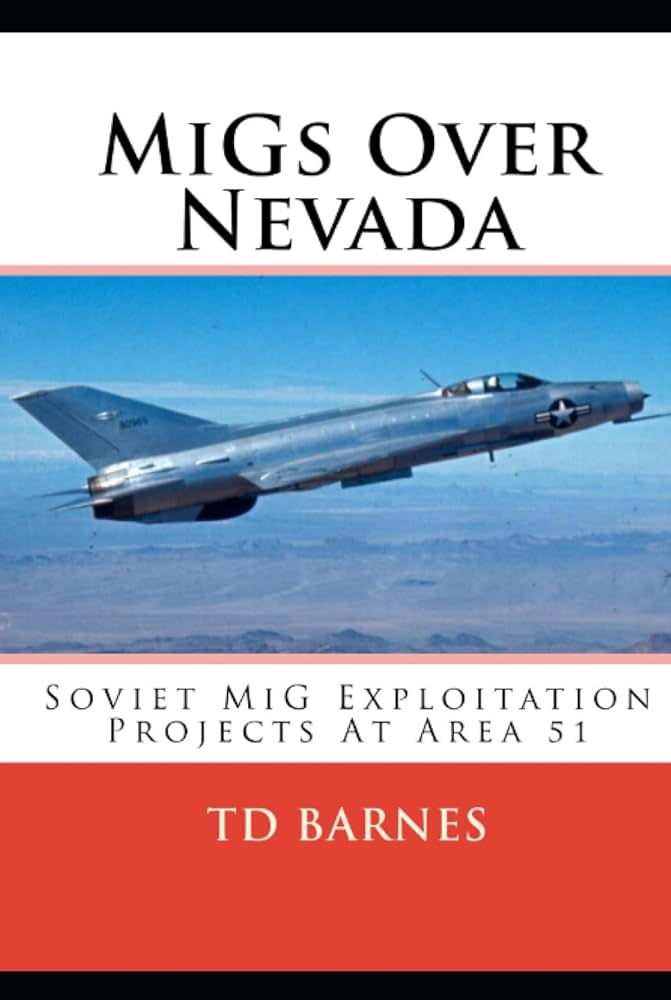
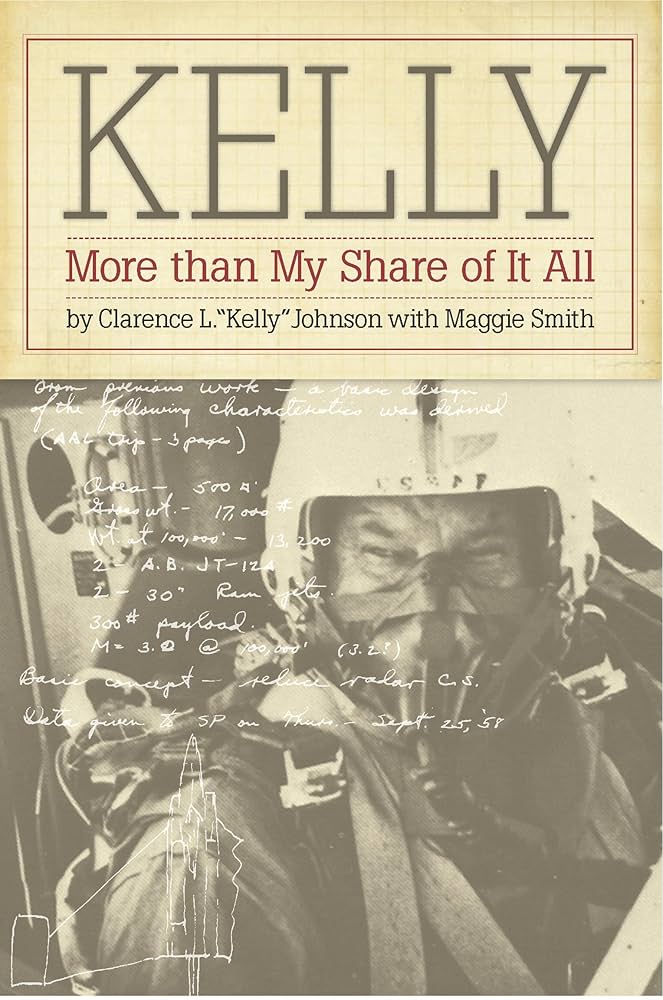
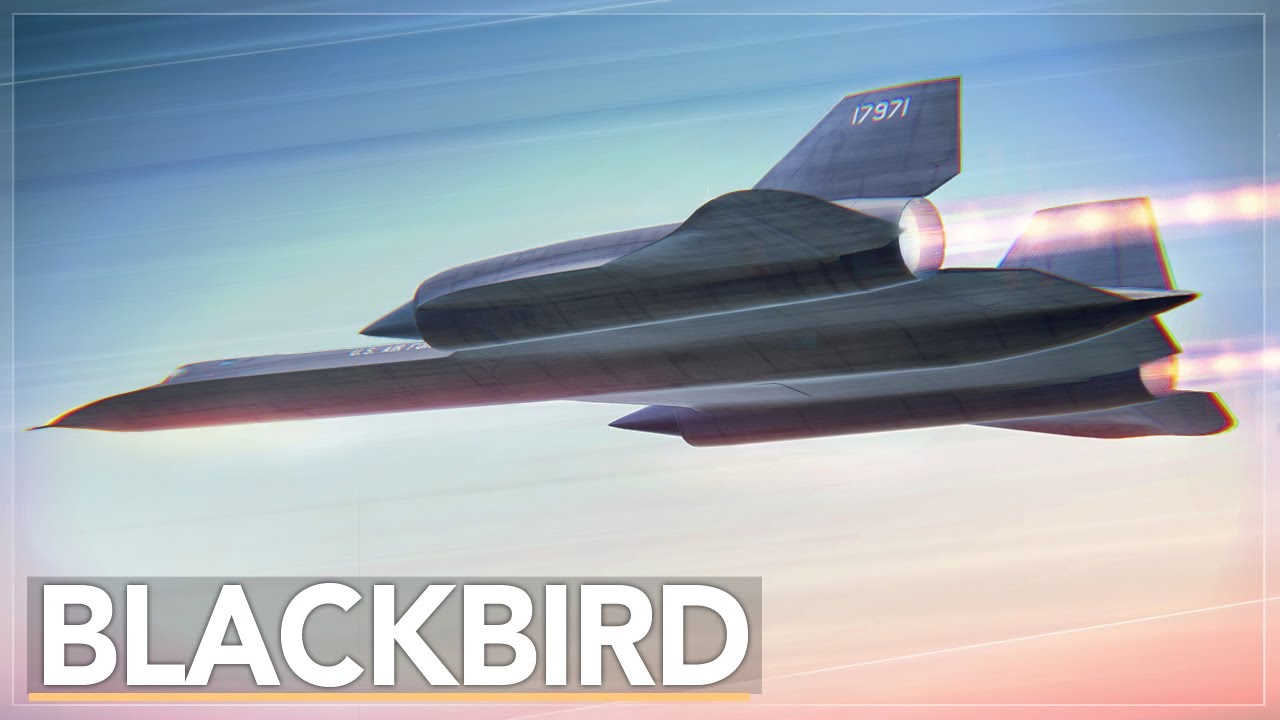
The U-2 solved one problem but created another. When Francis Gary Powers was shot down over the Soviet Union in May 1960, the CIA learned a hard lesson: altitude alone was no longer enough. The Soviets had caught up. Area 51 had been built in secret and was known to almost no one, but it couldn't simply close. It had to become something new. Within two years, a sleek titanium aircraft capable of outrunning a missile at Mach 3 was being trucked into the Nevada desert under canvas, assembled in secret, and flown by pilots who didn't officially exist. The A-12 OXCART was just the beginning. Over the next two decades, Area 51 would host a succession of programs so classified, so visually bizarre, and so far beyond the limits of known aviation that the base transformed from a testing ground into something closer to a different world entirely.
Books
YouTube
Documentaries/Movies
Stage 3
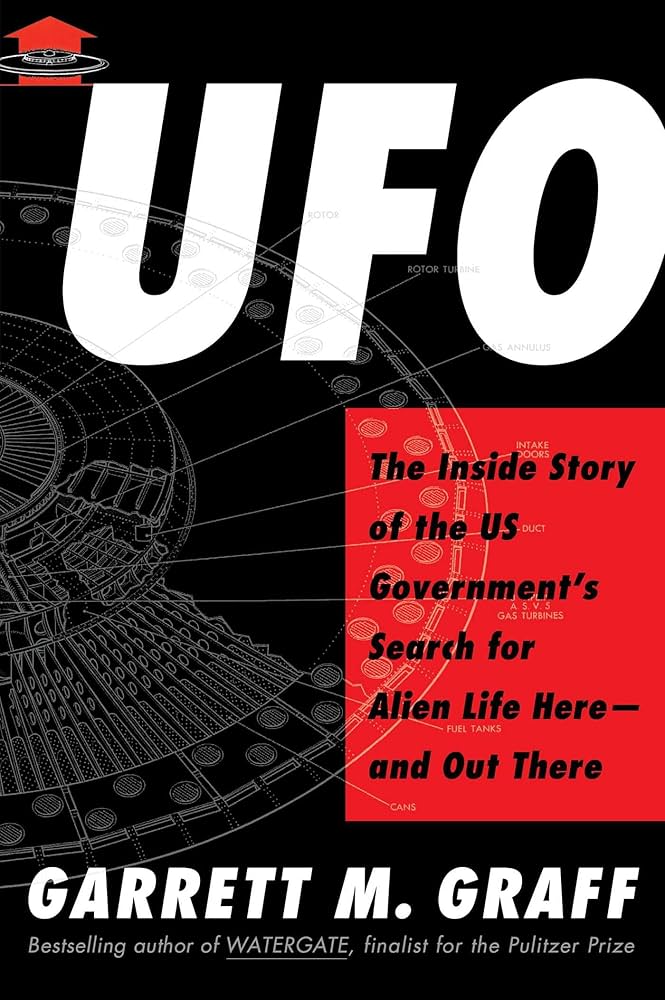
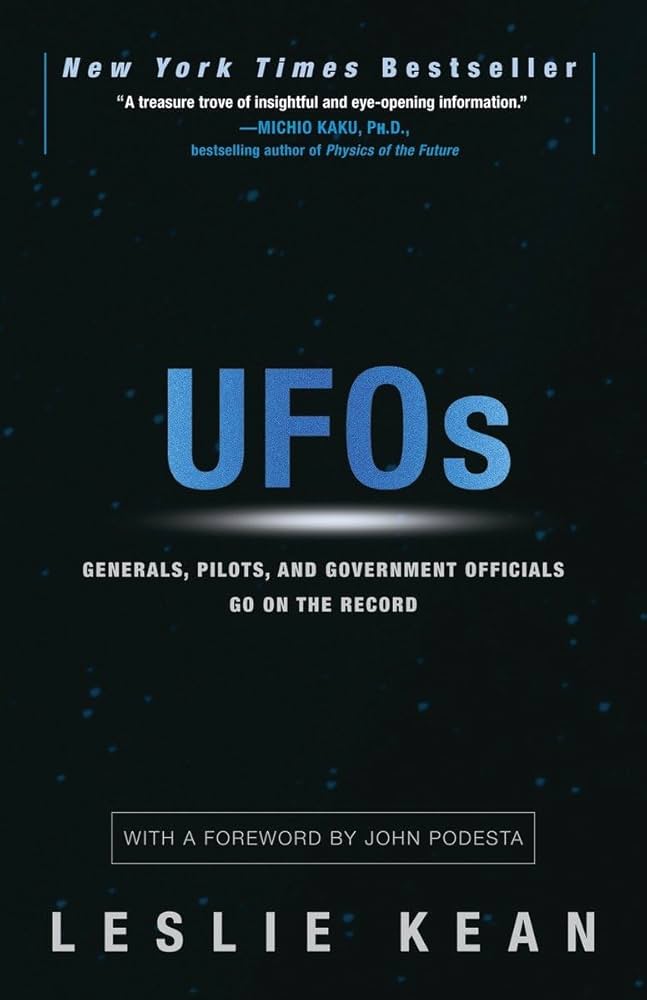
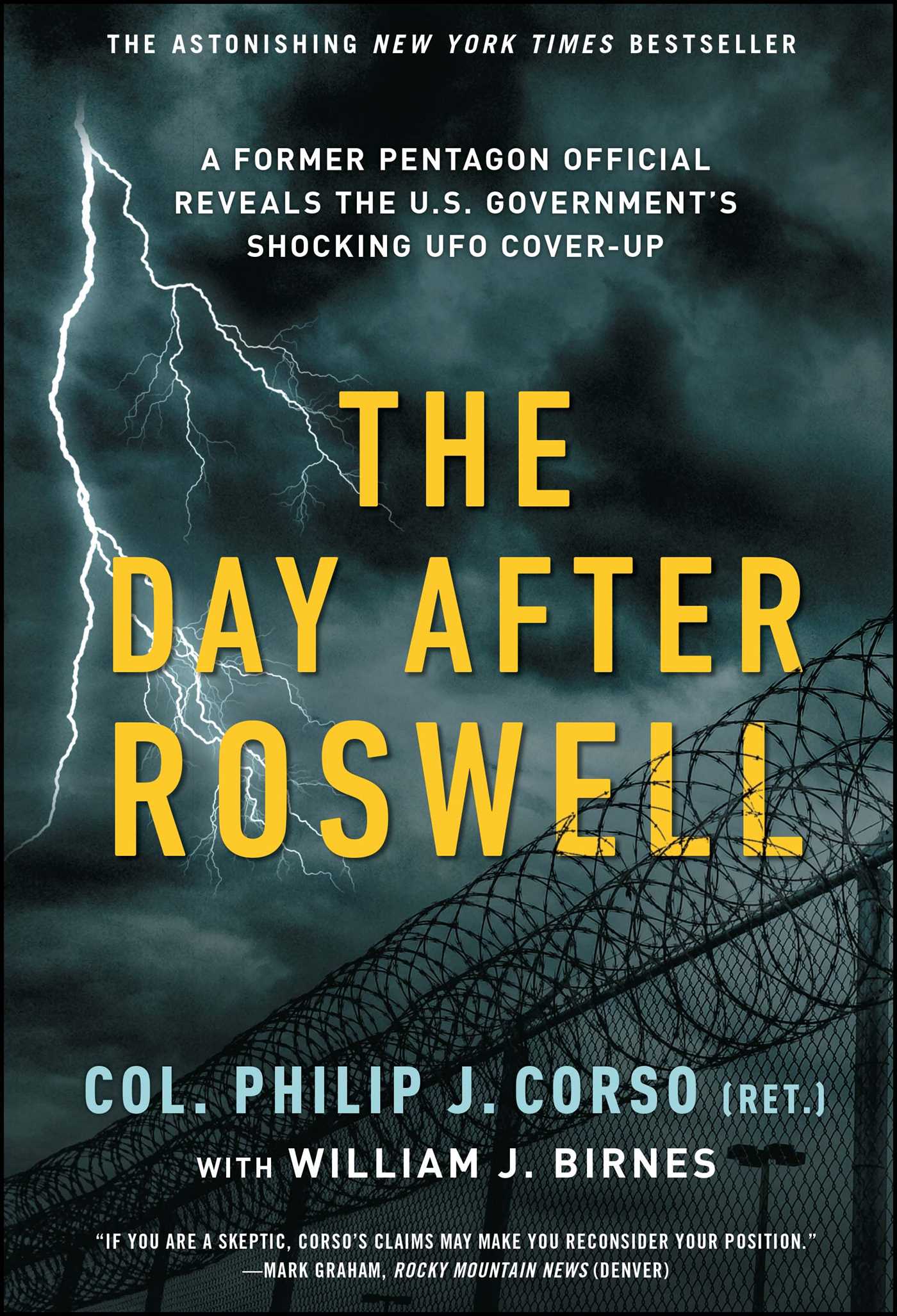
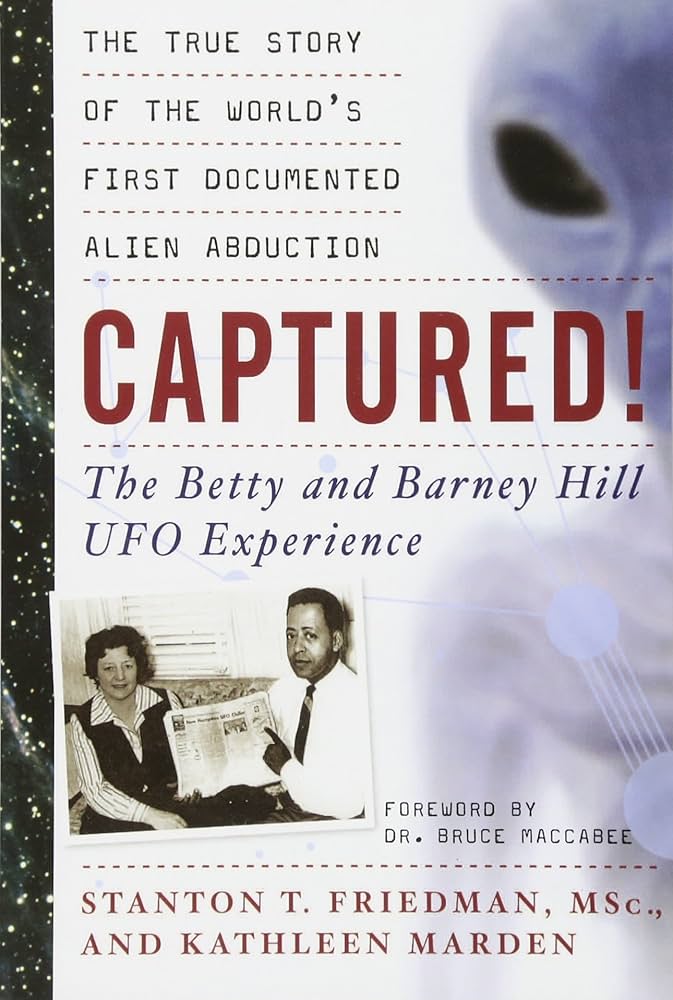
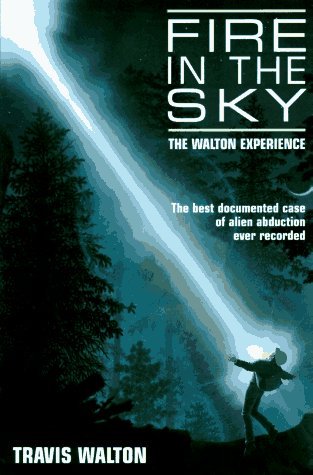
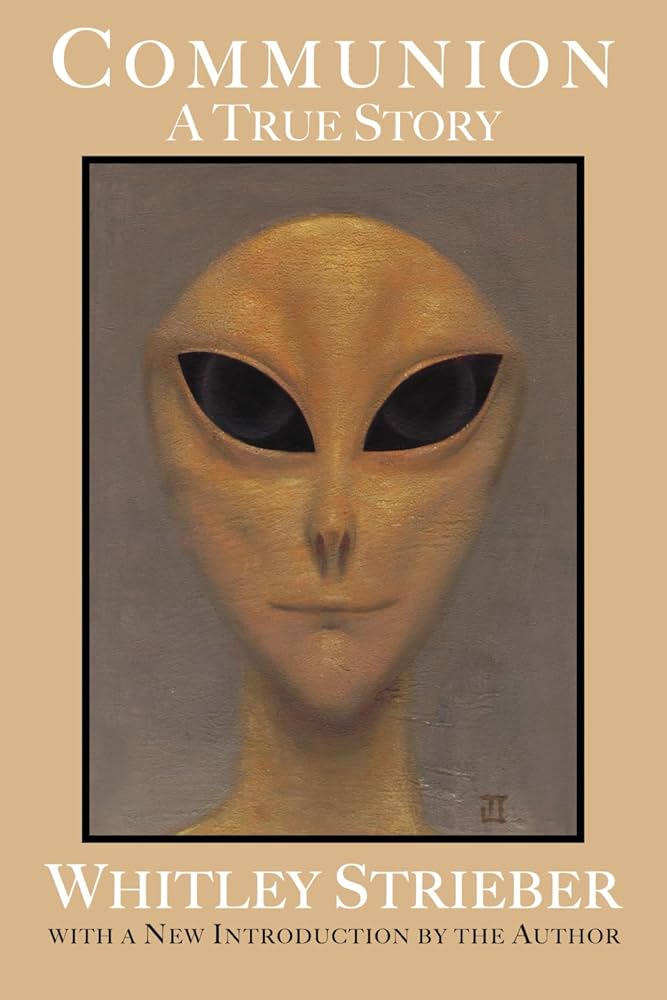
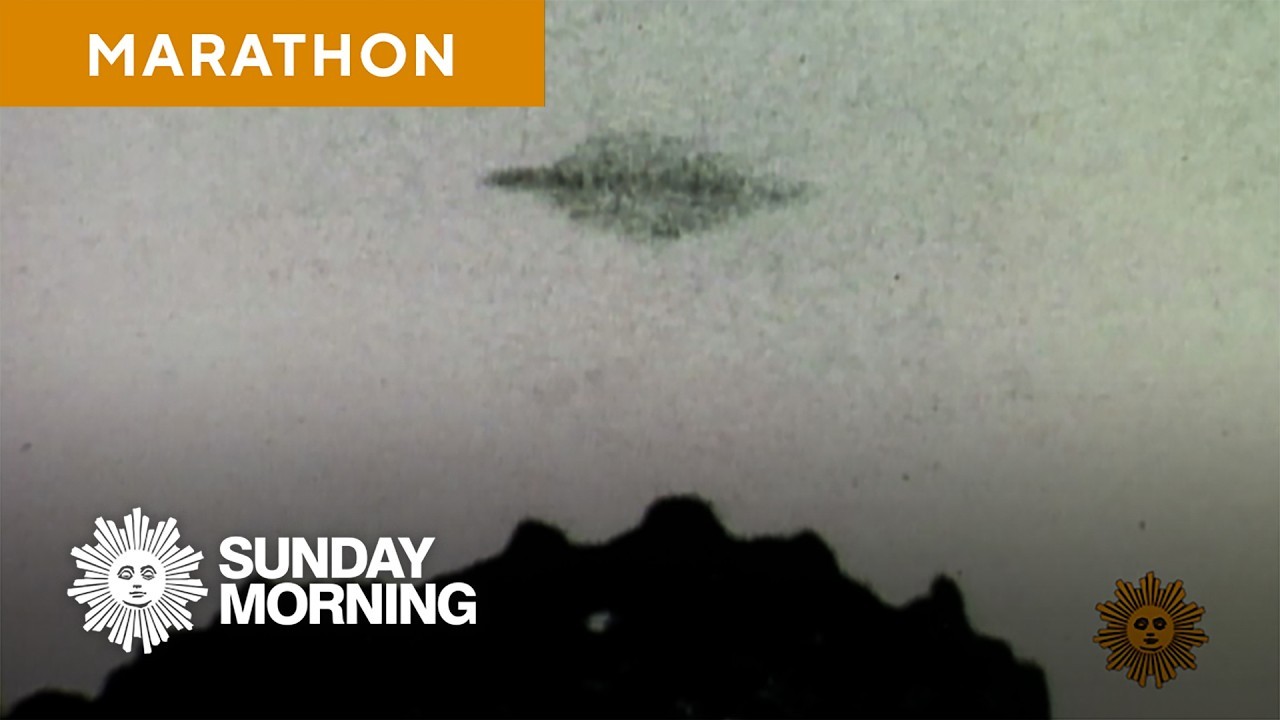
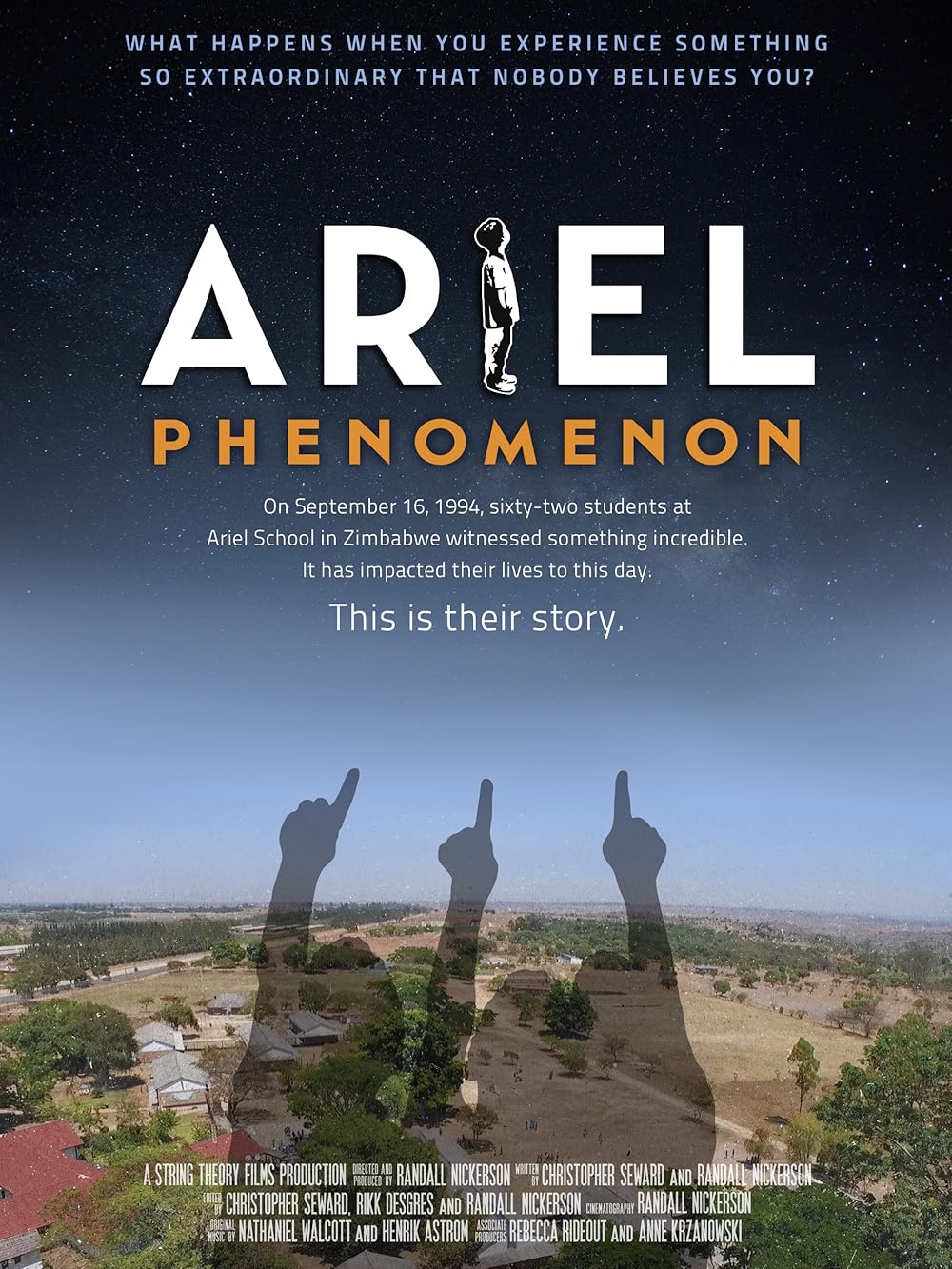
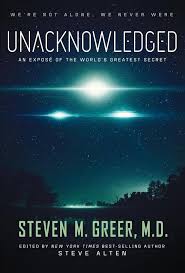
The modern UFO era began in 1947 when a civilian pilot named Kenneth Arnold reported nine crescent-shaped objects near Mount Rainier, and a rancher in Roswell, New Mexico found debris the US Army Air Force initially called a flying saucer before quickly walking the story back. Those two events, weeks apart, ignited a national obsession that never fully faded. Over the following decades the Air Force launched a series of official investigations, most notably Project Blue Book, which logged over 12,000 reported sightings before being quietly shut down in 1969 with hundreds of cases still unexplained.
What makes this history compelling is not just the volume of sightings but the caliber of the witnesses: military pilots, commercial aviators, and government officials across multiple countries reporting strikingly similar encounters. This stage traces that arc from the first postwar wave through the Cold War era, examining what was seen, what was investigated, and what was never satisfactorily resolved. By the time Area 51 enters the story, the public was already primed to believe, and the government was already practiced at saying nothing.
Books
YouTube
Documentaries/Movies
Stage 4
For decades, the United States government said nothing about Area 51, and into that silence, America's imagination poured everything. The base that built the U-2 and the SR-71 in total secrecy had inadvertently created the perfect conditions for myth: a place that officially didn't exist, surrounded by restricted airspace, patrolled by unmarked vehicles, and staffed by workers who couldn't tell their own families where they went each day. When people looked up and saw things in the Nevada sky they couldn't explain, the government couldn't correct them without revealing what it was actually hiding.
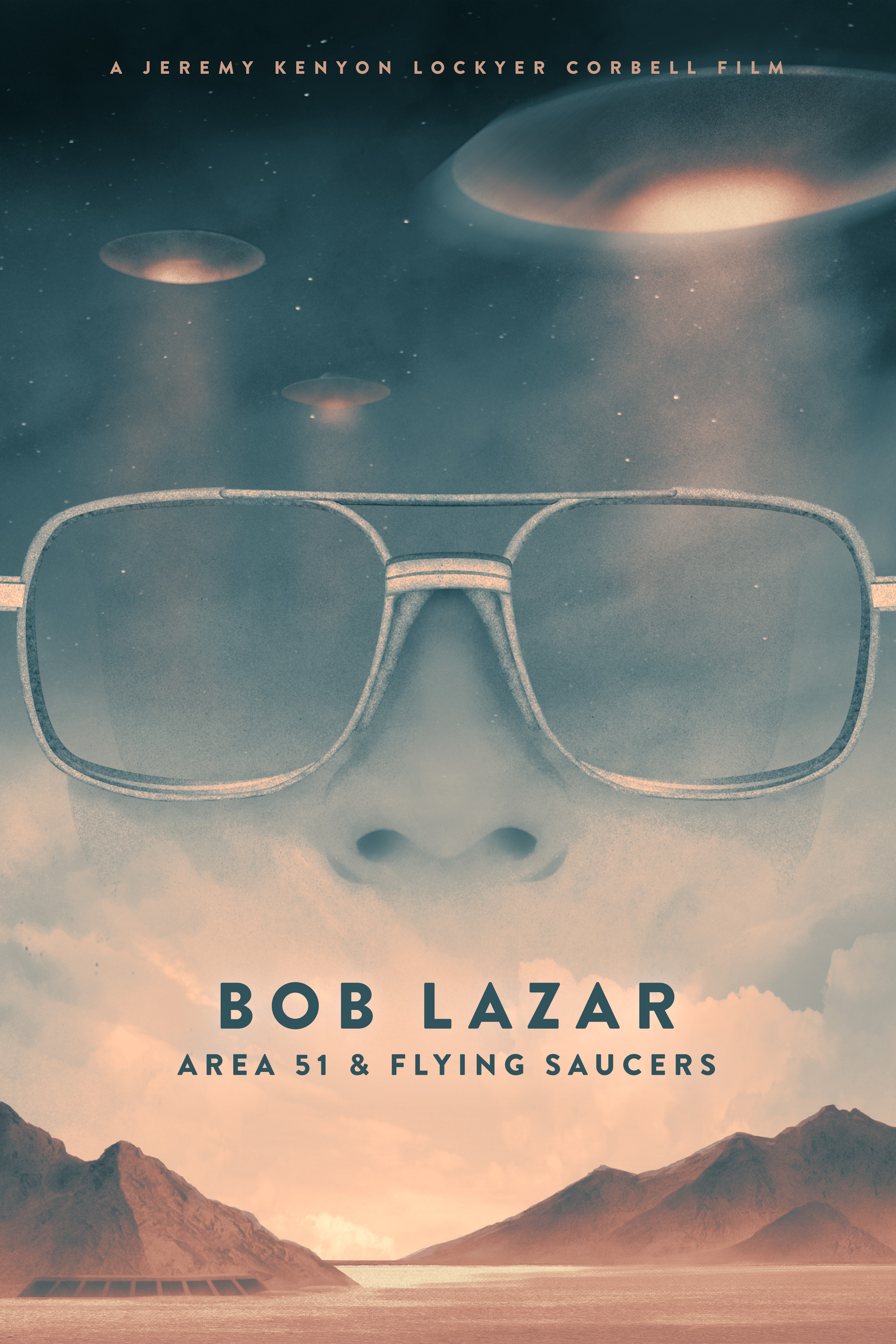
The conspiracy crystallized in 1989 when a soft-spoken physicist named Bob Lazar appeared on Las Vegas television claiming he had worked at a classified site called S-4, just south of Groom Lake, where the government was reverse-engineering recovered alien spacecraft. His claims were impossible to verify and easy to dispute, but also impossible to fully disprove. Lazar gave the mythology a human face and a specific address, and the story spread far beyond Nevada. Meanwhile, genuine UFO sightings continued to accumulate, some explained by declassified programs, others not. Government secrecy had become indistinguishable from a cover-up, because functionally it was one, just not the one people imagined.
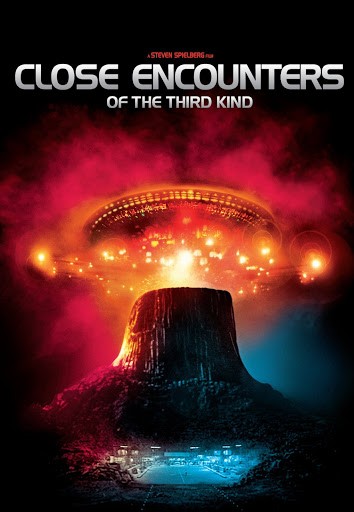
What followed was a cultural explosion. Area 51 became shorthand for everything the government wasn't telling you: alien technology, crashed saucers, shadow programs, men in black. Hollywood turned it into a franchise. The internet turned it into a community. By 2019, over two million people signed up to "Storm Area 51" on Facebook, a joke that briefly became a genuine question about what people would actually find if they got past the gates. This stage explores all of it: the real secrets that fed the fire, the myths that grew in the smoke, and the strange place where they meet.
Books

YouTube
Documentaries/Movies
What is a Conspiracy Theory?
A conspiracy theory is an explanation for an event or situation that proposes a secret plot by powerful groups, usually operating outside of public knowledge or official narratives. At its core, it's the belief that what we're told isn't the whole story.
The term gets thrown around as a way to dismiss ideas without engaging with them, and that's not an accident. The phrase "conspiracy theory" was popularized by the CIA in the 1960s as a tool to discredit critics of the Warren Commission's findings on the JFK assassination. In other words, the label used to shut down conspiratorial thinking? That's kind of a conspiracy.
That's not to say every theory is true. Most aren't. But the history of the world is also full of actual conspiracies that were once dismissed as paranoid fantasy before being confirmed as fact. Knowing the difference between useful skepticism and a rabbit hole that never ends is exactly what this site is built for.
Are all Conspiracy Theories True?
A conspiracy theory is an explanation for an event or situation that proposes a secret plot by powerful groups, usually operating outside of public knowledge or official narratives. At its core, it's the belief that what we're told isn't the whole story.
The term gets thrown around as a way to dismiss ideas without engaging with them, and that's not an accident. The phrase "conspiracy theory" was popularized by the CIA in the 1960s as a tool to discredit critics of the Warren Commission's findings on the JFK assassination. In other words, the label used to shut down conspiratorial thinking? That's kind of a conspiracy.
That's not to say every theory is true. Most aren't. But the history of the world is also full of actual conspiracies that were once dismissed as paranoid fantasy before being confirmed as fact. Knowing the difference between useful skepticism and a rabbit hole that never ends is exactly what this site is built for.
Do I need to read or watch all of the Suggested Content?
No. The guides are designed to be comprehensive, not mandatory. We cast a wide net on purpose, to cover as many angles, perspectives, and voices as possible so the full picture of each subject is available to you.
That said, if you want to go deeper on a specific corner of a topic, the resources are there for exactly that.
If you're looking for the most direct path through a guide, keep an eye out for resources highlighted in yellow. Those are the ones we consider essential for that stage: the pieces that will do the most work in building your understanding. Think of them as the must reads, and everything else as the deeper dive.
Is the existing content final for each Conspiracy?
Not at all. Each guide is a living document. We are constantly looking to improve, update, and expand the content. There may be a book or video we missed, a perspective we haven't covered, or new information that changes the conversation entirely. If it makes a guide better, we want it in there.
Will there be more Conspiracies added?
Of course. There will always be events where the official story and the available facts don't quite line up, and those gaps are worth exploring. Some conspiracies have decades of research and documentation behind them while others are still taking shape, so the depth of each guide will naturally vary.
If there is a conspiracy you feel passionate about and don't see covered here, get in touch. We will do our best to give it the attention it deserves.
Should I trust all of the sources?
That is entirely up to you. Conspiracy research is naturally confrontational territory. You will encounter conflicting facts, competing narratives, and personalities who do not agree on much. Part of the work is learning to distinguish what is documented fact from what is speculation, interpretation, or agenda.
With that said, it is worth keeping in mind that YouTube videos and documentaries tend to be where you will find the most exaggeration and creative fact interpretation. That does not make them without value, some of the most important voices in this space live there, but it does mean your critical eye needs to be sharper. Read, watch, compare, and decide for yourself.
Note: We do include movies that aren’t necessarily academic but are dramatic versions of the events, providing an artistic view of actual events. Doesn’t hurt to have some fun while we learn!
What order should I tackle the Conspiracies?
There is no wrong entry point. Start with whatever subject you find most interesting or compelling and go from there.
That said, you may notice as you work through the guides that many conspiracies share overlapping stories, characters, and timelines. This is by design, not coincidence. A book you read for one guide may end up being essential context for three others. For example, several conspiracies trace their roots to the same era surrounding the formation of the CIA, so the foundational material you pick up early will carry further than you might expect.
In that sense, the more guides you work through, the more connected everything starts to feel.