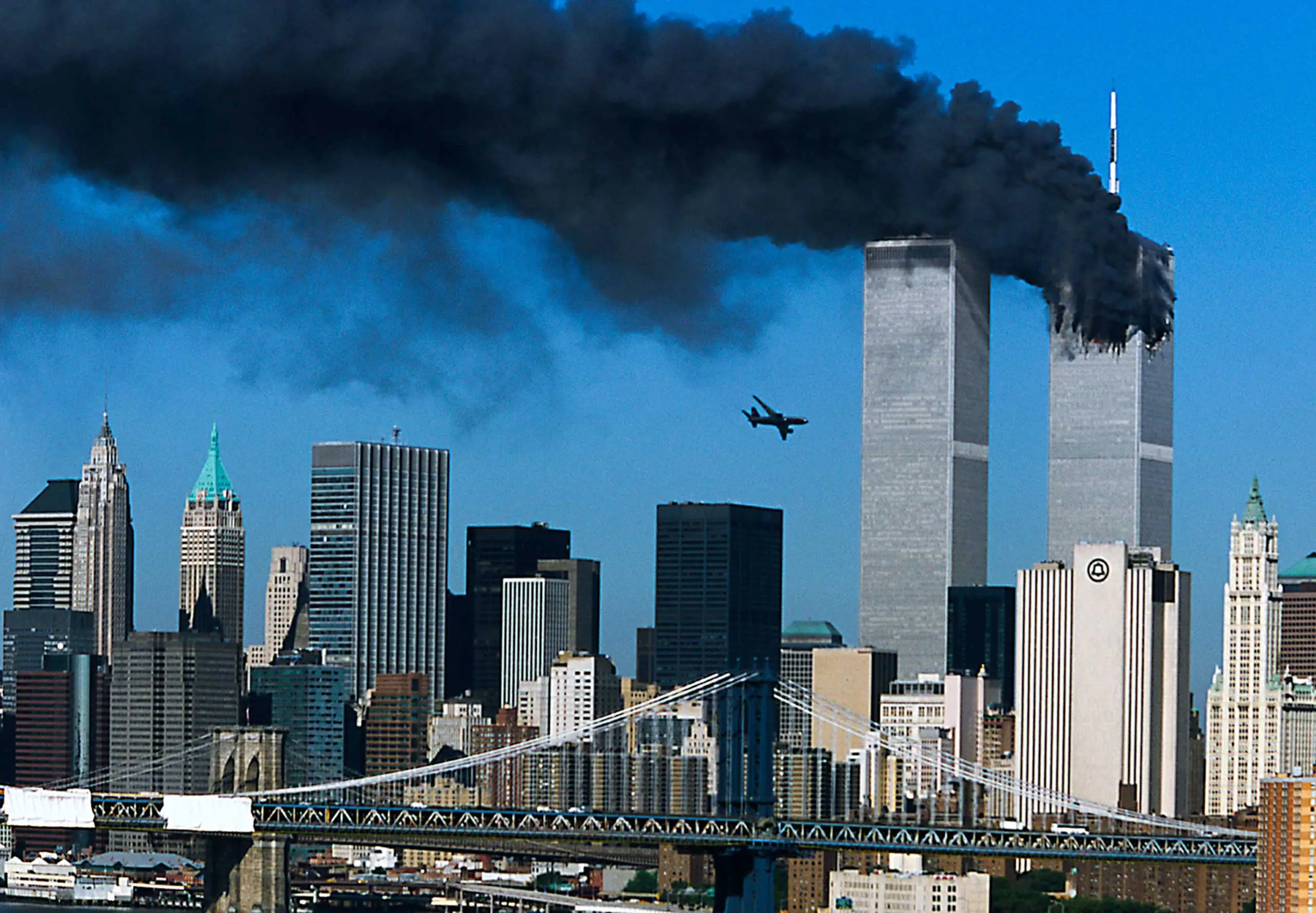
9/11
On the morning of September 11, 2001, nineteen hijackers boarded four commercial aircraft and executed the most devastating attack on American soil in history. Within hours, the Twin Towers had collapsed, the Pentagon was burning, and nearly three thousand people were dead. The world watched in real time, and nothing was ever the same.
The official story is clean. A terrorist organization called Al-Qaeda, operating out of Afghanistan under the leadership of Osama Bin Laden, planned and executed the attacks motivated by ideological opposition to American foreign policy. Within weeks the United States was at war in Afghanistan. Within two years it was at war in Iraq. The Patriot Act passed in 45 days. The surveillance state was born. And a small group of men who had spent years arguing that America needed to dramatically expand its global military dominance got almost everything they had publicly asked for.
What the official story doesn't address is how much was already known, and how many questions it still cannot answer. Foreign intelligence agencies had passed specific warnings to American officials in the months prior. A Presidential Daily Briefing delivered to the President just 36 days before the attacks was explicitly titled "Bin Laden Determined to Strike in US." A third skyscraper collapsed that day that most Americans still don't know about. The Pentagon left a debris field that raised more questions than it answered. And years before it all happened, several men who would go on to hold the highest offices in the land had written publicly that transforming American power would require a catastrophic, catalyzing event, exactly like September 11th.
September 11th may have been exactly what the government said it was. But the questions it left behind about what was known, what was ignored, what was allowed, and who ultimately benefited have never been fully answered. History recorded it as the day everything changed. Others are still asking who decided that.
Stages
01
The World Before 9/11
How did America become so deeply involved in Middle East during the 20th century?
How did U.S. foreign policy create enemies it never anticipated?
What happens when decades of foreign policy decisions finally come due?
02
The Intelligence Connection
What was the relationship between U.S. intelligence agencies and the network behind 9/11?
How many times did Al-Qaeda strike before the world finally paid attention?
What did the U.S. government know before the attacks, and when did they know it?
03
The Attack
What happened aboard the four flights before the attacks?
What was the sequence of events on the morning of September 11th?
How did the United States government respond in the immediate aftermath?
04
The Conspiracy
Why do thousands of engineers and architects dispute the official explanation of the collapses?
Who had the most to gain financially and politically from the September 11th attacks?
Was September 11th a failure of intelligence or something far more deliberate?
05
The Fallout
Stage 1
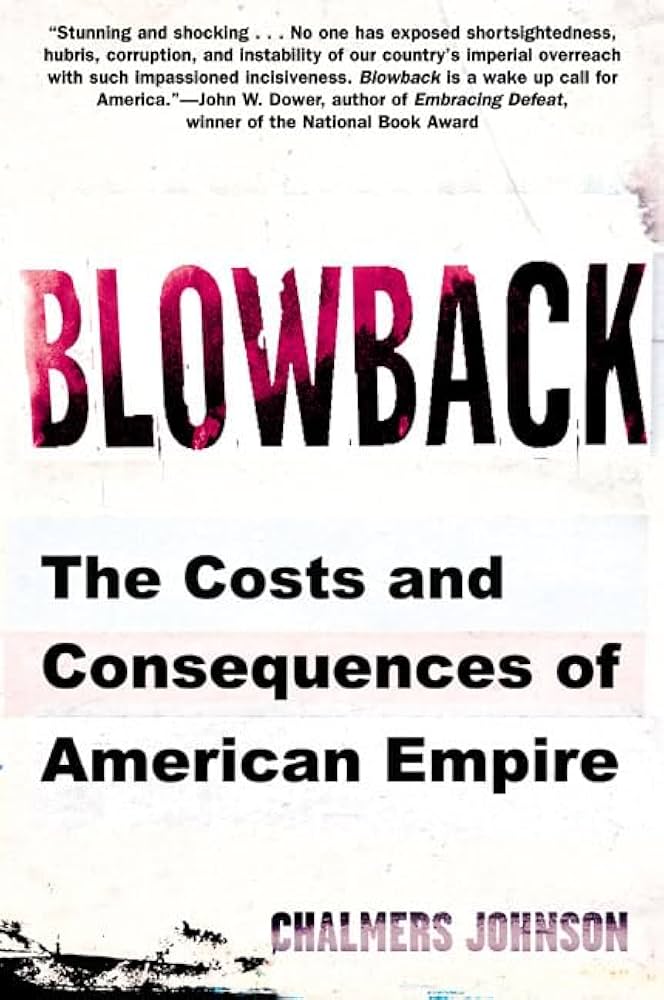
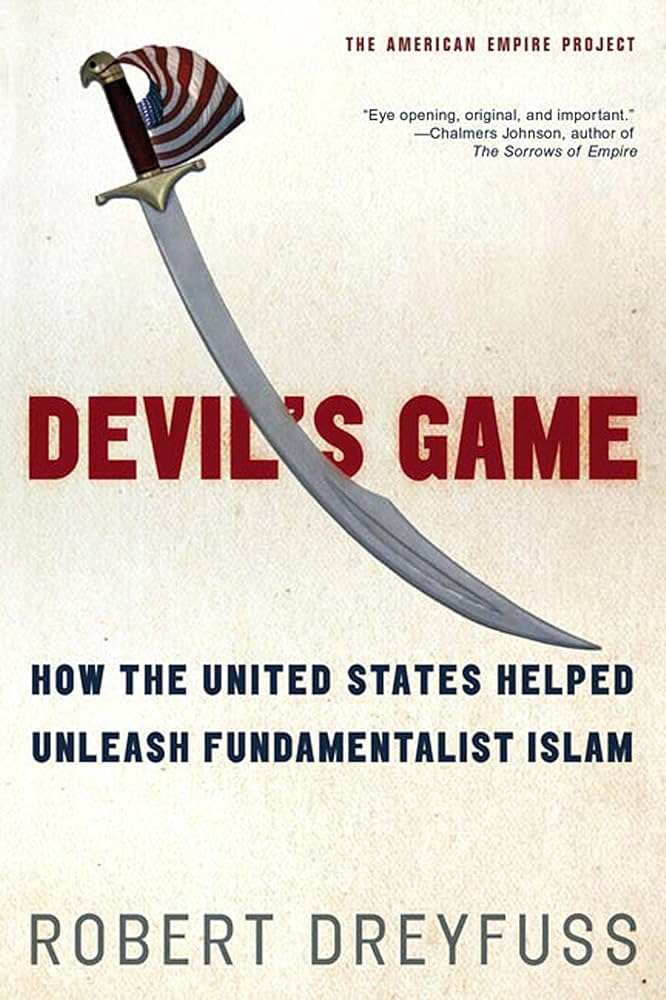
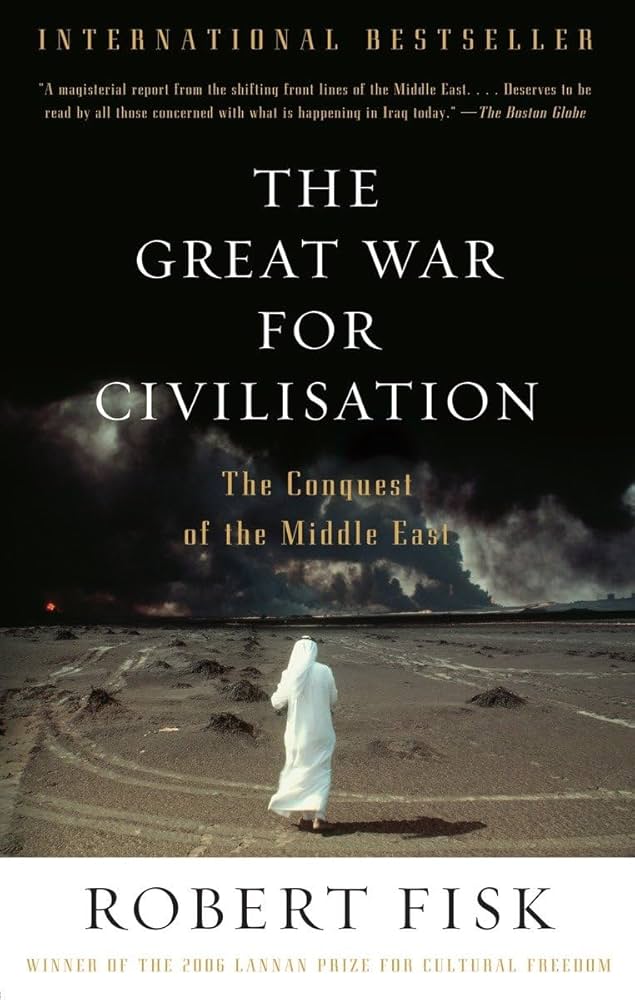
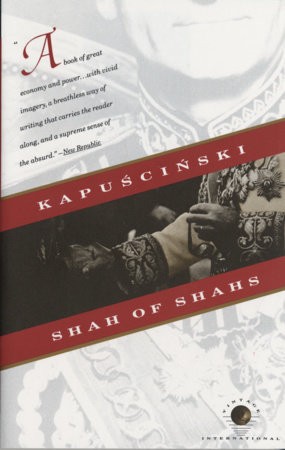
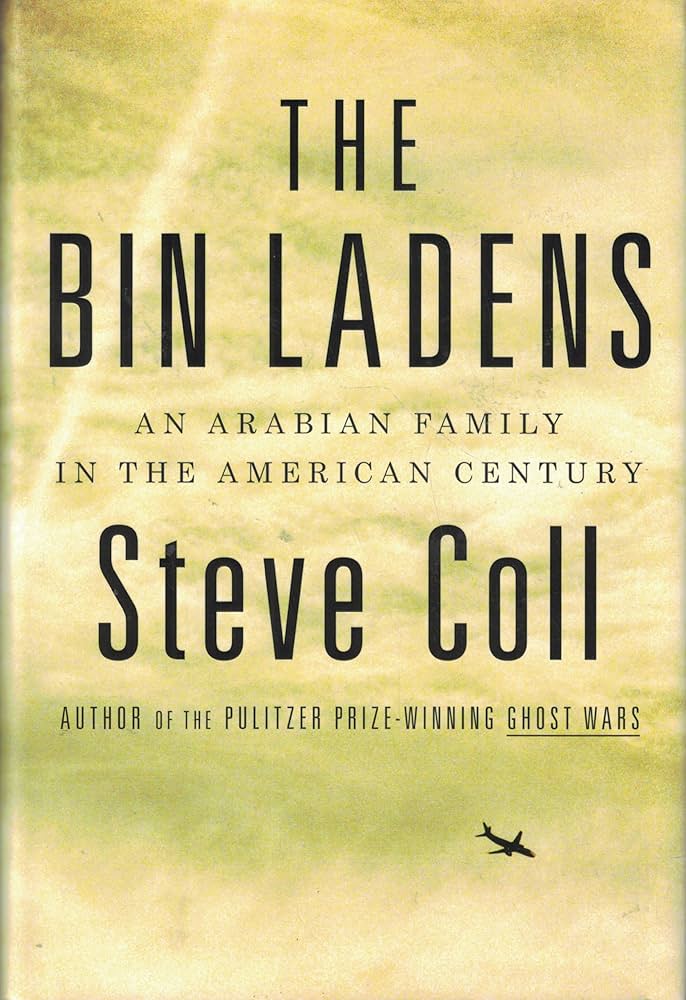
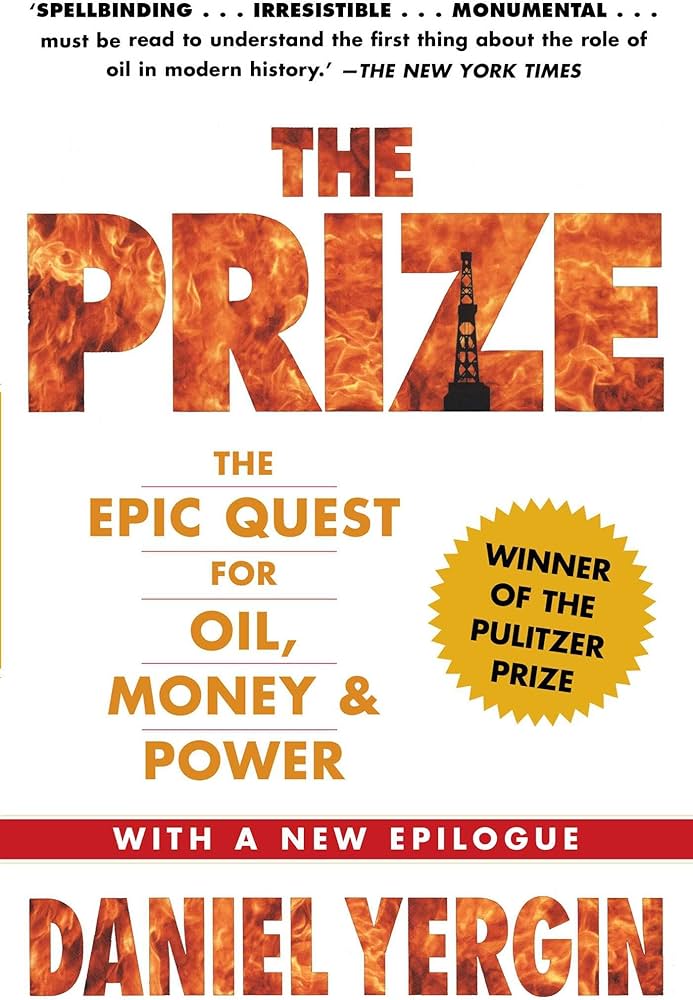
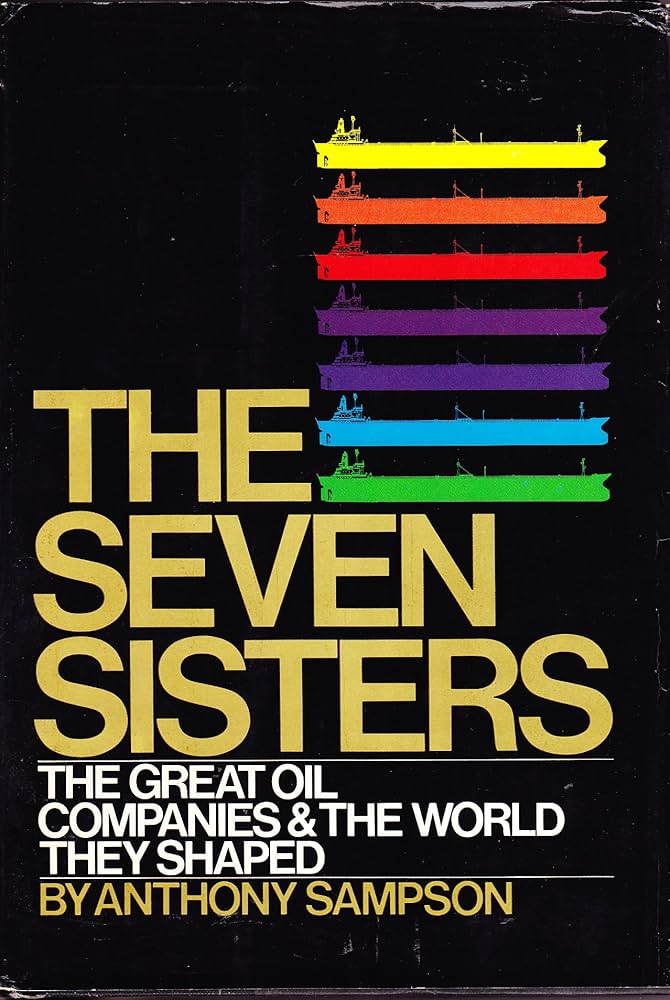
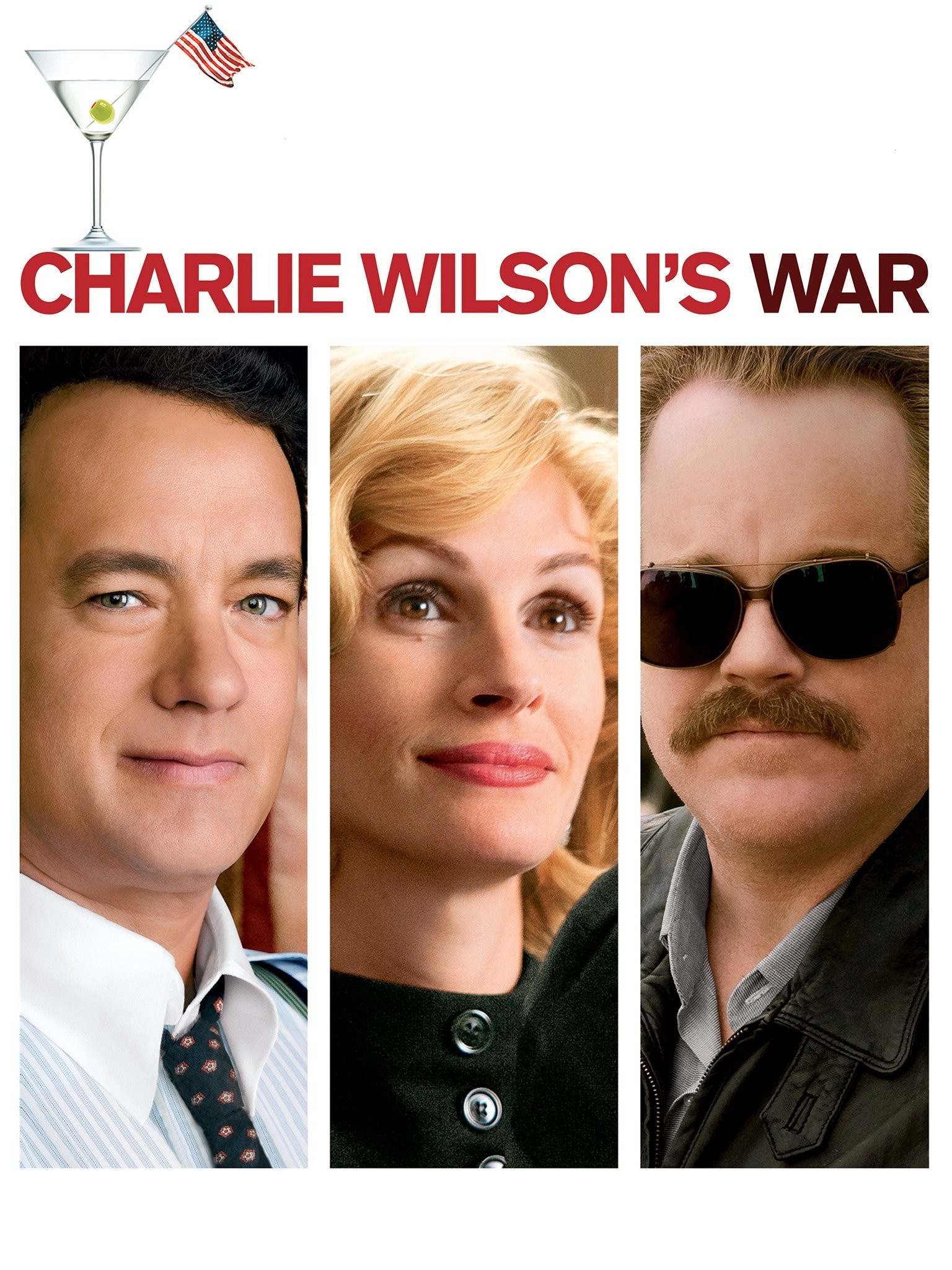
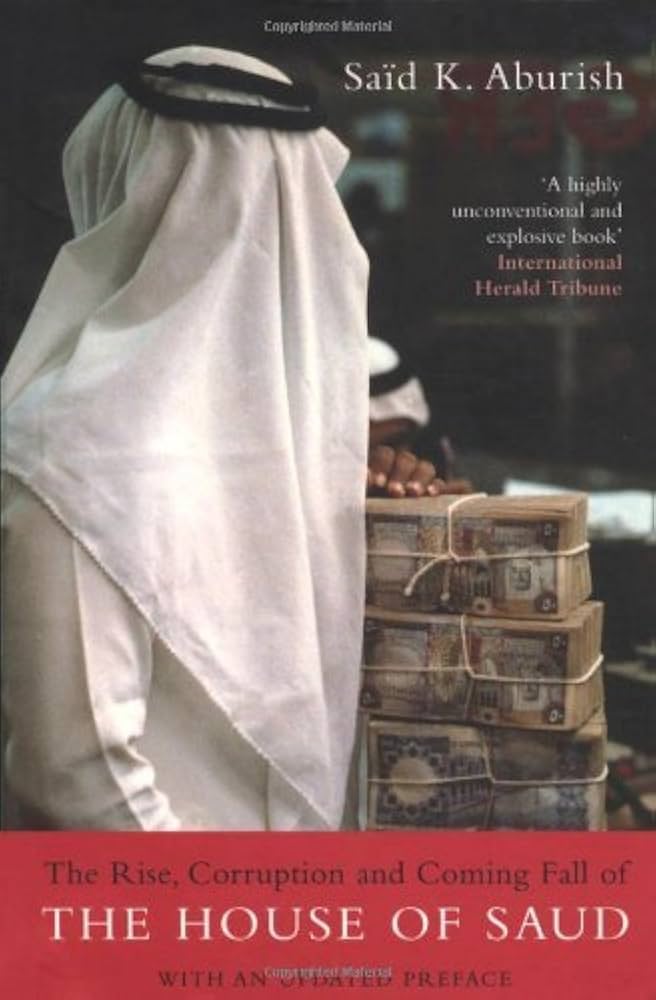
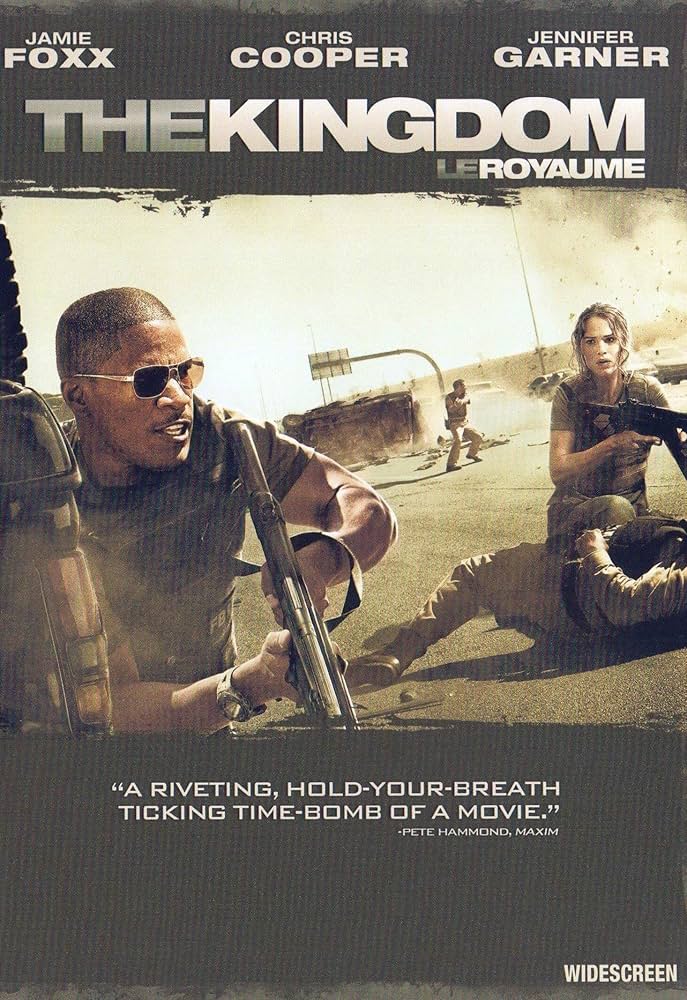
For most Americans in the late 20th century, the Middle East was a distant concern. A region of oil fields, desert heat, and ancient rivalries that had little to do with daily life at home. But beneath that indifference, the United States had spent decades quietly embedding itself into the politics, economies, and conflicts of the region in ways that would prove impossible to untangle. Cold War strategy demanded it. Oil dependency required it. And a series of covert operations, military deployments, and political alliances built relationships that were complicated, contradictory, and in some cases deeply dangerous. America propped up governments, armed resistance fighters, and positioned military forces across Muslim holy land, accumulating enemies it didn't fully understand and making promises it couldn't always keep. By the time the 21st century arrived, decades of intervention had produced a volatile cocktail of resentment, ideology, and geopolitical tension that stretched from Kabul to Riyadh to Washington. The stage wasn't set on September 11th. It had been set for years.
Books

YouTube
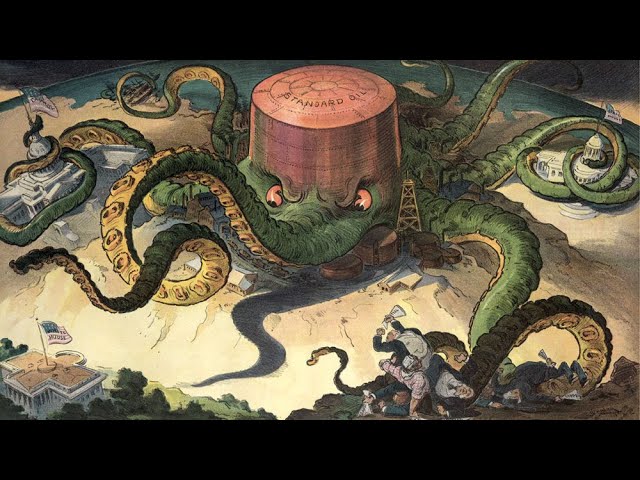
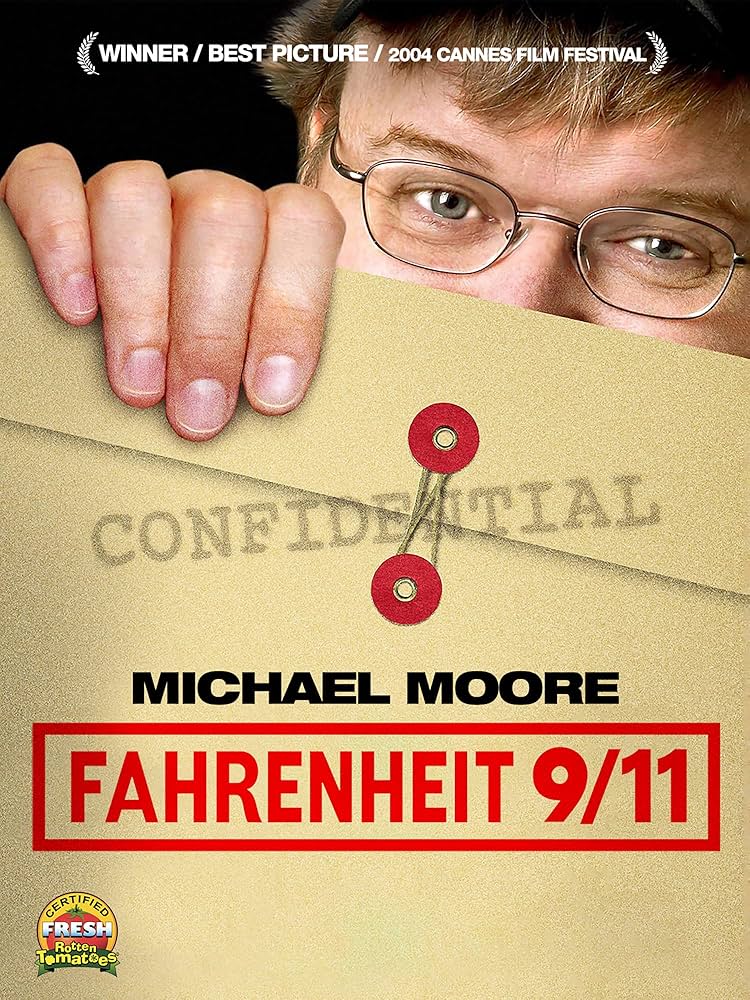
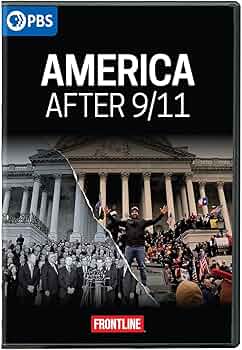
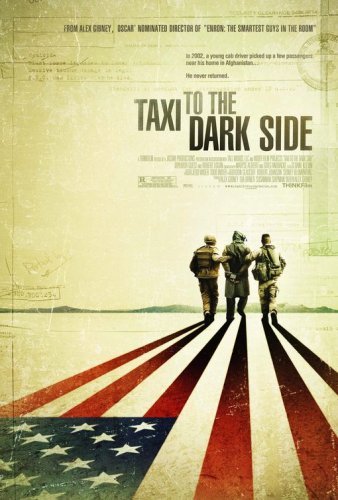
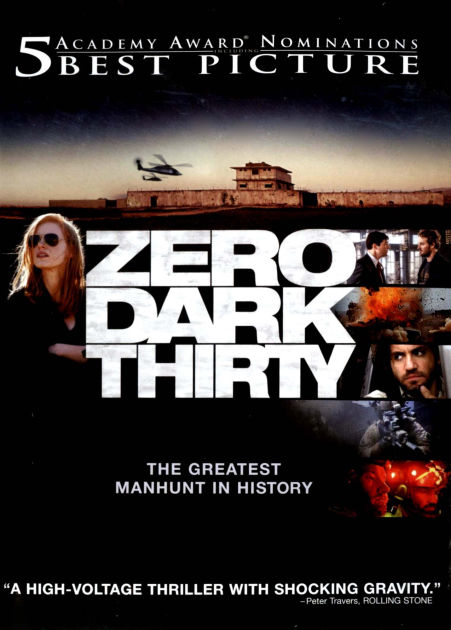
Documentaries/Movies
Stage 2
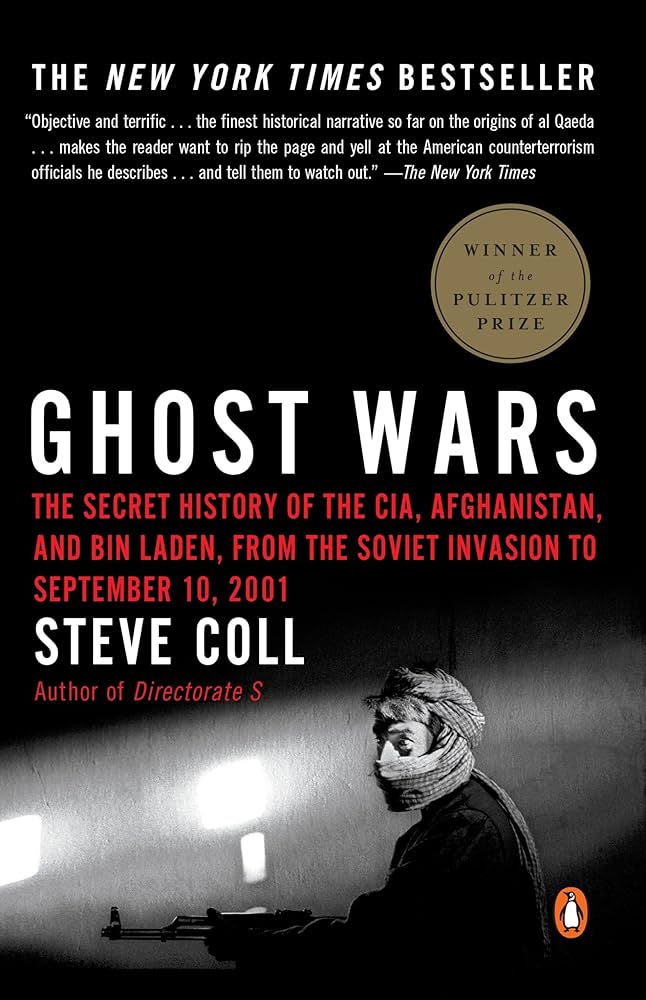
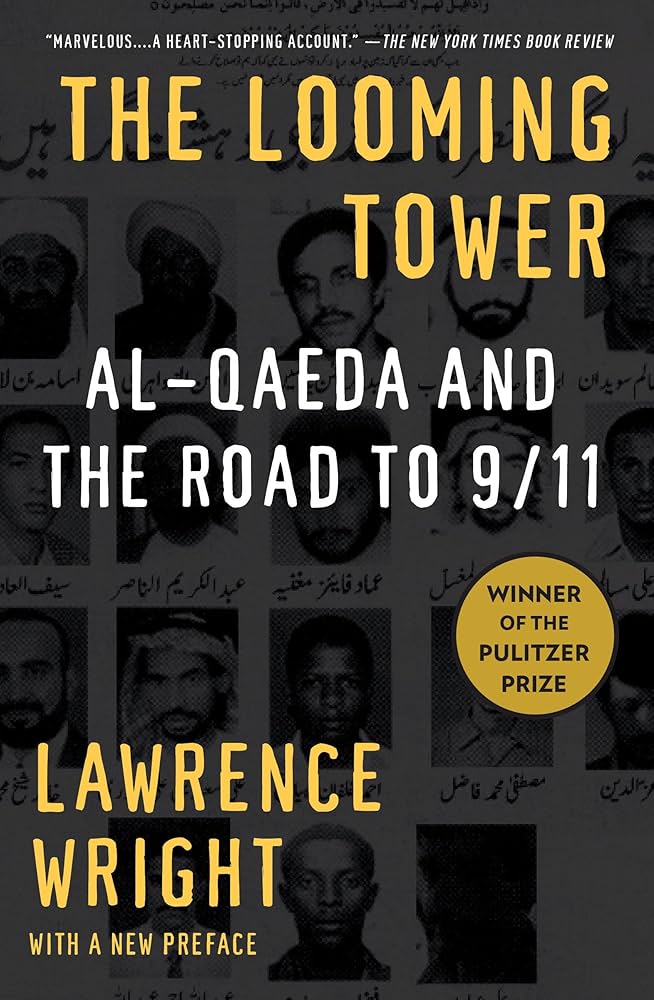
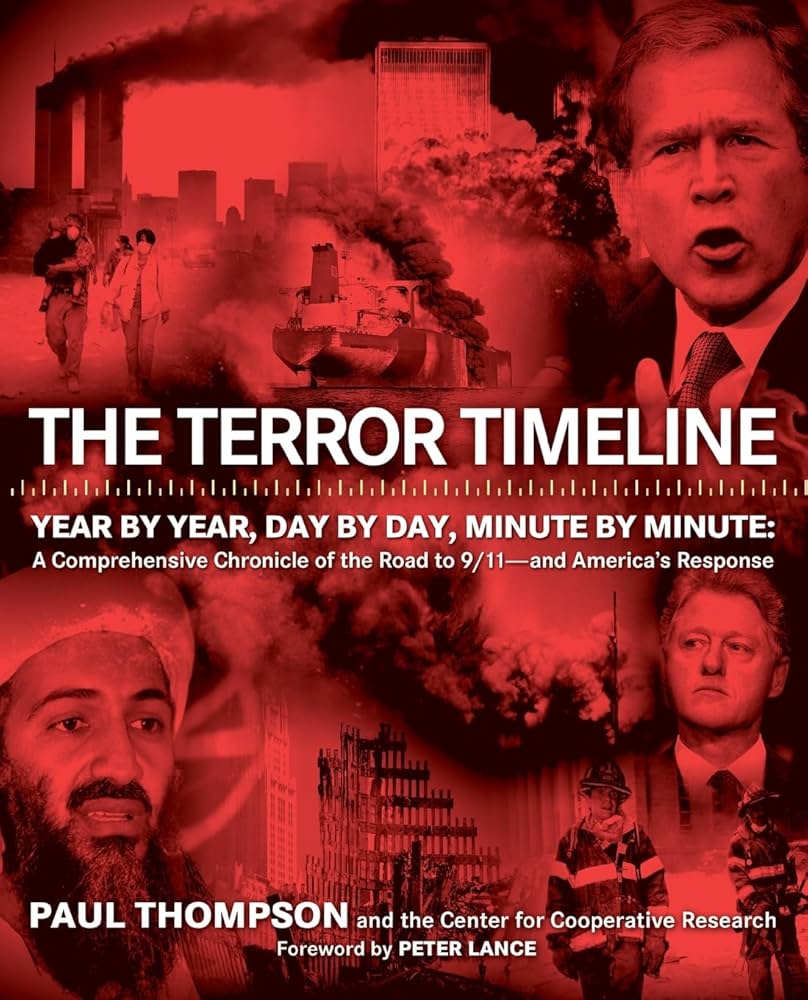
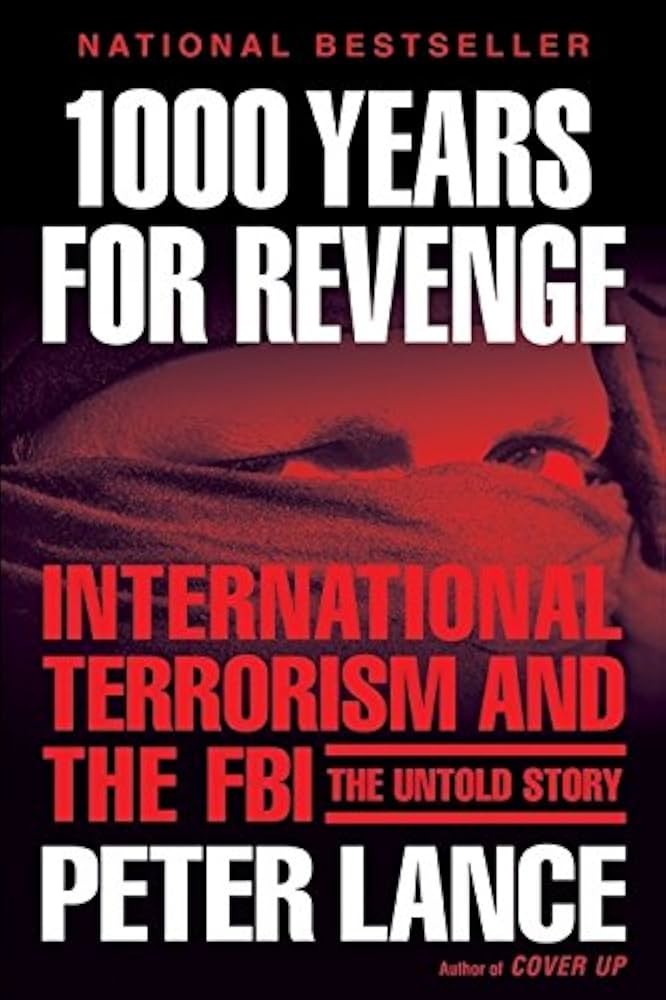
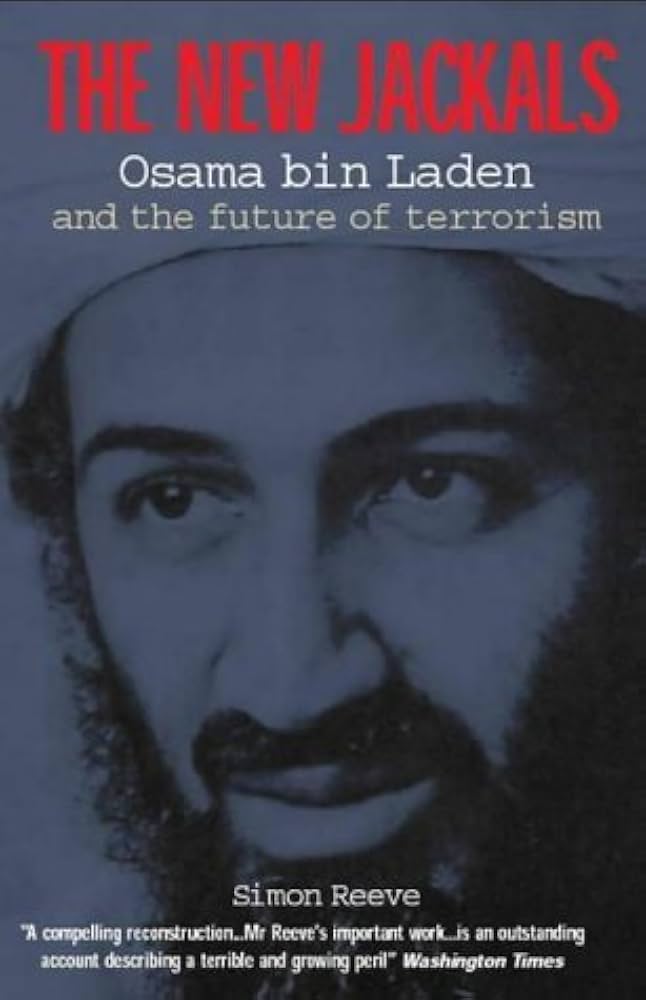
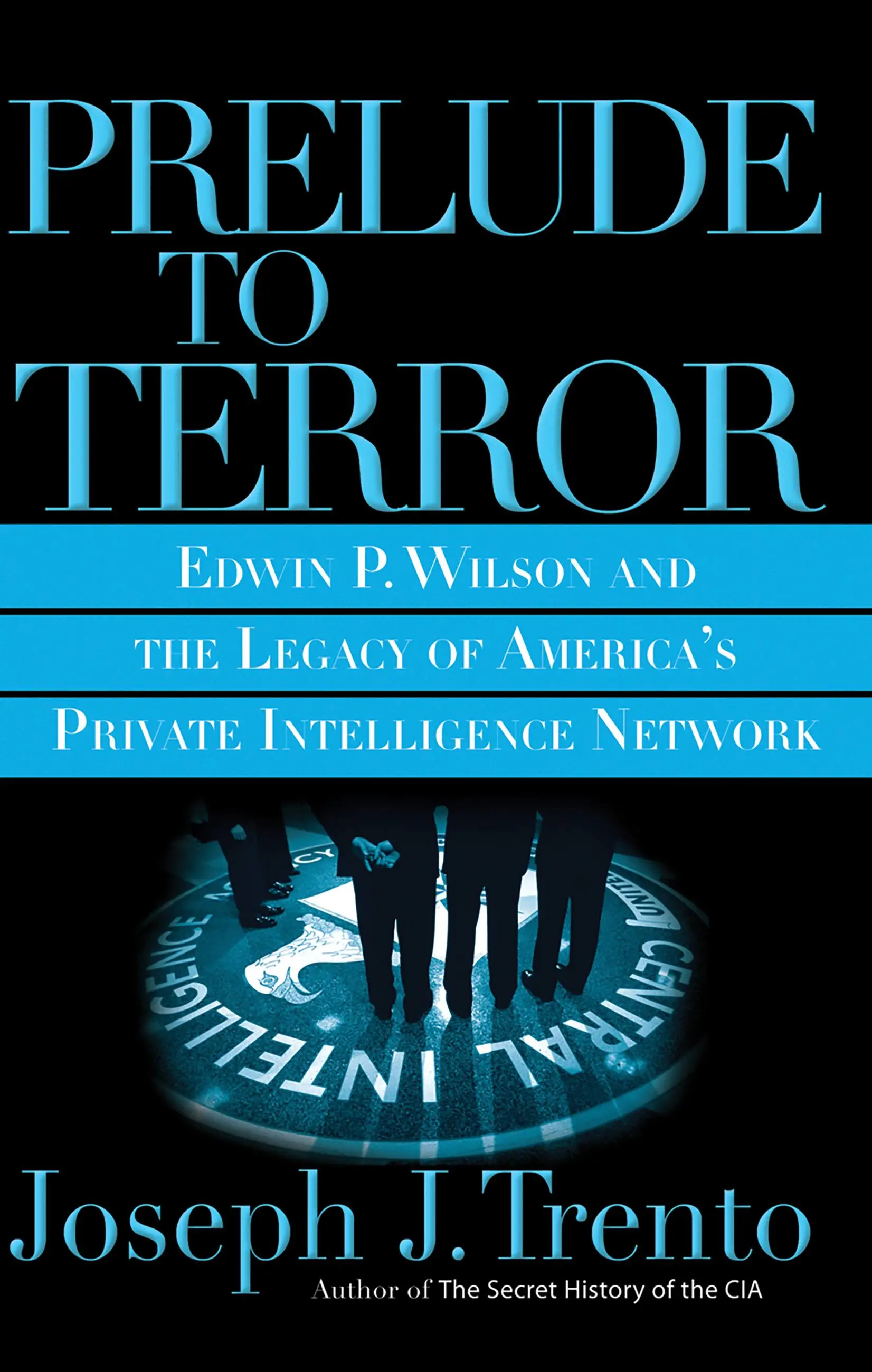
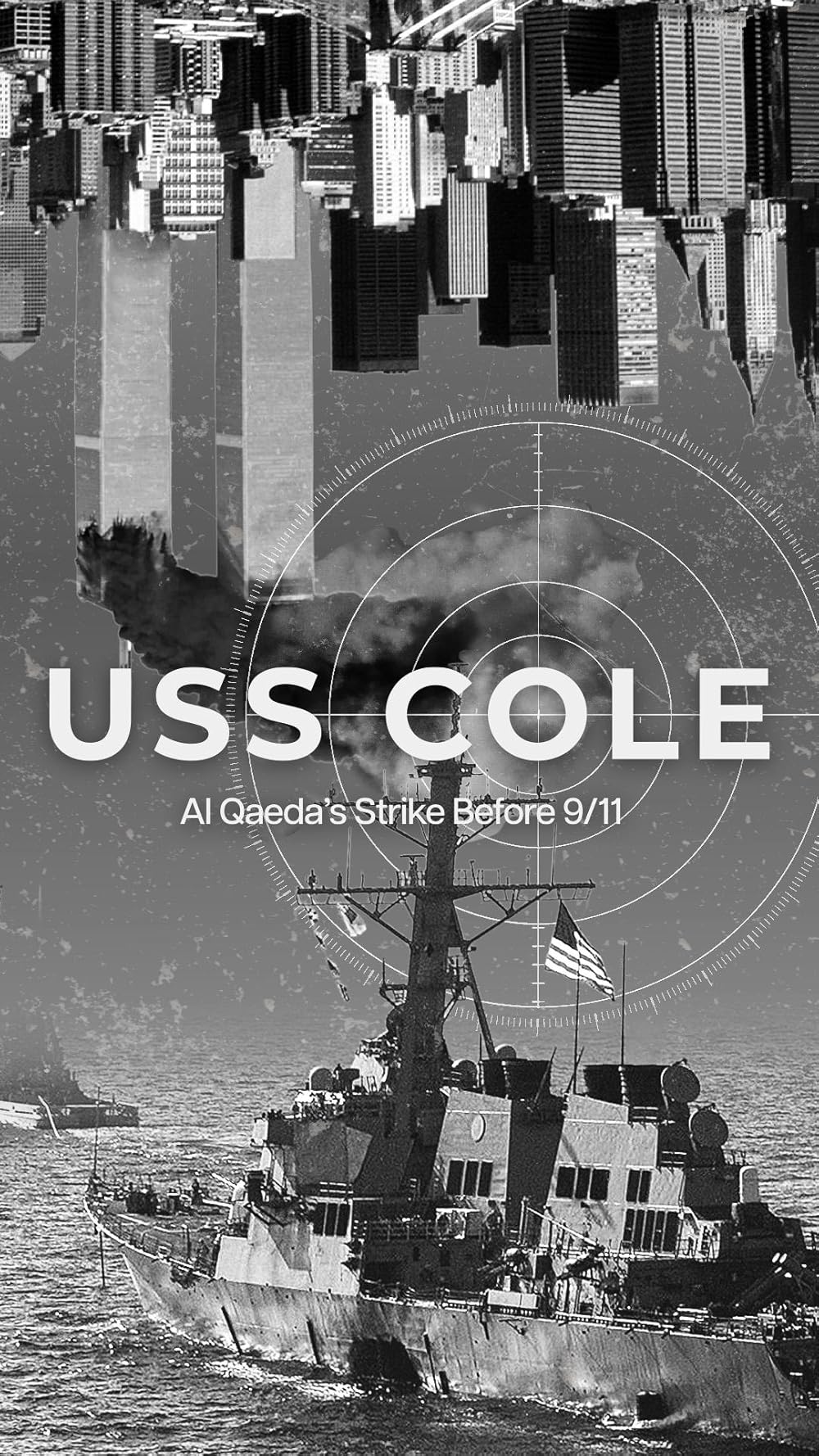
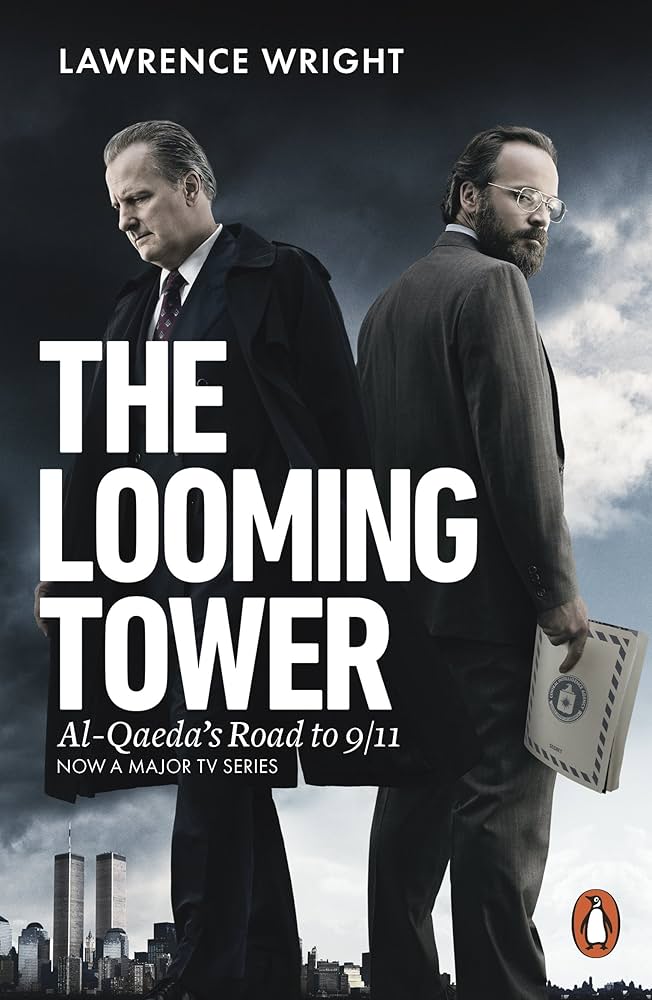
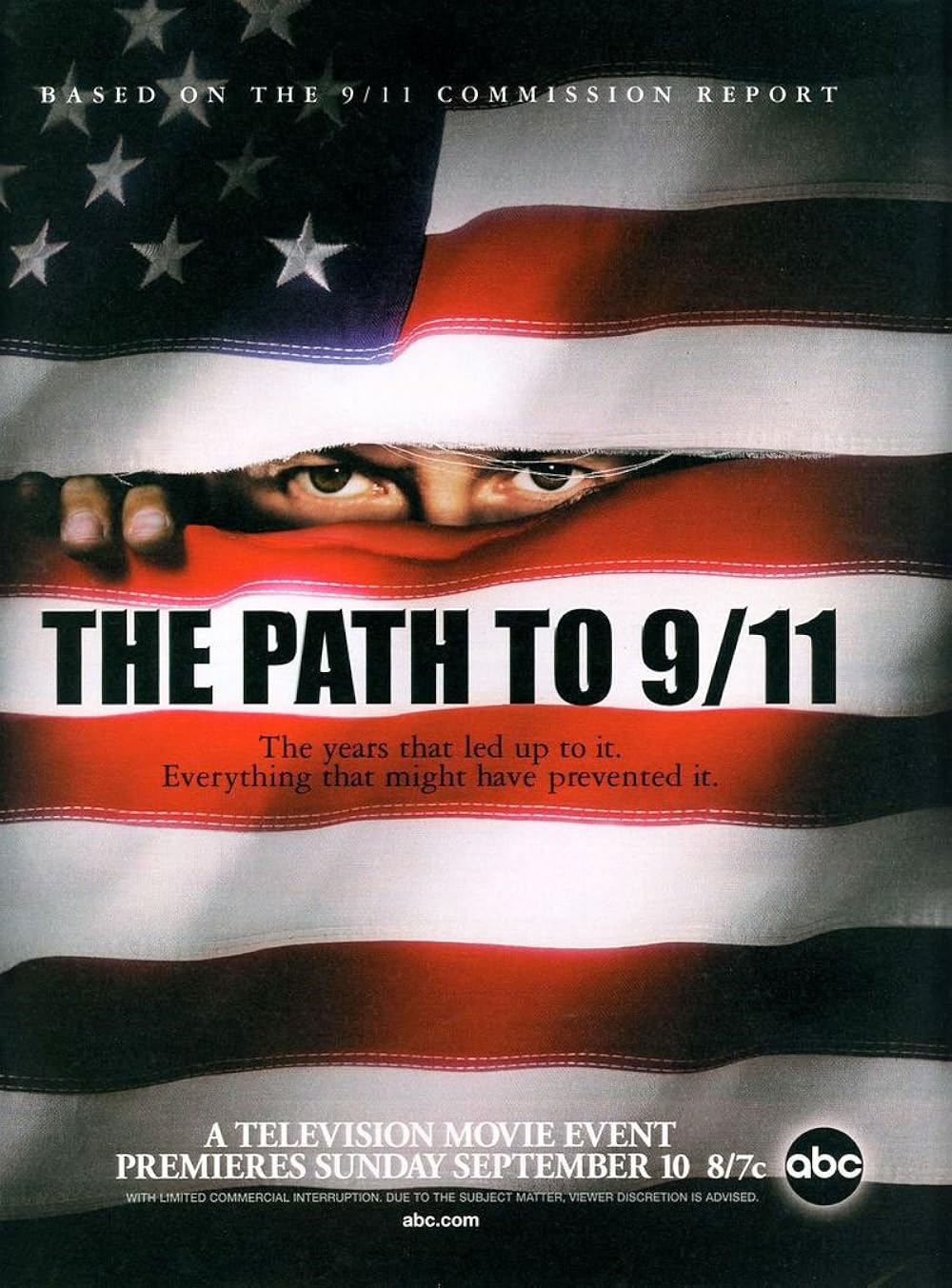
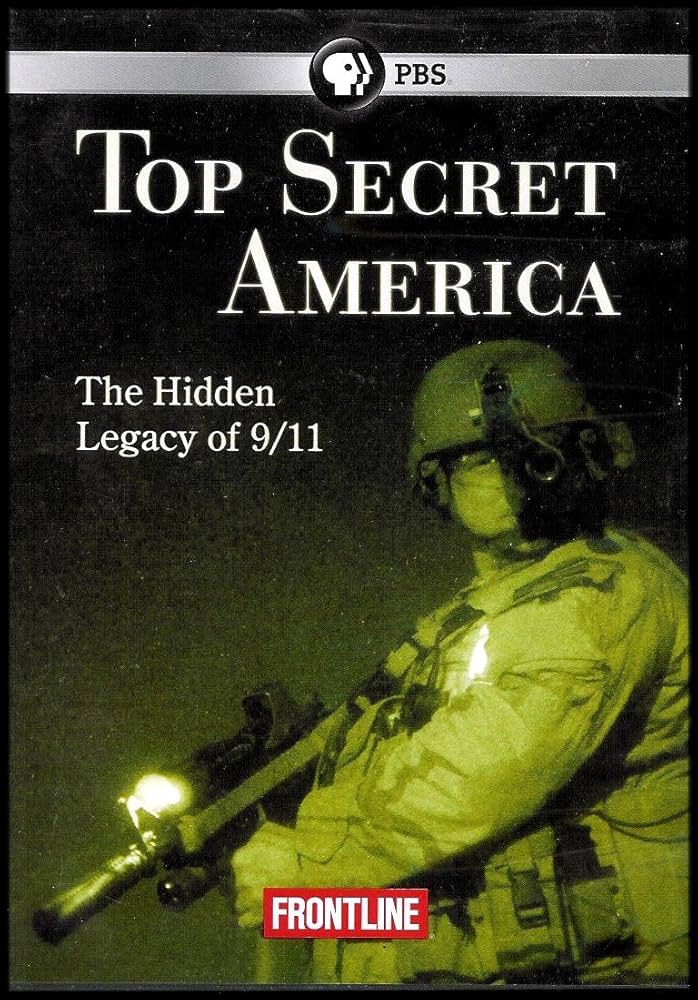
By the time the first plane struck the North Tower on the morning of September 11th, the United States had been watching Al-Qaeda for nearly a decade. But the story begins earlier than that with a covert CIA program in Afghanistan that helped give rise to the very network that would later turn on its makers. The 1993 bombing of the World Trade Center, the devastating embassy attacks in Kenya and Tanzania, the strike on the USS Cole, each one a louder warning than the last, each one met with a response that fell short of what the moment demanded. The intelligence community knew the network, knew the leadership, and in some cases knew the names. Foreign governments were passing specific warnings. A Presidential Daily Briefing sitting on the President's desk 36 days before the attacks carried a title that left nothing to the imagination. And yet the thread connecting America's own covert history in Afghanistan to the men who would hijack four planes was never fully pulled. Whether that failure was the result of bureaucratic incompetence, willful negligence, or something more deliberate is the question at the heart of everything that followed.
Books
YouTube

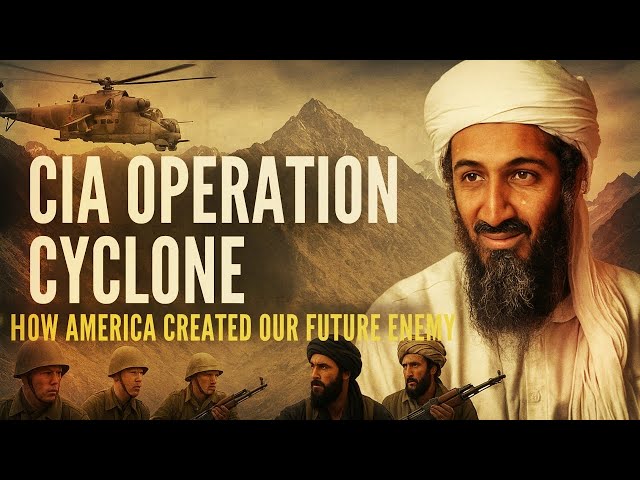

Documentaries/Movies
Stage 3
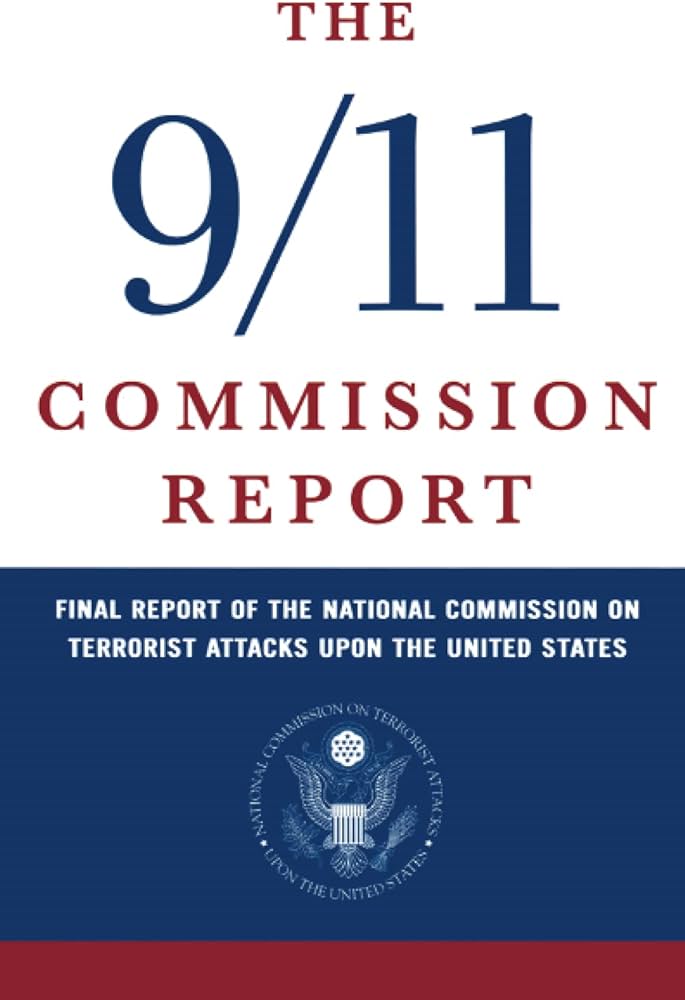
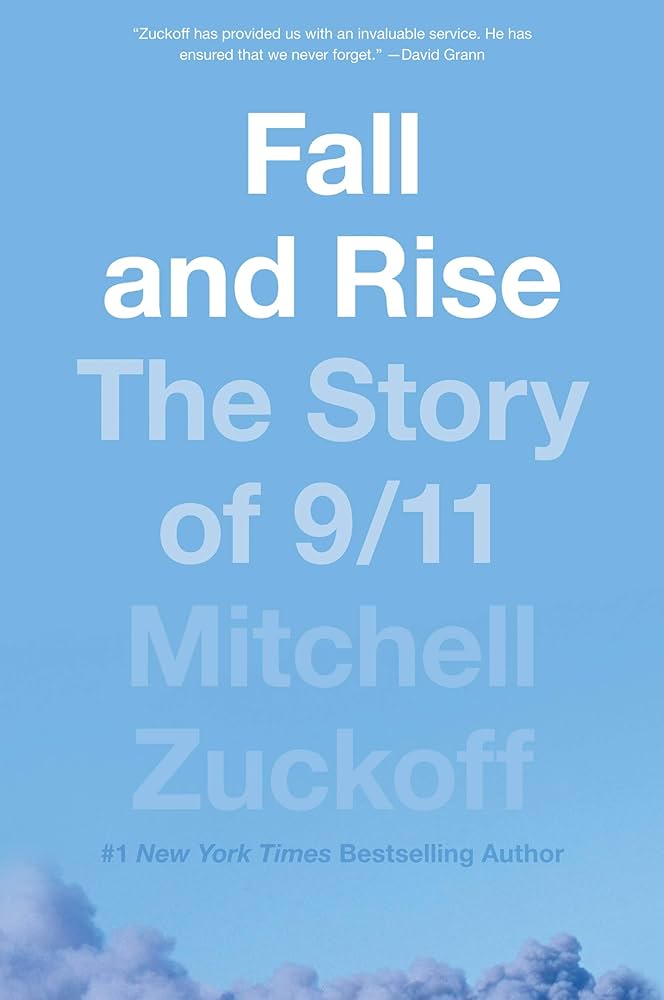
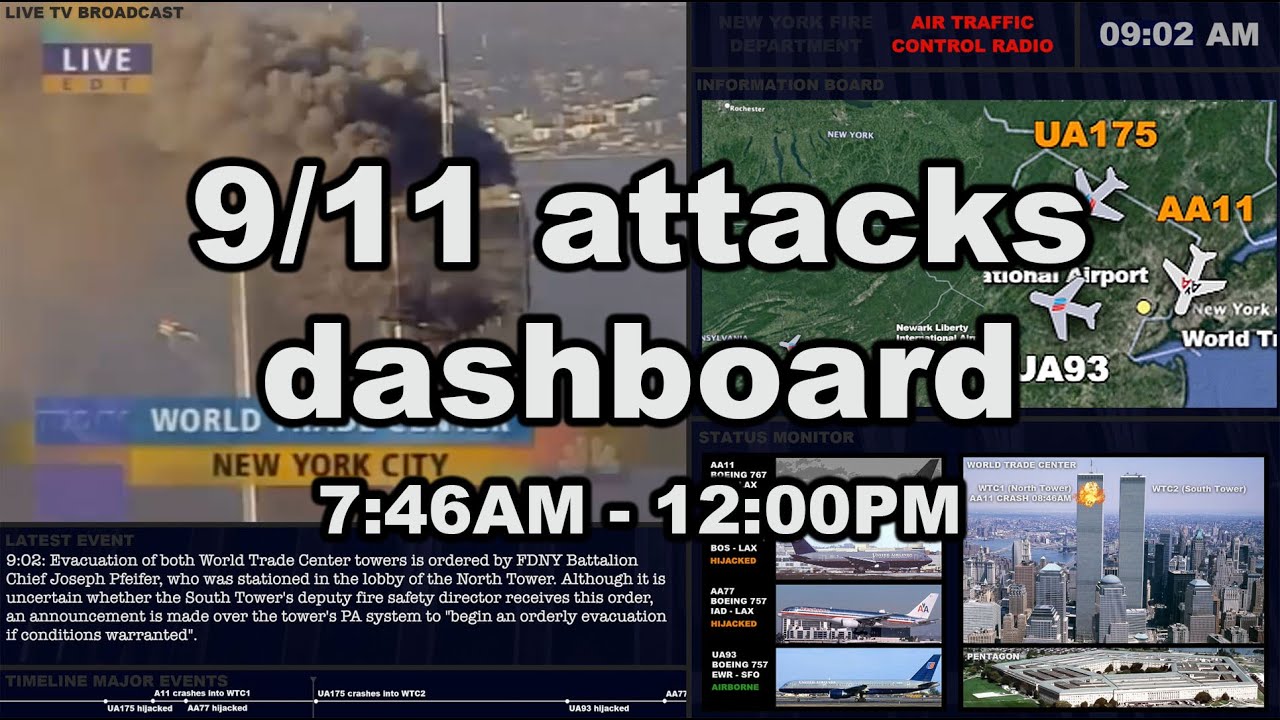
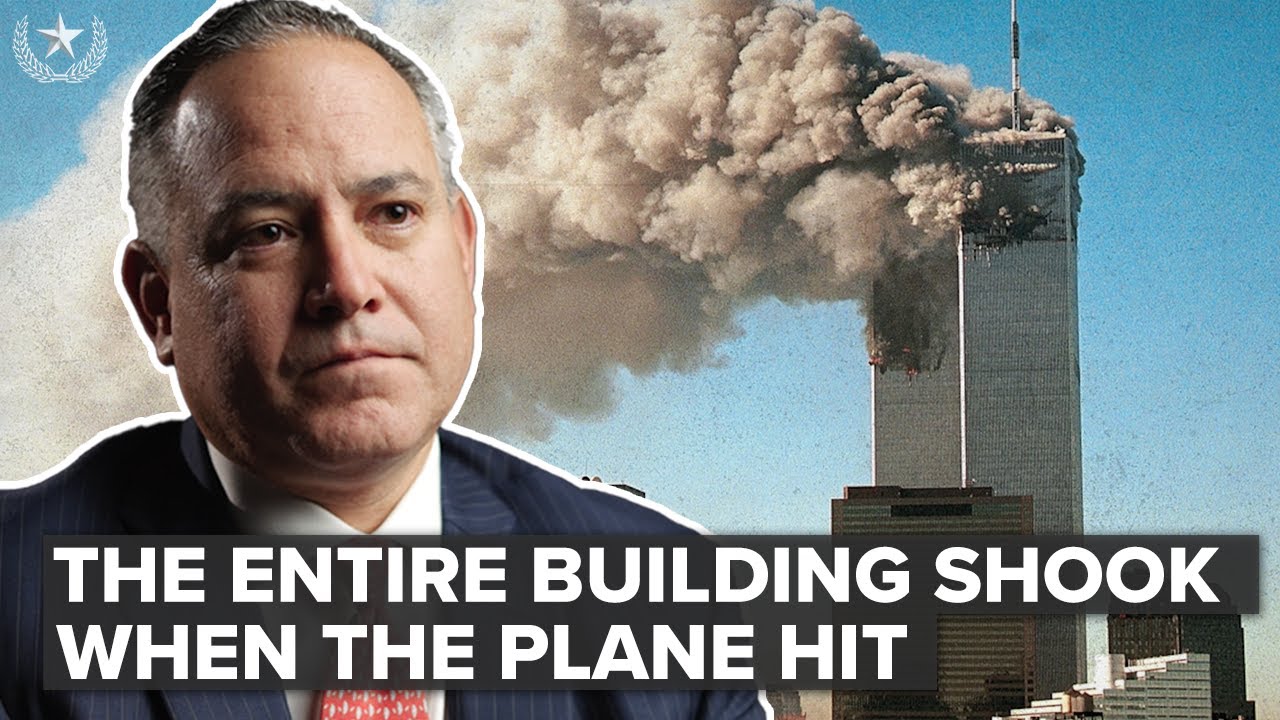
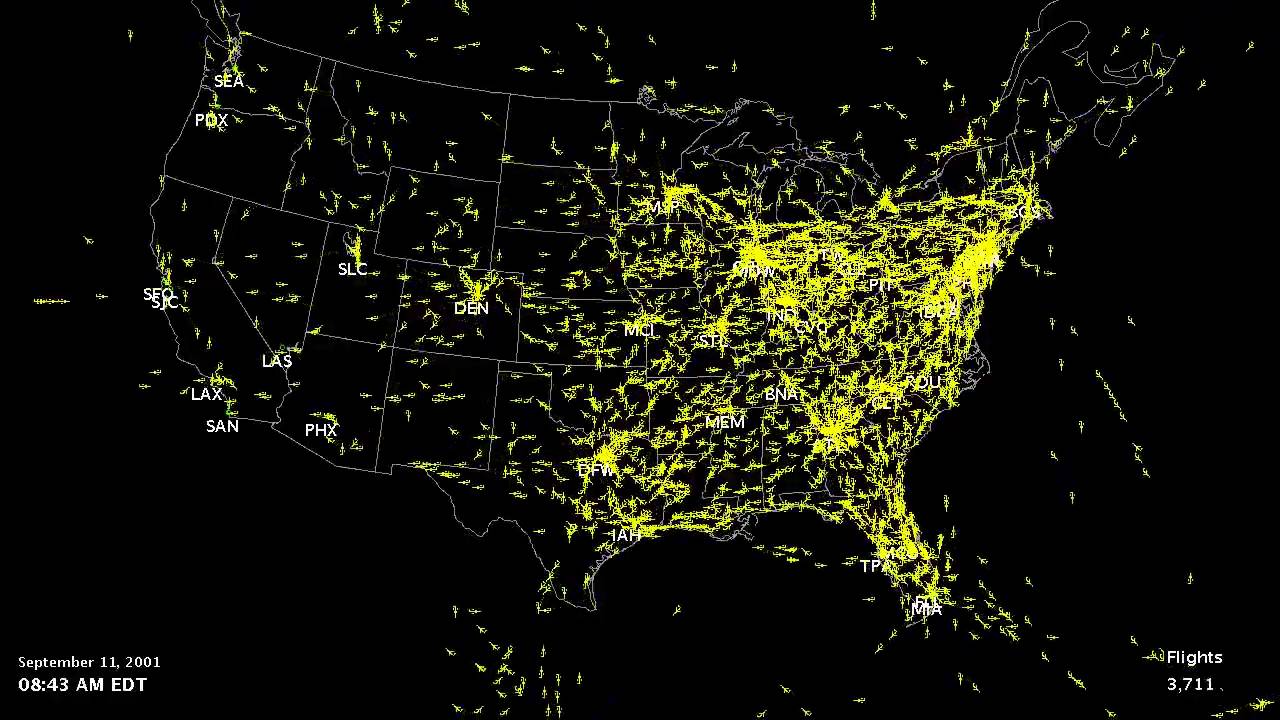
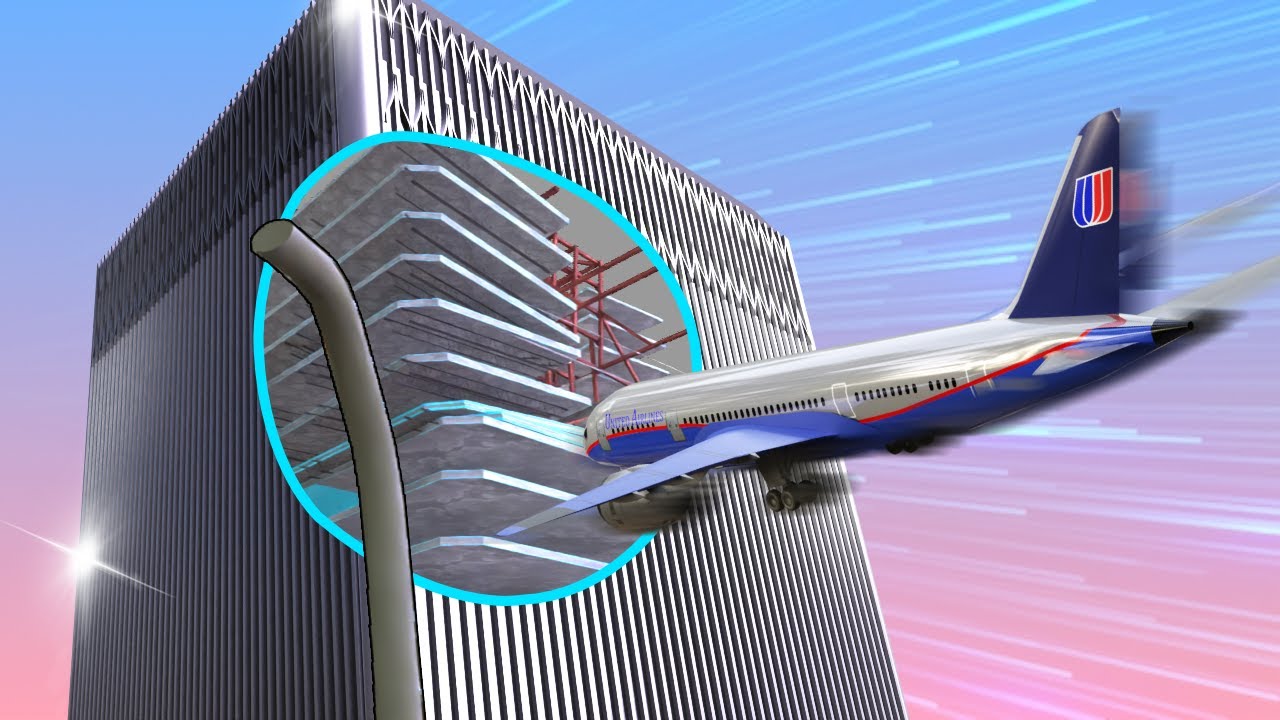
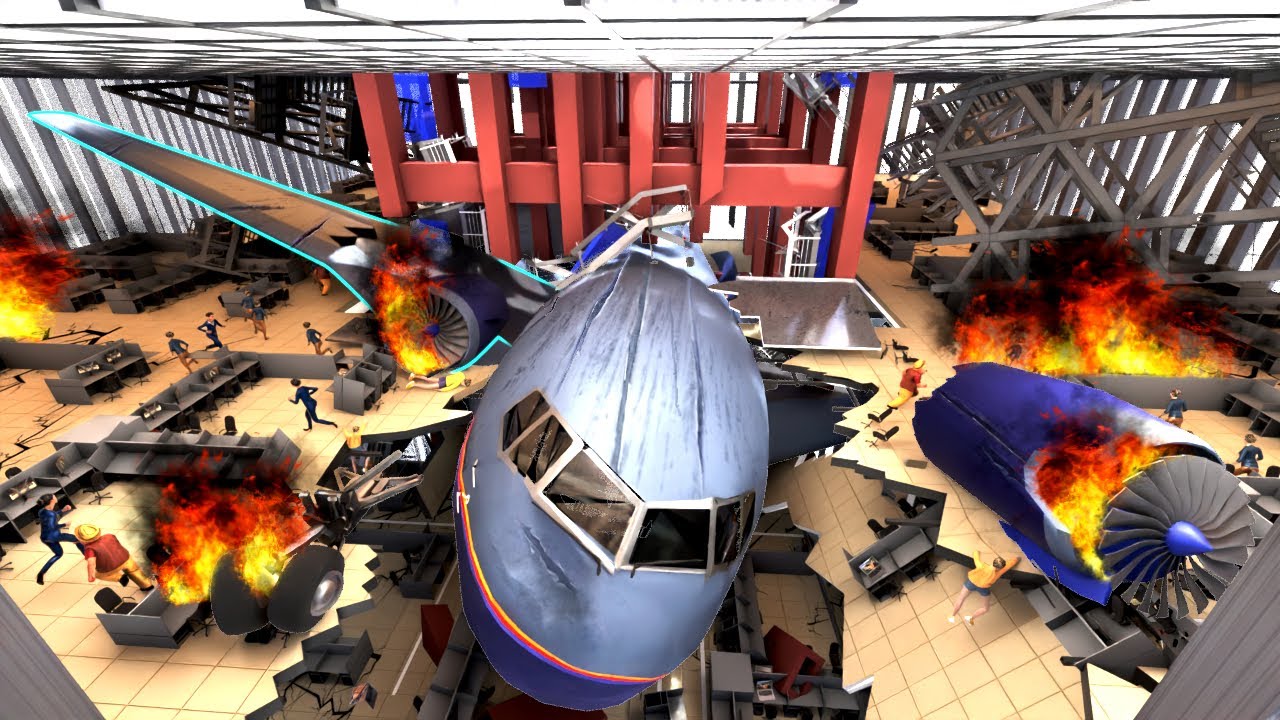
At 8:46 on the morning of September 11, 2001, American Airlines Flight 11 struck the North Tower of the World Trade Center. Seventeen minutes later, United Airlines Flight 175 hit the South Tower. By 10:28 that morning, both towers had collapsed. The Pentagon had been struck. A fourth plane had gone down in a field in Shanksville, Pennsylvania. In less than two hours, the world had changed forever.
This is the story of that morning. The four flights, the nineteen hijackers, and a timeline that unfolded with a speed and coordination that stunned a nation. No interpretation, no agenda. Just the facts of what occurred on the deadliest day on American soil since the Civil War, told in the order they happened. Understand what the official record says precisely before asking the questions that record leaves unanswered.
Books
YouTube
Documentaries/Movies
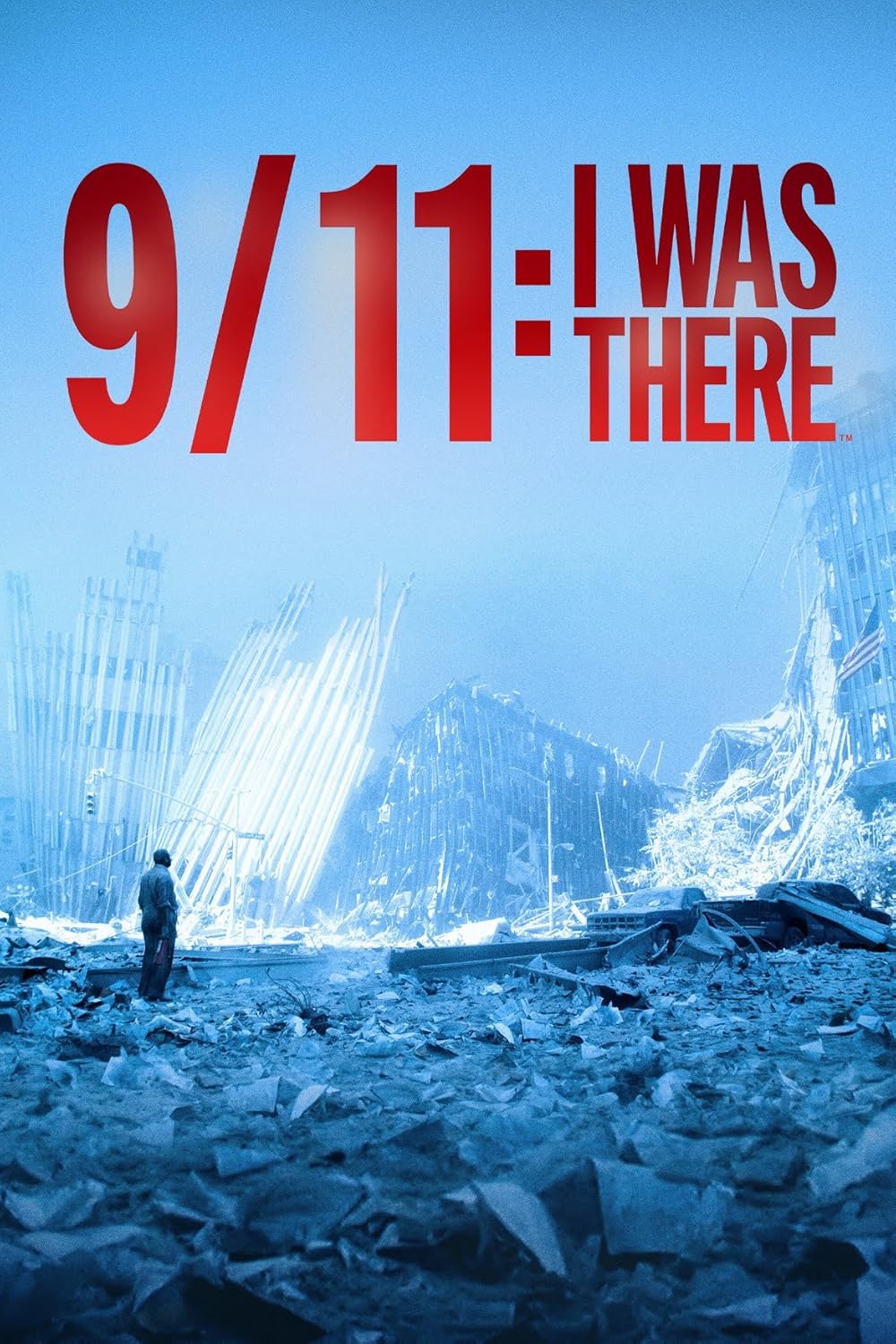
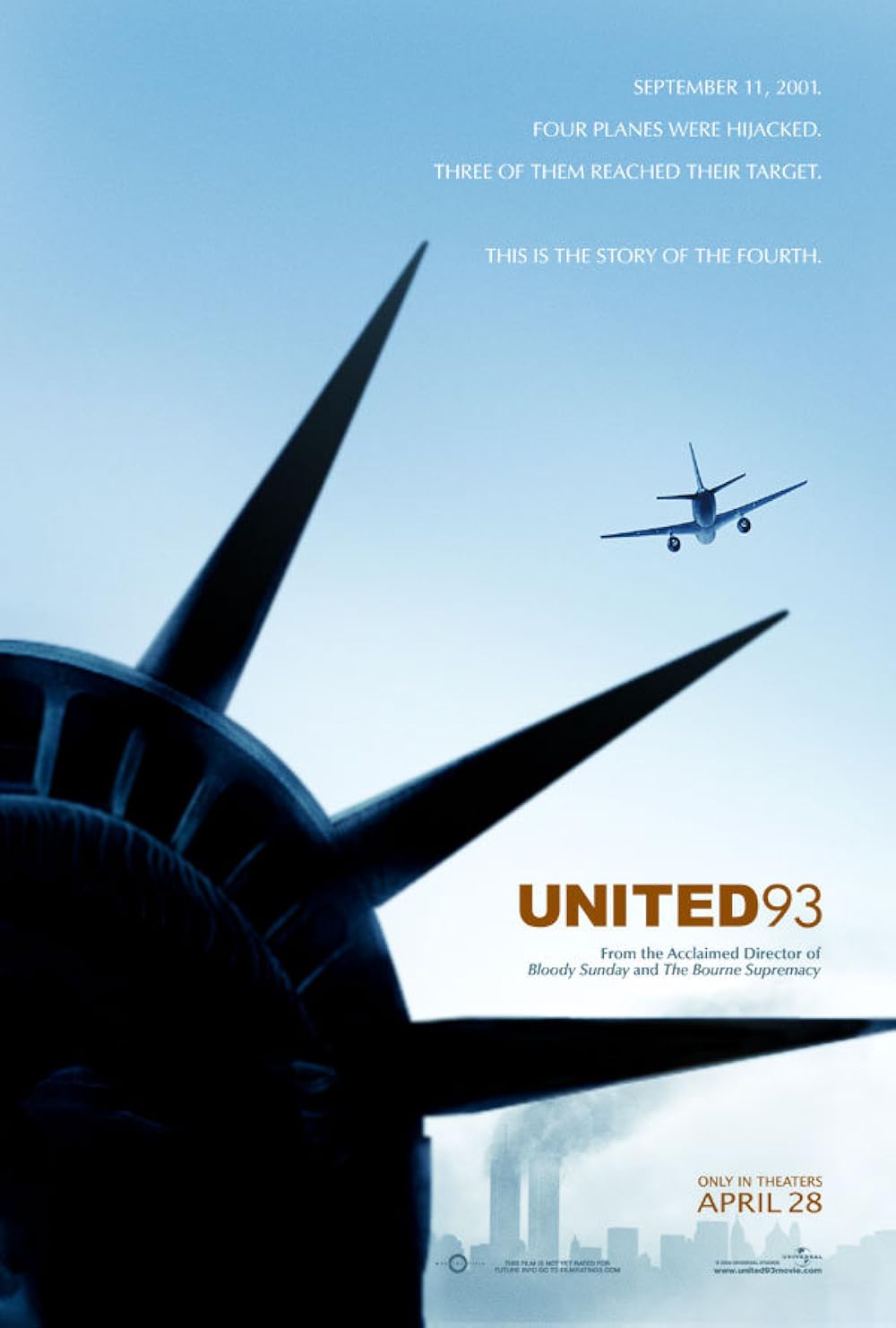
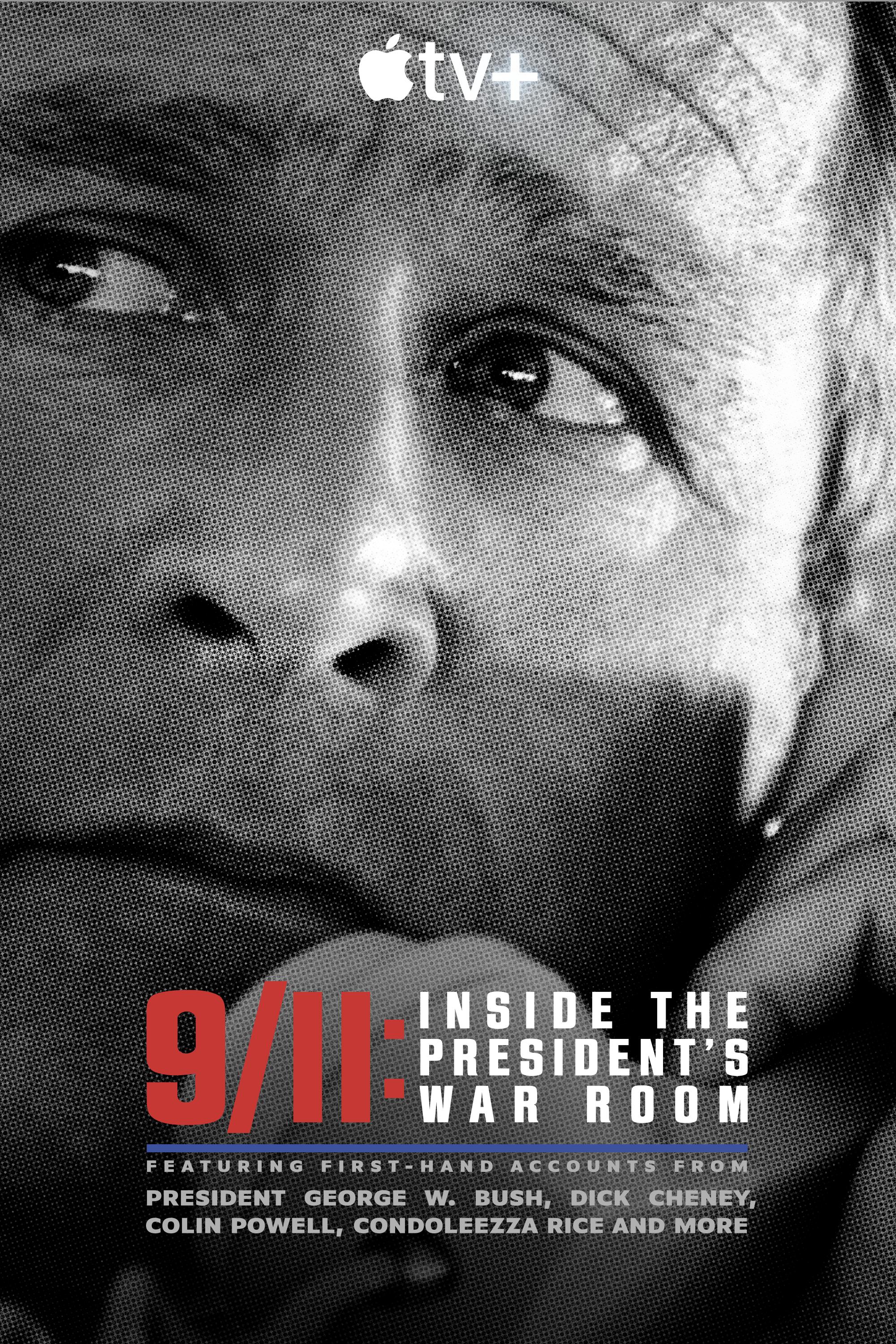
Stage 4
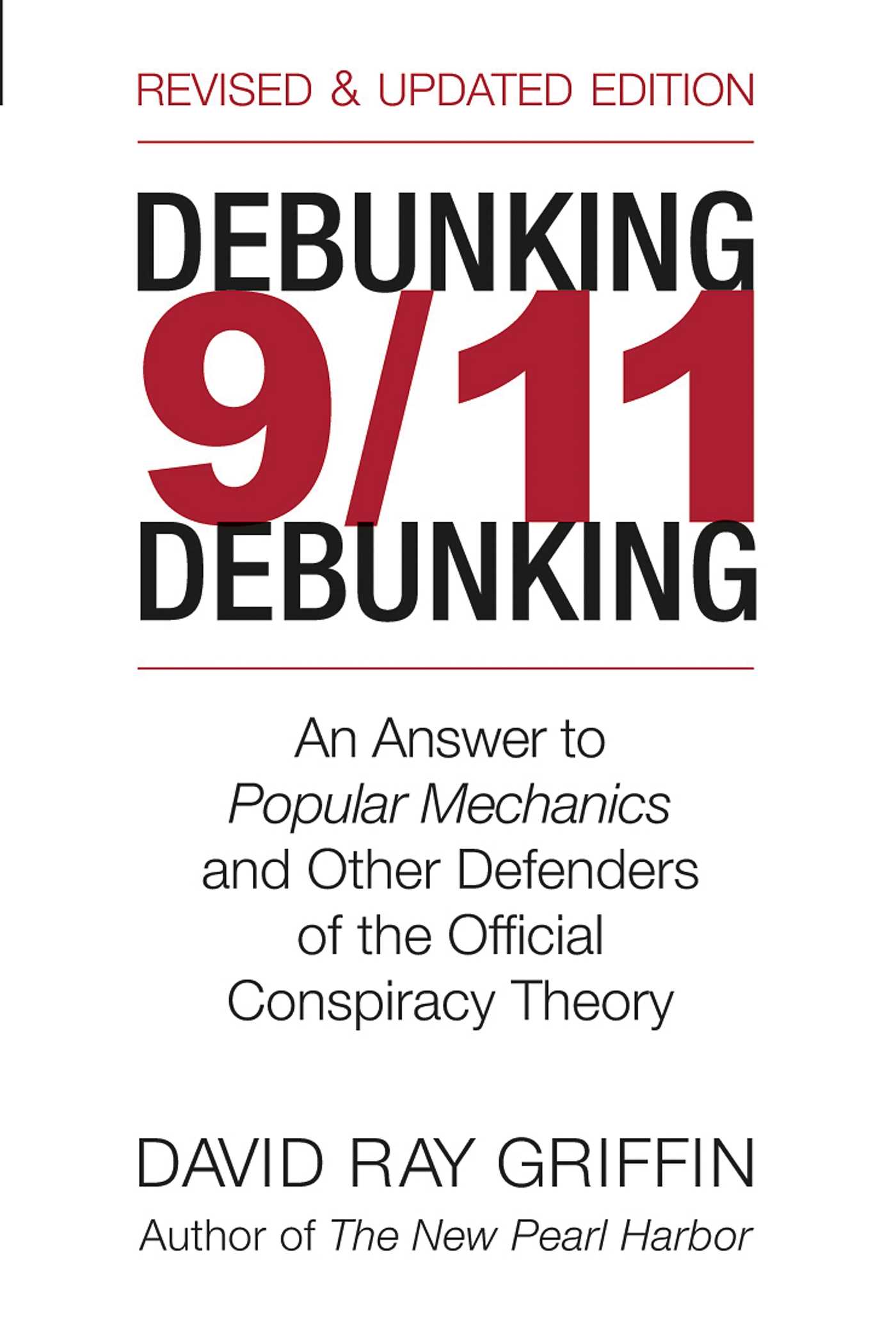
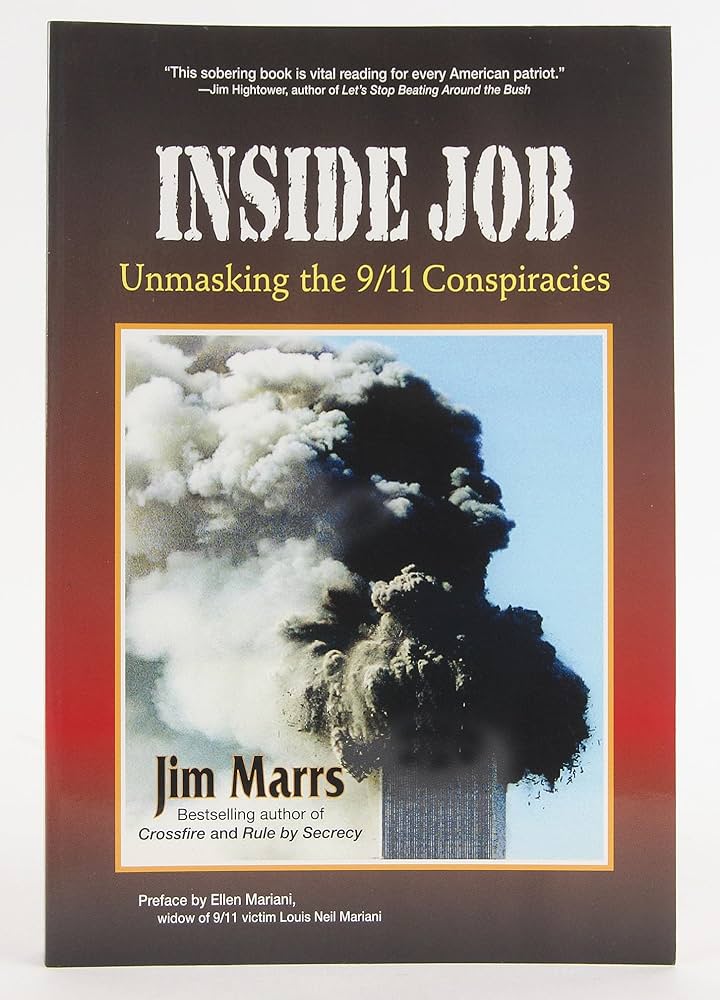
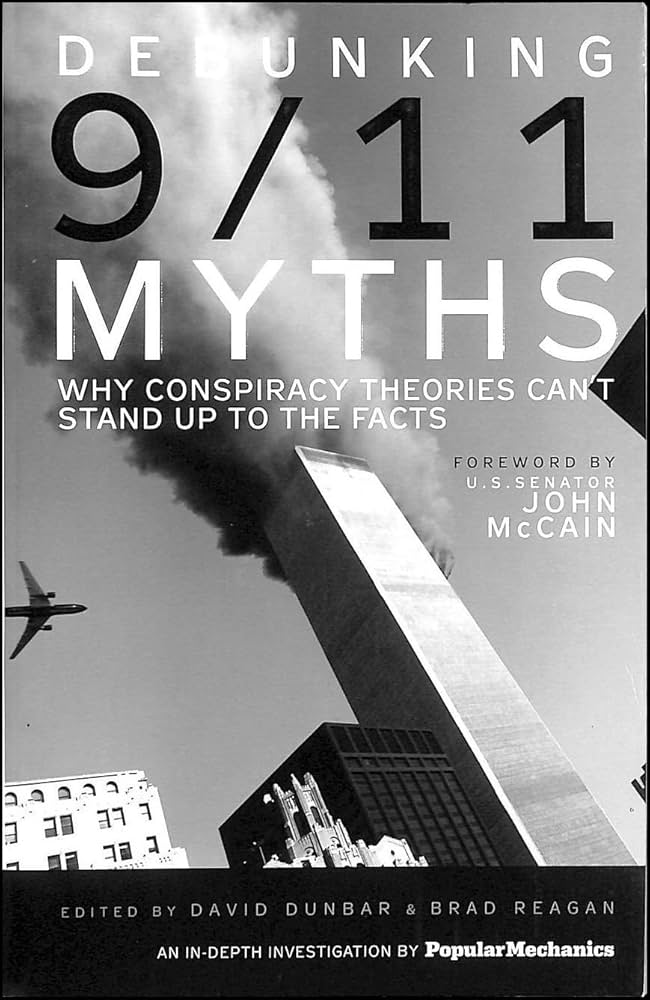
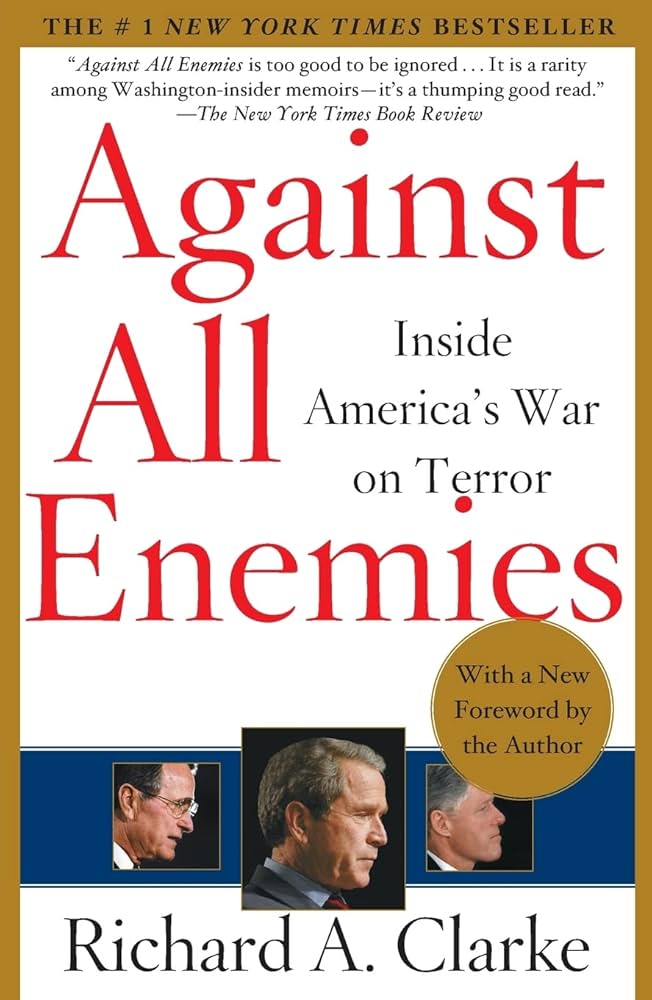
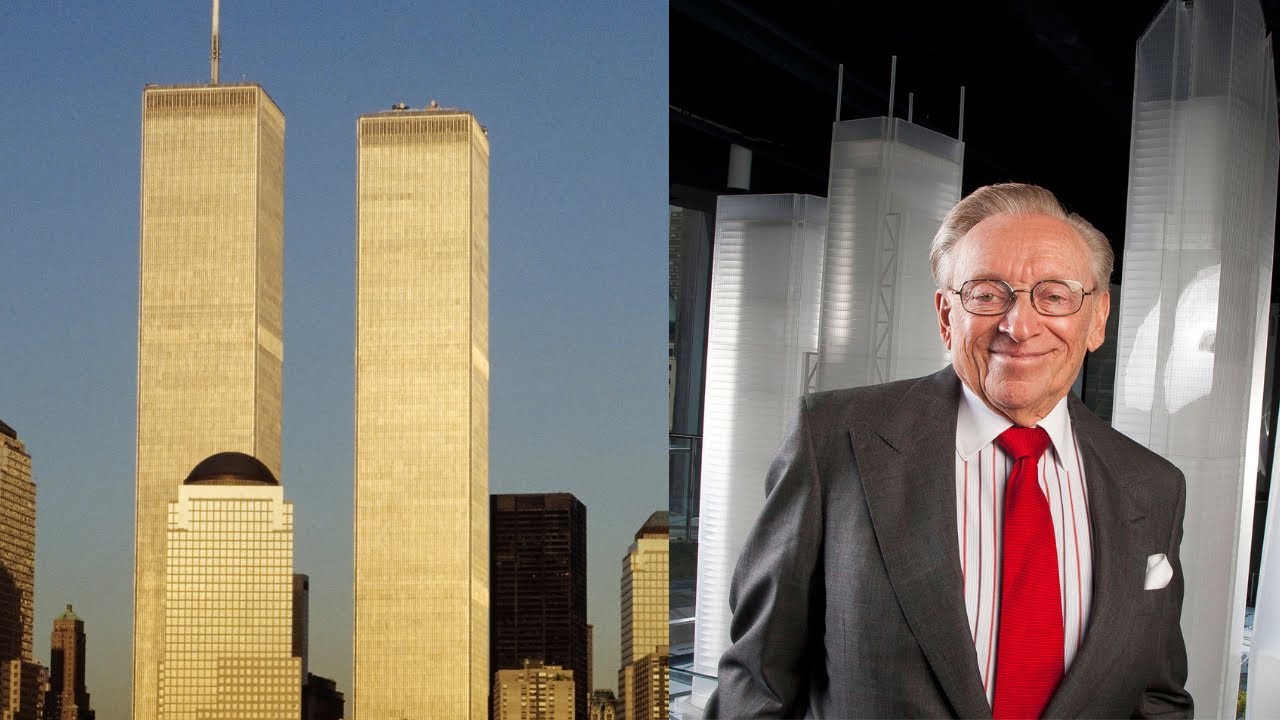
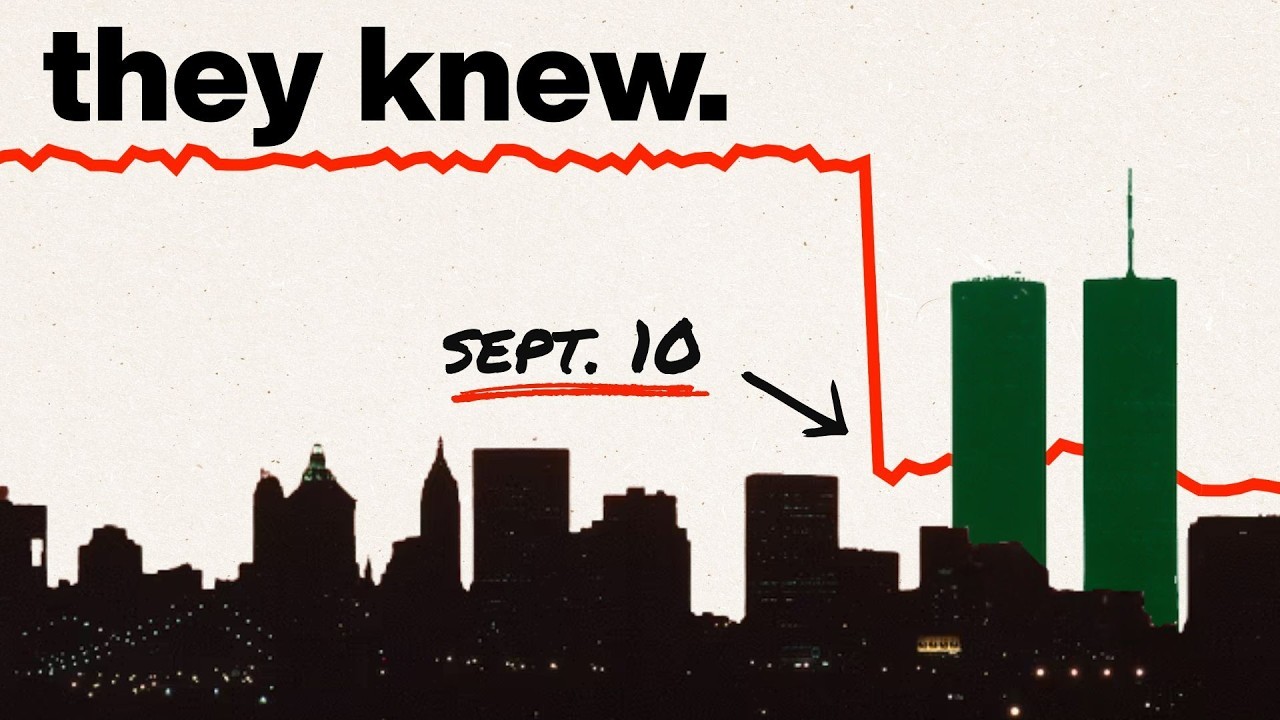
The official story of September 11th is clean, detailed, and extensively documented. It is also, according to a growing body of researchers, engineers, and former government officials, incomplete at best. The questions begin with the physics. Three skyscrapers collapsed that day. Only two were struck by planes. World Trade Center Building 7 (47 story tower that housed CIA offices, the Secret Service, and the New York City Office of Emergency Management) fell in under seven seconds despite never being hit by an aircraft. Structural engineers and demolition experts have spent two decades arguing about what that means. The official explanation has never fully satisfied them.
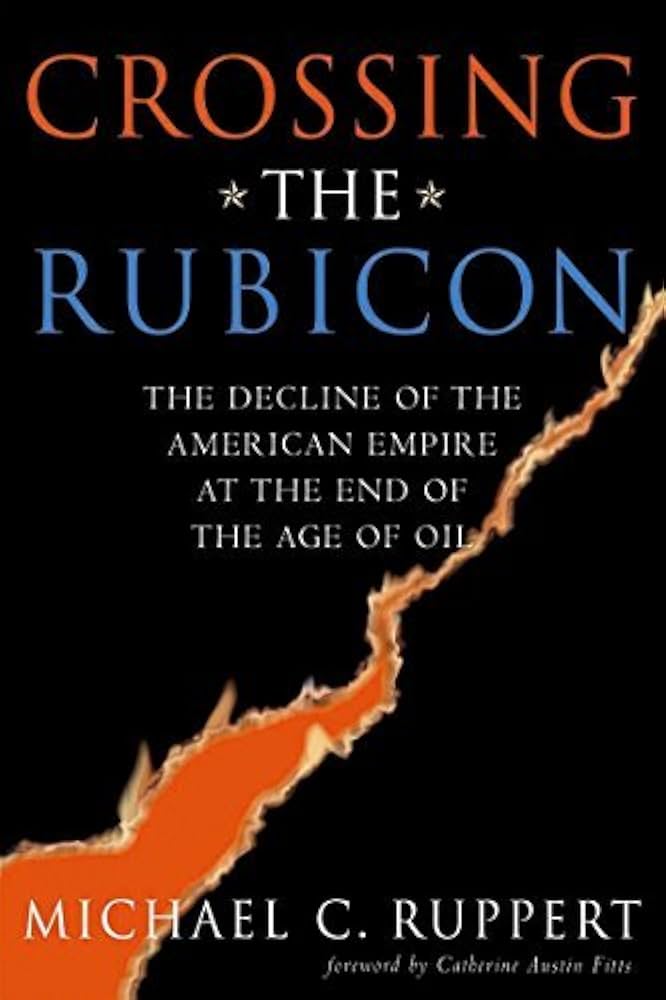
Then there is the question of who knew what and when. A leaseholder who had taken out an extraordinary insurance policy on the complex just weeks before collected nearly five billion dollars in the aftermath. Unusual financial activity in the days prior suggested someone with advance knowledge was positioned to profit. Several of the named hijackers were reportedly found alive after the attacks raising fundamental questions about the investigation's integrity. And a group of men who drafted a document calling for a catastrophic catalyzing event to justify expanding American military power found themselves in the highest offices in the land when that event arrived.
The most uncomfortable question September 11th leaves behind is not whether the attacks happened. It is whether they were allowed to. And if so, by whom and why.
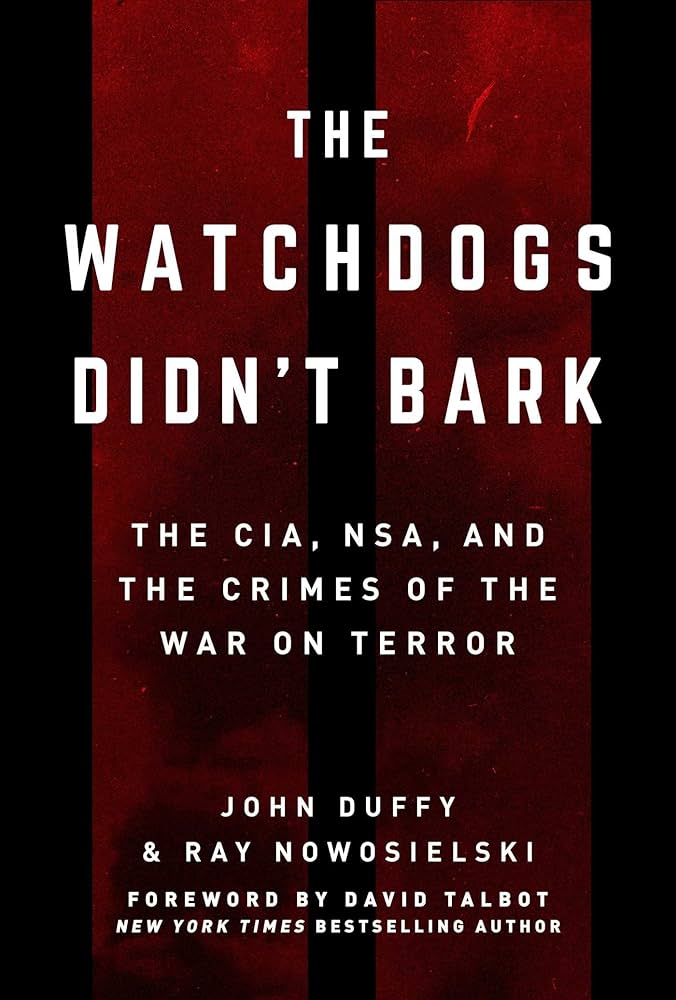
Books
YouTube
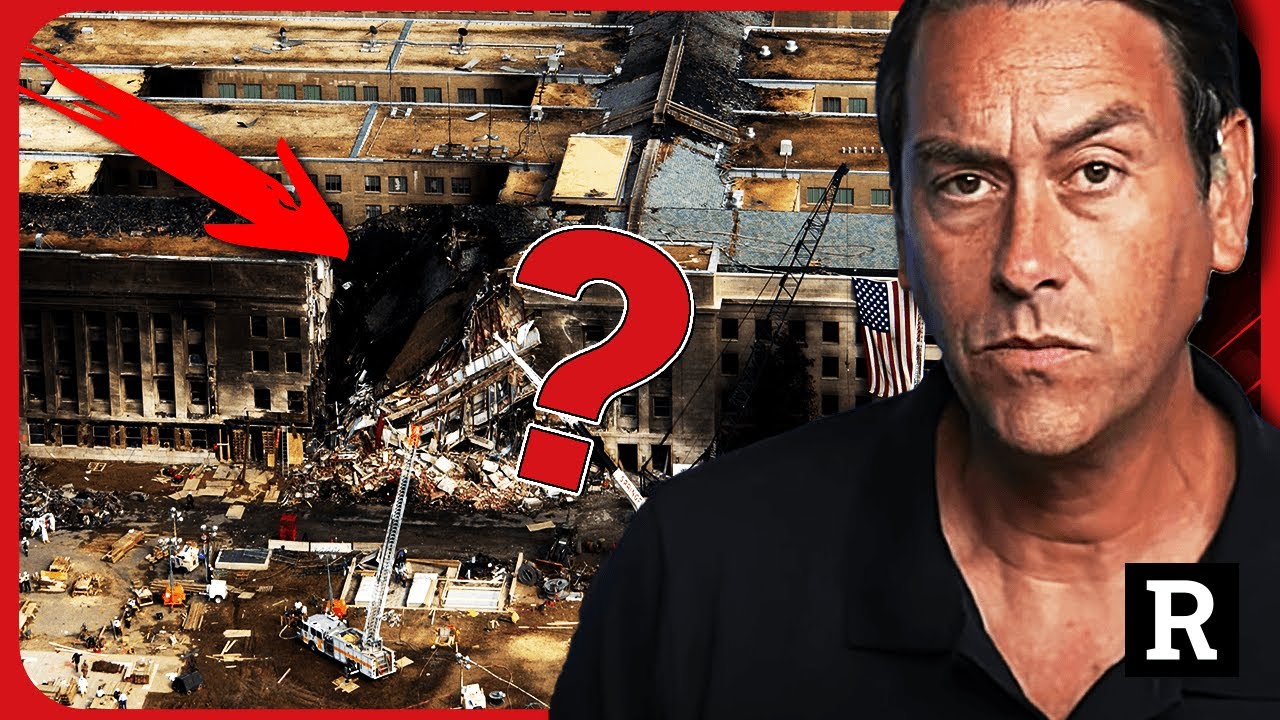
Documentaries/Movies

Stage 5
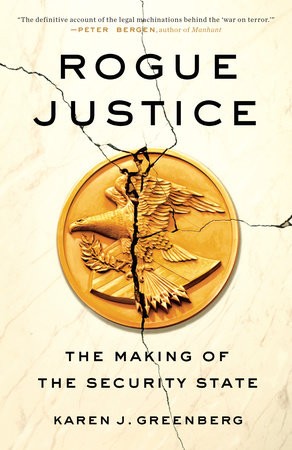
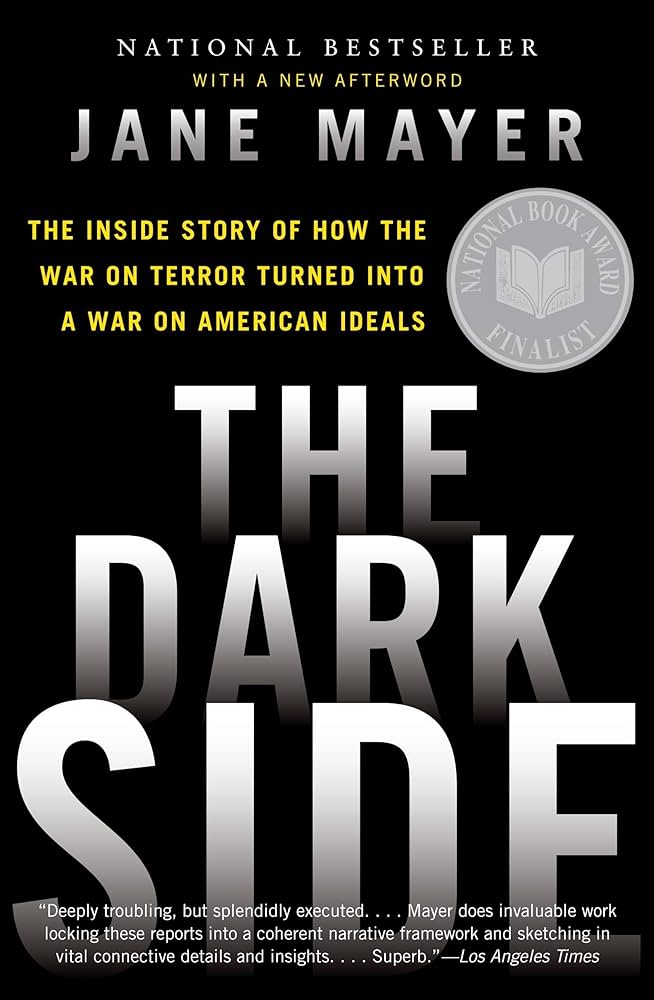
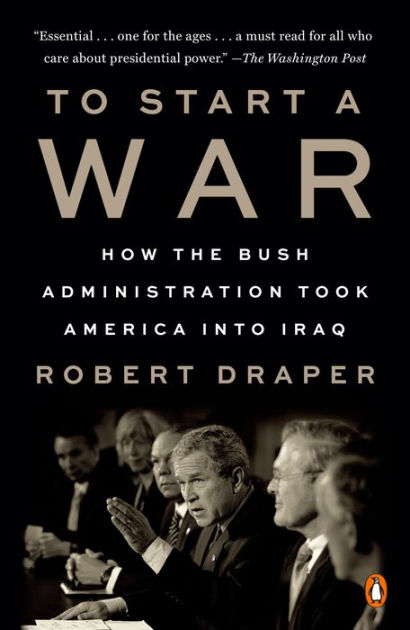
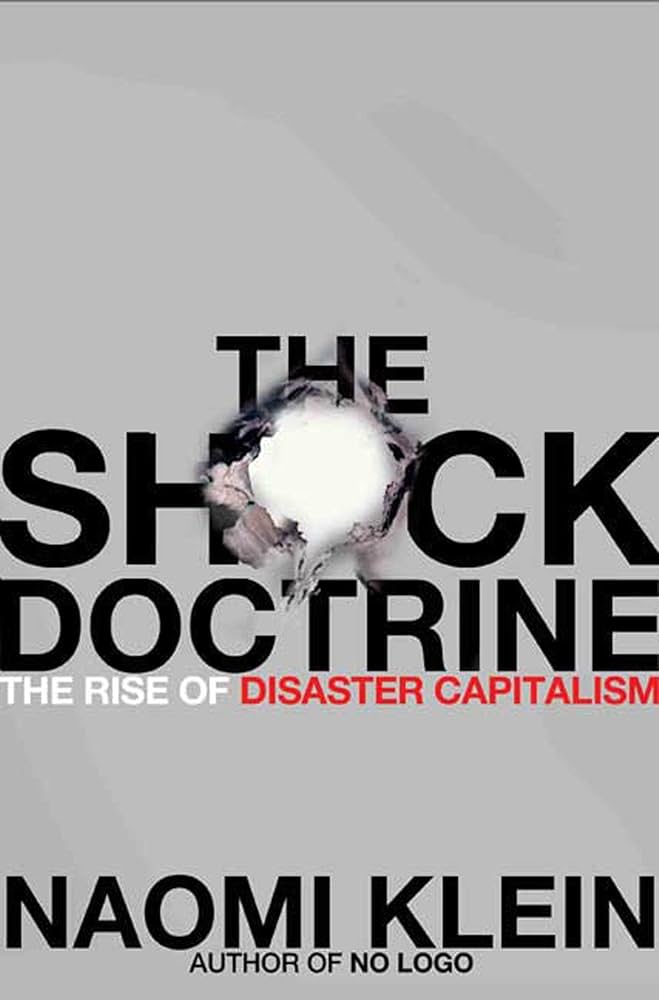
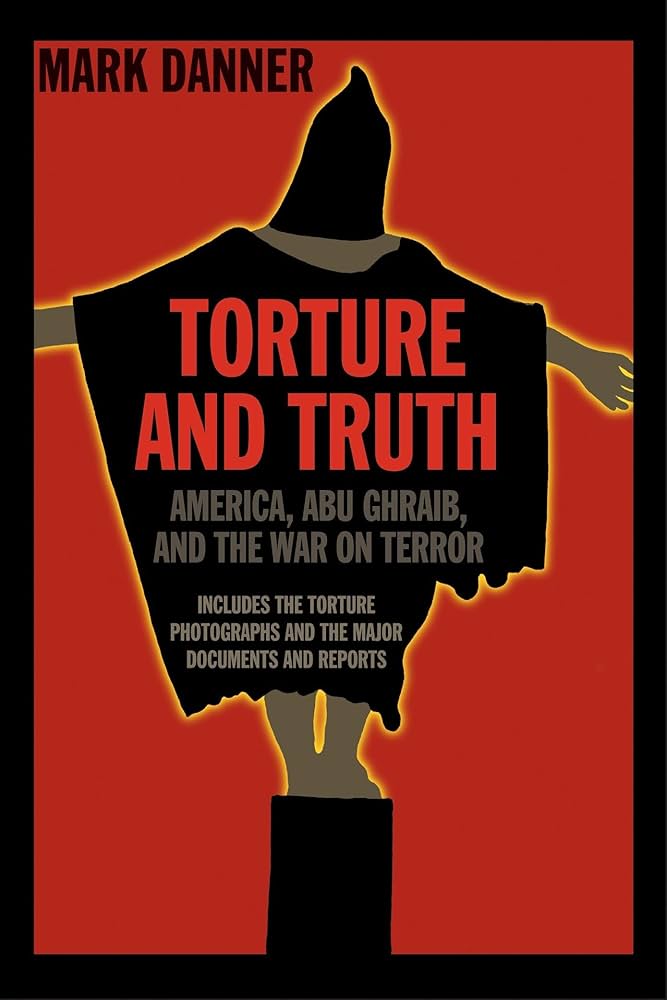
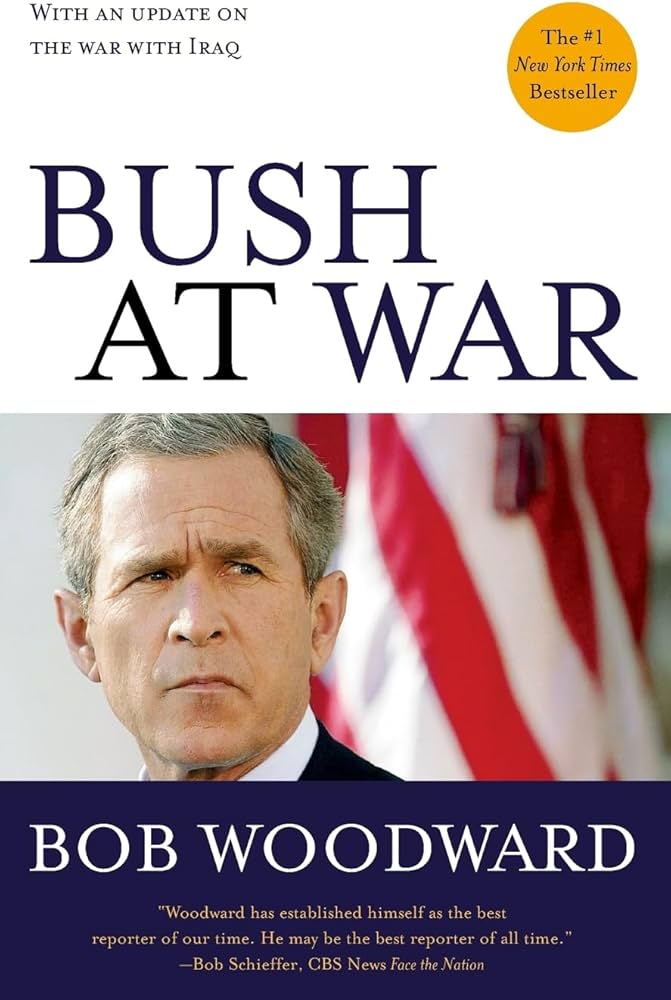
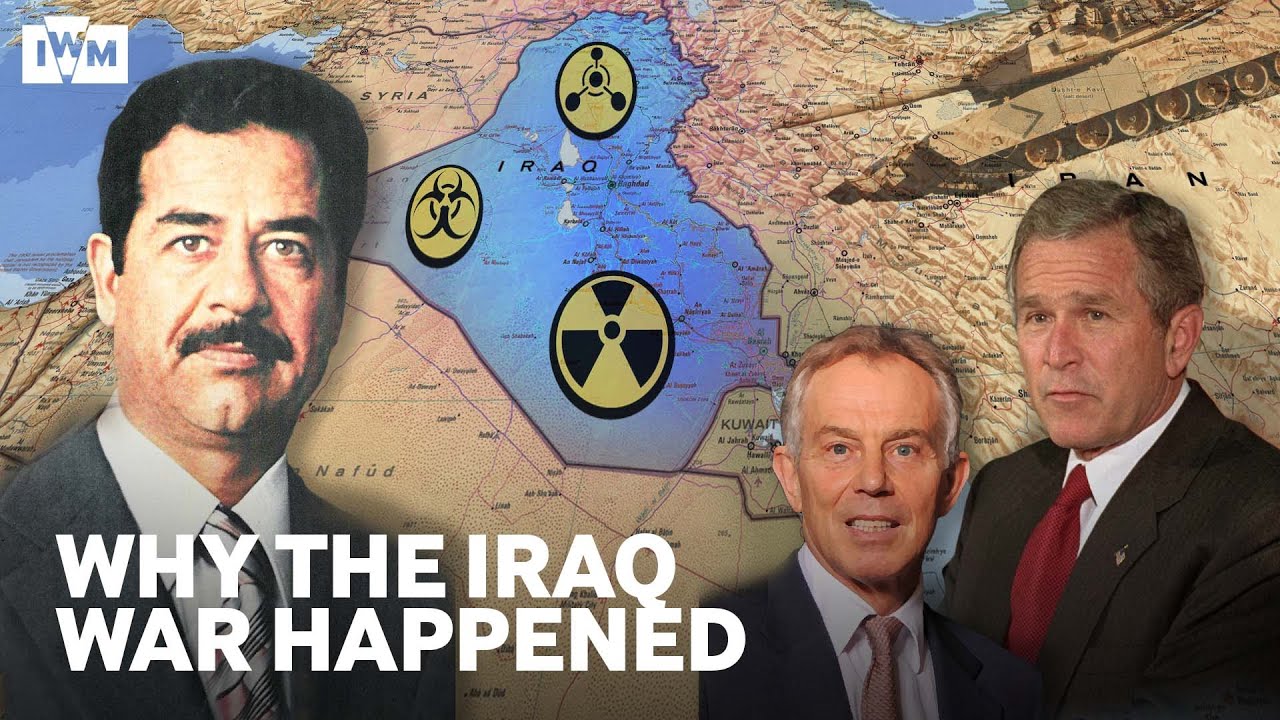
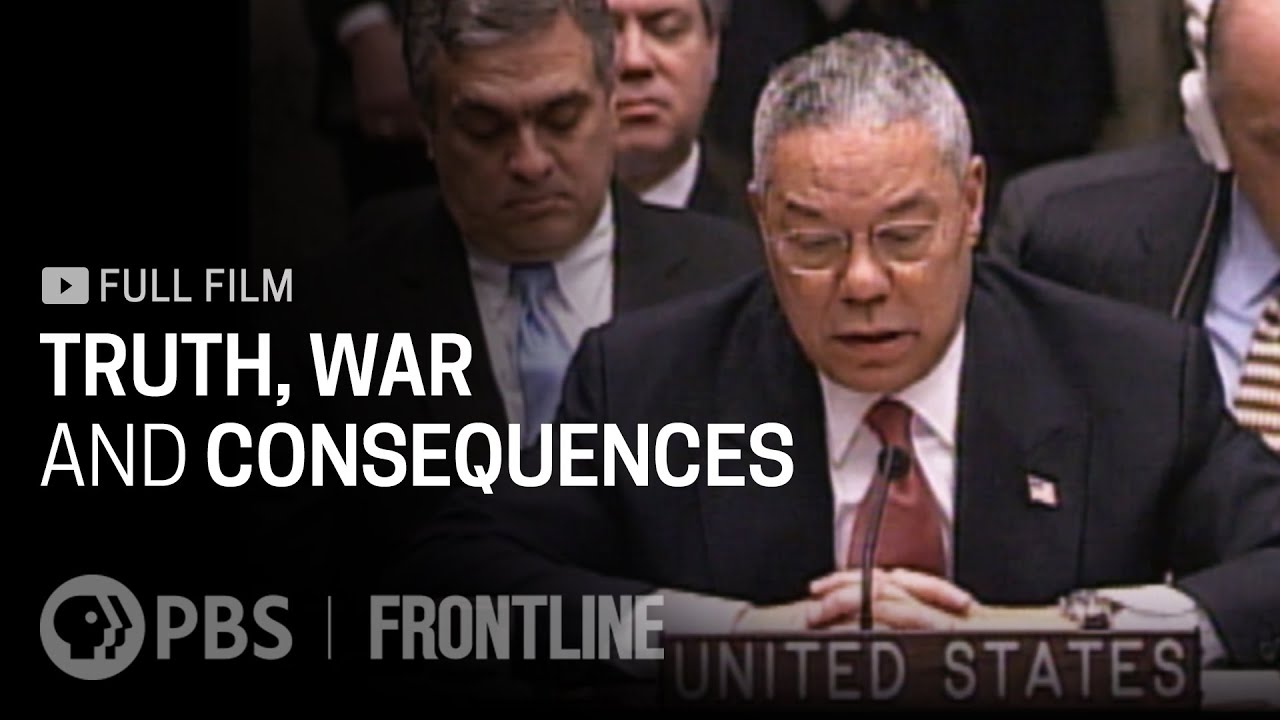
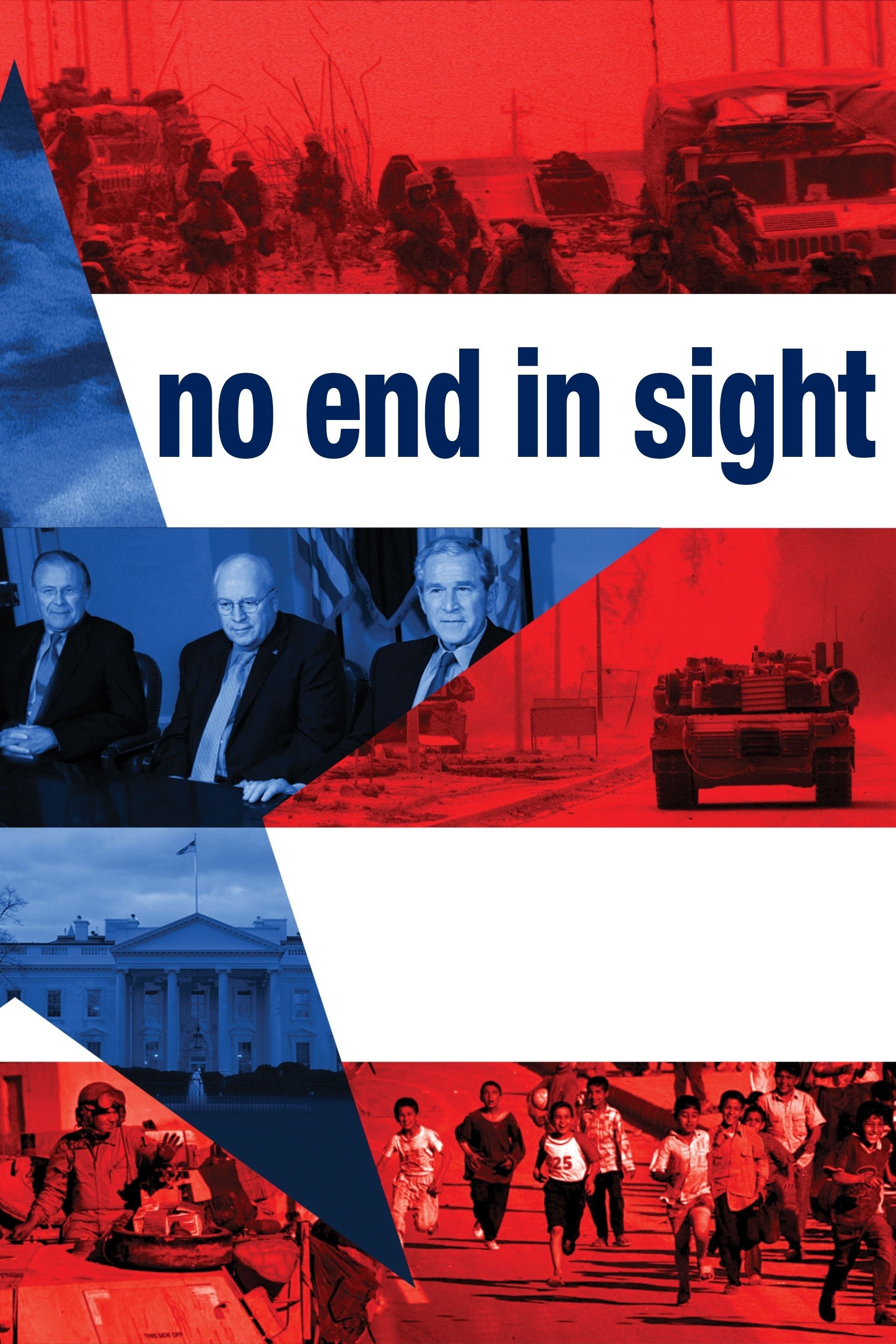
September 11th became the most powerful political justification in modern American history, and it was used for everything. The Patriot Act. Mass surveillance. Two wars. The invasion of Iraq on false pretenses. Guantanamo Bay. Waterboarding. Rendition flights to black sites. The Department of Homeland Security. The TSA. The explosion of the defense budget. No-bid contracts to politically connected corporations. The opening of Iraqi oil fields to Western companies. The militarization of local police. All of it arrived too fast for anyone to seriously question because questioning it meant questioning the dead.
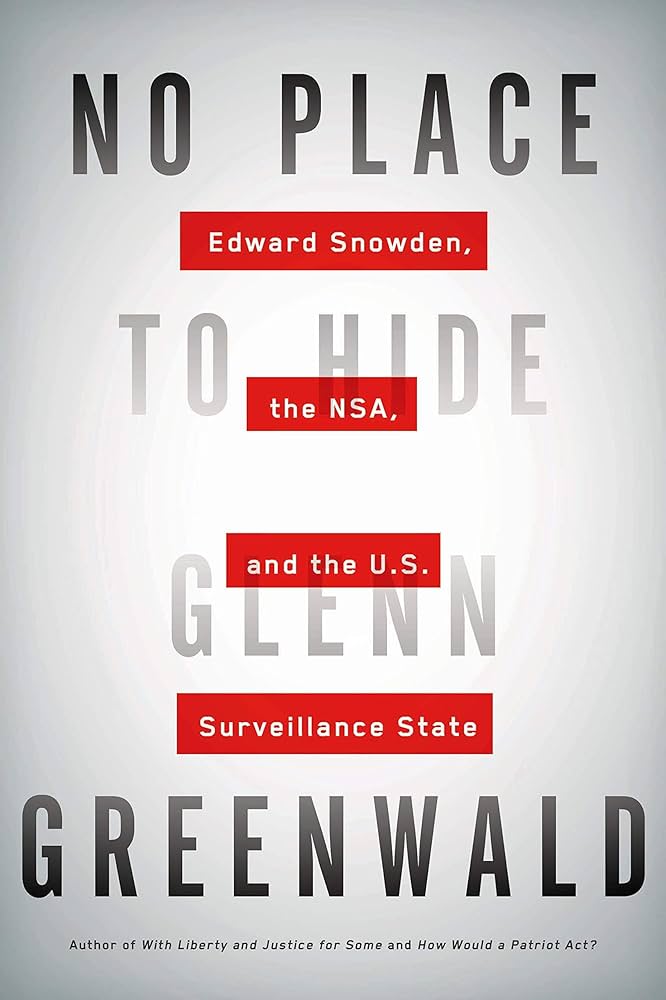
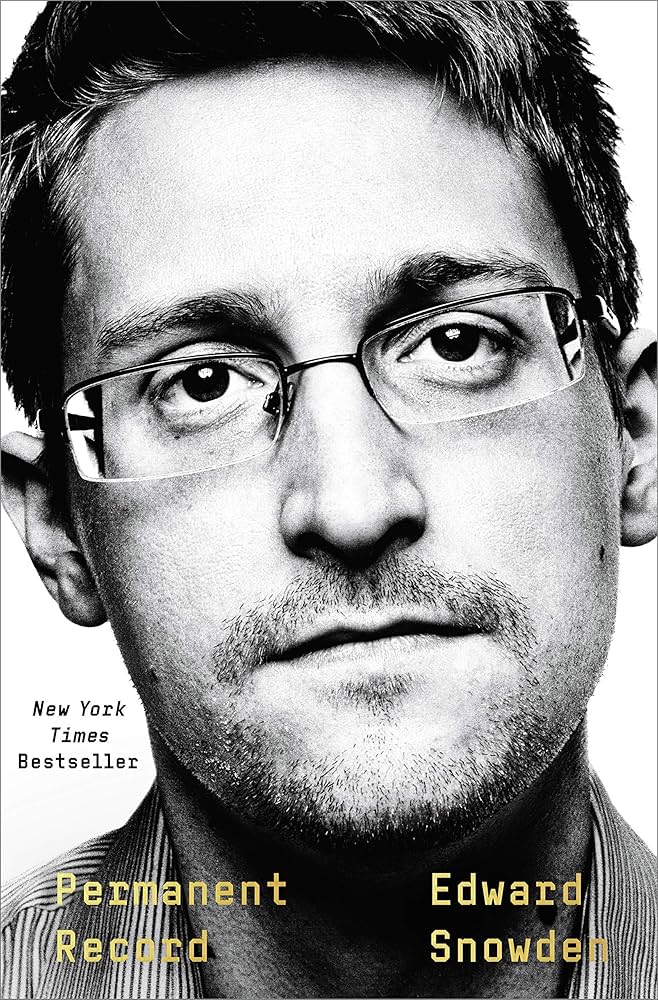
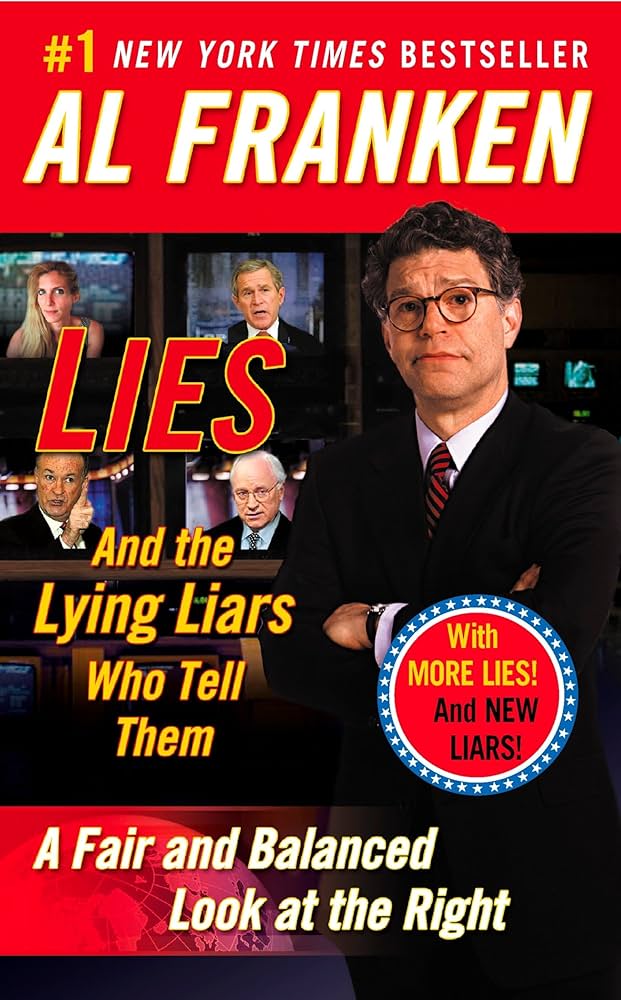
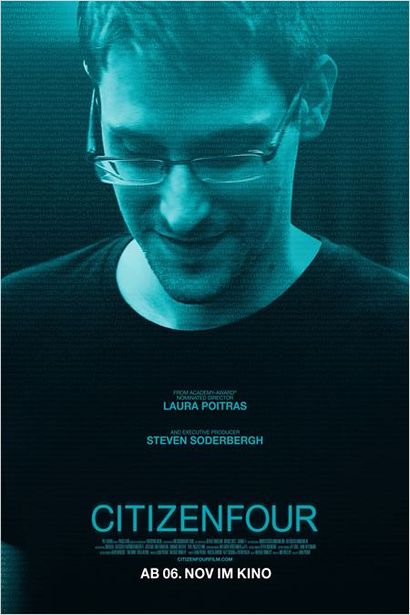
What followed was a decade in which fear became policy and dissent became unpatriotic. Politicians who raised doubts were accused of weakness. The media fell in line. The phrase "September 11th changed everything" wasn't just a cultural observation, it was a political weapon. The surveillance state Snowden exposed in 2013 had been quietly built for over a decade. The wars stretched twenty years. The weapons of mass destruction were never found. And the people who built the case for all of it moved seamlessly between government and the boardrooms of companies that profited from it.
Books
YouTube
Documentaries/Movies
What is a Conspiracy Theory?
A conspiracy theory is an explanation for an event or situation that proposes a secret plot by powerful groups, usually operating outside of public knowledge or official narratives. At its core, it's the belief that what we're told isn't the whole story.
The term gets thrown around as a way to dismiss ideas without engaging with them, and that's not an accident. The phrase "conspiracy theory" was popularized by the CIA in the 1960s as a tool to discredit critics of the Warren Commission's findings on the JFK assassination. In other words, the label used to shut down conspiratorial thinking? That's kind of a conspiracy.
That's not to say every theory is true. Most aren't. But the history of the world is also full of actual conspiracies that were once dismissed as paranoid fantasy before being confirmed as fact. Knowing the difference between useful skepticism and a rabbit hole that never ends is exactly what this site is built for.
Are all Conspiracy Theories True?
A conspiracy theory is an explanation for an event or situation that proposes a secret plot by powerful groups, usually operating outside of public knowledge or official narratives. At its core, it's the belief that what we're told isn't the whole story.
The term gets thrown around as a way to dismiss ideas without engaging with them, and that's not an accident. The phrase "conspiracy theory" was popularized by the CIA in the 1960s as a tool to discredit critics of the Warren Commission's findings on the JFK assassination. In other words, the label used to shut down conspiratorial thinking? That's kind of a conspiracy.
That's not to say every theory is true. Most aren't. But the history of the world is also full of actual conspiracies that were once dismissed as paranoid fantasy before being confirmed as fact. Knowing the difference between useful skepticism and a rabbit hole that never ends is exactly what this site is built for.
Do I need to read or watch all of the Suggested Content?
No. The guides are designed to be comprehensive, not mandatory. We cast a wide net on purpose, to cover as many angles, perspectives, and voices as possible so the full picture of each subject is available to you.
That said, if you want to go deeper on a specific corner of a topic, the resources are there for exactly that.
If you're looking for the most direct path through a guide, keep an eye out for resources highlighted in yellow. Those are the ones we consider essential for that stage: the pieces that will do the most work in building your understanding. Think of them as the must reads, and everything else as the deeper dive.
Is the existing content final for each Conspiracy?
Not at all. Each guide is a living document. We are constantly looking to improve, update, and expand the content. There may be a book or video we missed, a perspective we haven't covered, or new information that changes the conversation entirely. If it makes a guide better, we want it in there.
Will there be more Conspiracies added?
Of course. There will always be events where the official story and the available facts don't quite line up, and those gaps are worth exploring. Some conspiracies have decades of research and documentation behind them while others are still taking shape, so the depth of each guide will naturally vary.
If there is a conspiracy you feel passionate about and don't see covered here, get in touch. We will do our best to give it the attention it deserves.
Should I trust all of the sources?
That is entirely up to you. Conspiracy research is naturally confrontational territory. You will encounter conflicting facts, competing narratives, and personalities who do not agree on much. Part of the work is learning to distinguish what is documented fact from what is speculation, interpretation, or agenda.
With that said, it is worth keeping in mind that YouTube videos and documentaries tend to be where you will find the most exaggeration and creative fact interpretation. That does not make them without value, some of the most important voices in this space live there, but it does mean your critical eye needs to be sharper. Read, watch, compare, and decide for yourself.
Note: We do include movies that aren’t necessarily academic but are dramatic versions of the events, providing an artistic view of actual events. Doesn’t hurt to have some fun while we learn!
What order should I tackle the Conspiracies?
There is no wrong entry point. Start with whatever subject you find most interesting or compelling and go from there.
That said, you may notice as you work through the guides that many conspiracies share overlapping stories, characters, and timelines. This is by design, not coincidence. A book you read for one guide may end up being essential context for three others. For example, several conspiracies trace their roots to the same era surrounding the formation of the CIA, so the foundational material you pick up early will carry further than you might expect.
In that sense, the more guides you work through, the more connected everything starts to feel.